Pakistan has expanded the Thar Block II coal mine in Sindh by 3.6 million tons a year, a move that should lower power generation costs, trim imports and reinforce the country’s push for domestic fuel security at a time of strained external balances.
Pakistan Thar Block II coal mine expands output
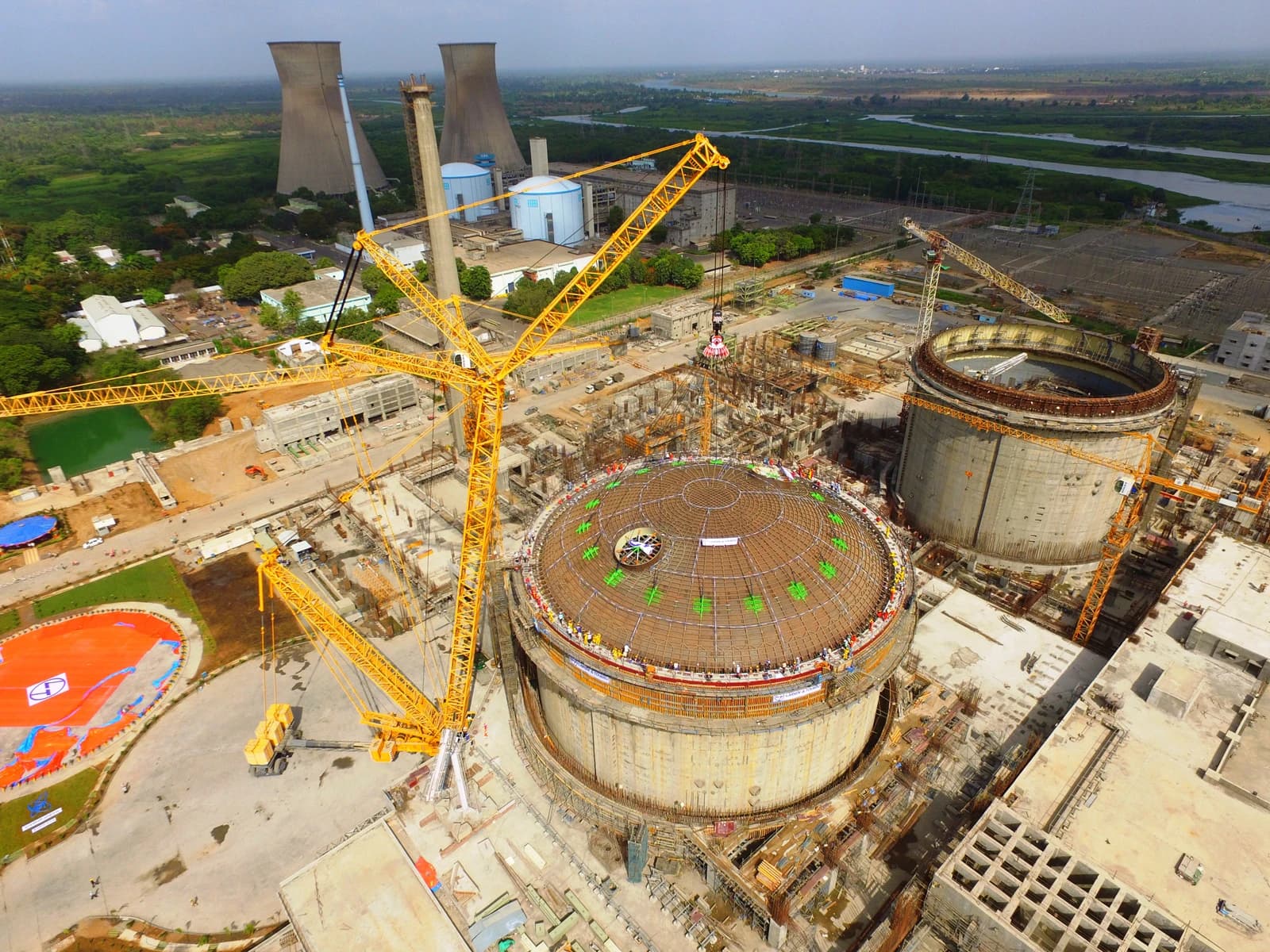
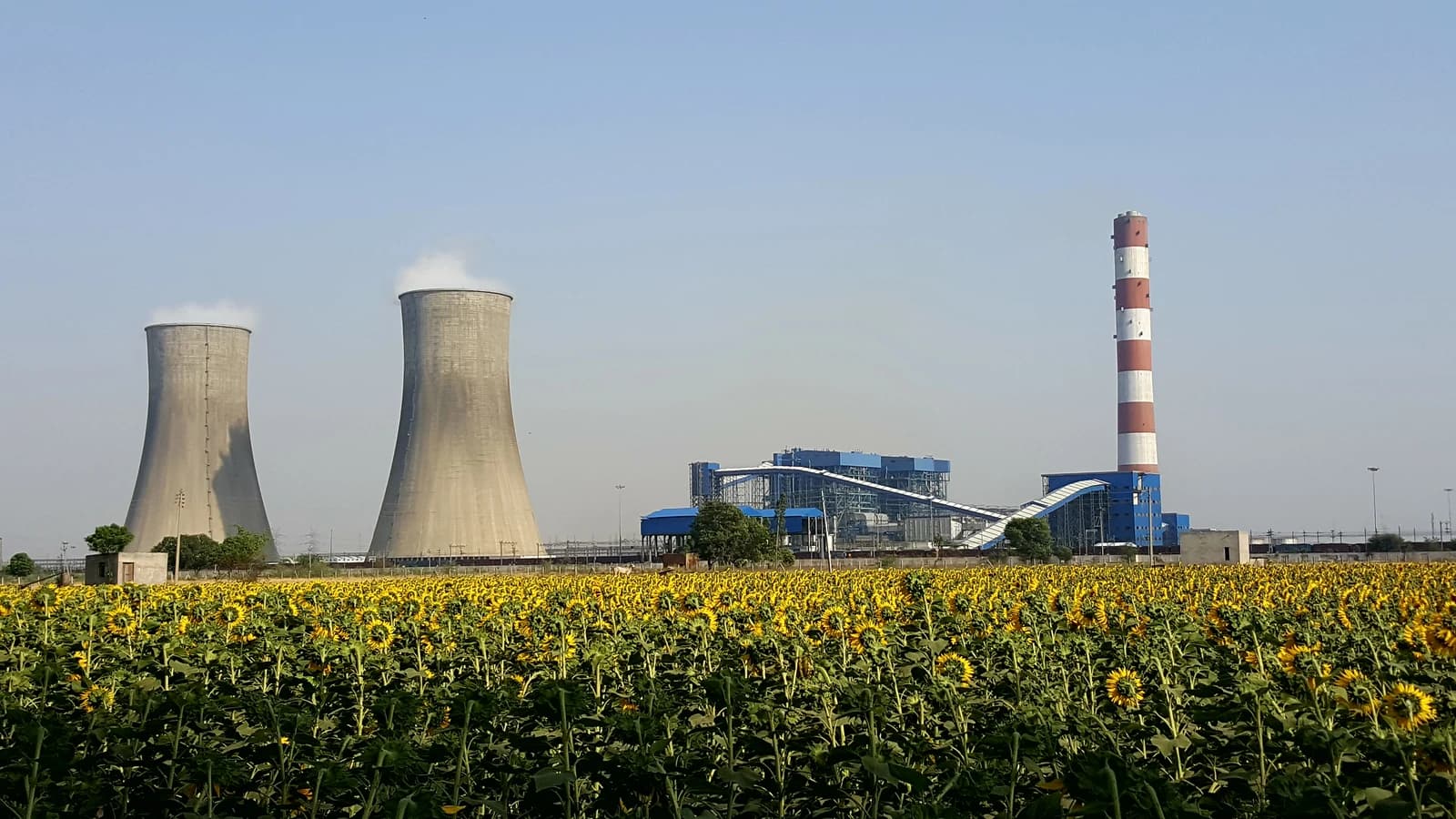
The Phase III expansion lifts annual output capacity at the SECMC-run mine from 7.6 million tons to 11.2 million tons, adding enough fuel for Lucky Electric Power’s 660-megawatt plant and taking total electricity generation supported by Thar Block II to 1,980 MW. Officials say the project, completed through self-financing, is expected to cut power generation costs by about Rs. 15 billion a year and save roughly $220 million in foreign exchange annually.
That matters because Pakistan remains heavily exposed to imported energy costs and dollar shortages. Mine-mouth power from Thar is said to cost about $3.75 per MMBtu, nearly three times cheaper than imported coal, giving policymakers a domestic alternative that can reduce pressure on the current account and ease electricity tariffs over time. Since Thar Block II began operations, cumulative foreign exchange savings have already exceeded $1.7 billion, underscoring why the project has become a central part of Pakistan’s energy strategy.
For investors, the expansion strengthens the case for the Thar coal ecosystem by improving utilization of existing mine and power infrastructure and extending the life of a project that is already producing at scale. The development is also relevant for listed or adjacent energy names with exposure to local coal generation, because lower fuel costs can support margins at power producers even if the broader macro environment remains difficult. From a valuation perspective, the project’s economics are notable in a market where fuel imports, currency weakness and power-sector circular debt have often eroded returns.
The announcement also carries a political message. By inaugurating the expansion alongside the country’s first coal drying unit, officials are signaling that domestic coal remains part of Pakistan’s near-term energy mix despite global pressure to cut emissions. Bilawal Bhutto Zardari’s participation and the praise from Sindh’s chief minister also highlight how Thar has evolved into a symbol of provincial development and public-private cooperation.
The bullish case is that Thar continues to prove it can deliver some of Pakistan’s cheapest dispatchable electricity, lower import dependence and create room for industrial activity. The bearish case is that the country is still locking in coal infrastructure just as financing, environmental and policy pressures against fossil fuels intensify. For now, the economics are straightforward: in a power system short on cheap alternatives, every extra ton from Thar reduces the need to buy fuel abroad.
| Entity | Gains | Losses |
|---|---|---|
| SECMC / Thar Block II | ▲Higher output, stronger project economics | ▼Greater execution pressure |
| Pakistani power sector | ▲Lower fuel costs, more domestic supply | ▼Imported coal suppliers |
| Pakistan’s foreign reserves | ▲Smaller import bill | ▼Dollar outflows on imports |
| Coal-linked power producers | ▲Cheaper feedstock, better margins | ▼Renewable-energy advocates |