Madhya Pradesh is scrambling to plug a widening electricity deficit by importing power from Punjab and Uttar Pradesh, a sign that India’s rural and farm-led demand surge is colliding with weak generation, coal constraints and plant outages just as the state enters its peak Rabi season.
Madhya Pradesh Power Shortage Triggers Imports
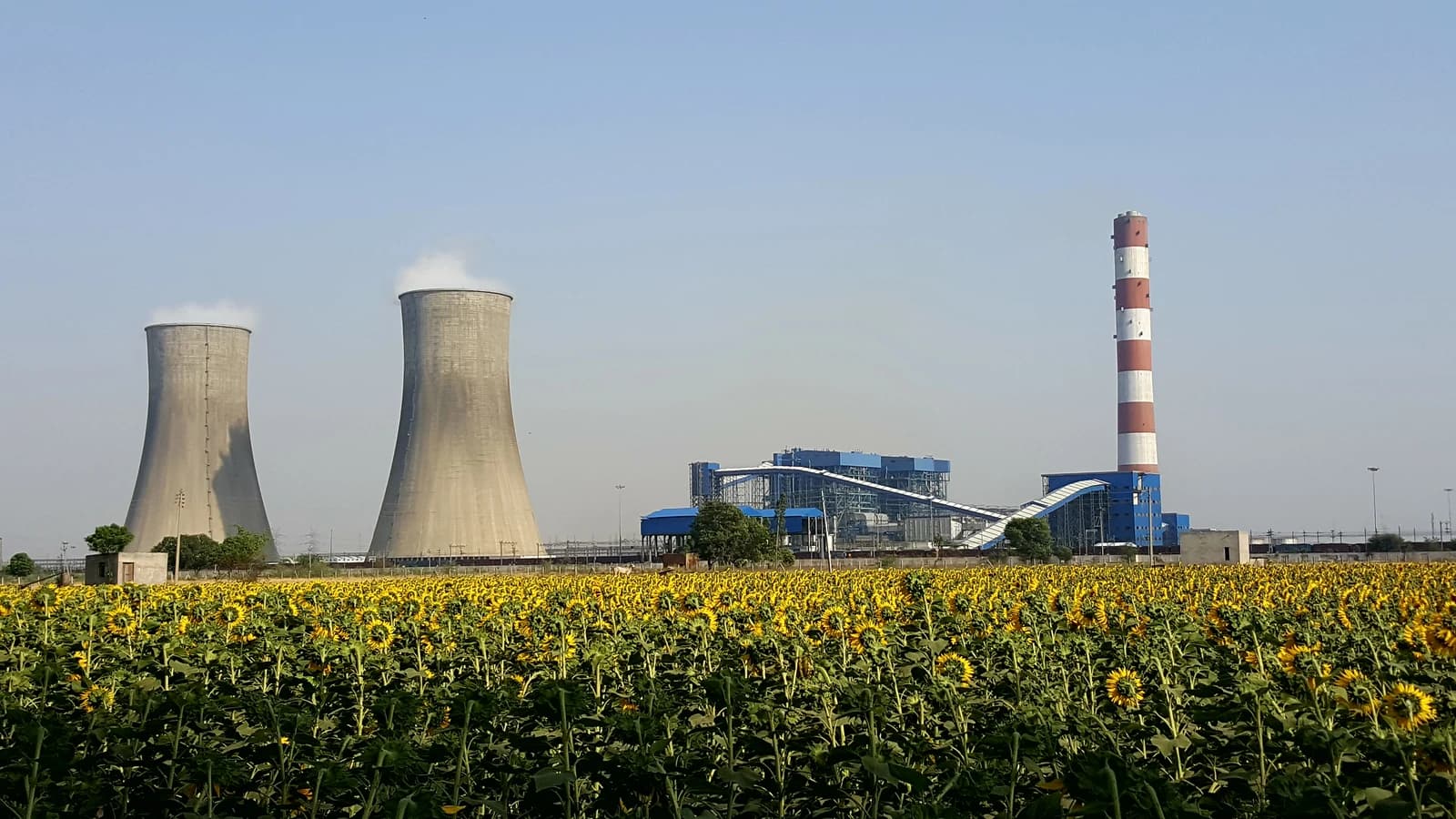
For investors, the significance is bigger than one state’s blackout risk. Power shortages in a major agricultural belt expose how fragile India’s supply balance remains when rainfall disappoints and hydel output falls. They also underscore that the next leg of electricity demand is not just urban consumption or data centers, but irrigation, festival demand and rural electrification — a mix that forces state utilities to buy emergency power at whatever price is available.
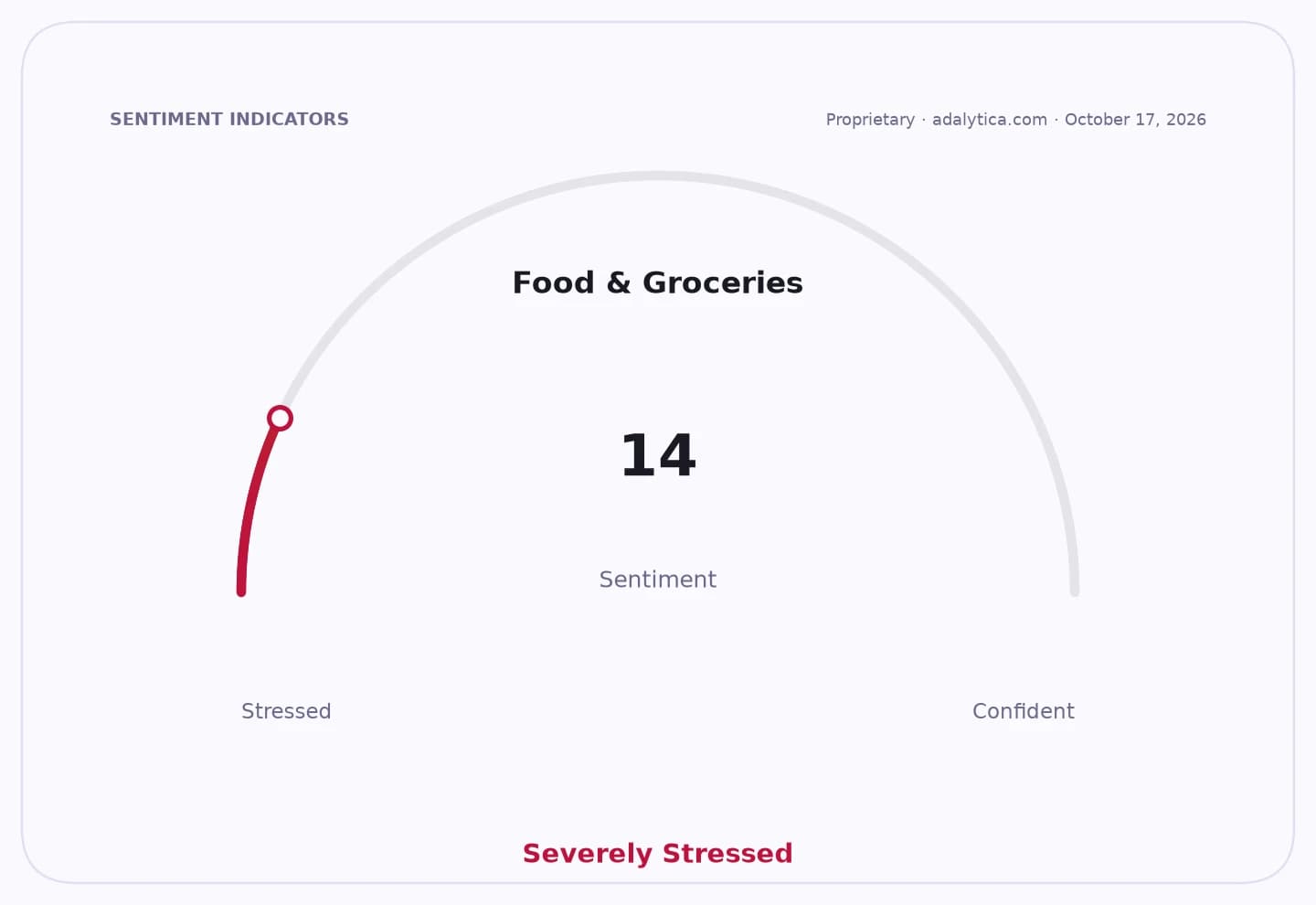
Sentiment IndicatorsⓘProprietary · adalytica.com · October 18, 2026
This is a snapshot — live sentiment, awareness and momentum for 130+ markets update continuously in the dashboard.Open AlphaPulse
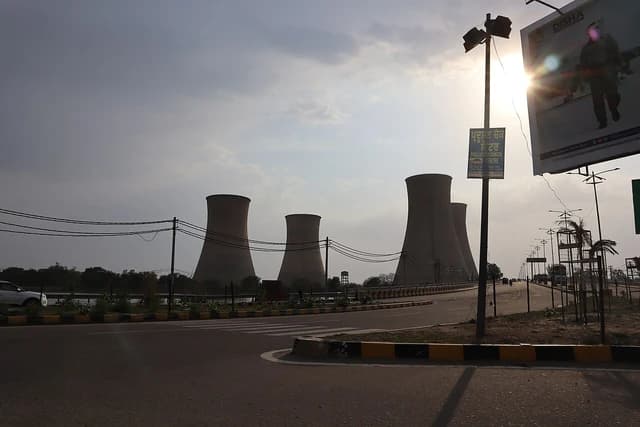
On Thursday, demand in Madhya Pradesh jumped by more than 5,000 MW to 17,313 MW, compared with 11,874 MW a year earlier. Agriculture alone accounted for 3,700 MW, nearly double last year’s 1,752 MW. Yet generation on Oct. 15 was only 7,536 MW, including 3,642 MW from thermal plants, 2,091 MW from hydel and 1,803 MW from renewables. The state said it would source 500 MW from Uttar Pradesh during peak hours and seek additional supplies through exchanges and from Punjab, with 3,000 MW to 4,000 MW expected from next week.
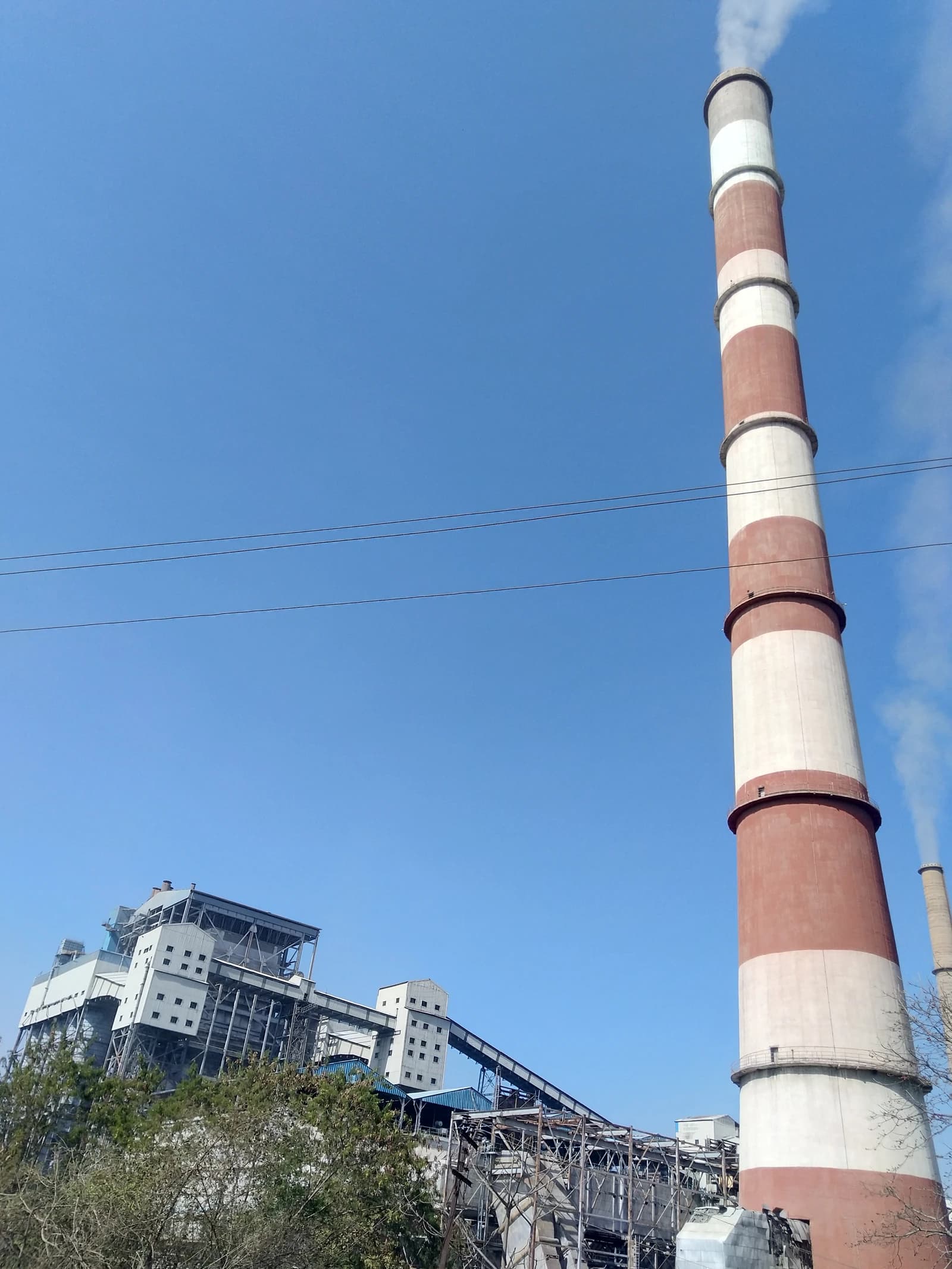
That gap matters economically because power is the backbone of farm output, industrial activity and state finances. When supply tightens, irrigation suffers first, then crop timelines, then local consumption. With wheat sowing approaching after paddy irrigation demand, the timing is especially sensitive. Officials said deficient rainfall has already cut hydel generation, while coal shortages and technical snags at thermal plants have worsened the squeeze.
The market implication is clear: India’s electricity system still rewards assets that can deliver dependable baseload or flexible balancing power when weather turns adverse. Thermal generators with reliable coal supply, transmission operators that can move power across states, and renewable firms with storage or firming capabilities should all remain in focus. By contrast, state utilities under stress face higher procurement costs and more fiscal strain, especially when they are forced into the exchange market during a nationwide shortage.
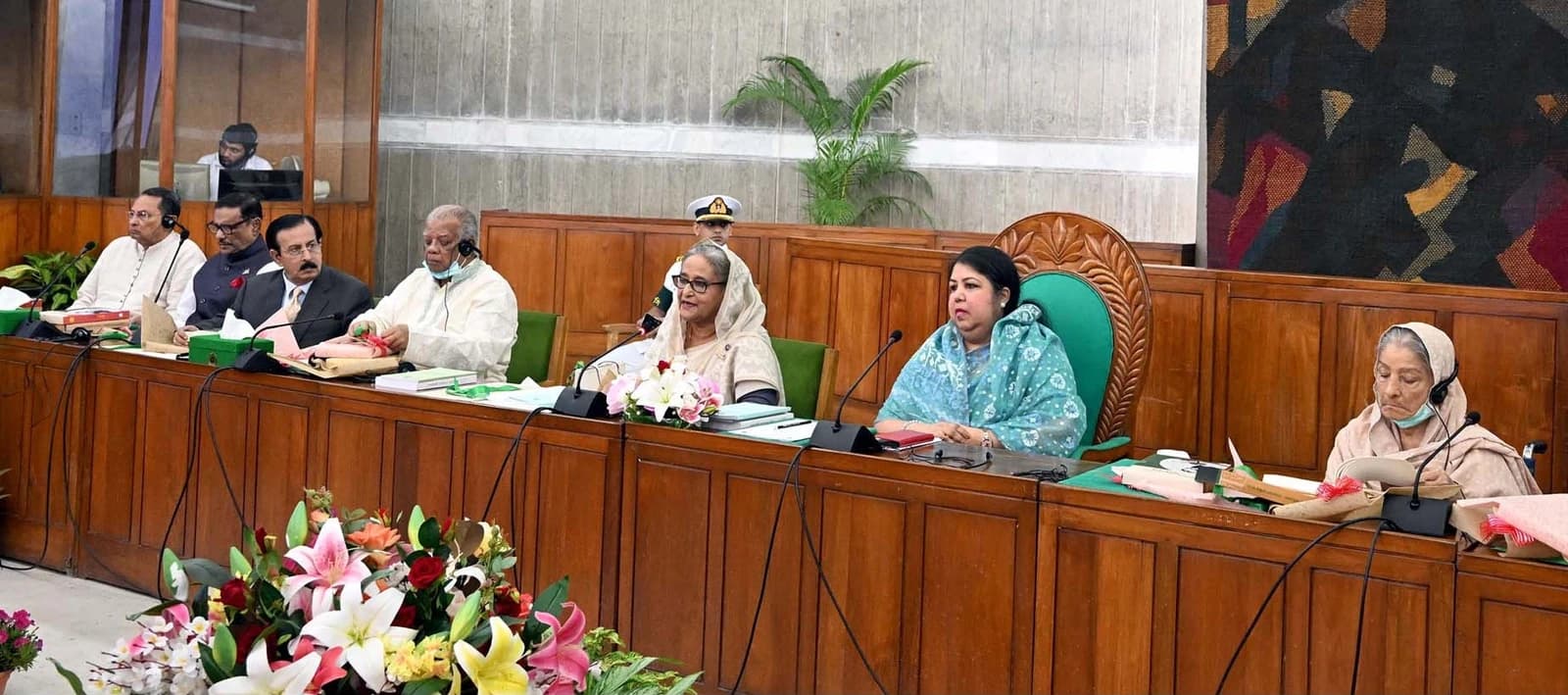
The political pressure also matters. Protests have spread across Nimar and Malwa, and lawmakers from the ruling BJP have written to Chief Minister Mohan Yadav. That raises the odds of emergency procurement, accelerated maintenance, and possibly more policy support for local generation ahead of the next demand spike.
The broader message for the market is that India’s power story is not slowing down — it is getting tighter. Demand is rising faster than the system can absorb shocks, which should keep the best-positioned utilities, grid operators and energy infrastructure names in the sweet spot. The current shortage is a warning, but for investors it is also a map of where the next capital will flow: reliability, transmission, coal logistics and grid resilience.
| Entity | Gains | Losses |
|---|---|---|
| NTPC and other thermal generators | ▲Higher spot demand | ▼Maintenance pressure |
| POWERGRID and transmission operators | ▲More inter-state flows | ▼Grid stress |
| Punjab and Uttar Pradesh suppliers | ▲Incremental sales | ▼Local reserve tightness |
| Madhya Pradesh farmers and state utility | ▲Temporary relief from imports | ▼Higher procurement costs |