Farmers in 12 districts of Madhya Pradesh are being told to skip wheat sowing and shift to less water-intensive crops, a sign that below-normal monsoon rainfall is already forcing the state to protect drinking water and reserve scarce irrigation supplies for the dry season.
Madhya Pradesh tells farmers to cut wheat sowing
The directive matters because wheat is the main rabi crop in much of central India and relies heavily on post-monsoon moisture and irrigation. If planting is delayed or reduced across Alirajpur, Dhar, Jhabua, Ratlam, Betul, Indore, Ujjain, Narmadapuram, Pandhurna, Chhindwara, Harda and Shajapur, the state could see lower winter output from one of its core grain belts, while pressure rises on farmers to switch into pulses, oilseeds or other crops that can tolerate tighter water conditions.
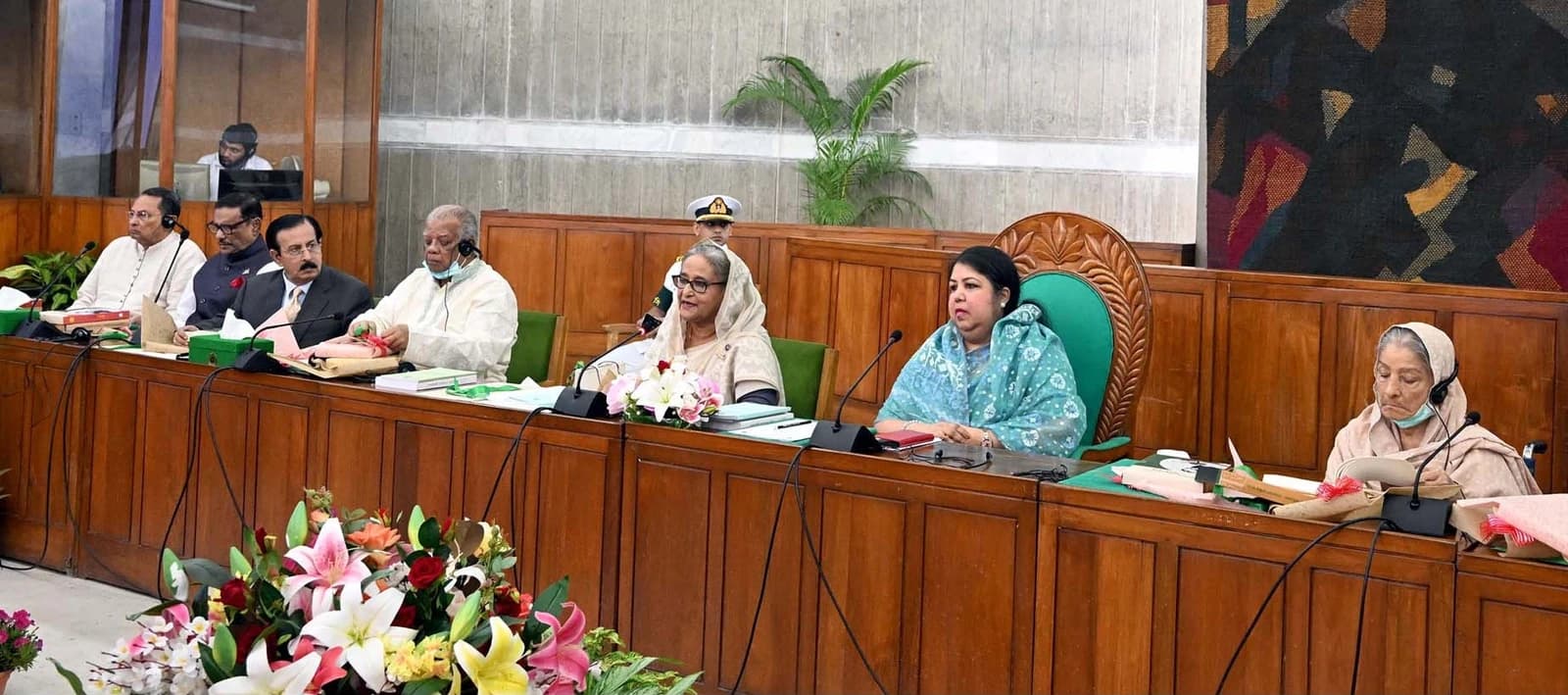
Chief Minister Mohan Yadav issued the instructions after reviewing rainfall and water storage at Mantralaya, saying drinking water must take priority and that water management needs special attention in the affected districts. He also asked officials to involve water user associations and begin work under the state’s Jalganga Abhiyan, which is meant to support employment while addressing water scarcity.
For investors and commodity markets, the immediate readthrough is not just local agronomy but broader food-supply risk. Wheat futures have already been volatile on weather concerns, and any meaningful cut in acreage in a major Indian producing state can tighten domestic availability and keep policymakers alert to inflation. India is usually more insulated from global wheat markets than import-dependent countries, but a weaker rabi season can still affect procurement, storage needs and food price dynamics.
The move also underscores the economic cost of erratic rainfall in a state where agriculture remains highly water-sensitive. If farmers rotate toward less thirsty crops, it may help conserve reservoirs and protect household supply, but it could also reduce income if alternative crops do not match wheat’s economics or if market support is weaker. The state is trying to balance those competing demands before sowing decisions are locked in.
For now, the policy is a defensive one: conserve water first, plant wheat later only where conditions allow. The next catalyst will be how much rainfall the district reservoirs and groundwater systems can still absorb before the rabi season begins, and whether the guidance becomes a temporary warning or a broader acreage shift that feeds into national grain supply expectations.
| Entity | Gains | Losses |
|---|---|---|
| Madhya Pradesh government | ▲Water security | ▼Wheat acreage |
| Farmers in dry districts | ▲Access to water | ▼Wheat yield potential |
| Consumers/policymakers | ▲Lower drought risk | ▼Crop supply uncertainty |
| Wheat futures/bulls | ▲Weather-driven volatility | ▼Clear supply visibility |