India’s next big power trade is not just more solar and wind — it is whether nuclear can be made cheap enough to displace coal at scale.
India nuclear buildout could challenge coal
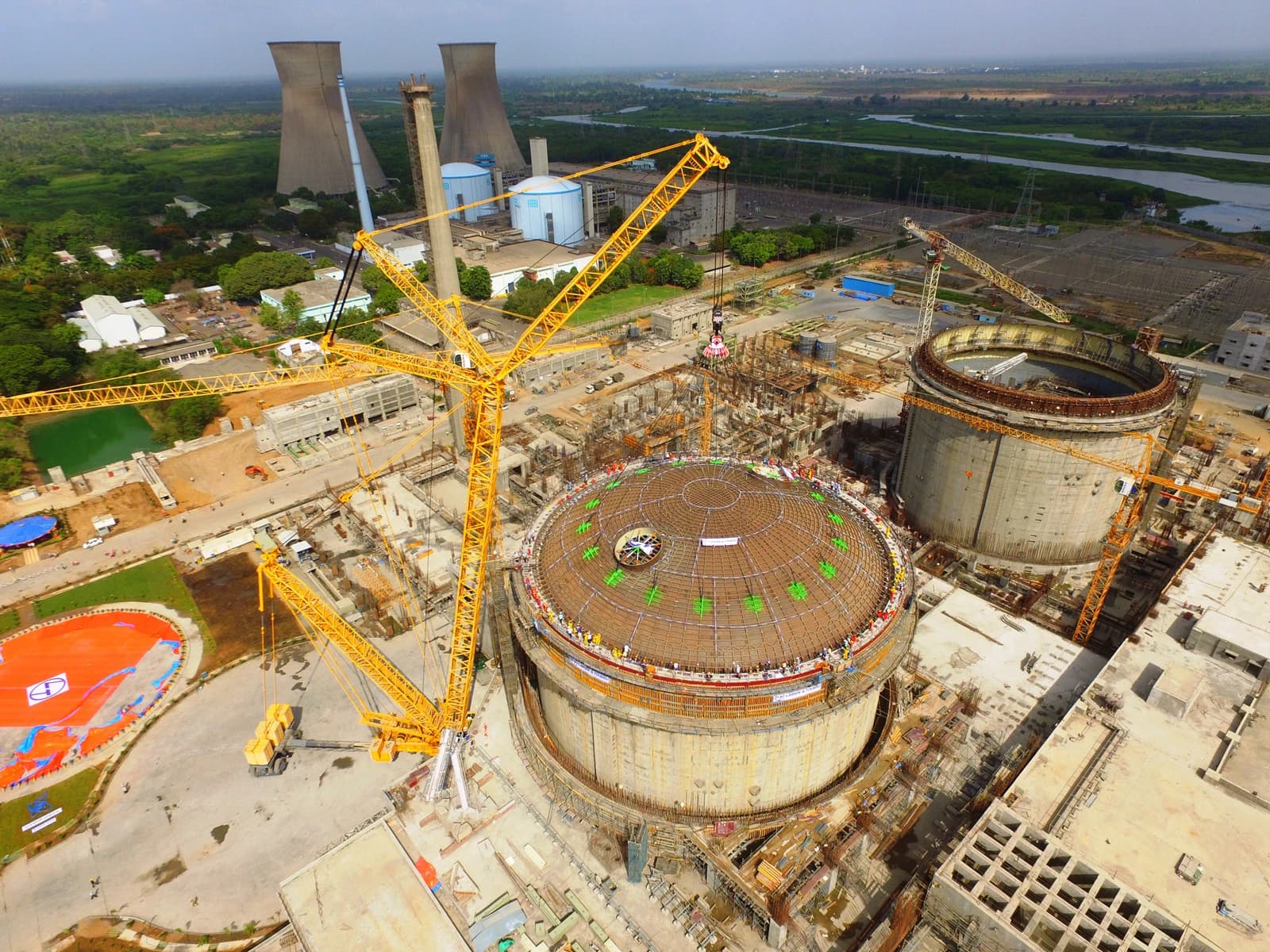
That is the investment case Sumant Sinha, chairman and chief executive of ReNew, put on the table at the Bloomberg New Economy Forum, arguing that India’s long-term energy security and decarbonization goals would be better served by a much larger nuclear buildout if project costs fall. The market should not dismiss that as policy rhetoric. If nuclear construction becomes materially cheaper, it could unlock a multi-decade capex cycle across reactors, equipment, fuel handling and grid infrastructure while putting pressure on coal demand growth.
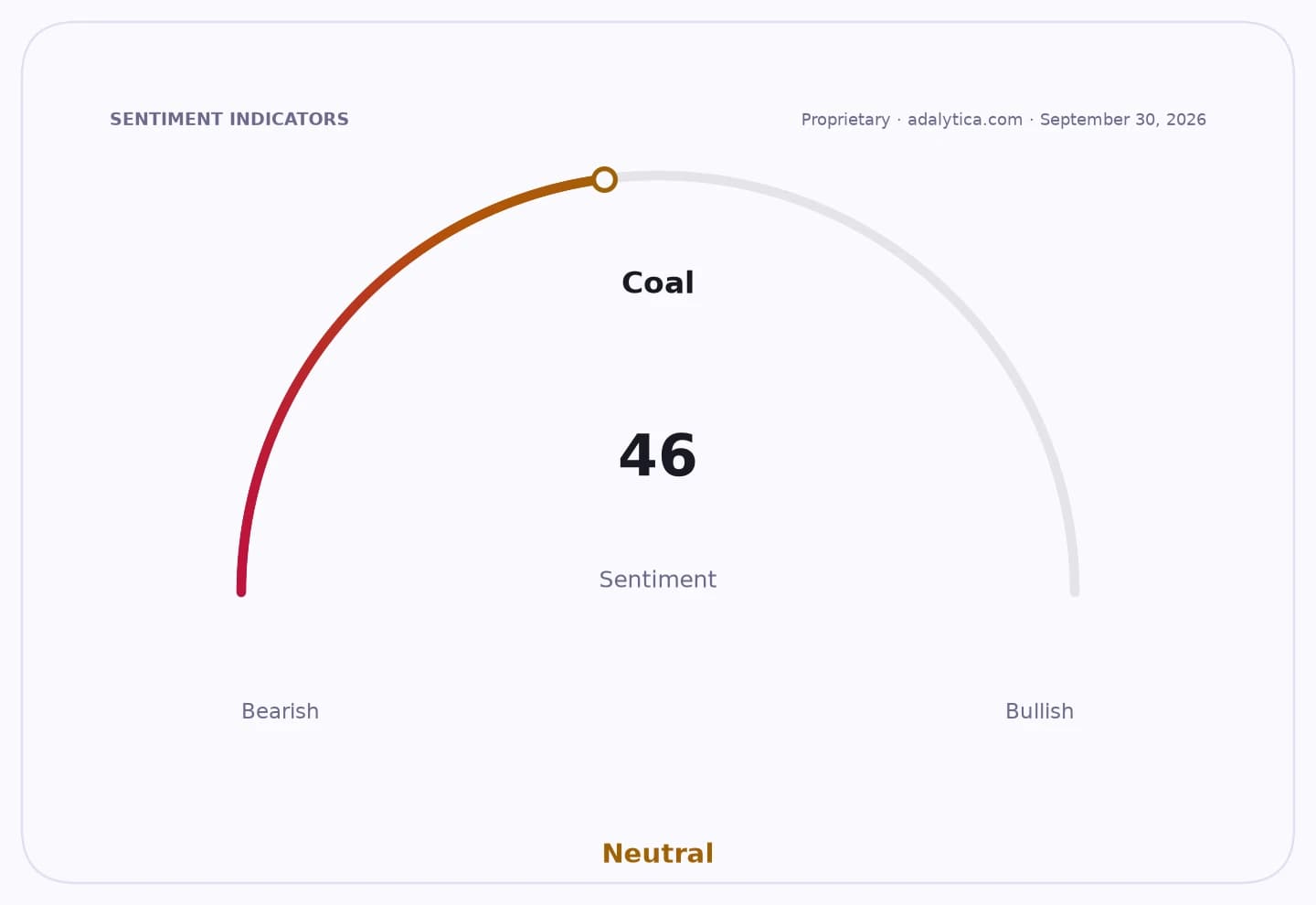
Sentiment IndicatorsⓘProprietary · adalytica.com · October 17, 2026
This is a snapshot — live sentiment, awareness and momentum for 130+ markets update continuously in the dashboard.Open AlphaPulse
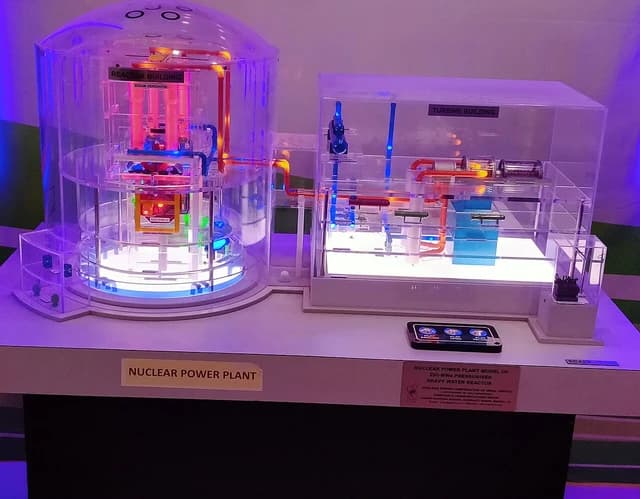
India currently has less than 10 gigawatts of nuclear capacity, Sinha said, a tiny base for an economy where electricity demand is still climbing. He said the country wants 100 GW of nuclear capacity over the next 20 years, a tenfold expansion that would require a huge reordering of capital allocation in the power sector. The Central Electricity Authority has estimated that vision would need about 15 lakh crore rupees, or roughly $180 billion, underscoring that this is not a marginal policy tweak but a strategic infrastructure program.
The argument matters because coal still anchors India’s baseload power system, even as the country adds renewable capacity at pace. If nuclear power can eventually compete on cost, it offers something solar and wind alone cannot: firm, dispatchable generation without the carbon intensity of coal. That makes it a potential bridge between climate targets and the brutal arithmetic of round-the-clock industrial power demand.
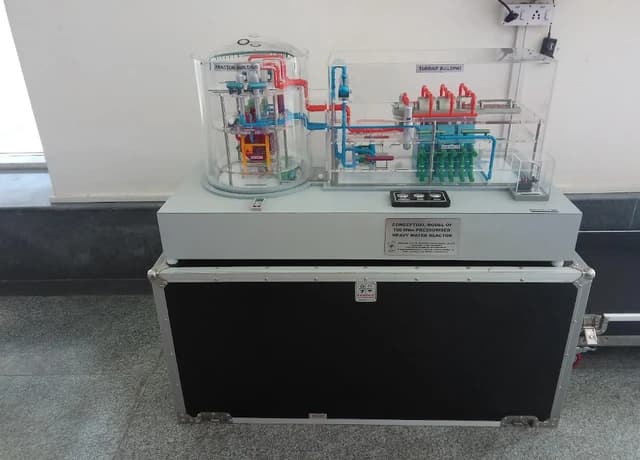
For investors, the real opportunity is in the second-order winners, not the headline debate. The market often prices nuclear as a niche Western utility story, but India’s scale changes the math. A credible nuclear expansion would be bullish for reactor builders, uranium suppliers, fuel-cycle companies and industrial groups with engineering and project-execution exposure. It would also create a long-duration threat to coal-linked assets and any business tied to new thermal capacity.
ReNew itself sits at the center of that transition narrative. The company has built its brand on clean power, but Sinha’s comments show how the next phase of India’s energy mix may be less about an either-or choice between renewables and baseload and more about a portfolio approach that includes nuclear as a reliable complement. That is important because India cannot run its economy on intermittent generation alone if it wants manufacturing growth, AI data centers and electrified transport to scale without grid stress.
The broader market backdrop also favors the nuclear thesis. Coal supply to power plants has improved and stocks are stable above 18 million tons, which may reduce immediate blackout risk, but it does not solve the long-term question of how India powers growth without locking in emissions. At the same time, proprietary indicators from Adalytica.com show coal sentiment at extreme greed while global stability sentiment remains in fear — a combination that often marks a market focused on near-term fuel security over longer-term structural shifts.
That is exactly where the opportunity lies. If policymakers and developers can drive nuclear construction costs down from today’s elevated levels, the sector could move from policy discussion to investable infrastructure story. My view is that investors should be looking ahead now: the biggest gains are likely to come from the picks-and-shovels businesses that enable a nuclear buildout, while coal’s strategic value fades as India seeks a cleaner, more resilient base-load mix.
| Entity | Gains | Losses |
|---|---|---|
| Nuclear developers | ▲Long-duration capex cycle | ▼Coal generators |
| Uranium suppliers | ▲Higher fuel demand | ▼Thermal coal producers |
| ReNew and peers | ▲Clean baseload optionality | ▼Pure-play intermittent power model |
| India power consumers | ▲More reliable grid supply | ▼Legacy coal-heavy assets |