US Secretary of State Marco Rubio is heading back to India for the second time in five months, but the stop highlights as much as it advances the relationship: Washington is leaning on a tighter, more transactional agenda that centers on energy, trade and advanced technology, while leaving the capital off the itinerary.
Rubio India trip centers on energy and tech talks
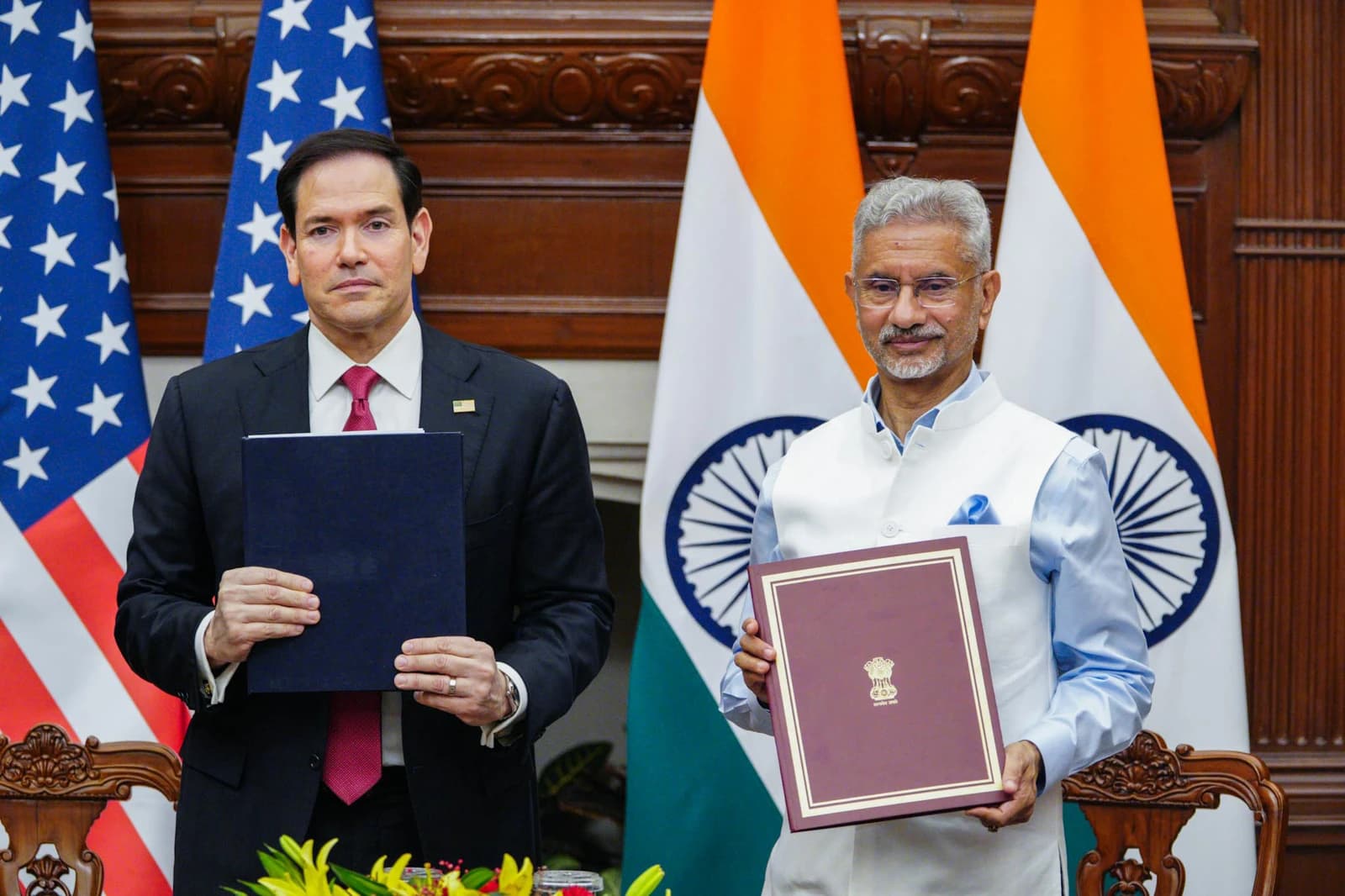
Rubio’s trip, expected in October, will take him to Mumbai and Gujarat’s Jamnagar after a stop in Uzbekistan for a C5+1 meeting with Central Asian counterparts. The absence of New Delhi is notable because it suggests the US is prioritising business and strategic engagement outside the political theatre of the capital, even as both sides try to keep momentum in a relationship complicated by stalled trade talks and rising friction over tariffs and market access.
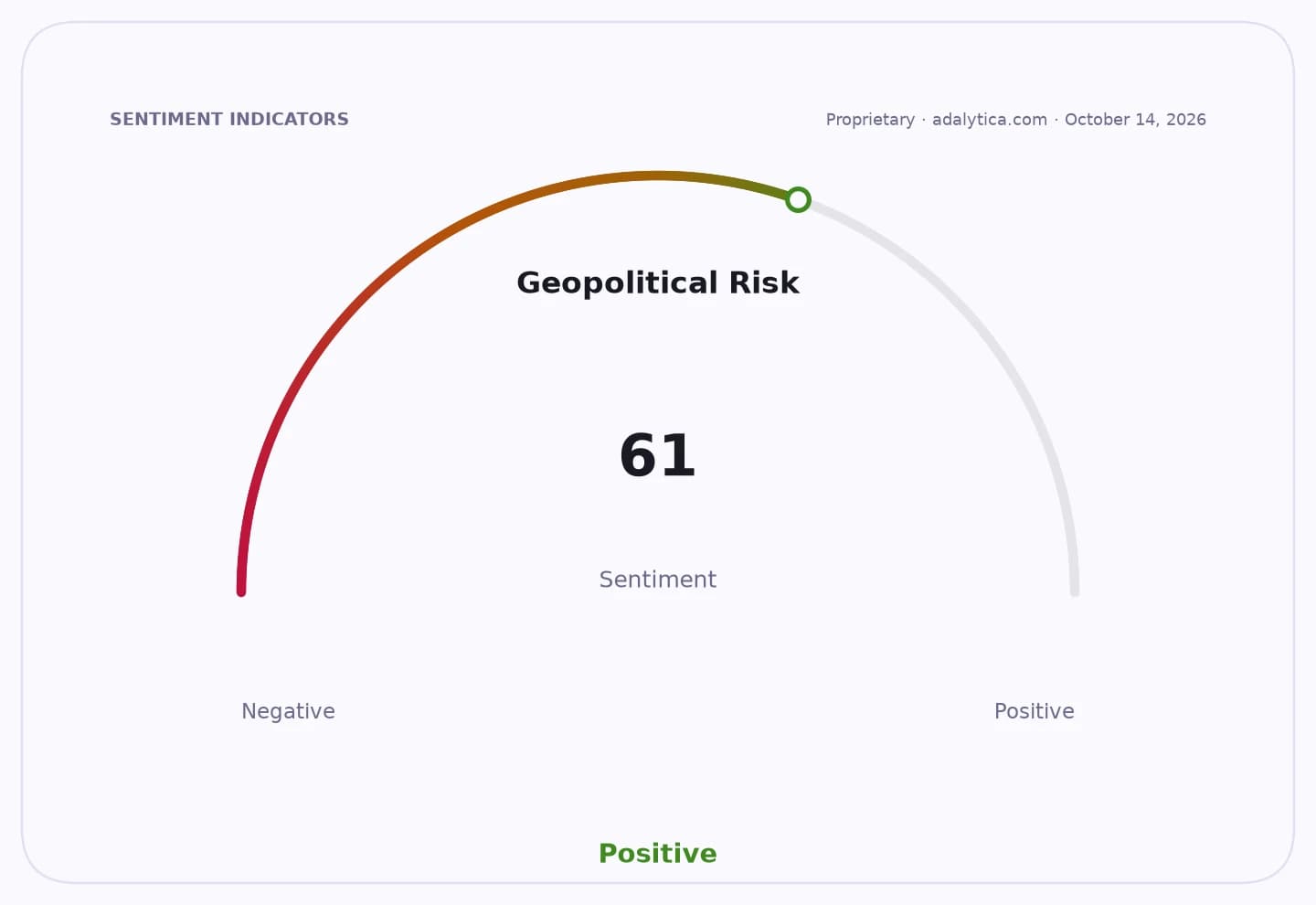
Sentiment IndicatorsⓘProprietary · adalytica.com · October 14, 2026
This is a snapshot — live sentiment, awareness and momentum for 130+ markets update continuously in the dashboard.Open AlphaPulse
The visit matters economically because India and the US are trying to move beyond broad rhetoric and into specific commercial lanes. According to the brief, energy cooperation will be a key theme, alongside meetings with business leaders to promote investment and economic ties. That comes at a time when India has expanded its crude oil trade network to 43 countries and is actively diversifying its external economic relationships, including with the UAE and European partners. For New Delhi, deeper US engagement in energy and technology can help reduce supply-chain risks and attract capital; for Washington, it opens a market central to its Indo-Pacific strategy and a potential counterweight to China.
Rubio’s itinerary also puts advanced technology cooperation back in focus. Before his arrival, a US National Security Council delegation is expected to visit India to prepare for renewed momentum around the TRUST initiative, launched in February 2025 to expand cooperation in semiconductors, artificial intelligence, space and biotechnology. That makes the trip more than a diplomatic gesture: it is part of a broader effort to convert strategic alignment into industrial policy, where access to chips, AI ecosystems and critical technologies increasingly shapes long-term competitiveness.
Still, the relationship is not on a clean upward path. India-US trade negotiations remain stalled, with the US side signaling that no immediate agreement is expected. That keeps a lid on near-term upside for sectors that would benefit from easier market access, while also limiting the chance of a quick political payoff from the visit. Rubio’s second trip this year, then, is less a breakthrough than a stress test of whether the two governments can preserve strategic closeness while real economic disputes remain unresolved.
For investors, the implications run through Indian equities, energy-sensitive industries and technology supply chains. The Indian market has already shown that geopolitics and policy can move sentiment quickly; broader India-focused funds have slipped below their medium-term moving averages in recent trading, while the rupee has recovered some ground but remains below its longer-term trend. That suggests markets are waiting for tangible policy outcomes, not just high-level engagement. A credible push on energy, semiconductors or trade facilitation would likely support India-facing assets and exporters tied to US demand; a symbolic visit with limited follow-through would do little to change the current caution.
The bigger narrative is that US-India ties are becoming more strategic and more selective at the same time. Rubio’s decision to skip Delhi underscores a relationship increasingly built around commercially useful stops, industrial priorities and regional coordination, rather than ceremony. The next catalyst will be whether the talks produce concrete commitments on technology transfer, energy cooperation or trade easing — the kind of outcomes investors can actually price.
| Entity | Gains | Losses |
|---|---|---|
| US and India strategic ties | ▲Deeper commercial engagement | ▼Diplomatic symbolism |
| Indian energy and tech sectors | ▲Potential investment and technology flows | ▼Unresolved trade frictions |
| US exporters and investors | ▲Access to a large growth market | ▼Slow policy conversion |
| India-focused funds/ETFs | ▲Upside from concrete agreements | ▼Choppy sentiment without deliverables |