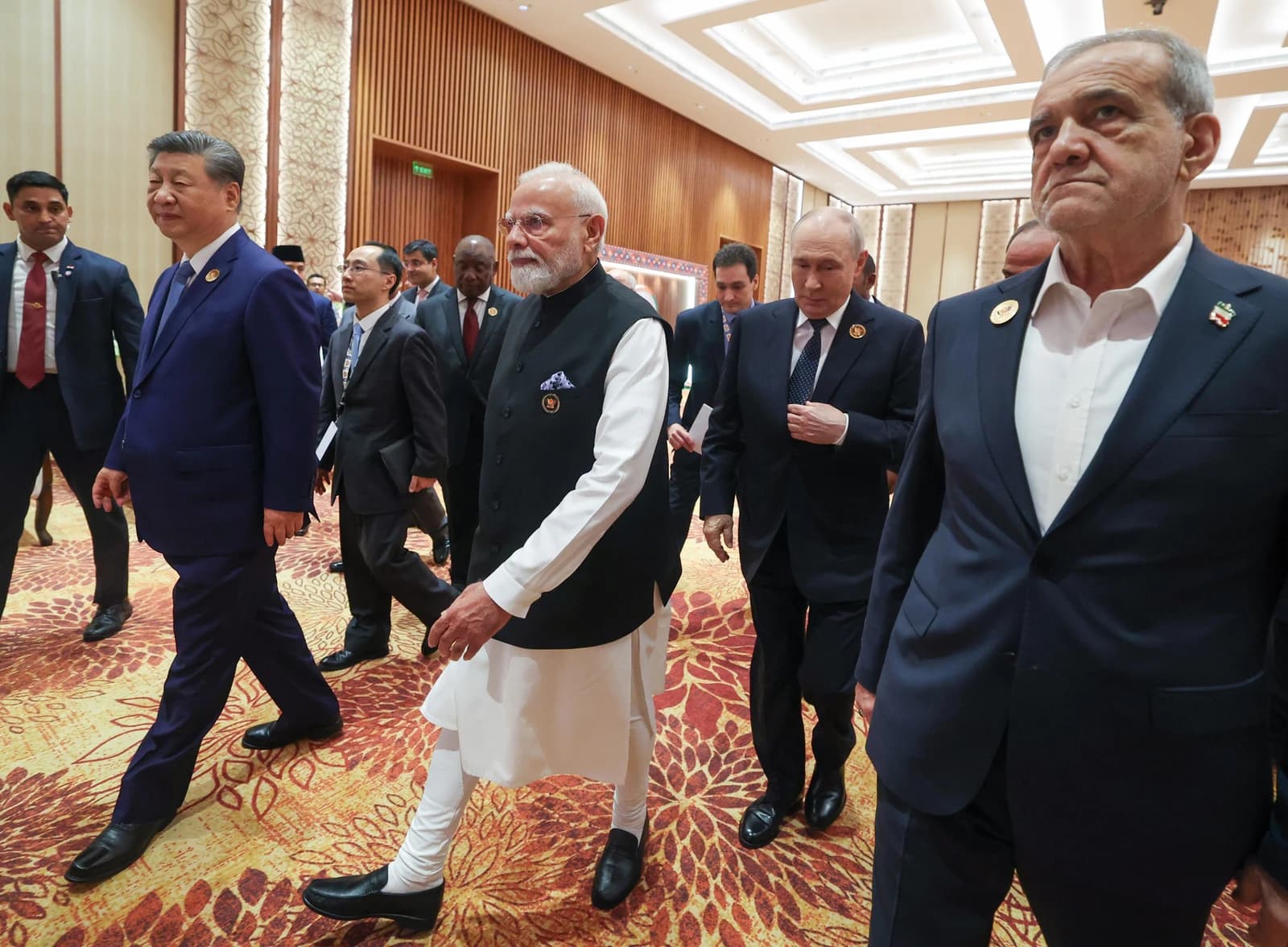
India’s ties with China cannot return to normal unless the border remains stable, Foreign Minister S. Jaishankar said, underscoring how the Himalayan standoff continues to dominate the economic and diplomatic relationship between Asia’s two biggest powers.
India-China ties hinge on border stability
That matters well beyond diplomacy. When the frontier is tense, trade, investment and supply chains all become harder to trust. India may keep buying from China, but the political ceiling on the relationship stays low, and that has real implications for everything from manufacturing strategy to cross-border capital flows.
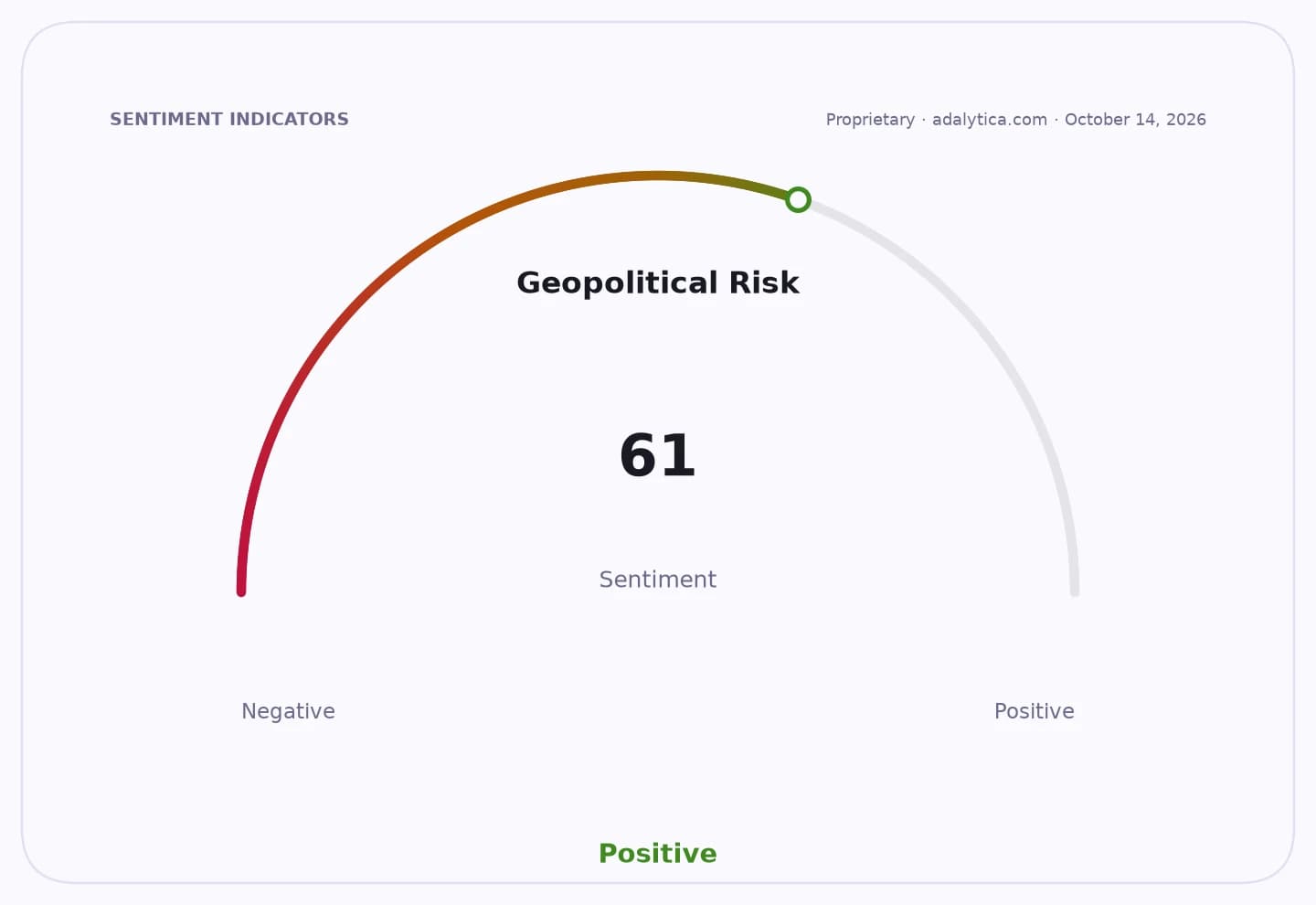
Sentiment IndicatorsⓘProprietary · adalytica.com · October 14, 2026
This is a snapshot — live sentiment, awareness and momentum for 130+ markets update continuously in the dashboard.Open AlphaPulse
Speaking at a private event in New Delhi, Jaishankar said there is no agreed boundary between India and China and recalled that the 45 years between 1975 and 2020 were largely free of deadly border clashes. That changed in 2020, when troops on both sides were killed in fighting during the pandemic period, and it took four years of negotiations to begin restoring stability, he said.
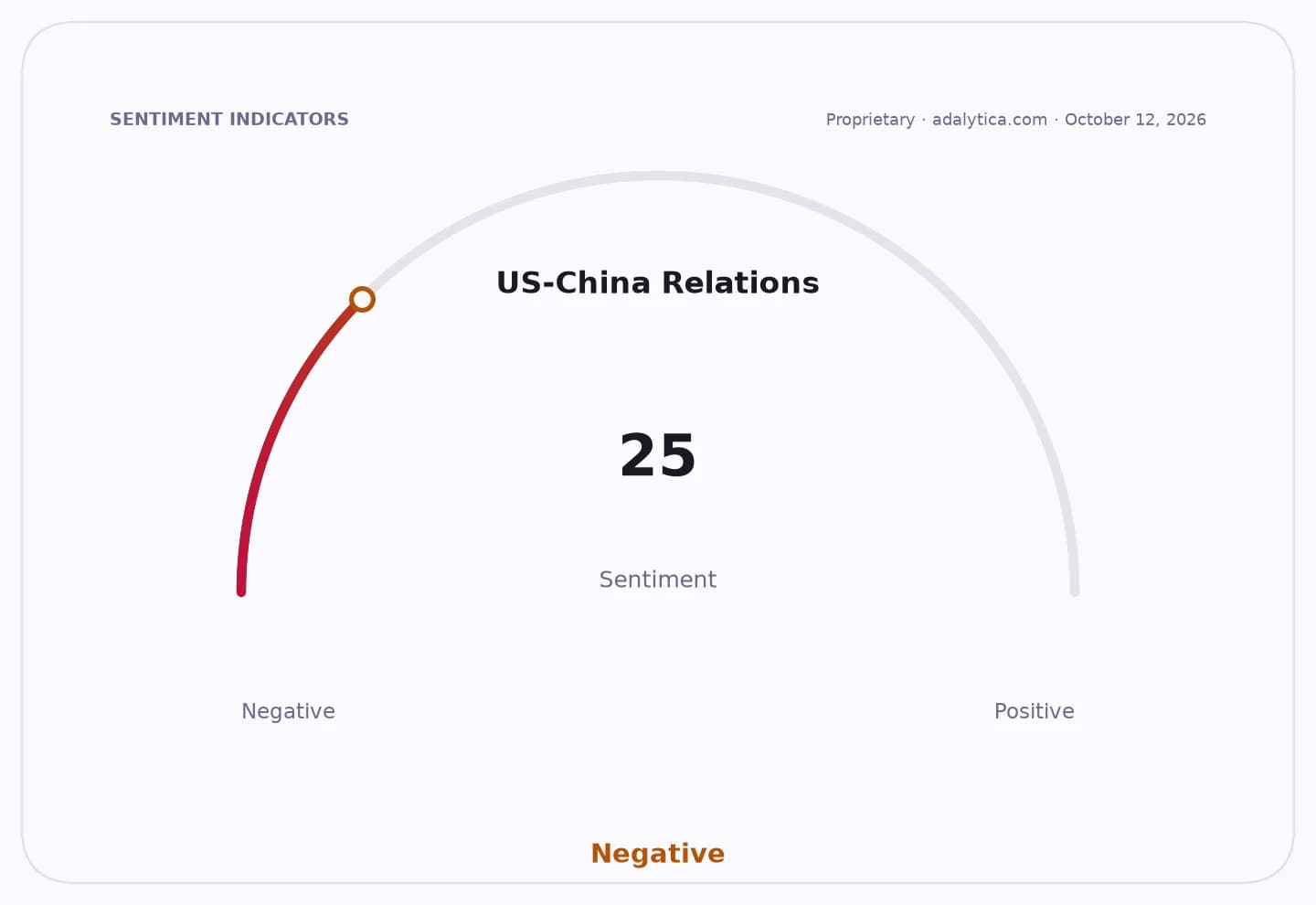
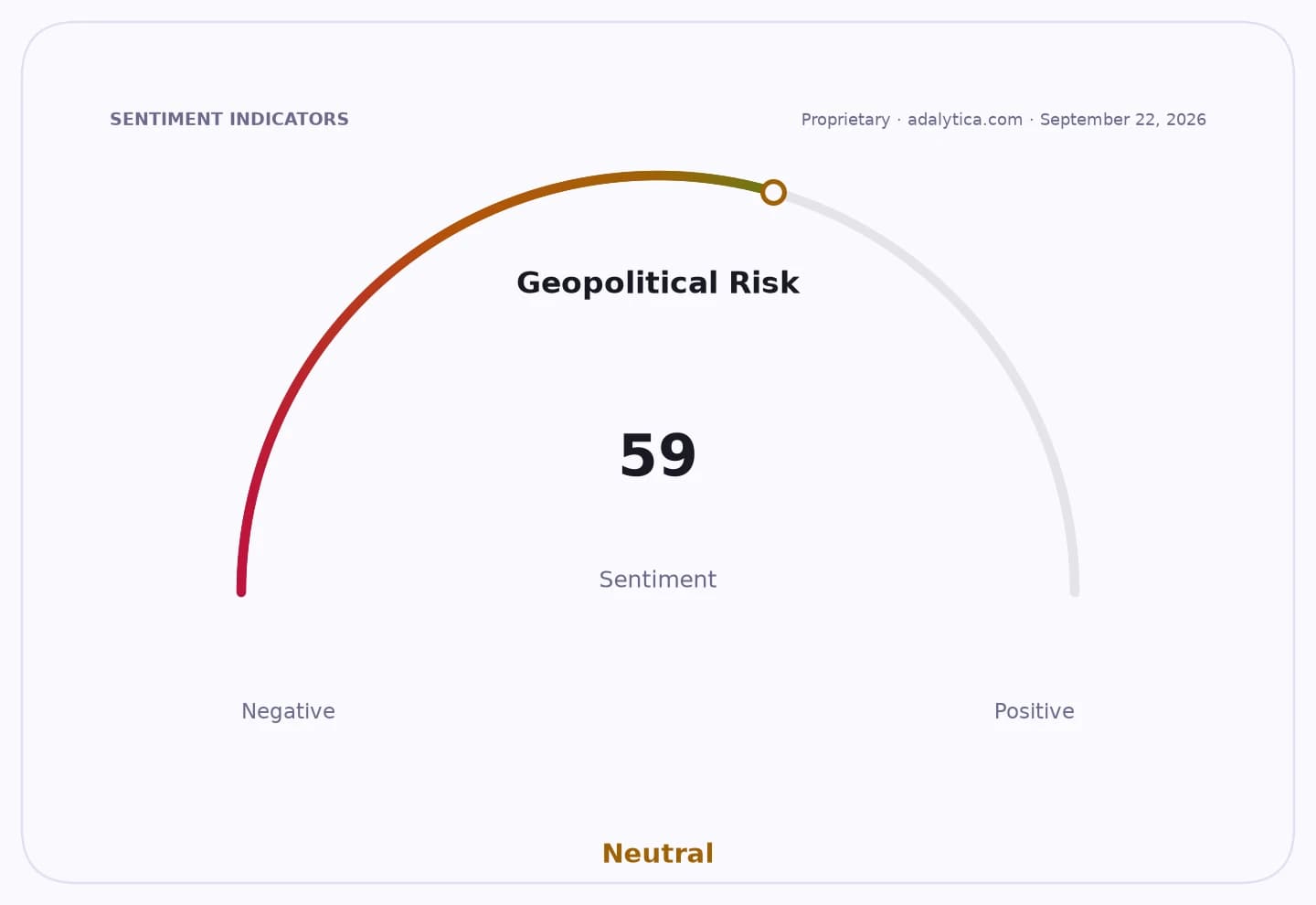
His message was simple: if Beijing wants “normal relations,” it first needs a stable border. For investors, that is the key variable. A durable thaw would reduce geopolitical risk across Indian equities, help sentiment around regional trade, and support industries exposed to China-related sourcing. A renewed freeze, by contrast, would keep a lid on cooperation and reinforce the push for India to diversify supply chains and keep strategic sectors at arm’s length.
The remarks come as New Delhi has also been pressing its sovereignty claims in Ladakh, including its move to standardize the names of 28 sites in the region, which China has called illegal. That dispute shows how fragile any improvement remains. Even modest diplomatic progress can be reversed if the boundary issue flares again, and investors know it.
The broader market read is that India-China normalization is likely to remain conditional, not transformational. For long-term investors, that makes the bigger story less about a headline meeting and more about a slow, uneven restructuring of Asian trade and production networks. The border may be the immediate issue, but the investment consequence is persistent uncertainty — and that is exactly why the relationship still deserves a close watch.
| Entity | Gains | Losses |
|---|---|---|
| India | ▲Strategic leverage | ▼Border calm |
| China | ▲Wider access to India ties | ▼Diplomatic flexibility |
| Indian exporters | ▲Lower geopolitical friction | ▼Supply-chain certainty |
| Global investors | ▲Clarity if tensions ease | ▼Stability if clashes recur |