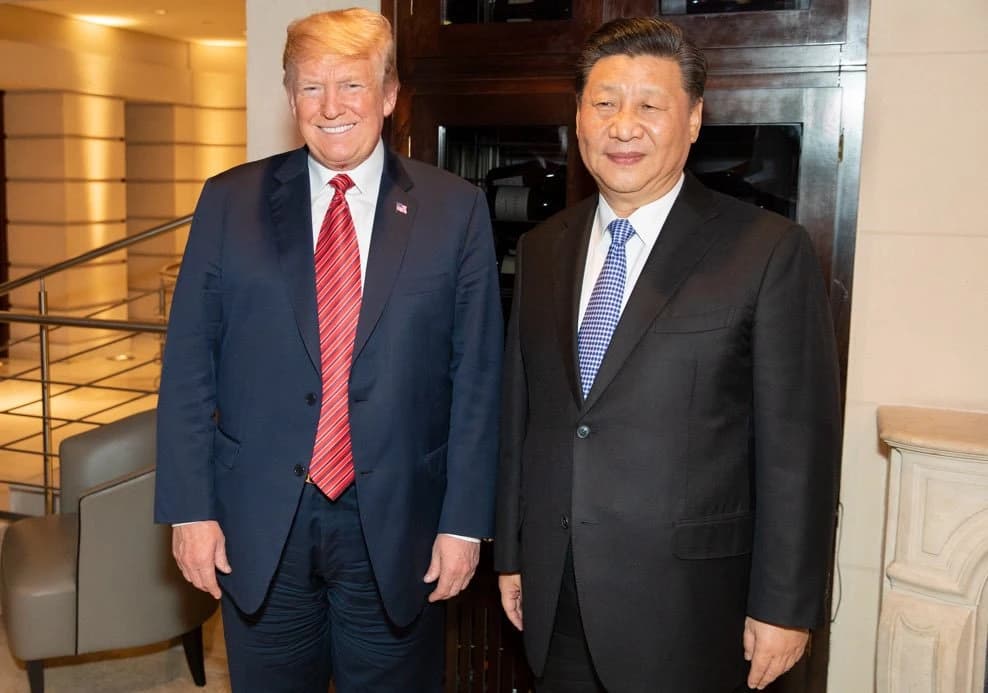
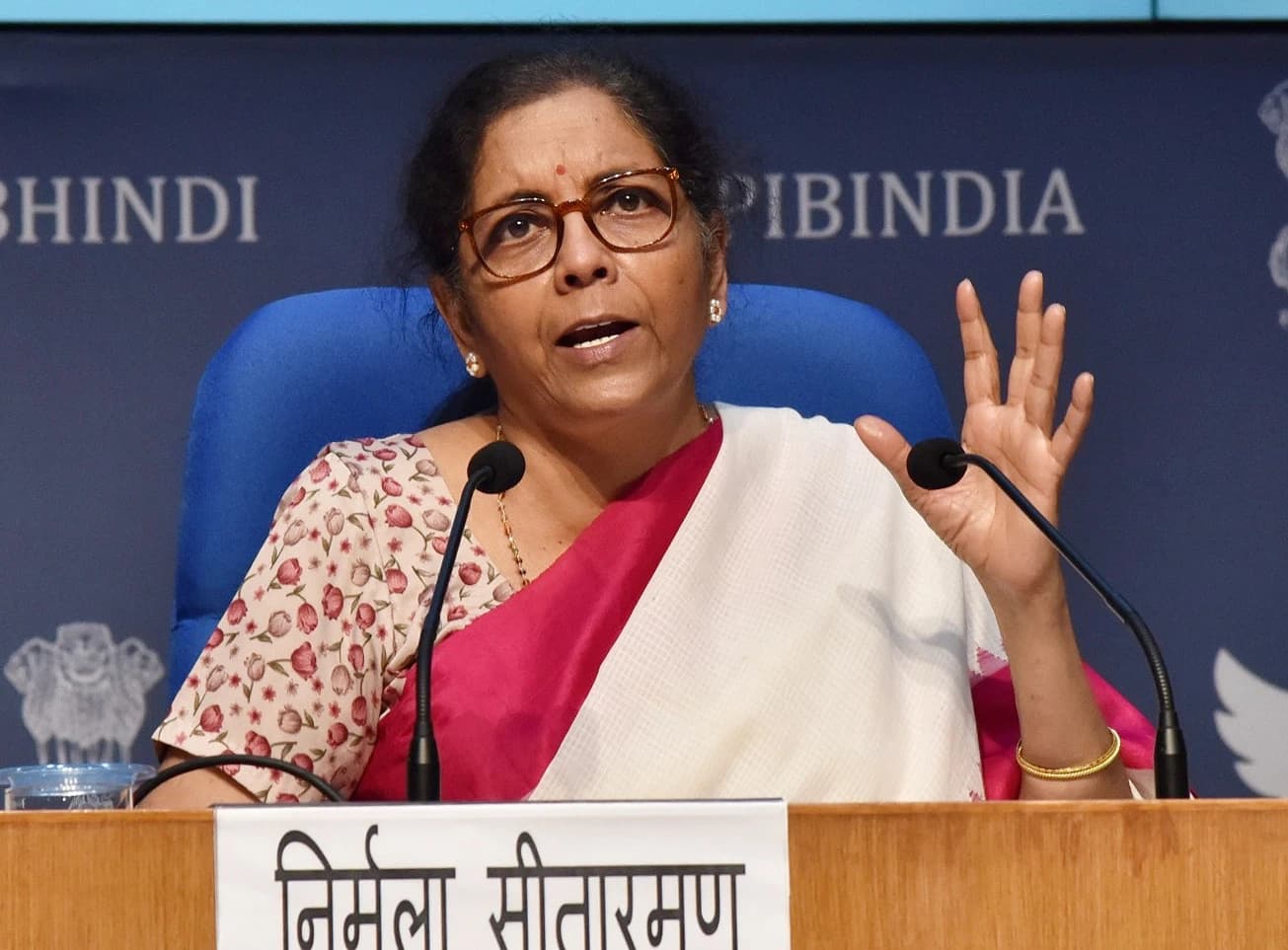
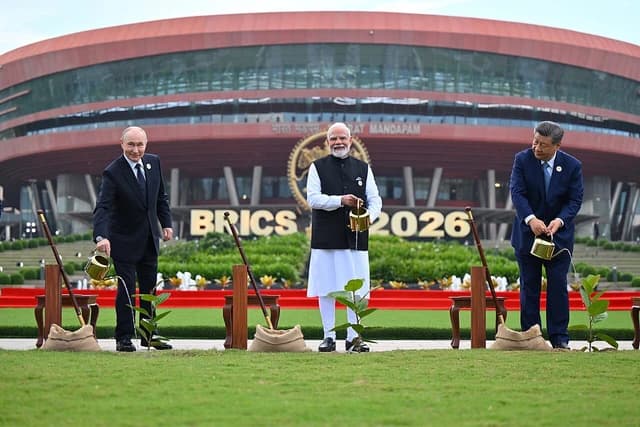
India’s attempt to keep its distance between Washington and Beijing is getting harder as the world’s two biggest economies edge toward a warmer relationship, forcing New Delhi to defend a multipolar foreign-policy line that investors are increasingly treating as a live macro risk.
India ETFs Fall as US-China Tensions Ease
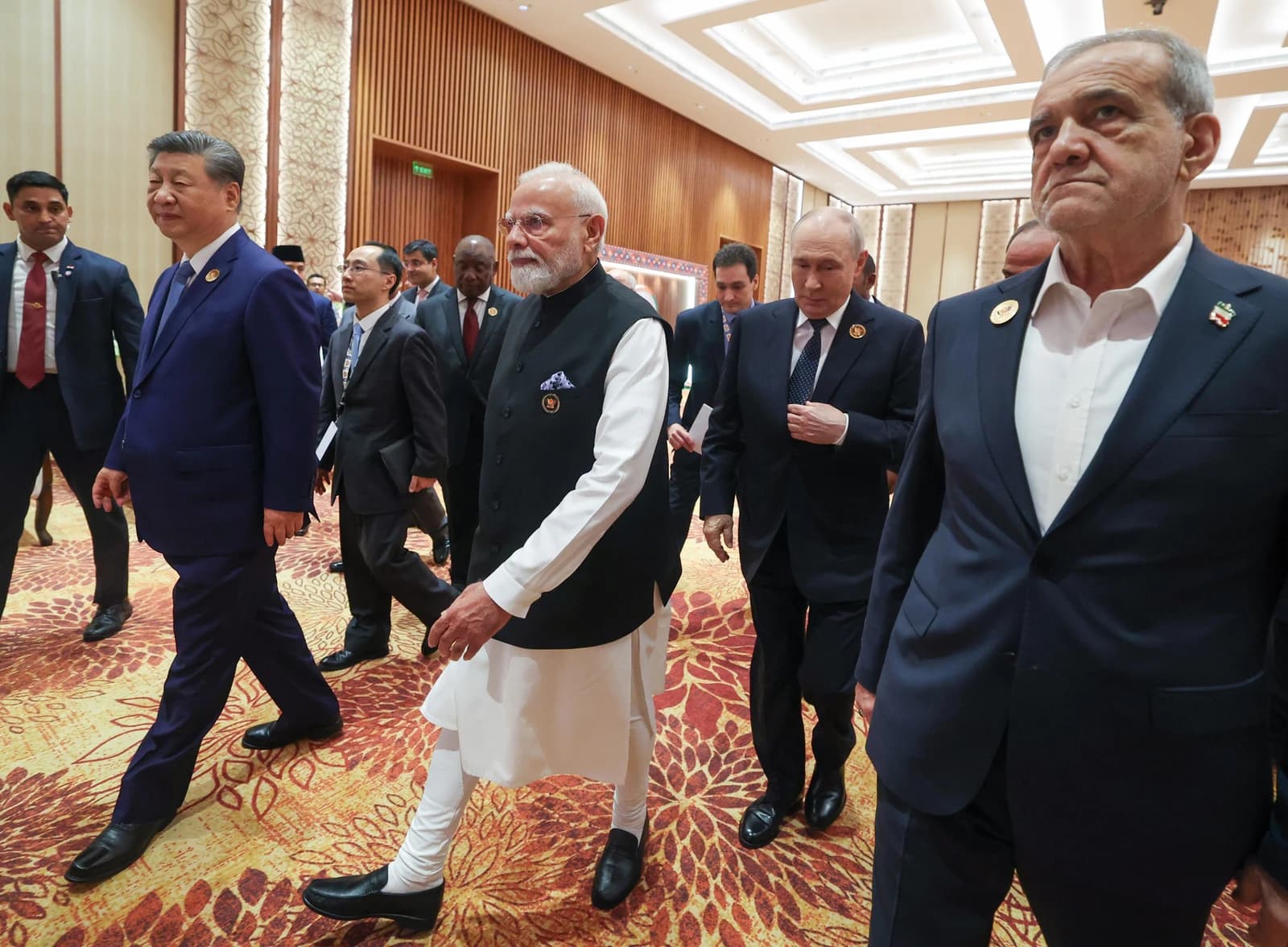
The shift matters because India has benefited from being seen as a strategic alternative in a divided world, attracting capital and supply-chain interest as companies sought to diversify away from China. If US-China ties improve, that premium can narrow, even if broader geopolitical competition does not disappear.
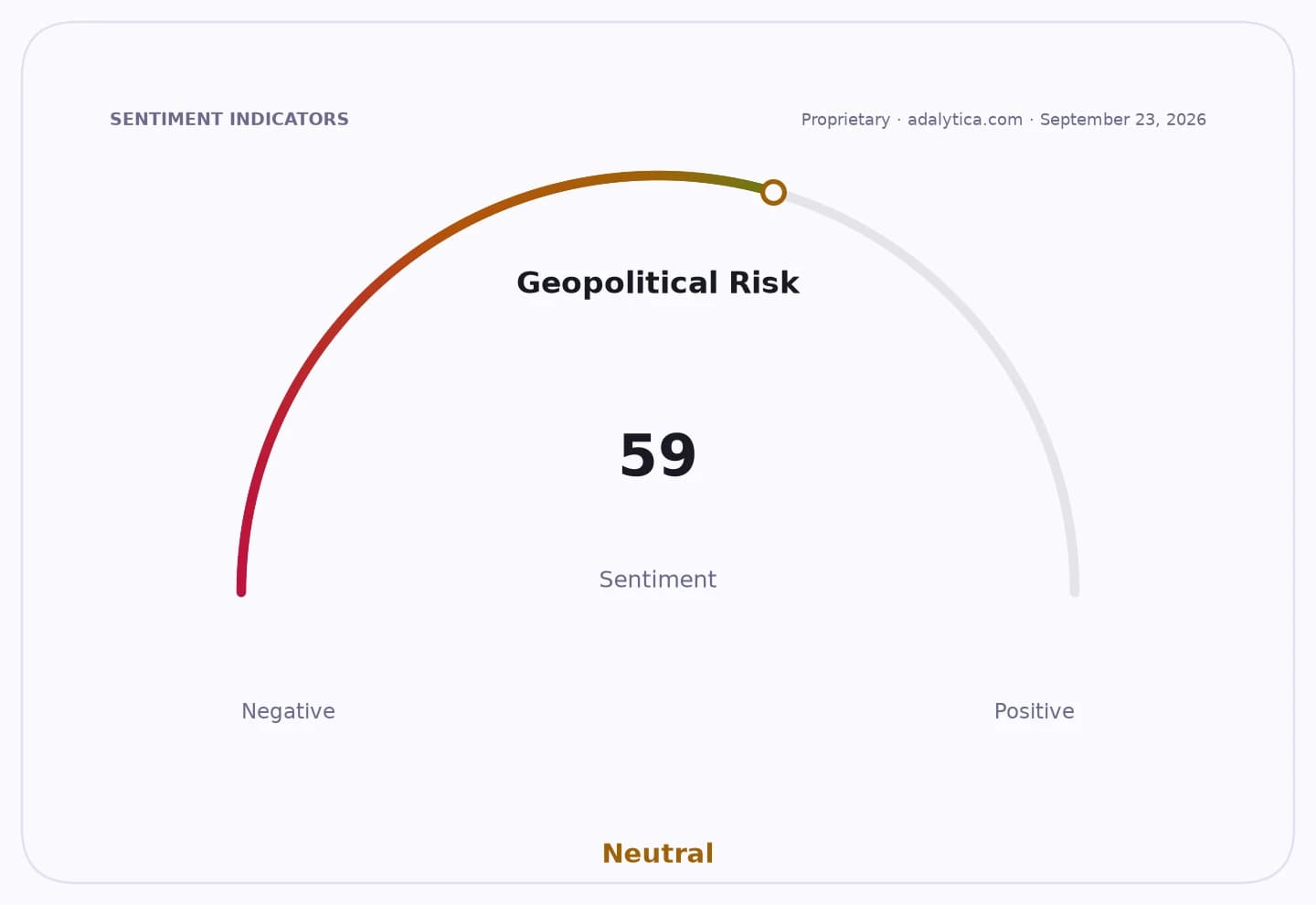
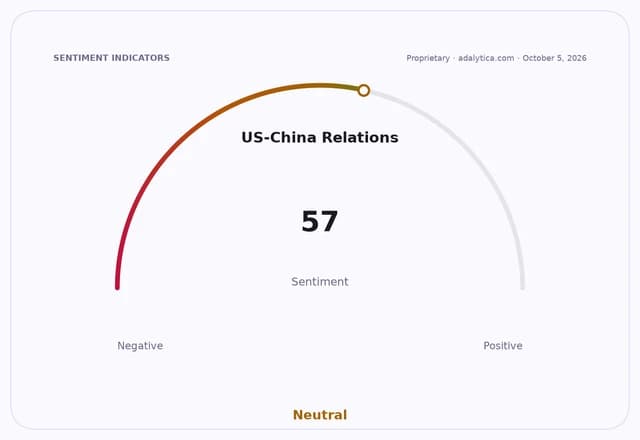
Sentiment IndicatorsⓘProprietary · adalytica.com · October 5, 2026
This is a snapshot — live sentiment, awareness and momentum for 130+ markets update continuously in the dashboard.Open AlphaPulse
That tension is showing up in market proxies for India and China. The iShares MSCI India ETF, ticker INDA, closed at $46.52 on Oct. 2, below its 50-day moving average of $48.99 and 200-day average of $49.85, while the iShares China Large-Cap ETF, FXI, fell to $33.19, also under its 50-day and 200-day averages. The India-focused EPI ETF finished at $40.53, below its 50-day average of $42.51, underscoring how investors are still cautious even as they parse the diplomatic thaw.
Adalytica’s US–China Relations Sentiment gauge stood at 57, a neutral reading, but fell 7 points in a day and 43 points over a week, suggesting the latest improvement is being viewed as fragile rather than decisive. At the same time, Adalytica’s Global Stability Sentiment sat at 4, labeled extreme fear, highlighting how much geopolitical uncertainty still hangs over cross-border capital flows.
For India, the economic stakes are straightforward. A more functional US-China relationship could reduce the urgency behind supply-chain shifts, weaken the case for treating India as the main beneficiary of “China plus one” diversification and complicate New Delhi’s effort to present itself as an indispensable pole in a less aligned global order.
Investors will be watching whether the diplomatic thaw translates into trade, investment and technology cooperation, or whether it remains a tactical pause in a broader rivalry. For now, the market message is that India’s multipolar pitch still has buyers — but not enough to shake off a world that remains structurally bipolar.
| Entity | Gains | Losses |
|---|---|---|
| US and China | ▲Lower tension, trade stability | ▼Less leverage from confrontation |
| India | ▲Diplomatic room to maneuver | ▼“China plus one” premium |
| Chinese exporters | ▲Easier market access | ▼Less pressure for supply-chain exit |
| India-focused ETFs | ▲Relative-policy attention | ▼Risk of capital rotation away from India |