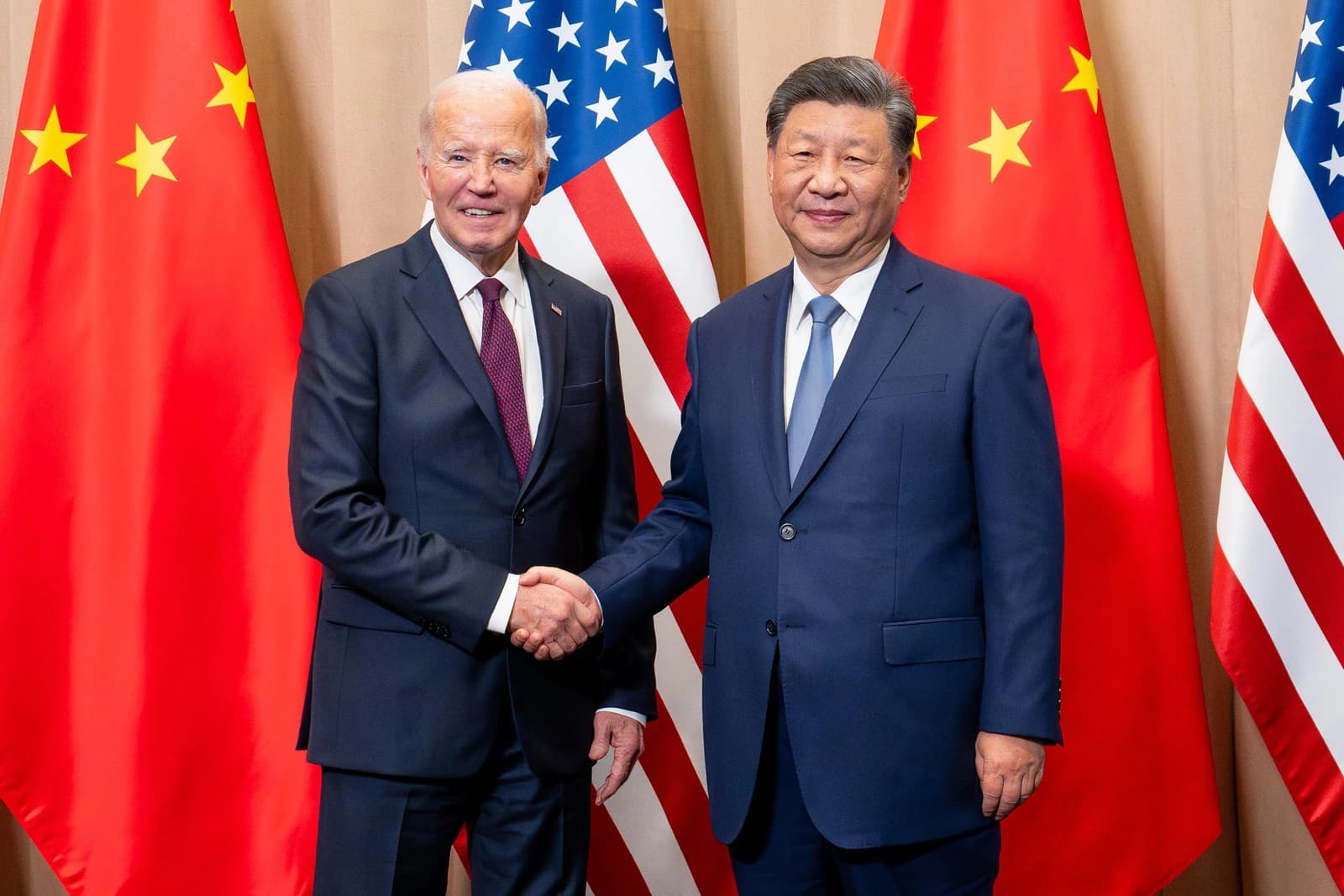
The surprise optics of Donald Trump and Xi Jinping meeting face to face again have sharpened the market’s focus on whether Washington and Beijing are moving toward a broader accommodation that could reshape trade flows, technology controls and the strategic space available to India.
US-China Talks Could Weigh on India and Taiwan
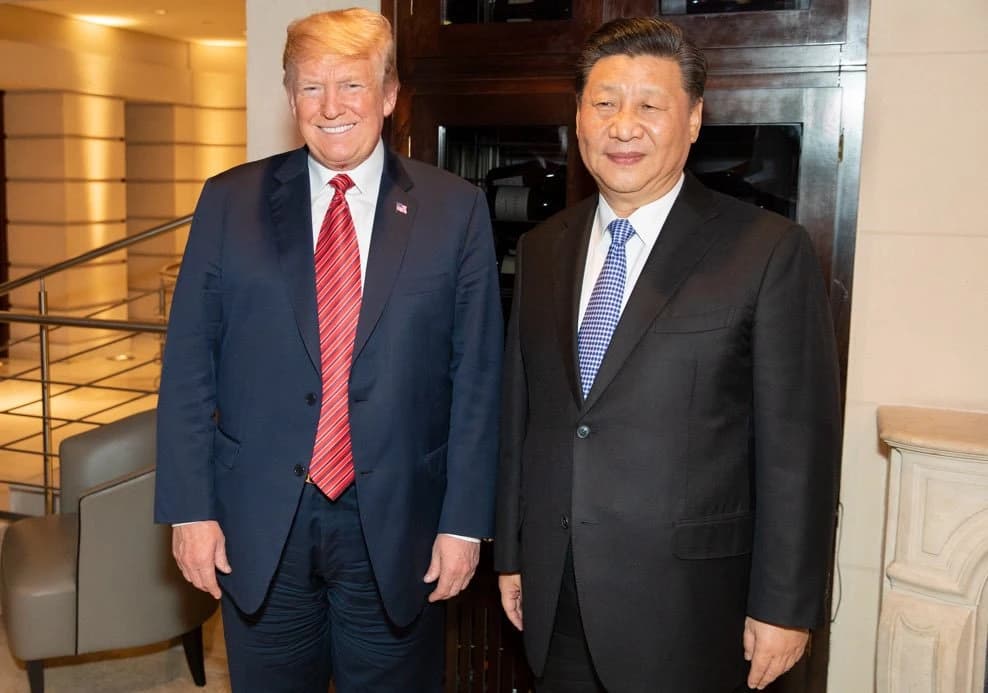
That matters because any US-China thaw would not just ease pressure on global supply chains; it could also redirect capital, manufacturing and diplomatic leverage away from the India-friendly “China plus one” trade that has lifted expectations for exporters, electronics assemblers and Indian equity inflows over the past two years. A deeper deal between the world’s two largest economies could lower tariff friction and support risk appetite, but it could also reduce the urgency for multinationals to diversify out of China.
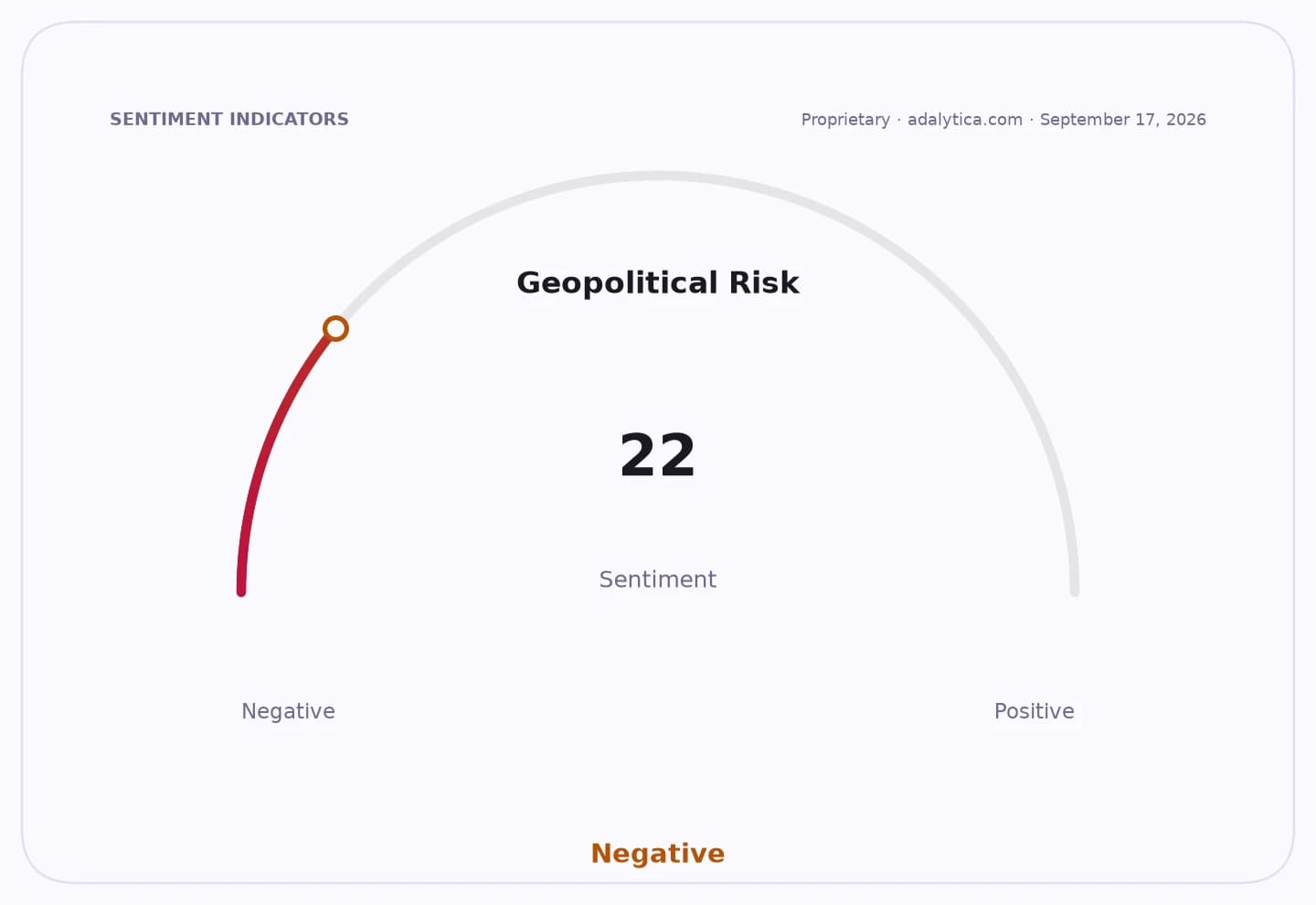
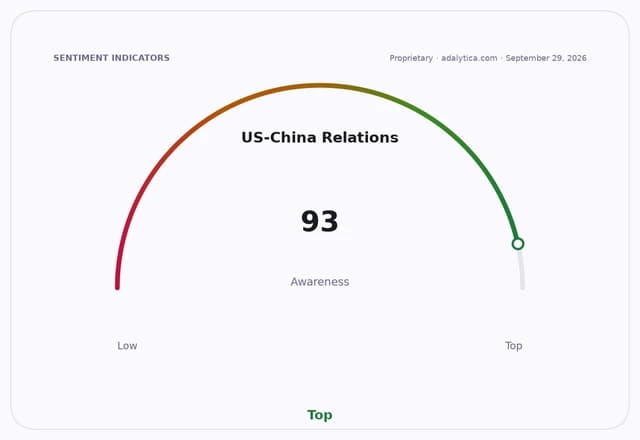
Sentiment IndicatorsⓘProprietary · adalytica.com · September 29, 2026
This is a snapshot — live sentiment, awareness and momentum for 130+ markets update continuously in the dashboard.Open AlphaPulse
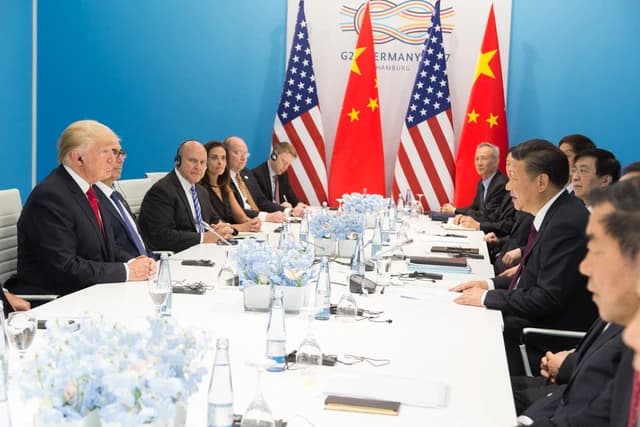
The meeting comes against a backdrop of a still-fragile trade truce between the two powers and renewed concern about Taiwan, where tensions remain a live geopolitical risk even as both sides have signaled a willingness to keep economic channels open. Market pricing reflects that ambivalence. Shares in the iShares China Large-Cap ETF, FXI, have stayed below their 200-day moving average at $36.14, closing at $33.71 on Sept. 29, with RSI readings around 40.5 and a negative MACD, suggesting investors remain cautious despite periodic bursts of optimism. By contrast, the iShares MSCI Taiwan ETF, EWT, has held up far better, trading at $113.84 and well above its 200-day moving average of $87.96, while India’s INDA has weakened to $46.87, below both its 50-day and 200-day averages.
That relative performance tells a story: investors are still willing to pay for Taiwan’s role in high-end manufacturing and for India’s structural growth, but they are also hedging against the possibility that a US-China understanding could alter the policy premium embedded in both markets. The Adalytica US-China relations gauge is showing “Extreme Greed” at 89, while the global stability gauge is also high, underscoring a market that sees de-escalation as the near-term base case even as geopolitical risk remains elevated.
For India, the outcome is nuanced. A deal that stabilizes trade could support global growth, keep supply chains moving and reduce the risk of another tariff shock to exporters, all of which would be positive for Indian manufacturers and dollar earners. But if the US and China settle into a more predictable coexistence, some of the strategic advantage India has gained from companies shifting production and procurement away from China could diminish. Sectors tied to electronics, semiconductors, industrials and contract manufacturing would be the most exposed to that reassessment.
The bigger risk is that any attempt at a grand bargain runs into Taiwan. A narrow trade truce is one thing; a geopolitical reset is far harder. That makes the current phase less a clean détente than a tense pause, with investors likely to keep favoring countries and sectors that benefit from diversification, but remain ready for sharp reversals if Washington and Beijing move from tariff management to a broader political bargain.
| Entity | Gains | Losses |
|---|---|---|
| China | ▲Lower tariff pressure | ▼Diversification away from China |
| US multinationals | ▲Supply-chain relief | ▼Bargaining leverage on China |
| India | ▲Trade stability, stronger exports | ▼China-plus-one premium |
| Taiwan | ▲Semiconductor demand stays resilient | ▼Geopolitical risk if deal sidelines security issues |