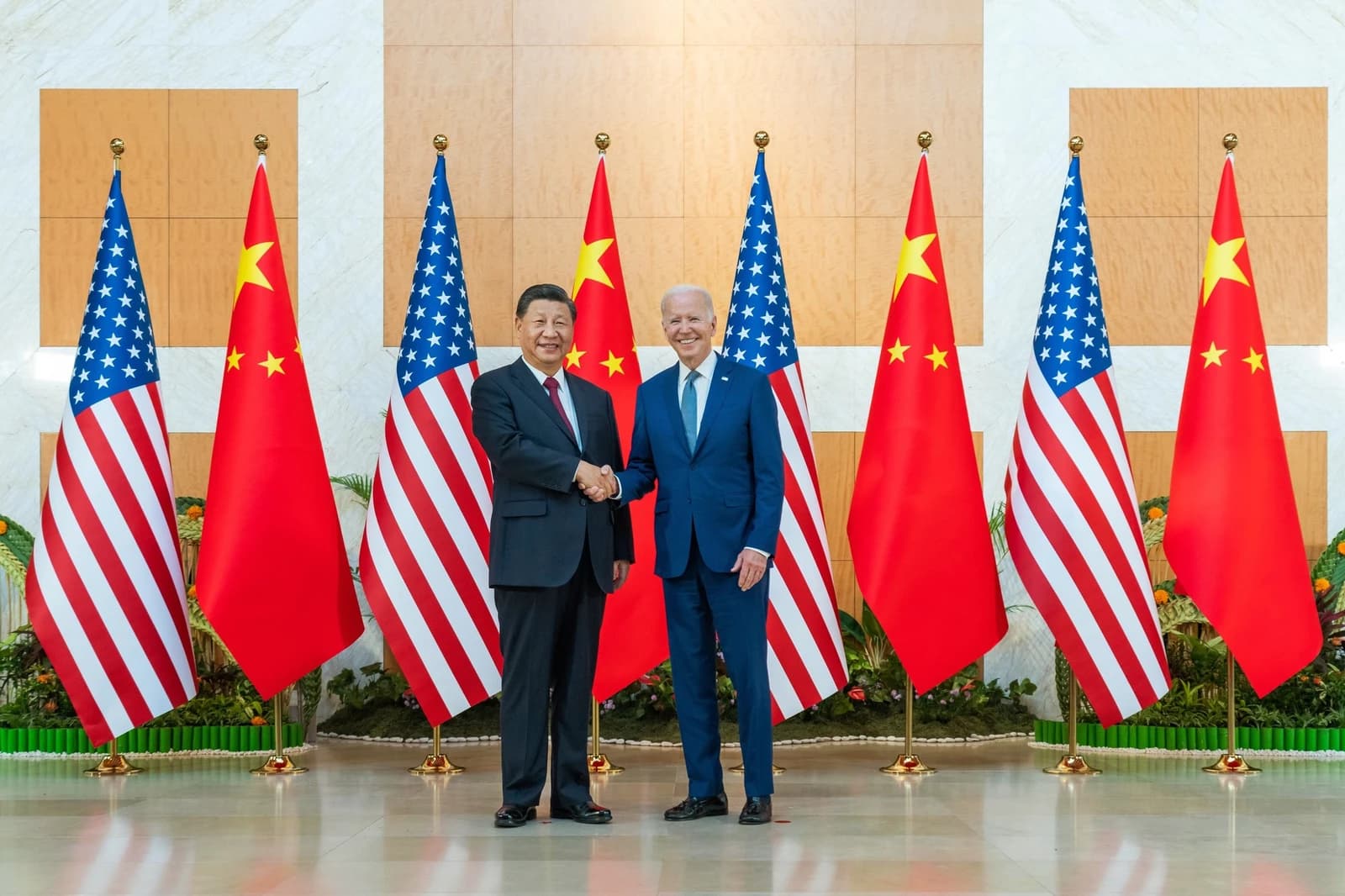
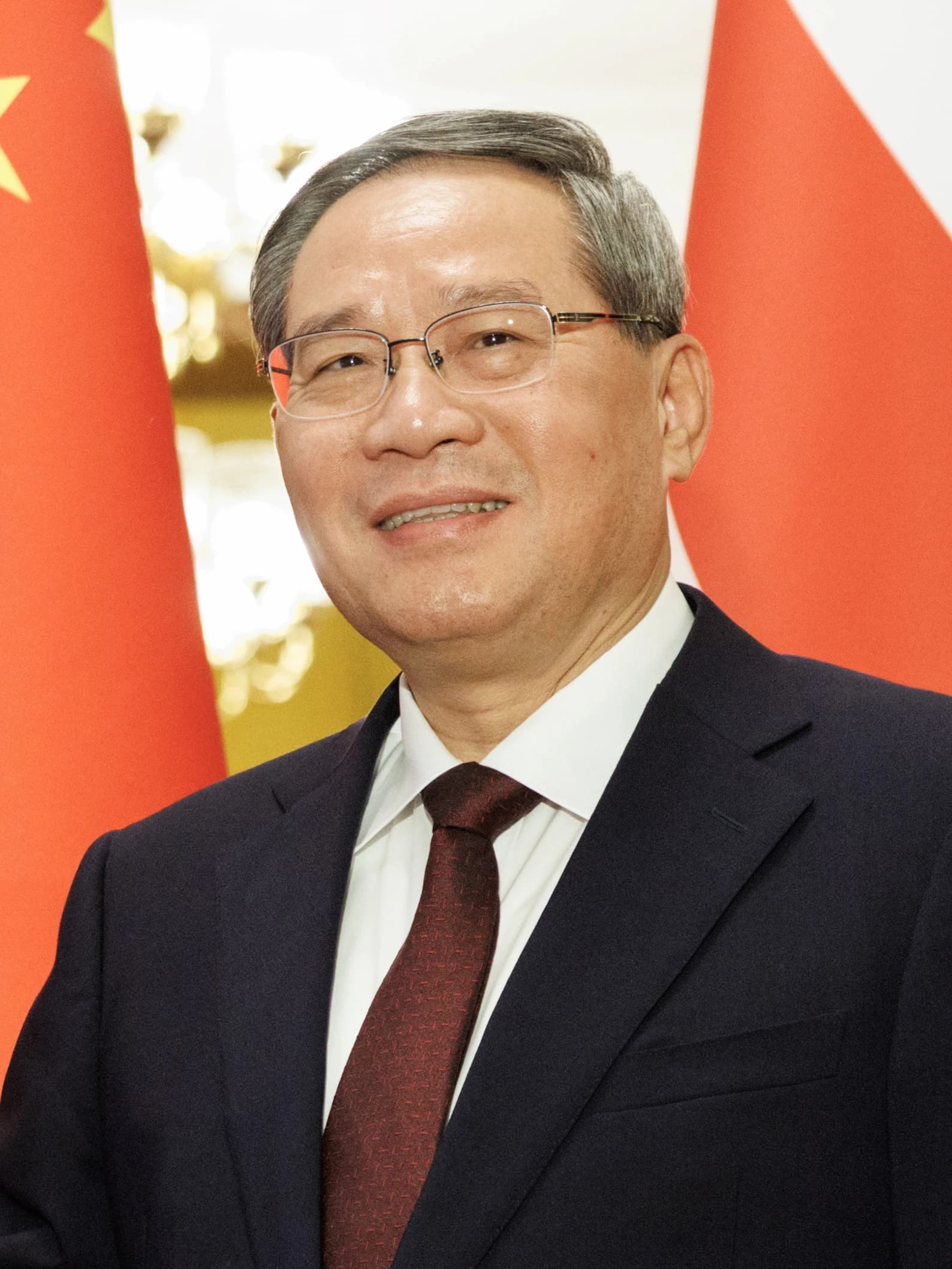
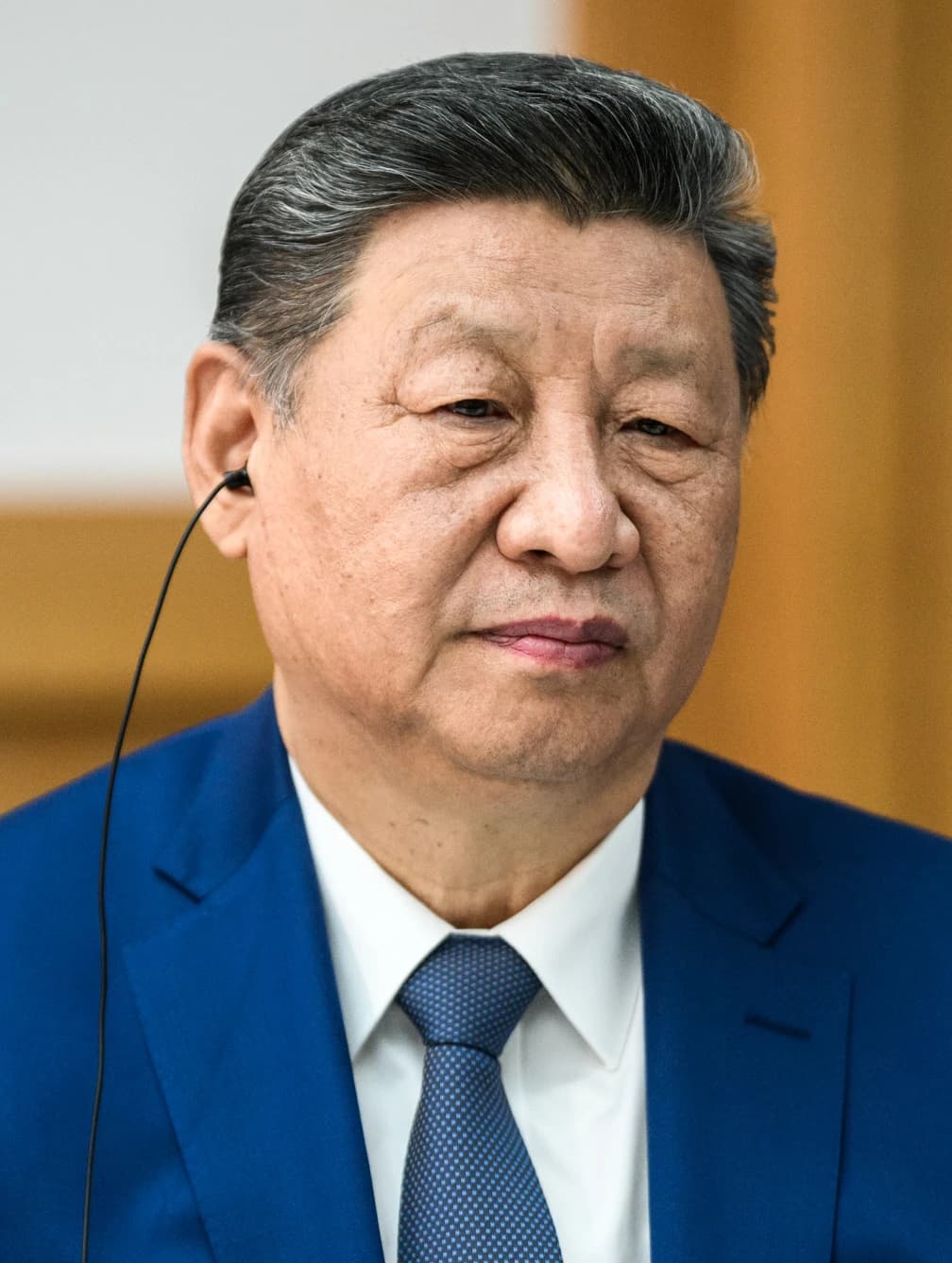
The United States has extended its trade truce with China until Jan. 10, a move that buys the world’s two biggest economies more time to negotiate while removing an immediate tariff shock that had been hanging over markets and supply chains.
US extends China trade truce until Jan. 10
That matters because trade ceasefires are not just diplomatic theater: they directly shape corporate margins, import costs, capital spending plans and the earnings outlook for sectors exposed to China. A longer truce lowers the odds of an abrupt escalation in tariffs, giving multinationals, exporters and commodity producers a clearer runway into year-end and into the next round of talks.
Sentiment IndicatorsⓘProprietary · adalytica.com · September 28, 2026
This is a snapshot — live sentiment, awareness and momentum for 130+ markets update continuously in the dashboard.Open AlphaPulse
For investors, the extension supports the case for staying constructive on global risk assets that are leveraged to a softer trade backdrop. China-focused equities, especially broad benchmarks such as the FXI and MCHI ETFs, have struggled to hold gains, with both trading below their 50-day moving averages and still beneath their 200-day moving averages. FXI closed at 34.17 on Sept. 28, below its 50-day average of 35.21 and its 200-day of 36.16, while MCHI ended at 52.54 versus 54.44 and 56.74, respectively. That tells you the market has not fully priced in a durable thaw.
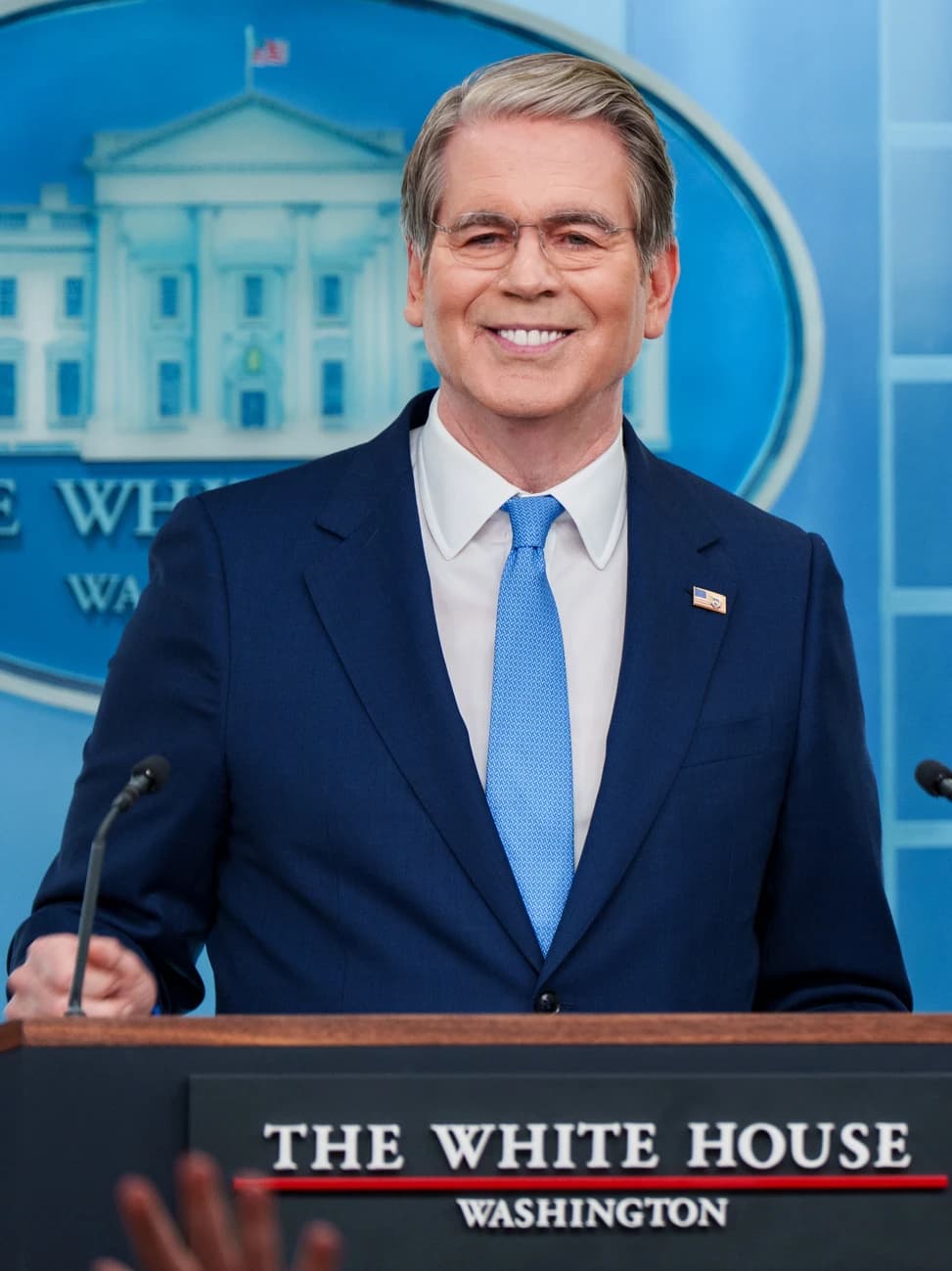
The truce also arrives as the latest stretch of US-China diplomacy has been elevated, with Treasury Secretary discussions reportedly touching tariffs and critical minerals. That is a reminder that the contest is no longer just about goods trade. It is increasingly about strategic supply chains, rare earths, semiconductors, and the inputs that underpin the AI and defense buildouts. Any reduction in friction matters for companies trying to secure components, move inventory and preserve pricing power.
US-China Relations vs FXIadalytica.com
Explore this data interactively — full history, time series and cross-market comparisons.Open AlphaPulse
The broader market backdrop reinforces the point. Adalytica’s US–China Relations Sentiment gauge is at 100, indicating extreme greed and heightened attention around the relationship, while global stability sentiment remains elevated. That combination suggests investors are watching for follow-through, but are still vulnerable to headlines if negotiations stall.
The winners from an extension are straightforward: Chinese equities, US multinationals with exposure to China, and the industrial and technology supply chains that depend on cross-border trade. The losers are tariff hawks, near-term volatility traders and anyone positioned for an immediate breakdown in talks.
The real catalyst now is January. If the two sides use the window to de-risk the most contentious issues, markets could continue to re-rate cyclicals, Asia exposure and industrial names that were discounted for a harsher trade regime. If not, the tariff overhang snaps back quickly. For investors, that makes this truce extension less of a victory lap than a trading window — and the opportunity is in positioning before the next deadline becomes the next shock.
| Entity | Gains | Losses |
|---|---|---|
| China equities | ▲Tariff relief | ▼Trade-war premium |
| US multinationals | ▲Lower input risk | ▼Margin uncertainty |
| Supply-chain names | ▲Planning visibility | ▼Disruption bets |
| Tariff hawks / shorts | ▲— | ▼Easing escalation fears |