India’s best chance to challenge China is not a bigger slogan — it is a simpler system, and investors should pay close attention. Muktesh Pant, a veteran consumer executive who has worked across India, China and the U.S., says India has the scale, talent and openness to become the world’s leading economy, but only if it makes business easier by lowering compliance burdens, reducing tax friction and trusting companies to operate without layers of approvals.
India business reform and investment outlook
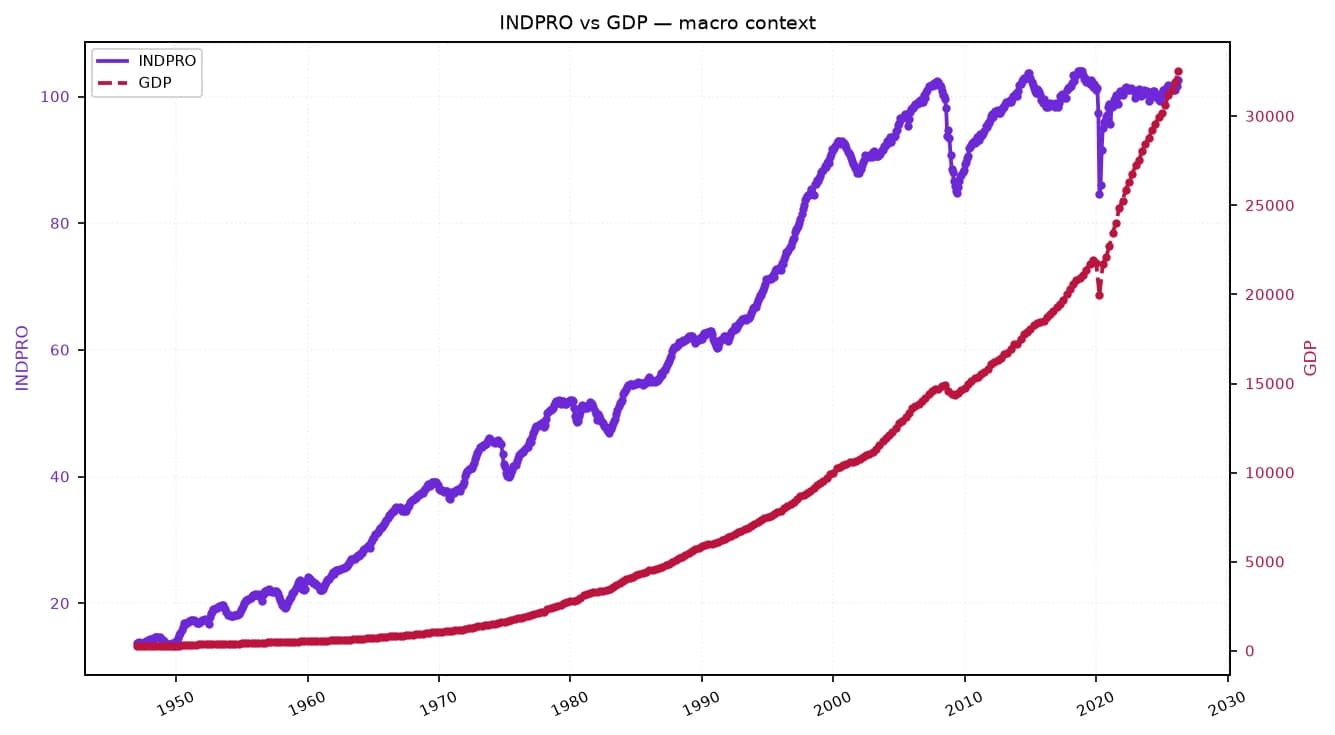
That matters because India is already large enough to matter globally, with gross domestic product projected to reach about 32,926 by July 2026, up from roughly 6,015 in 1990 and 14,715 in 2007 in the data provided. The country has also come a long way since the license raj era Pant describes, when foreign brands needed joint ventures, custom labels and repeated government clearances just to sell consumer products. But the old habit of treating business as something to be controlled rather than enabled still shows up in high taxes, complex goods-and-services tax slabs and the need for armies of lawyers and intermediaries.
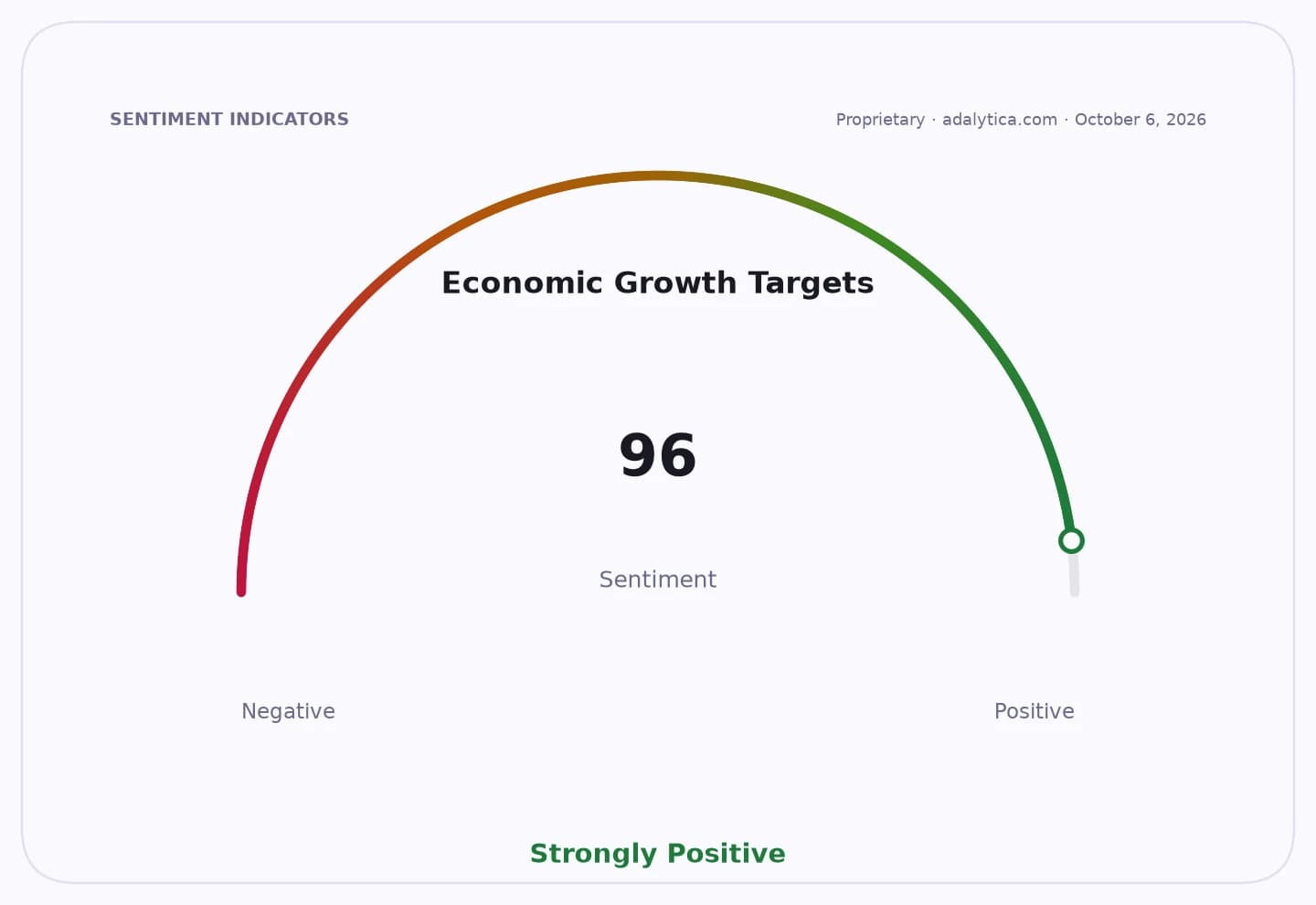
Sentiment IndicatorsⓘProprietary · adalytica.com · October 7, 2026
This is a snapshot — live sentiment, awareness and momentum for 130+ markets update continuously in the dashboard.Open AlphaPulse
For investors, the long-term implication is straightforward: India’s upside depends as much on policy quality as on population. If reforms continue, the addressable market for everything from consumer goods to infrastructure, logistics, payments and industrials expands dramatically. If they stall, India risks staying a powerful domestic market rather than becoming a true global operating base for brands and manufacturers.
Pant’s argument also lands at an important moment for capital allocation. China’s own business climate has weakened, with tighter controls and growing policy unpredictability, and that creates an opening for India to attract skilled workers, manufacturers and multinational supply chains. Adalytica’s US-China relations sentiment gauge is in “Fear” and the China Communist Party policy-direction gauge shows “Extreme Fear,” underscoring how investors are increasingly sensitive to Chinese policy risk. That does not automatically make India a winner, but it does raise the value of any country that offers rule of law, consumer demand and a lighter regulatory touch.
The economic logic is classic compounding. Pant’s career examples — Pepsi, Reebok and Yum Foods — show how India’s constraints once inflated costs and slowed expansion. Today, the opportunity is to do the opposite: simplify taxes, cut red tape, let states compete on ease of doing business and encourage companies to build locally for India and, eventually, for export. That is how domestic champions are made, and it is how global brands are born.
Investors should see the message as both encouraging and demanding. India can still be one of the great compounding stories of the next 10 to 20 years, but the market will reward reform more than rhetoric. For long-term portfolios, that keeps India-focused funds, quality consumer names, financials and infrastructure plays worth watching closely — provided policymakers make it easier to do business.
| Entity | Gains | Losses |
|---|---|---|
| Indian companies | ▲Lower costs, faster expansion | ▼Compliance burden, delay |
| Consumers | ▲Better prices, more choice | ▼Higher friction, slower innovation |
| Foreign investors | ▲Easier entry, bigger opportunity | ▼Policy complexity, approval risk |
| China | ▲Less unique as a manufacturing hub | ▼Some supply-chain share to India |