India is moving toward building its first indigenous passenger aircraft within two years, a policy shift that could redraw the economics of its fast-growing aviation market and deepen the country’s push to localize aerospace manufacturing.
India plans first indigenous passenger aircraft
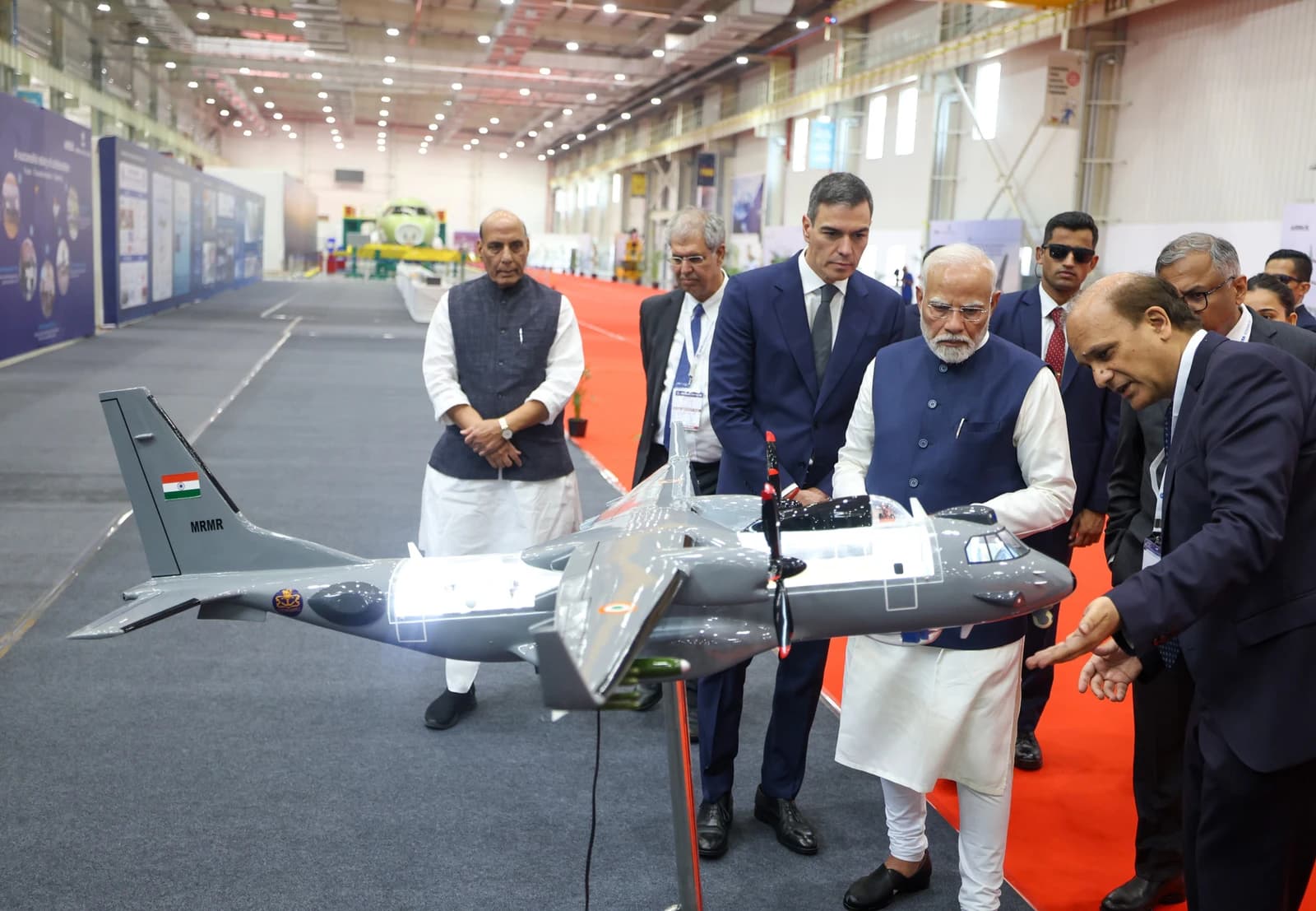
Civil Aviation Minister RamMohan Naidu said the government expects domestic passenger-plane production to begin “soon,” a milestone that would reduce India’s reliance on foreign airframers just as demand for aircraft, maintenance and aviation jobs rises sharply. For investors, the significance is less about an immediate revenue line and more about the long-cycle industrial opportunity: if India can establish a credible civil aviation supply chain, it could become a larger center of gravity for global aerospace production, similar to what it has already done in software, auto components and electronics.
The announcement lands in a market where the commercial aircraft supply chain is still strained and manufacturers are already under pressure to expand capacity outside the traditional Western hubs. Boeing’s shares have recently traded well below their 50-day and 200-day moving averages, reflecting investor caution around production, certification and supply-chain execution, while Lockheed Martin has separately said it wants to expand production in India through a Tata partnership if it wins a 60-aircraft transport deal for the Indian Air Force. Together, the signals point to a broader industrial policy trend: India wants not just to buy aircraft, but to make them.
That matters economically because aircraft manufacturing is among the highest-value industrial activities a country can host. It brings with it fuselage structures, avionics, interiors, landing gear, composites, tooling, software and long-duration maintenance revenue. It can also create a domestic ecosystem that supports defense production, which is why the civilian push is being read alongside India’s drive to strengthen military aerospace capability. For New Delhi, the prize is import substitution, technology transfer and skilled manufacturing jobs. For suppliers, it is access to one of the world’s fastest-expanding aviation markets.
The opportunity is real, but so are the constraints. Passenger aircraft are not cars: the sector demands certified suppliers, deep engineering capability, and years of testing before any commercial-scale output is possible. India has successfully built components and assembled aircraft for defense and general aviation, but commercial passenger jets require a broader industrial base and regulatory maturity. The government’s timeline suggests ambition is outrunning the typical pace of aerospace development, which means initial progress may come through partnerships, sub-assemblies and final assembly rather than a fully Indian-designed narrow-body jet.
For global manufacturers, that creates both risk and upside. Boeing and Airbus could eventually face a more assertive local champion in the world’s third-largest aviation market, but in the near term they are more likely to benefit from contracts, local production mandates and joint ventures. Lockheed Martin’s India strategy shows how foreign groups may secure future orders by pledging local investment. For investors, that raises a key question: whether India’s aerospace push becomes a source of new demand for Western primes, or a longer-term competitive threat that gradually localizes more of the value chain.
What to watch next is whether the government backs the headline with concrete procurement rules, incentives and private-sector partners capable of meeting aerospace standards. If it does, India’s passenger aircraft plan could become one of the most important industrial projects in the country’s manufacturing push. If not, it risks remaining a policy ambition that boosts sentiment without changing the market structure.
| Entity | Gains | Losses |
|---|---|---|
| India aerospace industry | ▲Local manufacturing buildup | ▼Dependence on imports |
| Lockheed Martin | ▲India production foothold | ▼Missed local deal opportunity |
| Boeing and Airbus | ▲New sourcing and JV demand | ▼Longer-term localization pressure |
| Indian taxpayers and airlines | ▲Potential jobs and supply-chain depth | ▼Higher near-term execution risk |