India and Switzerland have signed a set of agreements that could broaden market access for Indian exporters, ease travel and work rules for students and young professionals, and deepen investment flows between the two economies.
India-Switzerland pact expands trade and visa access
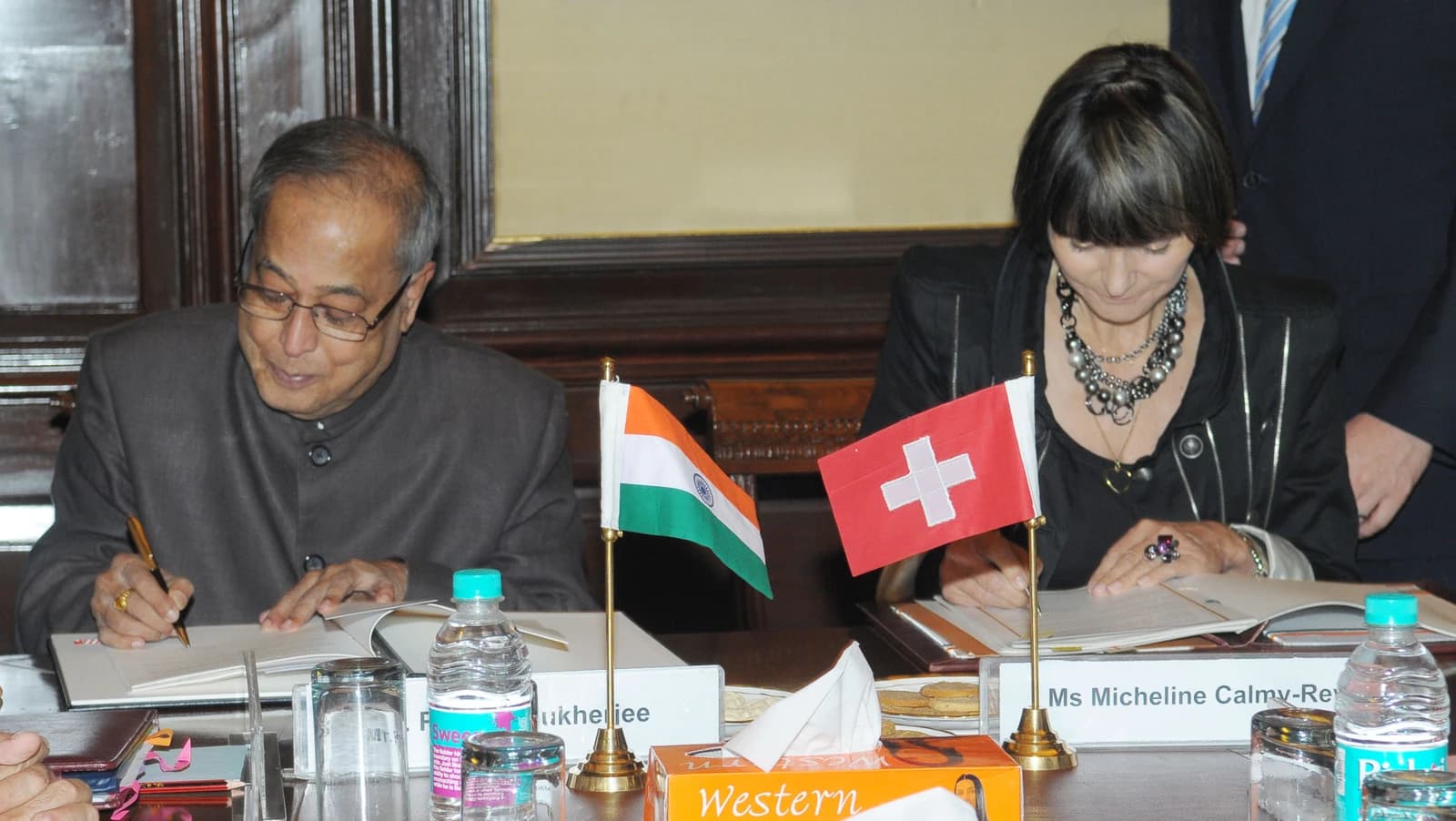
The most immediate payoff for households and businesses is the migration and mobility pact, which provides five-year multiple-entry visas, stays of up to six months per visit and a renewable one-year student permit. A separate youth professionals scheme will allow up to 300 people a year from each country to work temporarily in the other, with the quota potentially rising to 500, opening a route for skills, language training and cross-border hiring.
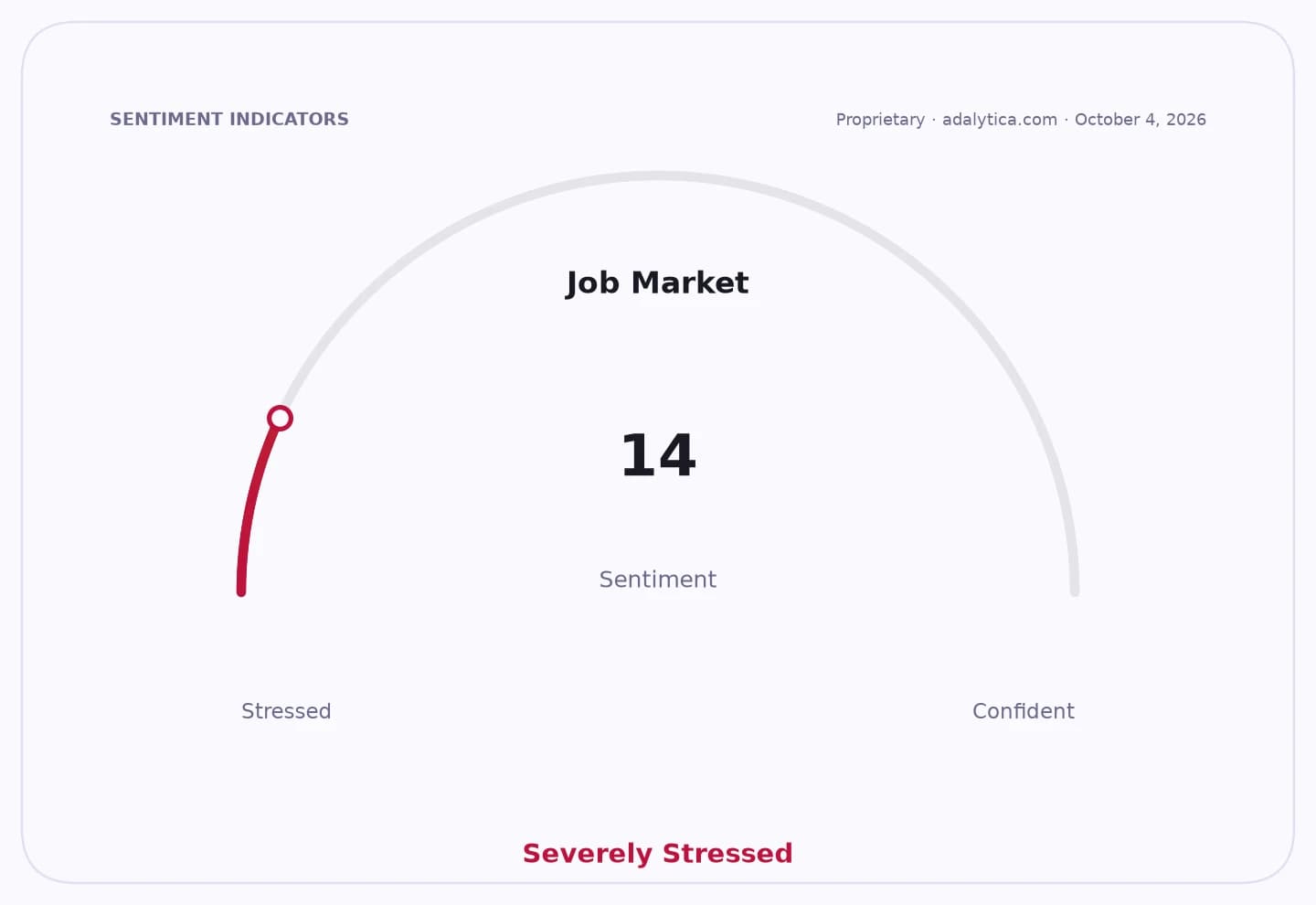
Sentiment IndicatorsⓘProprietary · adalytica.com · October 6, 2026
This is a snapshot — live sentiment, awareness and momentum for 130+ markets update continuously in the dashboard.Open AlphaPulse
For India, the bigger economic prize is trade and capital. Prime Minister Narendra Modi said the India-EFTA trade pact — covering Switzerland, Norway, Iceland and Liechtenstein — could bring about $100 billion of investment over 15 years and help generate 1 million direct jobs. That matters because India is trying to convert trade agreements into manufacturing capacity, export growth and employment at a time when domestic job creation remains a political and economic priority.
The deal also has a sector-specific angle. Modi said access to the Swiss market should improve for agricultural goods, pharmaceuticals, textiles and engineering products, potentially giving Indian exporters a higher-value European outlet. That could support firms exposed to global demand cycles, while the research and technology pacts point to longer-term cooperation in green energy, health care, space and transport.
The governments also agreed on joint work through Zurich University of Applied Sciences, the Swiss National Science Foundation and India’s road transport ministry on innovation, startup training, mobility systems and sustainable infrastructure, including electric vehicles, ropeways and tunnels. India’s startup ecosystem could also benefit from the capacity-building tie-up with Zurich University, while the focus on responsible artificial intelligence suggests the relationship is widening beyond trade into strategic technology policy.
For investors, the news reinforces India’s pitch as a destination for foreign capital and export-led growth, while offering Swiss companies and institutions a clearer path into one of the world’s fastest-growing large markets. The next test is implementation, with the scale of job and investment gains depending on how quickly the visa, research and trade provisions turn into actual flows.
| Entity | Gains | Losses |
|---|---|---|
| Indian exporters | ▲Better Swiss market access | ▼Higher competition from Swiss firms |
| Indian students and young professionals | ▲Easier visas and work exchanges | ▼More selective cross-border competition |
| Swiss investors and companies | ▲Cleaner route into India | ▼Less market protection at the margin |
| India’s labor market | ▲Potential job creation and skills transfer | ▼Pressure to deliver on execution |