Sachin Tendulkar’s early bet on Hyderabad-based Azad Engineering has become a live example of why investors pay up for scarcity, defense and aerospace manufacturing, and long-duration industrial growth.
Azad Engineering Surges on Defense and Aerospace Demand
The former India captain reportedly put about ₹5 crore into the precision engineering company before its public listing, buying roughly 4.38 lakh shares at ₹114 apiece. With Azad Engineering now trading around ₹2,900, that stake is valued at about ₹130 crore, a gain of roughly 26 times in three years. For the market, the bigger message is not celebrity stock-picking — it is that companies tied to global aerospace, defense and energy supply chains can re-rate dramatically when order visibility and capacity expansion line up.
That is why the latest move matters economically. Azad is not a broad cyclical maker; it supplies precision components and nozzle and turbine parts used in aerospace, defense and energy applications, with clients including GE Vernova, Siemens and Mitsubishi. In a world where governments are boosting defense spending, utilities are investing in grid and turbine equipment, and global manufacturers are rebuilding resilient supply chains, firms like Azad sit on the toll road of industrial capex. When those customers expand capacity, Azad gets leverage through higher volumes, pricing power and a stronger earnings base.
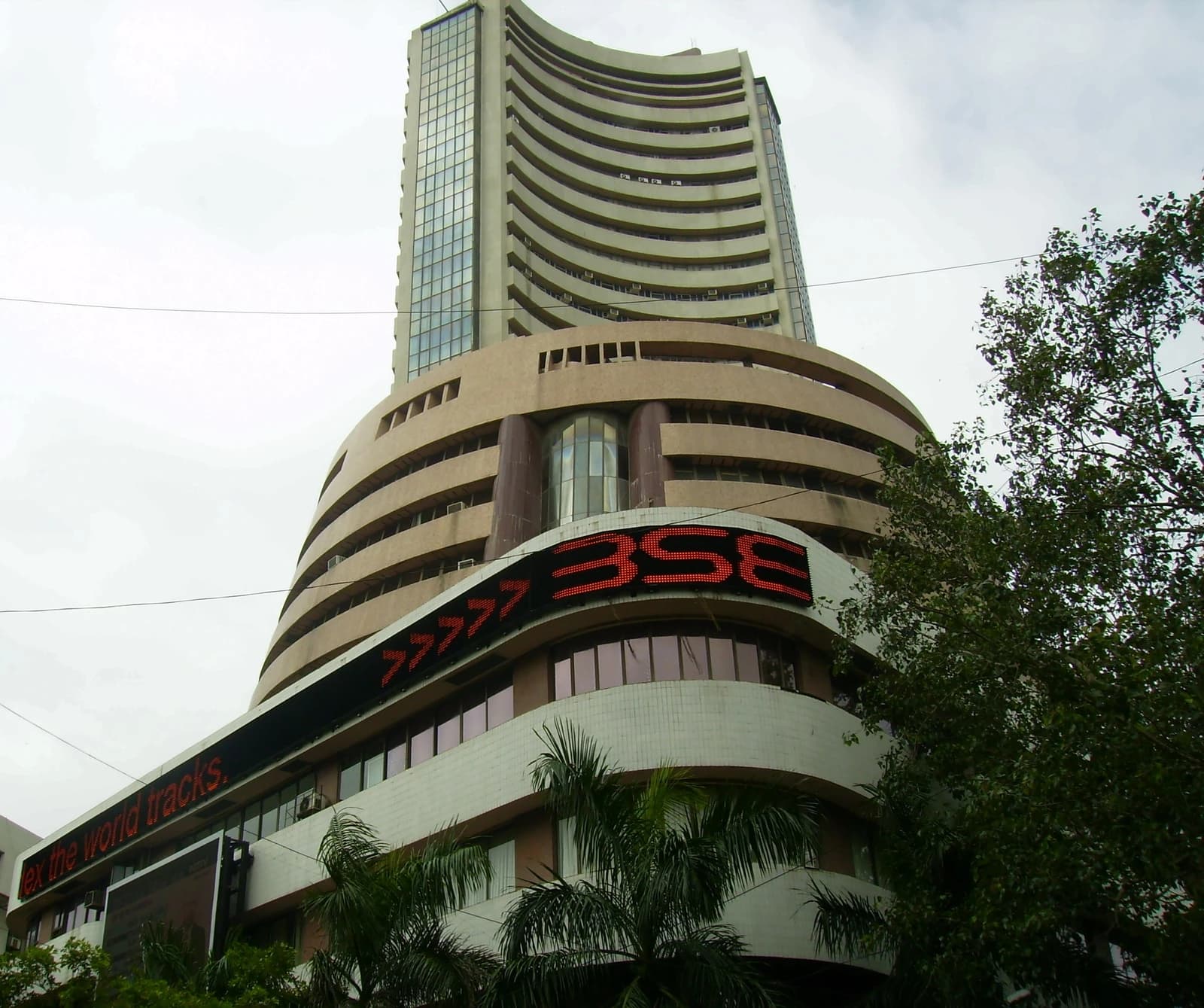
The stock’s surge also reflects what investors have been chasing across markets: companies with exposure to hard assets, strategic manufacturing and multi-year demand tails. Azad’s shares jumped again after the inauguration of two new units for GE Vernova, a reminder that new factory capacity can translate into fresh revenue streams for suppliers that already have customer relationships embedded in global industrial ecosystems. In a volatile market where the Sensex was under pressure, that kind of company-specific growth story stands out even more.
Tendulkar’s payoff is also a reminder of how powerful the right industrial theme can be when held through the full cycle. His purchase was made before Azad listed, at a price that looked ordinary at the time. The real return came from staying with a business positioned in sectors the market still underestimates: defense, clean energy, aerospace and advanced manufacturing. This is where the next decade of value creation is likely to come from, not from trading momentum, but from owning companies that become indispensable to global infrastructure spending.
For investors, the takeaway is simple: the market is still rewarding the suppliers of the AI, energy and defense buildout, not just the headline names. Azad Engineering remains a high-multiple stock, but the premium reflects a scarcity asset with global customers and structural demand. The risk, of course, is valuation and execution; the opportunity is that the company sits in one of the most durable industrial growth lanes in India. If you are looking for the next multi-bagger, this is the kind of business that can still deliver it — provided earnings keep catching up with expectations.
| Entity | Gains | Losses |
|---|---|---|
| Azad Engineering | ▲Higher valuation, new orders | ▼Valuation risk, execution pressure |
| Sachin Tendulkar | ▲26x paper gain | ▼— |
| GE Vernova and other global customers | ▲Local supply-chain capacity | ▼Lower bargaining leverage |
| Late entrants/chasers | ▲— | ▼Pay a richer multiple |