Pakistan’s economy has kept macro stability intact for now, but the IMF is making clear that the next phase of support depends on faster energy reforms, tighter subsidy controls and broader fiscal discipline.
Pakistan IMF Deal Ties Funding to Energy Reforms
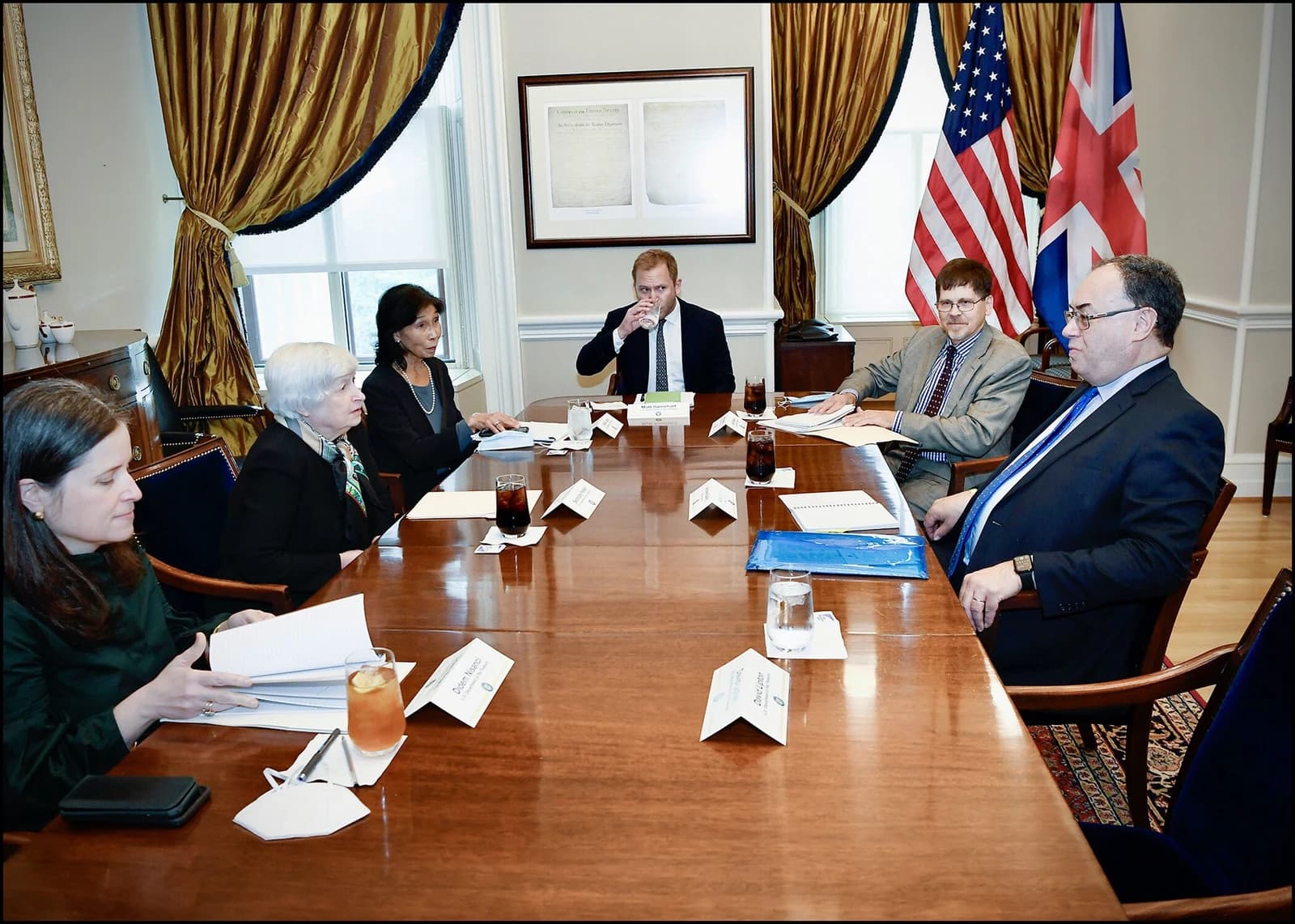
The Fund said it has reached a staff-level agreement with Islamabad on $1.21 billion in funding, covering the fifth review of Pakistan’s Extended Fund Facility and the third review of its Resilience and Sustainability Facility. The money, once approved by the IMF board, would lift total disbursements under the two programs to about $5.7 billion and should help bolster the State Bank’s reserves at a time when Pakistan still faces heavy external financing needs.
For investors, the agreement matters because it keeps Pakistan’s IMF backstop intact, reduces near-term default risk and supports the rupee and sovereign credit profile. The deal also signals that reforms remain on track enough for the Fund to keep lending, even after the shock from Middle East tensions weighed on growth. The IMF said the conflict clipped growth to 3.6% from 4% in the first three quarters of the last fiscal year, while May inflation reached a record high.
The headline support, though, comes with a familiar list of conditions. The IMF wants Pakistan to phase out gasoline subsidies, limit fuel support to the poorest households and avoid broadening the scheme further. It also pressed for better recovery in the power and gas sectors, lower production costs, stronger collections and continued hard monetary policy with exchange-rate flexibility.
That matters economically because energy subsidies and weak utility collections have long fed Pakistan’s circular debt problem, strained public finances and crowded out spending on health, education and development. The Fund also noted that spending on health and education remained below targets, even as the government pledged to raise that share and improve tax collection, transparency and support for low-income households. In other words, Islamabad can keep receiving IMF disbursements, but only if it makes politically difficult choices that improve fiscal credibility over time.
The immediate market reaction is likely to remain constructive. Pakistan’s debt investors tend to view IMF reviews as a liquidity and policy anchor, especially when reserves are thin and external refinancing needs are high. The stock market’s recent strength also suggests traders have been pricing in continued Fund support; Pakistan shares have risen steadily over the past year, with the benchmark up sharply from the low-teens area and holding above its 50-day and 200-day moving averages, a sign of sustained momentum rather than a short-lived bounce.
The bull case is that IMF backing, remittances and tighter policy can extend stability, keep the current-account gap manageable and give Islamabad room to rebuild buffers. The bear case is that energy reform slows, subsidies linger, and inflation or political resistance forces policy slippage just as the economy tries to consolidate gains.
For now, the deal keeps Pakistan financed and buys time. Whether it translates into durable stability will depend less on the size of the tranche than on whether the government follows through on fuel pricing, utility reforms and a broader cleanup of public finances.
| Entity | Gains | Losses |
|---|---|---|
| Pakistan government | ▲IMF funding access | ▼Policy flexibility |
| IMF | ▲Reform compliance | ▼If slippage returns |
| Investors in Pakistan assets | ▲Lower default risk | ▼If subsidies persist |
| Fuel subsidy recipients | ▲Targeted support | ▼Broad-based subsidies |