Pakistan’s economic rebound is entering a harder phase just as the IMF prepares its fourth review next month, with inflation accelerating to 11.15% in August and higher oil prices threatening to squeeze the country’s fragile stability. The good news for investors is that Pakistan has stronger buffers than a year ago, with reserves at $17.18 billion, remittances still rising and a record $3 billion Eurobond helping shore up external financing.
Pakistan inflation rises before IMF review
That makes the IMF review the next major market test. The lender’s assessment of Pakistan’s $7 billion Extended Fund Facility will focus on structural reforms, including proposed changes to the Pakistan Sovereign Wealth Fund law, at a time when the government must also manage a widening trade gap and renewed price pressure.
Sentiment IndicatorsⓘProprietary · adalytica.com · September 8, 2026
This is a snapshot — live sentiment, awareness and momentum for 130+ markets update continuously in the dashboard.Open AlphaPulse
The inflation shock matters because it narrows policy room just as the State Bank of Pakistan heads into a September 14 rate decision. Consumer prices rose from 9.20% in July, driven largely by transport costs, which jumped 20.2% year-on-year after daily fuel-price adjustments linked to expensive crude and Middle East tensions. The real interest rate has slipped to just 0.2 percentage points, making any further deterioration in oil markets a direct risk to growth and financing conditions.
External accounts remain a key watchpoint. Pakistan posted a $328 million current-account deficit in July and the goods trade gap widened 17.4% from a year earlier to $3.146 billion, though remittances climbed 13% year-on-year to $3.631 billion and the rupee held near Rs277.47 per dollar. Stronger reserves and the oversubscribed Eurobond are easing near-term funding stress, but they do not remove the pressure of higher import costs if energy prices stay elevated.
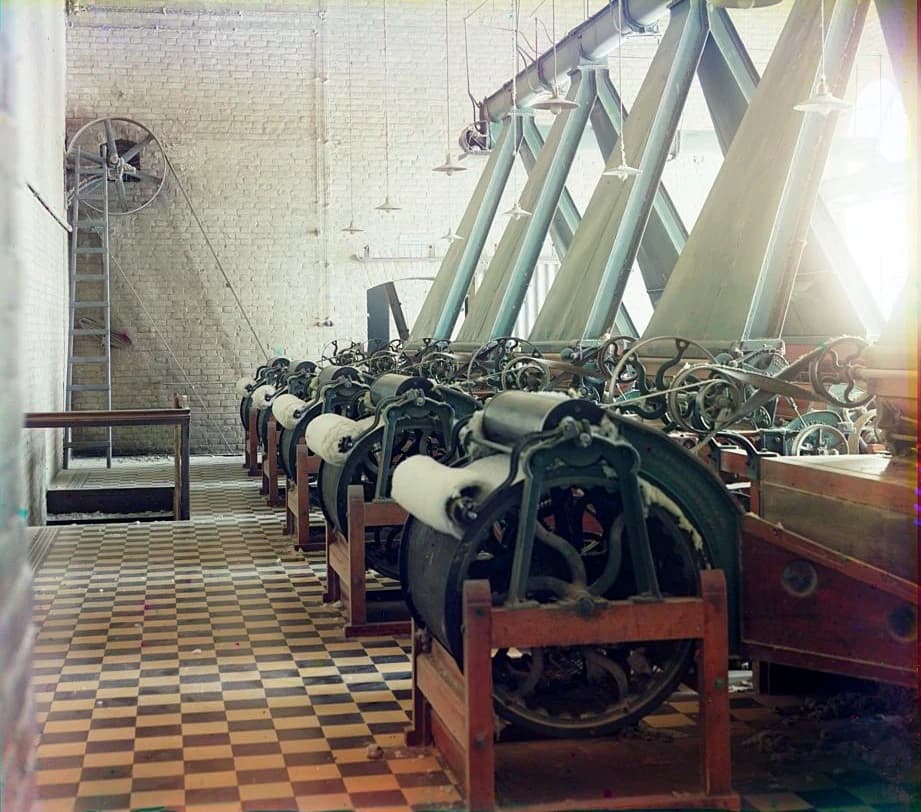
For investors, the bigger story is that macro stabilization is starting to flow through to corporate balance sheets, especially in exporters. AKD Securities sees textile earnings jumping 47% year-on-year in the fourth quarter of FY26, with revenue up 3% as exports recover, gross margins widen to 16.3% from 15.7% and firms book gains from the remeasurement of Sindh Infrastructure Development Cess provisions. Value-added textile exports already rose 1% in the quarter, pointing to an early recovery in a sector that has been under pressure from weak demand, high costs and tight credit.
The broker remains overweight on the sector and keeps buy ratings on Interloop, Nishat Mills and Nishat Chunian, arguing that lower energy costs and easing rates can help rebuild margins. But the trade remains exposed to the Middle East conflict, which could disrupt shipping, raise freight and fuel costs and upset the recovery if oil prices stay high.
The next catalyst is clear: the IMF review and the central bank decision will determine whether Pakistan can preserve its hard-won stability long enough for exporters to turn better macro conditions into stronger profits.
| Entity | Gains | Losses |
|---|---|---|
| Pakistan government | ▲More financing room from reserves and Eurobond | ▼Higher inflation and tougher IMF scrutiny |
| Textile exporters | ▲Wider margins and stronger earnings outlook | ▼Shipping, fuel and input-cost shocks |
| IMF lenders | ▲Better reform compliance if review passes | ▼Risk of slippage on structural conditions |
| Consumers/importers | ▲— | ▼Higher fuel and living costs |