Pakistan’s Finance Division has pushed back against reports that federal state-owned enterprise debt jumped to Rs 10.1 trillion, saying the figure reflects a broader stock of liabilities rather than fresh borrowing and that new loans during the period were about Rs 164 billion.
Pakistan Finance Division clarifies SOE debt figure

The clarification matters because SOE debt is a key fiscal-risk gauge for Pakistan, where losses at state firms can quickly spill into the sovereign balance sheet, pressure bank lending and complicate budget planning. Misreading a consolidated liabilities number as new debt could distort investor views on the pace of deterioration in public finances.
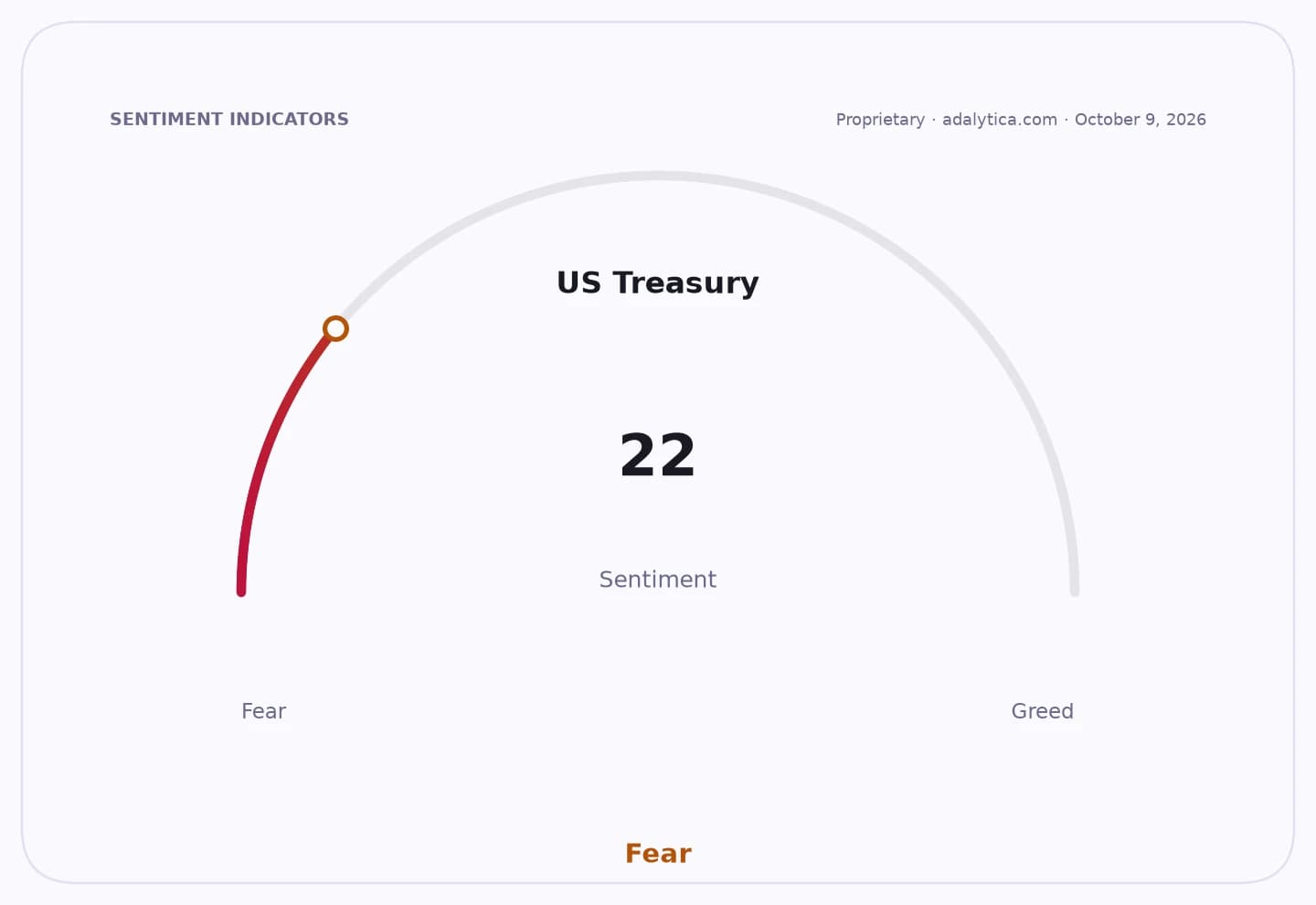
Sentiment IndicatorsⓘProprietary · adalytica.com · October 10, 2026
This is a snapshot — live sentiment, awareness and momentum for 130+ markets update continuously in the dashboard.Open AlphaPulse
According to the division, the comparison with State Bank of Pakistan data was not methodologically valid because the two series track different exposures. The SBP’s Rs 2.954 trillion figure covers borrowing and credit from the banking system, while the Central Monitoring Unit uses a wider measure for federal SOE interest-bearing liabilities.
That broader CMU framework includes Rs 2.098 trillion in Cash Development Loans, Rs 2.581 trillion in foreign re-lent loans, Rs 3.102 trillion in bank and private loans, Rs 2.181 trillion in accrued markup and rollover costs and Rs 135 billion in other obligations such as leases and right-of-use liabilities. The Finance Division said the increase in the debt stock from about Rs 8.8 trillion to Rs 10.1 trillion also reflects changes in existing government lending and accumulated financing costs.
For investors, the message is less about immediate new borrowing and more about the scale of embedded liabilities inside Pakistan’s state sector, which can weigh on sovereign risk premiums, bank exposure and reform credibility. It also underscores how headline debt figures can move market sentiment if they are not properly decomposed.
The broader issue is that Pakistan’s SOEs remain a persistent source of fiscal leakage, and the government is signaling it wants the Cabinet Committee on State Owned Enterprises to work from the more comprehensive CMU framework. Markets will watch whether the clarification is followed by deeper disclosure, restructuring steps or policy measures to slow the accumulation of these liabilities.
| Entity | Gains | Losses |
|---|---|---|
| Finance Division | ▲Narrative control | ▼Scrutiny over SOE liabilities |
| Government | ▲Broader risk framework | ▼Higher fiscal-risk visibility |
| Investors | ▲Clearer debt breakdown | ▼Less flattering SOE balance-sheet picture |
| SOEs | ▲Debt reframed as stock | ▼Pressure for reform and monitoring |