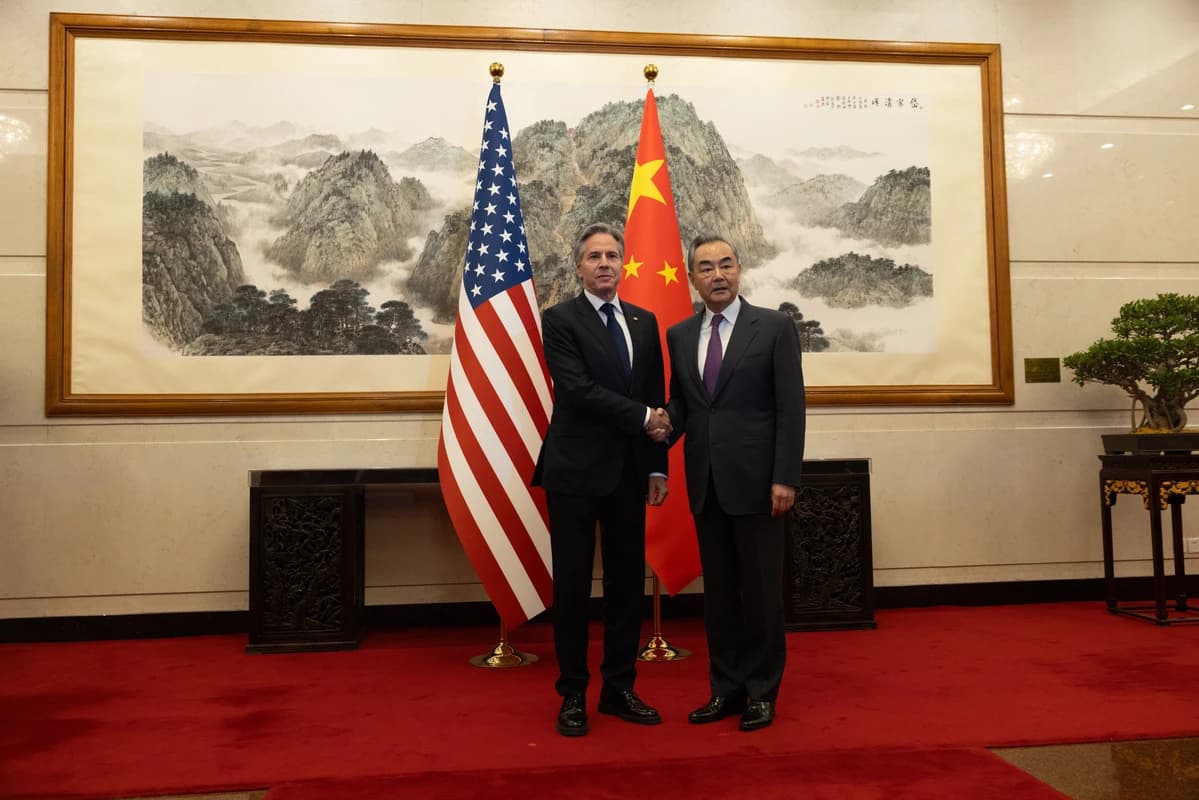
China and the United States remain the key market story as the Chinese and foreign ministers meet, with investors watching for any signal that the 90-day tariff suspension can survive the next round of negotiations.
China Tariff Talks Lift FXI Watchlist
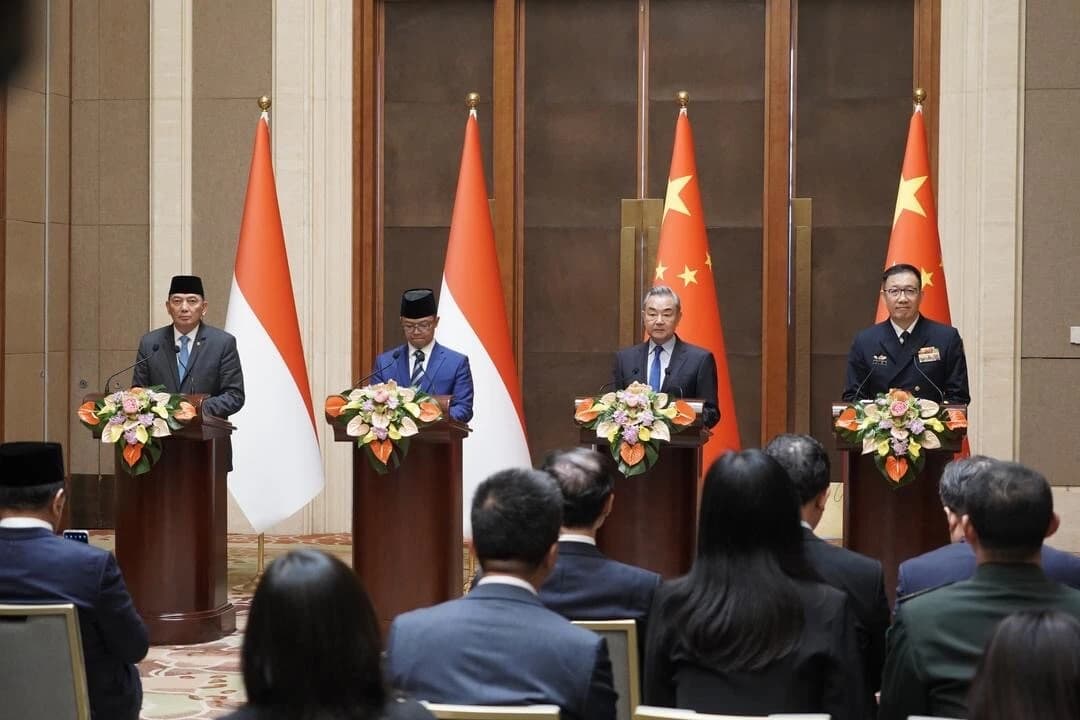
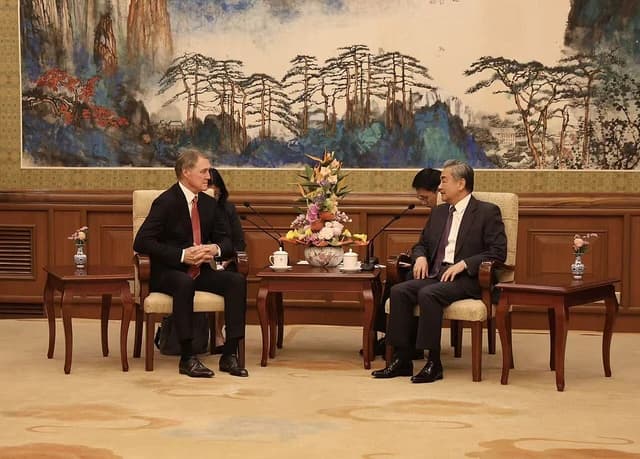
The meeting comes as Beijing tries to steady trade ties not only with Washington but also with the European Union, after months of tariff escalation and accusations of violations across major trading blocs. That matters because any durable easing in trade frictions would support Chinese exporters, supply chains and risk appetite across Asia.
Sentiment IndicatorsⓘProprietary · adalytica.com · October 18, 2026
This is a snapshot — live sentiment, awareness and momentum for 130+ markets update continuously in the dashboard.Open AlphaPulse
Chinese equities are already pricing in a less hostile backdrop. The iShares China Large-Cap ETF, FXI, last traded at $33.84, still below its 50-day moving average of $34.72 and its 200-day average of $35.85, but off the recent low of $33.19. Its RSI reading of 46.3 suggests the fund is neither overbought nor oversold, while the MACD remains negative, pointing to a market that is waiting for policy confirmation rather than fully embracing a breakout.
Broader emerging-market sentiment is firmer but still fragile. The iShares MSCI Emerging Markets ETF, EEM, closed at $62.85, below its 50-day average of $66.83 and just above its lower Bollinger Band, with RSI at 28.3, a level that typically reflects heavy selling pressure. The divergence shows investors are still skeptical that diplomatic talk will translate into a sustained relief rally.
US-China Relations — 30-day sentimentadalytica.com
Explore this data interactively — full history, time series and cross-market comparisons.Open AlphaPulse
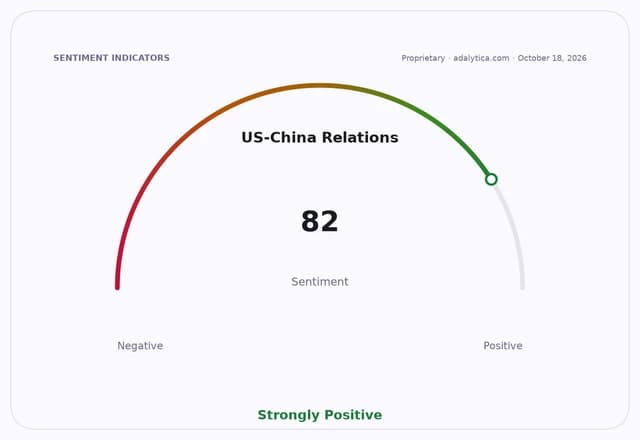
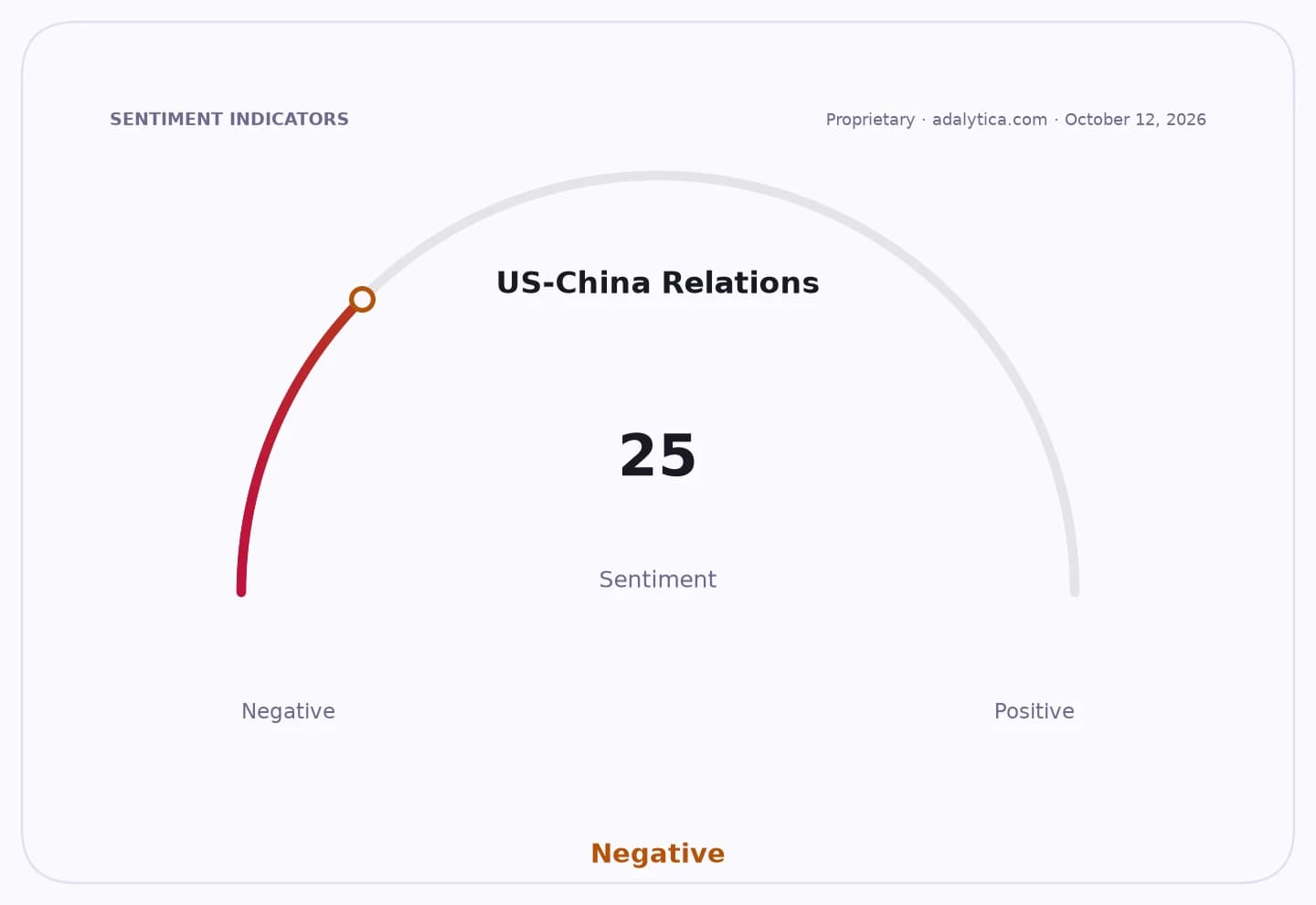
Adalytica’s US–China Relations Sentiment gauge stands at 82, in “Greed,” after a sharp one-day drop of 14 points, while China CCP Policy Direction sentiment is at 96, or “Extreme Greed,” suggesting expectations for policy support remain elevated even as global stability sentiment has fallen to 21. That mix underscores the market’s central dilemma: investors want signs of de-escalation, but they have yet to see a lasting resolution.
The next catalyst is whether the ministers’ talks lead to follow-through on tariff restraint, export access and implementation details. Without that, recent gains in China-related assets could fade quickly, especially if trade rhetoric re-intensifies ahead of the next negotiating deadline.
| Entity | Gains | Losses |
|---|---|---|
| China exporters | ▲Tariff relief, better access | ▼Trade uncertainty, margin pressure |
| U.S. consumers/importers | ▲Lower import costs | ▼Higher prices if tensions return |
| FXI holders | ▲Relief rally potential | ▼Weak follow-through if talks stall |
| Global risk assets | ▲Improved sentiment | ▼Volatility from renewed tariff risk |