China’s new ambassador to Australia says the relationship is back on “the right track,” a useful reminder for investors that one of Asia’s most important trade corridors is still healing after years of tariff shocks and political strain.
China-Australia Ties Improve as Trade Thaw Continues

That matters because Australia’s economy is deeply tied to China through iron ore, energy, agriculture and education, and even modest improvement in diplomacy can reduce friction for exporters, lift confidence in cross-border investment and keep the current trade thaw from sliding backward. For companies and markets, the difference between stable ties and renewed confrontation can be measured in billions of dollars in tariffs, disrupted shipments and slower growth.
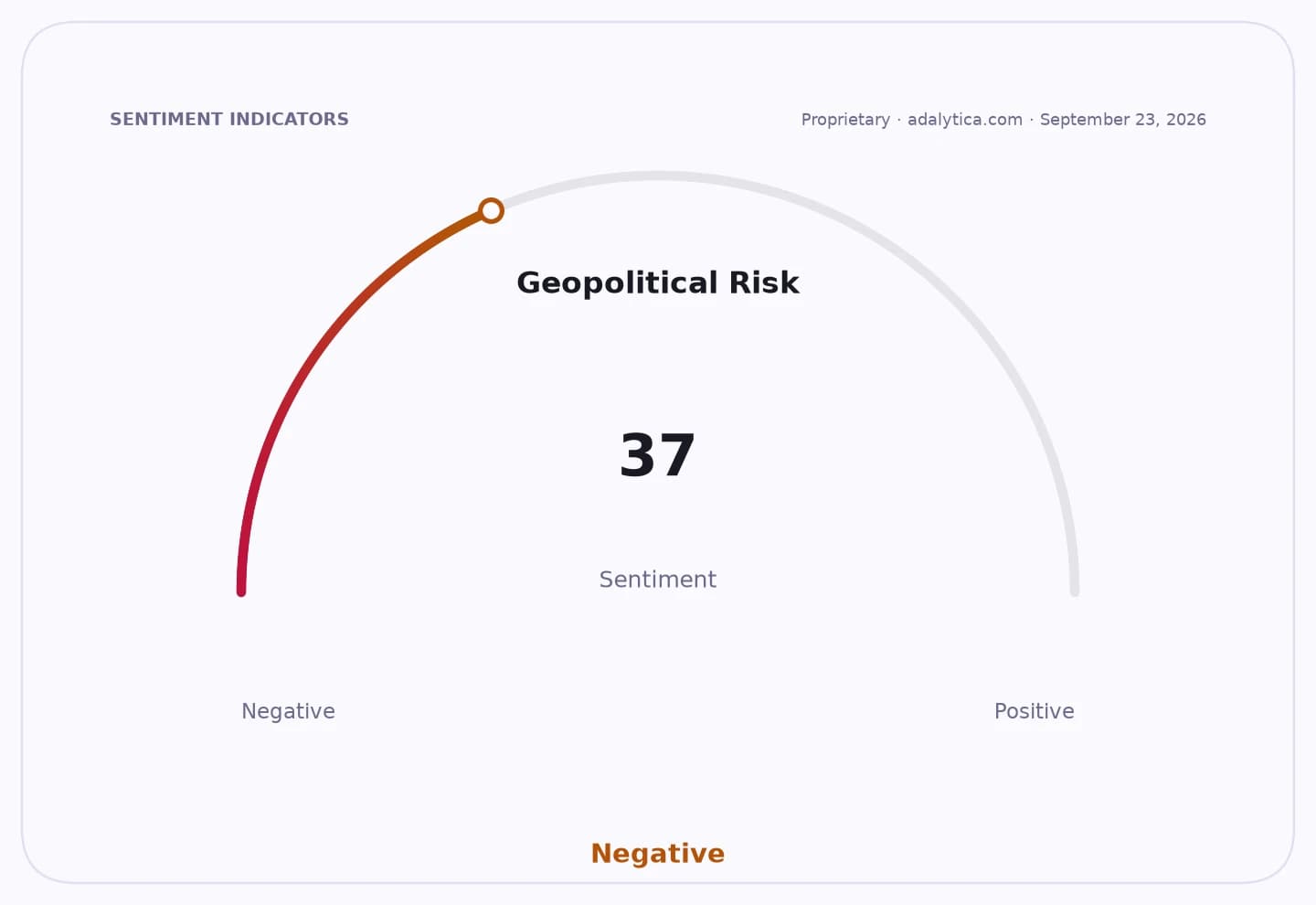
Sentiment IndicatorsⓘProprietary · adalytica.com · October 16, 2026
This is a snapshot — live sentiment, awareness and momentum for 130+ markets update continuously in the dashboard.Open AlphaPulse

Ambassador Liu Jinsong used his first major speech since taking up the post in August to argue that the two countries had resumed “stable and sound development,” while warning that differences will not disappear. His message was pragmatic rather than triumphant: manage disputes rationally, respect each other’s core interests and focus on expanding the shared economic pie.
That is the real story here. China and Australia are not returning to a honeymoon. They are trying to build a workable relationship after a bruising trade war that hit Australian beef, wine and seafood with punitive tariffs after the pandemic. Those barriers have been eased since Australia’s 2022 election, and the reopening has already restored a measure of normalcy for exporters on both sides.
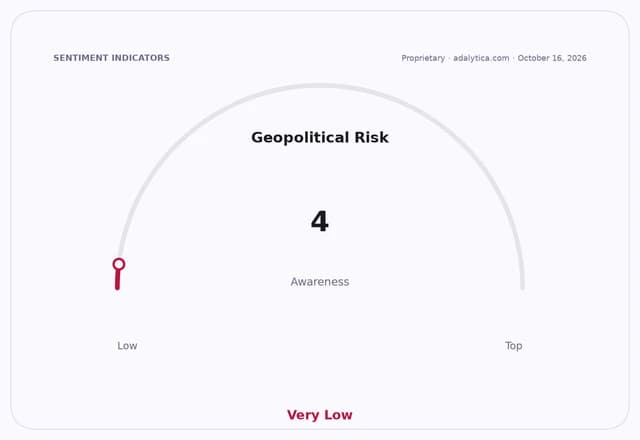
For investors, that steadier backdrop is more important than the diplomatic language itself. Lower policy risk is good for Australian agriculture, bulk commodities and services companies with China exposure, and it also matters for Chinese firms with ambitions in Australia. It is the sort of incremental improvement that does not make headlines every day, but can shape earnings over years.
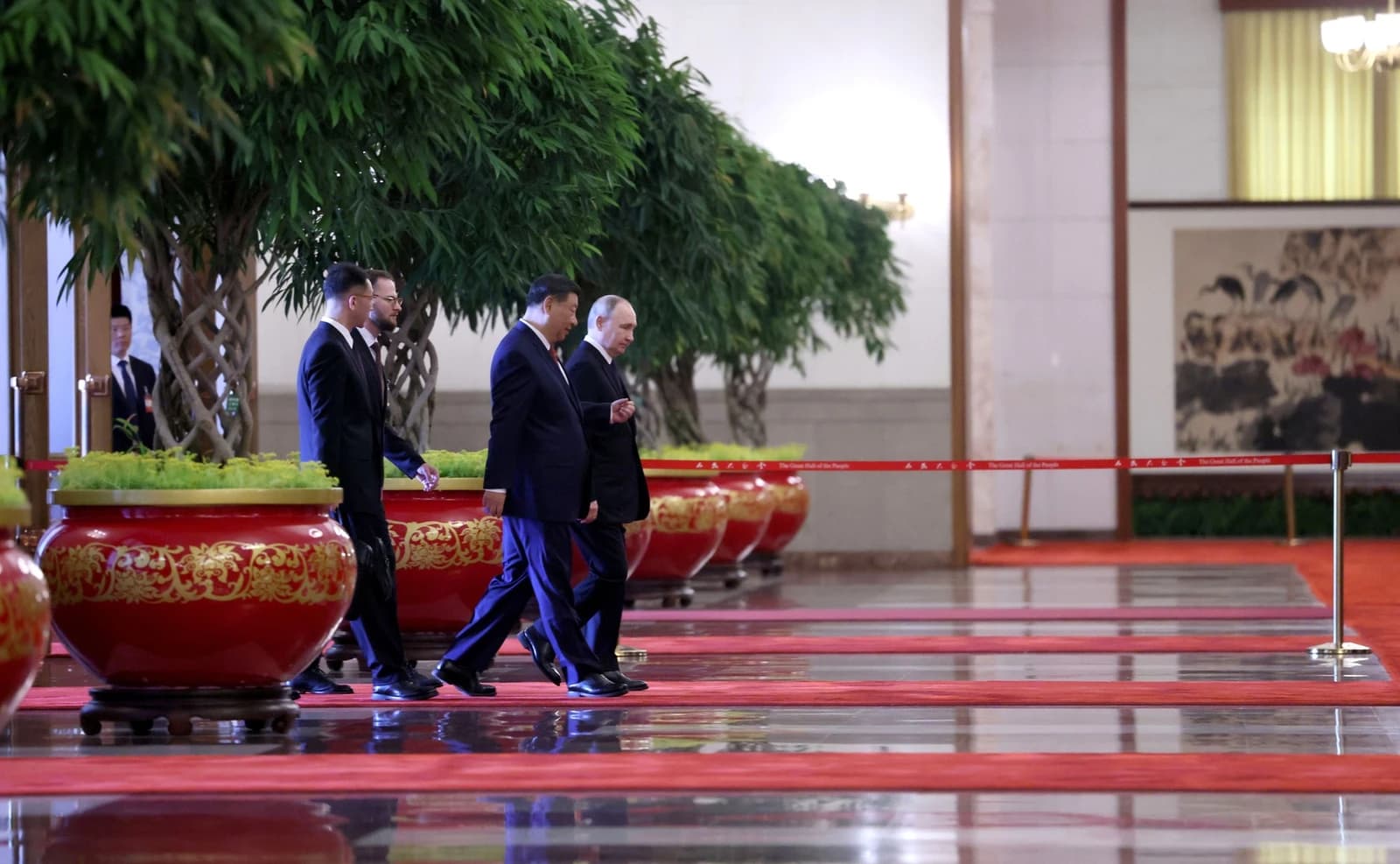
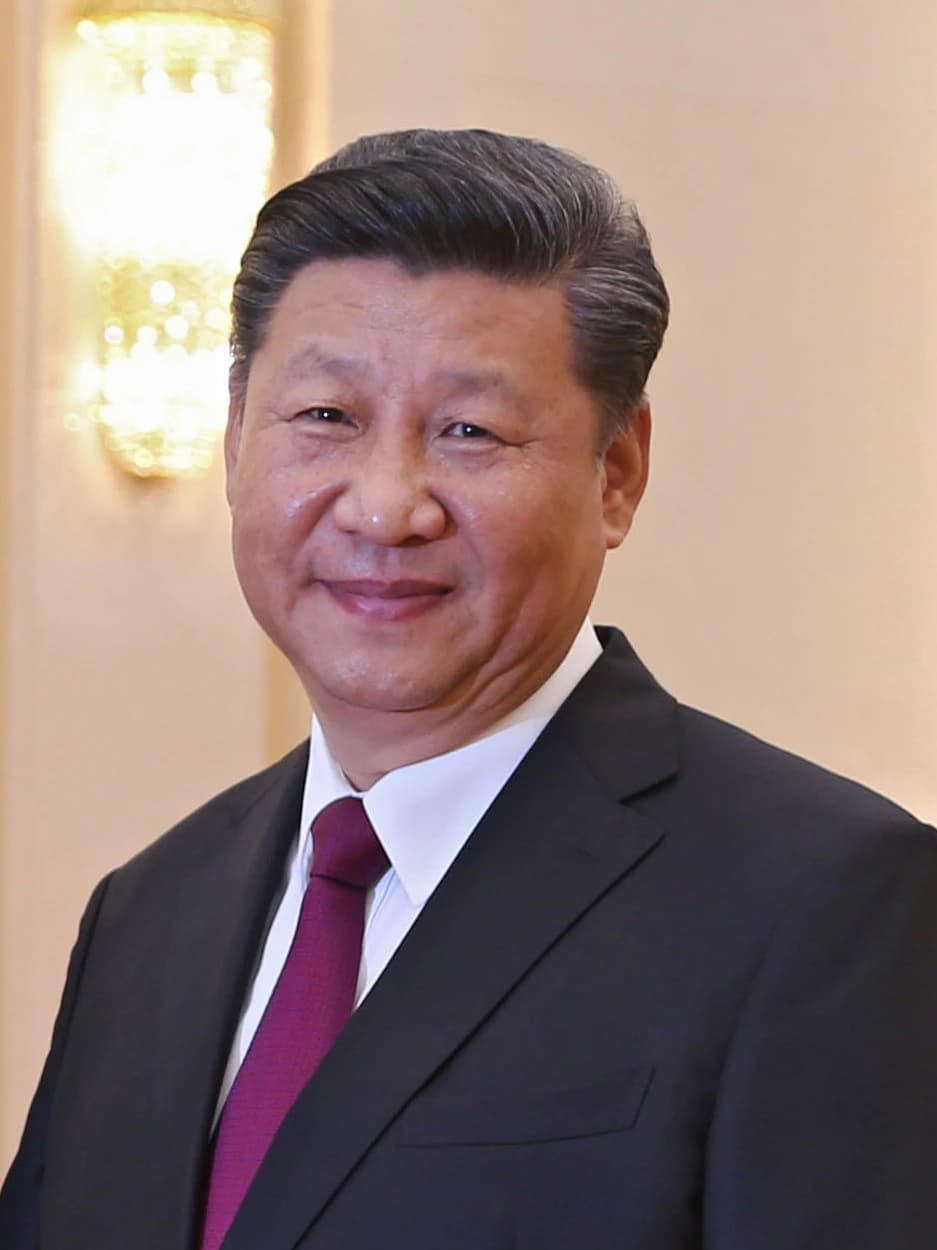
The timing also counts. Prime Minister Anthony Albanese is due to meet President Xi Jinping again at the APEC summit in Shenzhen in November, a sign that both governments still see value in keeping the channel open. In a world of supply-chain reshoring, tariffs and geopolitical fragmentation, even a managed relationship between major trading partners is an economic asset.
Chinese assets have already been reflecting that broader mix of optimism and caution. The iShares China Large-Cap ETF, which tracks big mainland-linked stocks, has been trading well below its 200-day moving average in recent sessions, showing that investors remain selective despite signs of diplomatic thaw. That suggests the market wants more than warm words before it re-rates China exposure.
Still, the long-term takeaway is straightforward: investors should watch whether this thaw translates into durable trade flows, fewer tariff threats and more predictable policy. If it does, it would support Australian exporters, reduce headline risk for multinationals and reinforce the case for patience in China-related holdings. If not, the old pattern of occasional rapprochement and sudden setbacks could return just as quickly.
| Entity | Gains | Losses |
|---|---|---|
| Australian exporters | ▲Easier access to China | ▼Tariff risk receding |
| Chinese importers | ▲More reliable supply | ▼Fewer leverage tools |
| Investors in China/Australia trade | ▲Lower policy uncertainty | ▼Volatility from trade flare-ups |
| Hardline skeptics | ▲Little near-term gain | ▼Influence if ties keep improving |