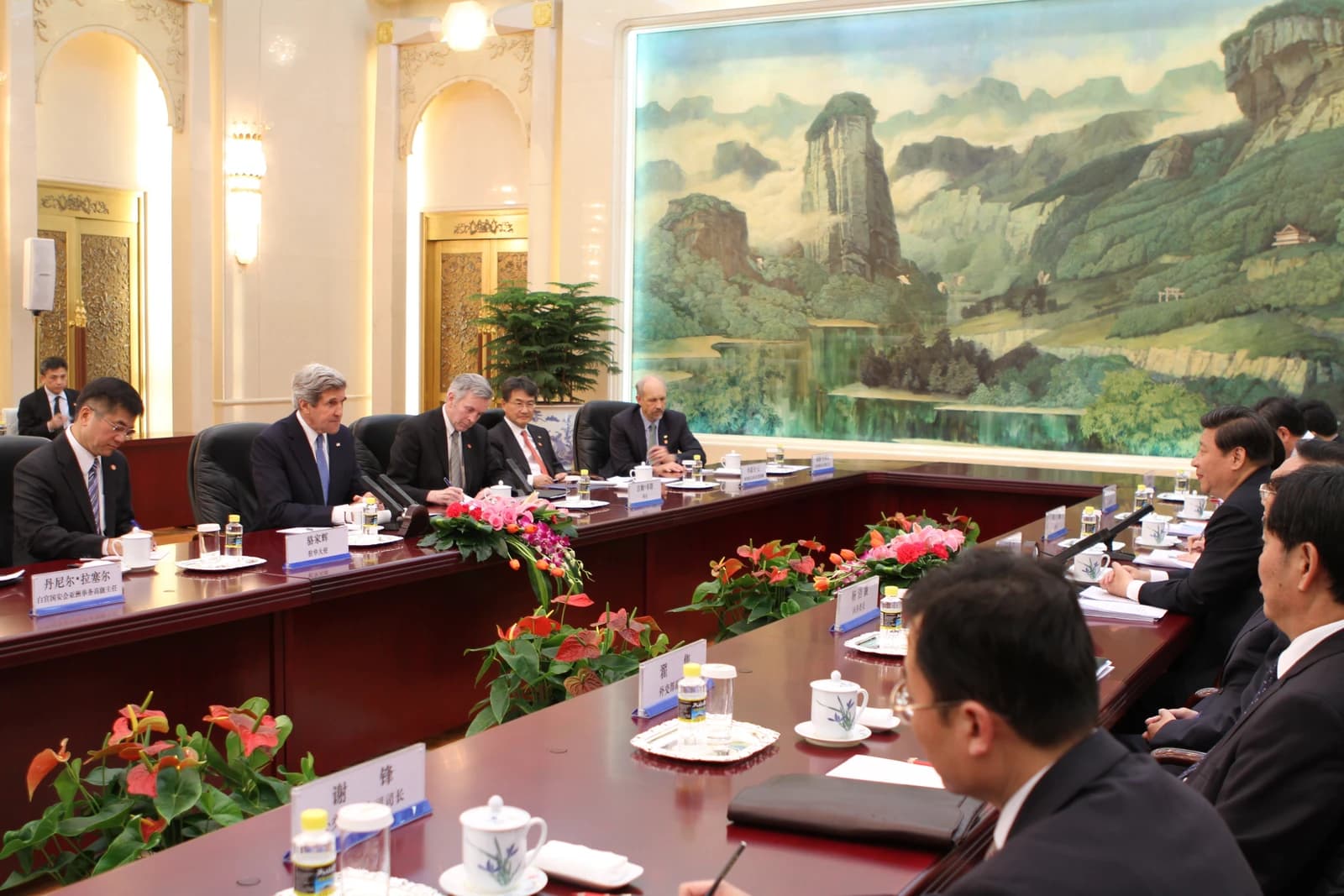
China’s repeated delays in finalizing the Shenzhen APEC schedule are dampening enthusiasm among American executives and risking a summit that Beijing had hoped would project diplomatic momentum, ease trade frictions and showcase higher-level engagement with the US.
China APEC delays weigh on US executive attendance
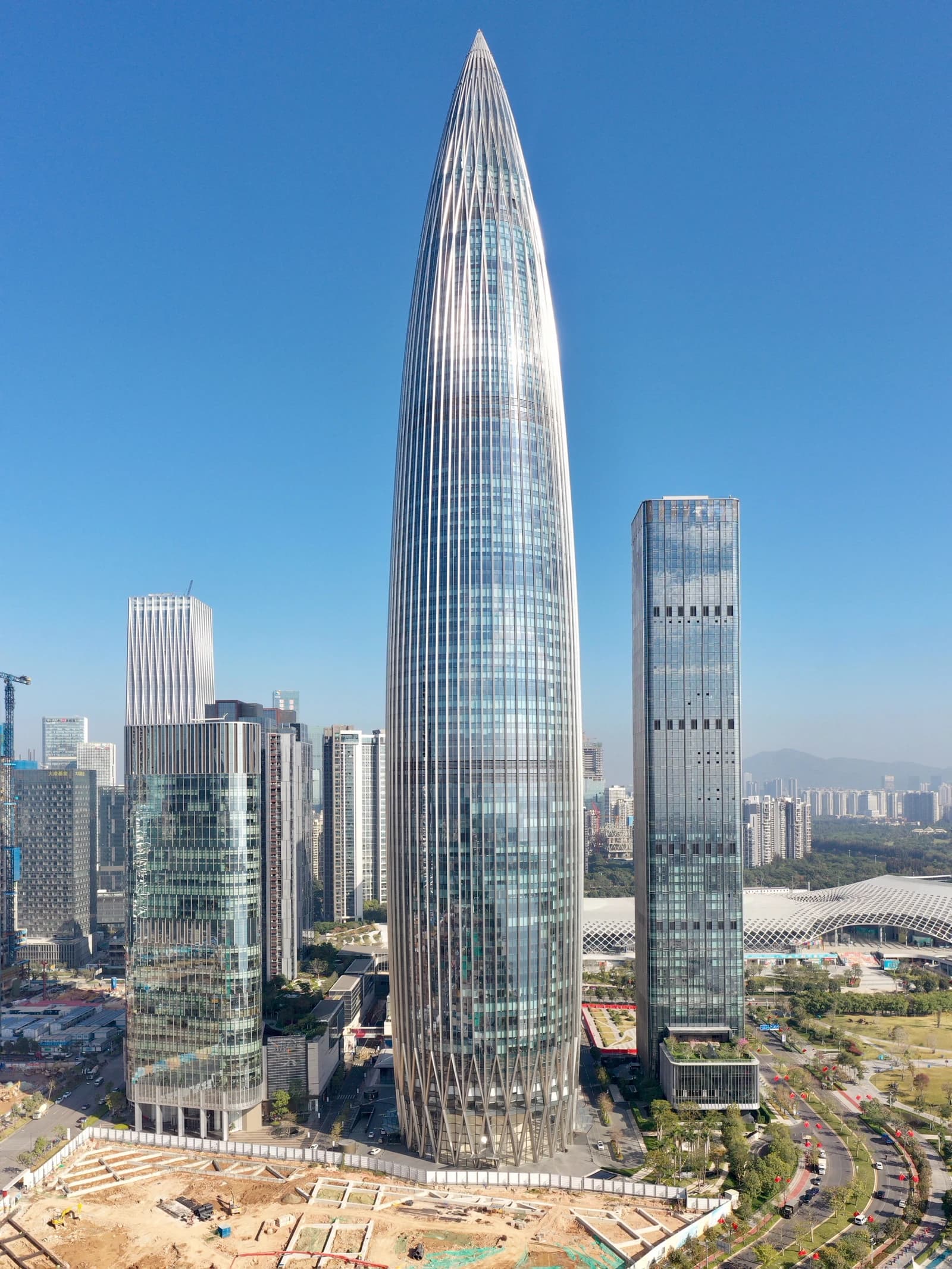
Several US CEOs are said to be skipping the gathering because they still do not have clear details on the timetable, planned meetings or where any meaningful access to Chinese and US officials would come from. That lack of structure matters because APEC is one of the few forums where corporate leaders can use political backdrops to press for tariff relief, market access and greater regulatory predictability. Without a credible schedule, the event starts to look less like a dealmaking opportunity and more like a photo op.
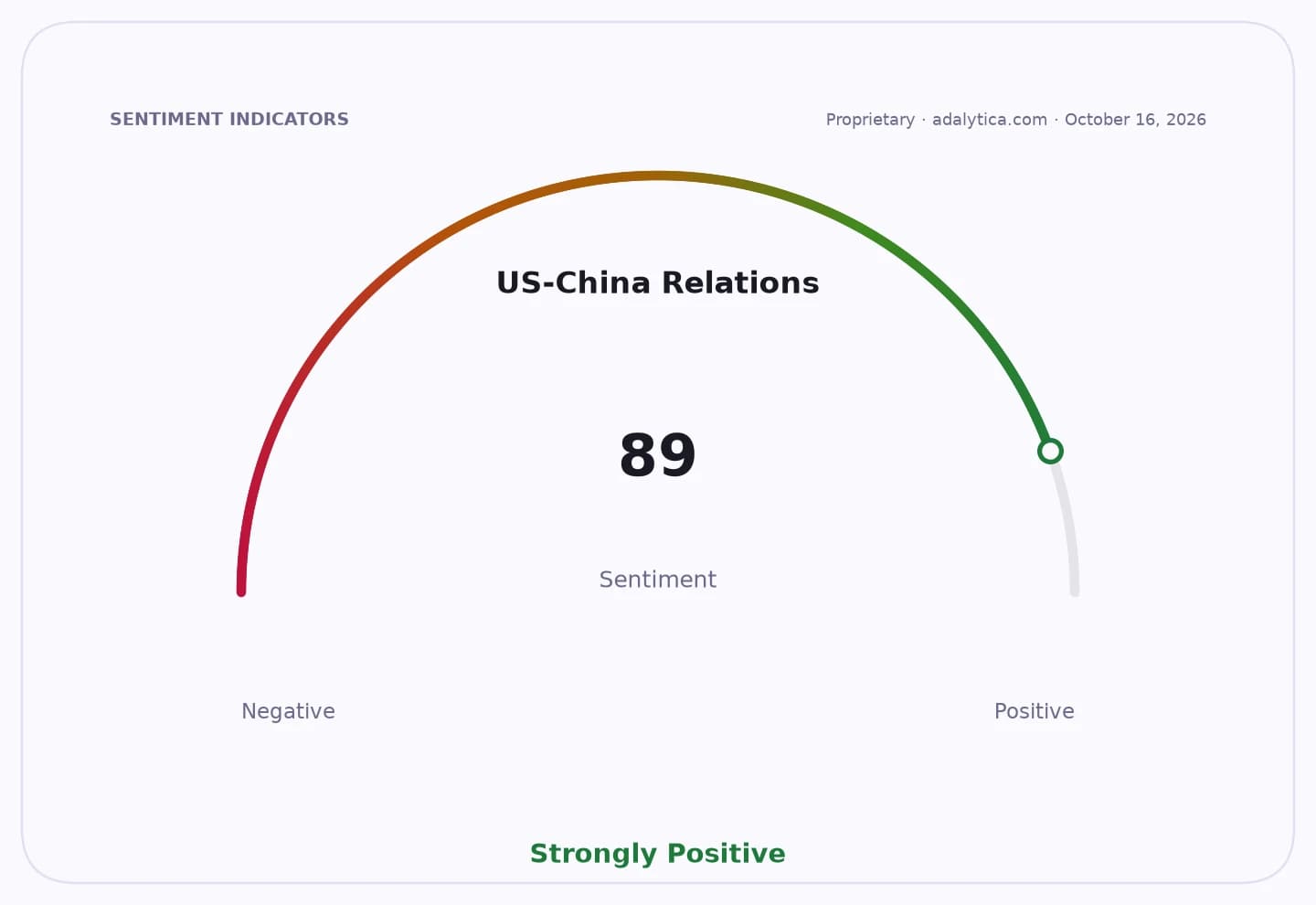
Sentiment IndicatorsⓘProprietary · adalytica.com · October 13, 2026
This is a snapshot — live sentiment, awareness and momentum for 130+ markets update continuously in the dashboard.Open AlphaPulse
The commercial stakes are not trivial. US-China business ties remain constrained by export controls, technology restrictions and the threat of further retaliation, particularly in sectors such as semiconductors, phones and advanced manufacturing. Apple, Nvidia and Taiwan Semiconductor Manufacturing all have direct exposure to the world’s second-largest economy, and each has a different reason to want clearer rules. Apple is vulnerable to supply-chain disruption and tariff risk, Nvidia still faces scrutiny over China data-center shipments, and TSMC sits at the center of the AI hardware ecosystem that is highly exposed to any worsening in cross-strait and US-China tensions.
Markets have so far treated the issue as a geopolitical drip rather than a full-blown shock. FXI, the iShares China large-cap ETF, has been hovering around the mid-$30s, with its latest close at 34.17, below both its 50-day and 200-day moving averages, a sign investors are still unwilling to re-rate China assets on diplomacy alone. Apple has held up better, closing at 345.08 and trading above both of its key moving averages, while TSMC has slipped to 441.17 after a strong run, suggesting some caution is creeping into names tied to China demand and global tech supply chains.
The broader backdrop is not helping. Adalytica’s US-China relations gauge shows sentiment at 79, but awareness at 14, implying attention to the relationship remains high even as confidence in a meaningful thaw is low. Beijing may still use APEC to signal openness, especially with Russian President Vladimir Putin also expected to attend, but the absence of a crisp schedule undercuts the odds of a substantive US-China reset.
For investors, the story is less about one missed summit and more about the durability of the policy overhang. If the meeting produces concrete bilateral engagements, technology names, exporters and multinational consumer firms could see a short-lived relief bid. If it remains poorly organized and light on deliverables, the market will likely read that as another sign that China-US commercial normalization is still distant.
| Entity | Gains | Losses |
|---|---|---|
| Beijing | ▲Diplomatic visibility | ▼Summit credibility |
| US CEOs | ▲Clarity and access, if improved | ▼Time and signaling value |
| Apple | ▲Potential tariff relief | ▼Supply-chain uncertainty |
| Nvidia/TSMC | ▲Better China demand visibility | ▼Export-control overhang |