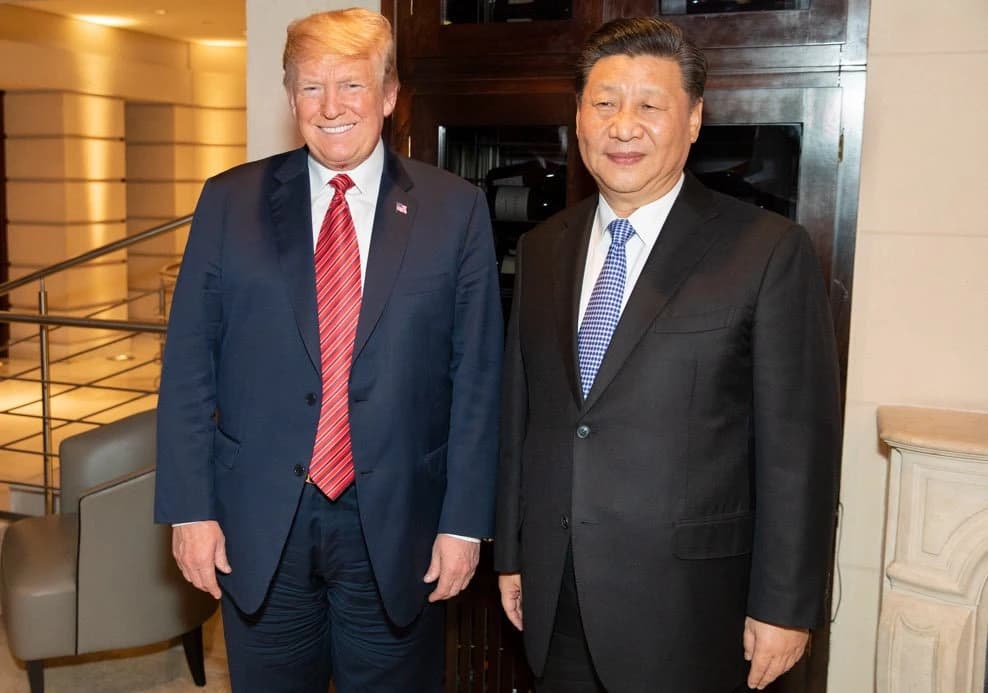
China got the image it wanted from the Xi-Trump summit: a leader of a rising power received as an equal by the United States, even if the meeting delivered little in the way of a durable trade or security settlement.
China, Xi Trump summit lifts sentiment, not policy
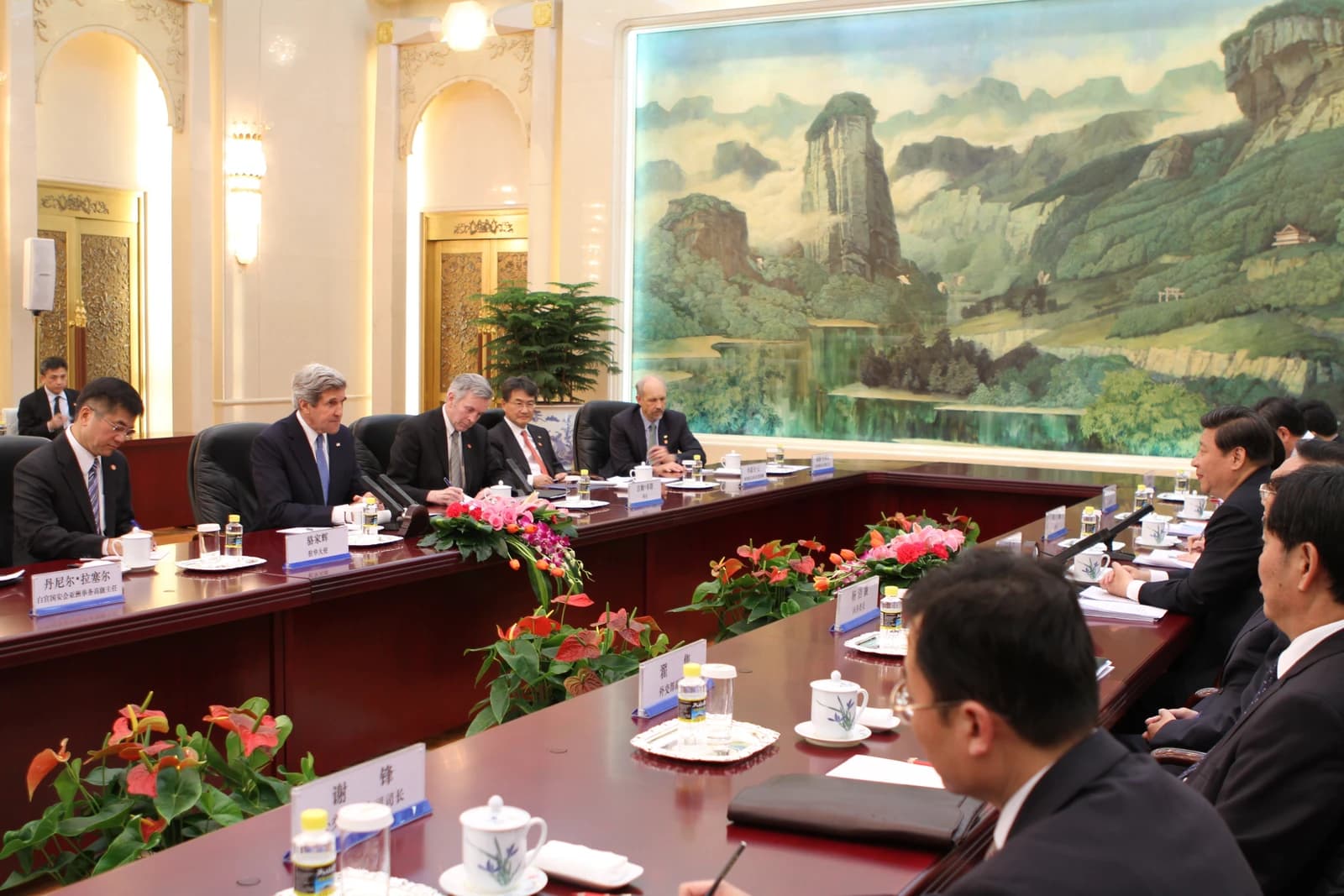
That matters because perception is part of power. In Beijing, the carefully choreographed welcome for Xi Jinping — including Trump’s rare airport reception of Xi and his wife Peng Liyuan — was widely amplified by state media and applauded on Chinese social media as proof that China has become too important to ignore. For a country still managing weak growth, property stress and uneven consumer confidence, that kind of status boost helps sustain domestic support for a long contest with Washington.
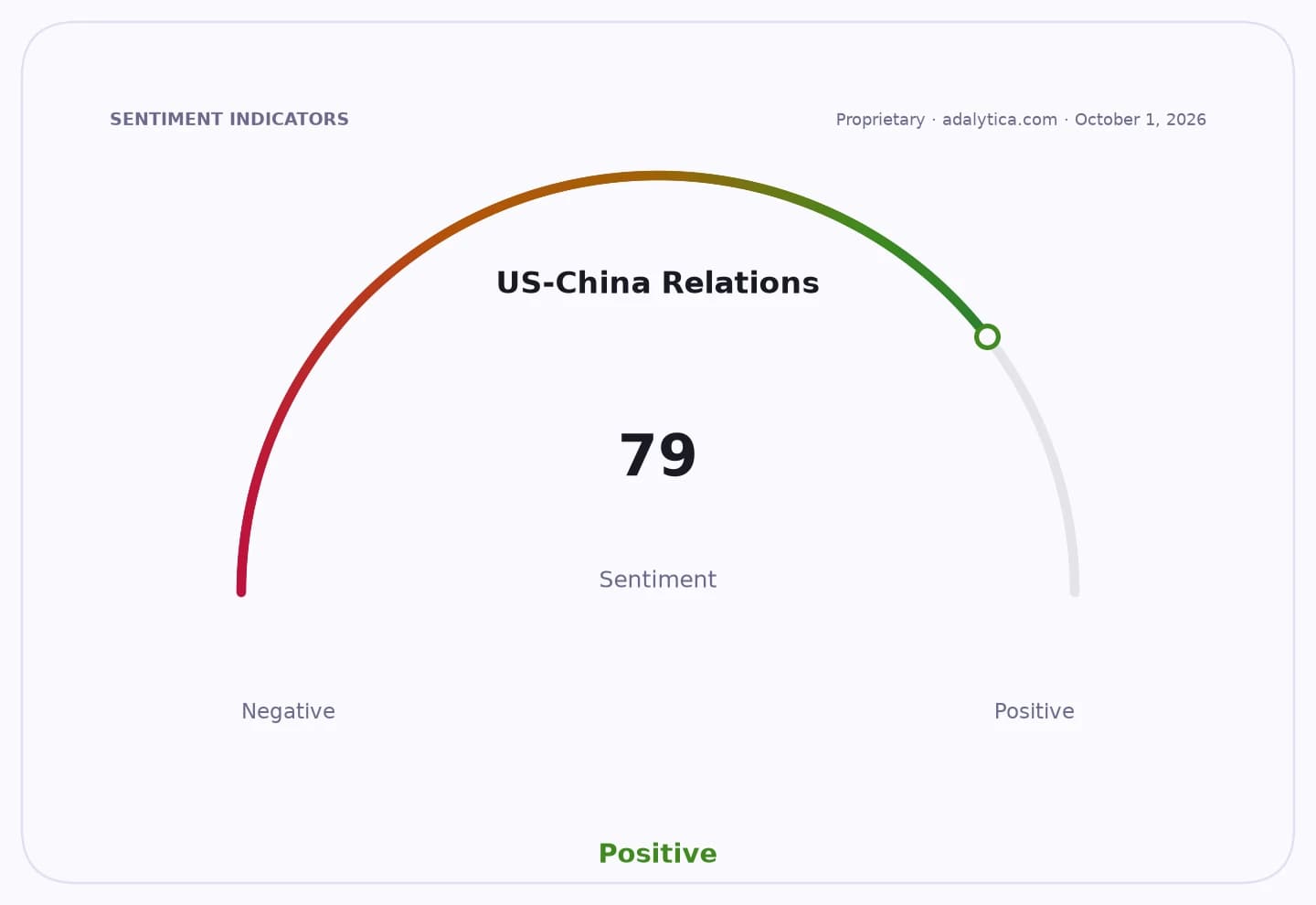
Sentiment IndicatorsⓘProprietary · adalytica.com · October 1, 2026
This is a snapshot — live sentiment, awareness and momentum for 130+ markets update continuously in the dashboard.Open AlphaPulse
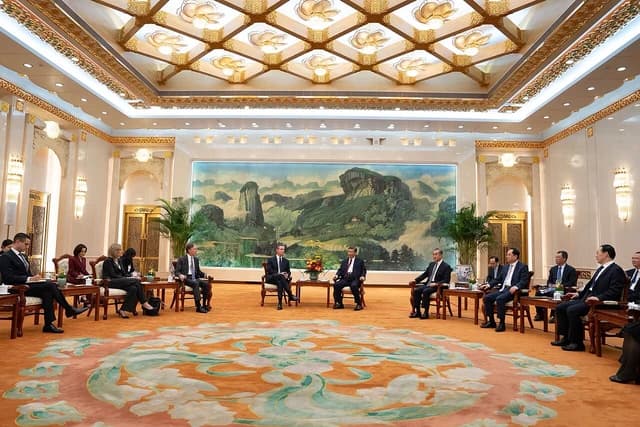
The immediate economic significance is limited. The summit did not resolve the issues that most affect companies and markets: tariffs, technology restrictions, Taiwan, export controls and supply-chain risk. But even without a breakthrough, the meeting signaled that both sides are prepared to keep talking rather than lurch straight into confrontation. That lowers, at least for now, the odds of a sudden escalation that could jolt trade flows, corporate earnings and investor sentiment across Asia.
Chinese commentary focused on the optics of respect and stability. Students and social media users pointed to the ceremony itself as evidence that China’s international standing has risen. That message fits Beijing’s broader political narrative: if the United States is willing to extend a warmer welcome, then China’s long-term economic and diplomatic trajectory looks intact despite the friction of rivalry.
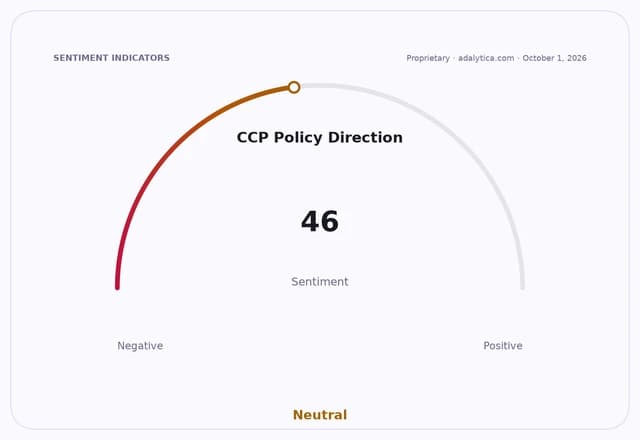
CCP Policy Direction — 30-day sentimentadalytica.com
Explore this data interactively — full history, time series and cross-market comparisons.Open AlphaPulse
For investors, the key question is not whether this summit created a deal — it didn’t — but whether it reduces the risk premium attached to China assets. That is why the reaction in Chinese equities and related ETFs is worth watching. The iShares China Large-Cap ETF, FXI, has been trading below its 200-day moving average, with the latest close at $33.86 versus a 200-day average of about $36.14, showing that investors remain cautious even after the diplomacy. The Direxion Daily FTSE China Bull 3X Shares, YINN, has also been volatile and well below its 200-day average, a reminder that traders still need proof of policy follow-through, not just better headlines.
Technical indicators underline that point. FXI’s 50-day moving average has been drifting lower, and its RSI reading around 41 suggests the ETF is neither deeply oversold nor in a strong uptrend. YINN, meanwhile, sits near $24.64, far under its 200-day average around $33.19, with momentum still weak. In plain English: markets are treating the summit as useful for sentiment, not yet as a fundamental catalyst.
The broader narrative is that Washington and Beijing are trying to manage rivalry without breaking the economic link that still ties the two biggest economies together. Trump may have preferred the pageantry, but Xi also got what he needed: a public stage to project China’s confidence and negotiating status to a domestic audience that judges strength as much as substance.
That leaves investors with a familiar conclusion. Diplomatic theater can soften volatility, but it does not replace earnings growth, policy clarity or a real thaw in trade relations. For long-term investors, the better takeaway is to keep China exposure selective, diversified and patient, while watching for whether warmer rhetoric eventually turns into something that can support valuations. For now, the summit is worth watching — but not enough to change a long-term thesis on its own.
| Entity | Gains | Losses |
|---|---|---|
| China / Xi Jinping | ▲Status boost | ▼No policy breakthrough |
| US/China relations | ▲Lower near-term tension | ▼Unresolved strategic rivalry |
| Chinese equities, FXI | ▲Better sentiment | ▼Weak technical trend |
| Traders expecting a deal | ▲Reduced escalation risk | ▼Lack of actionable catalyst |