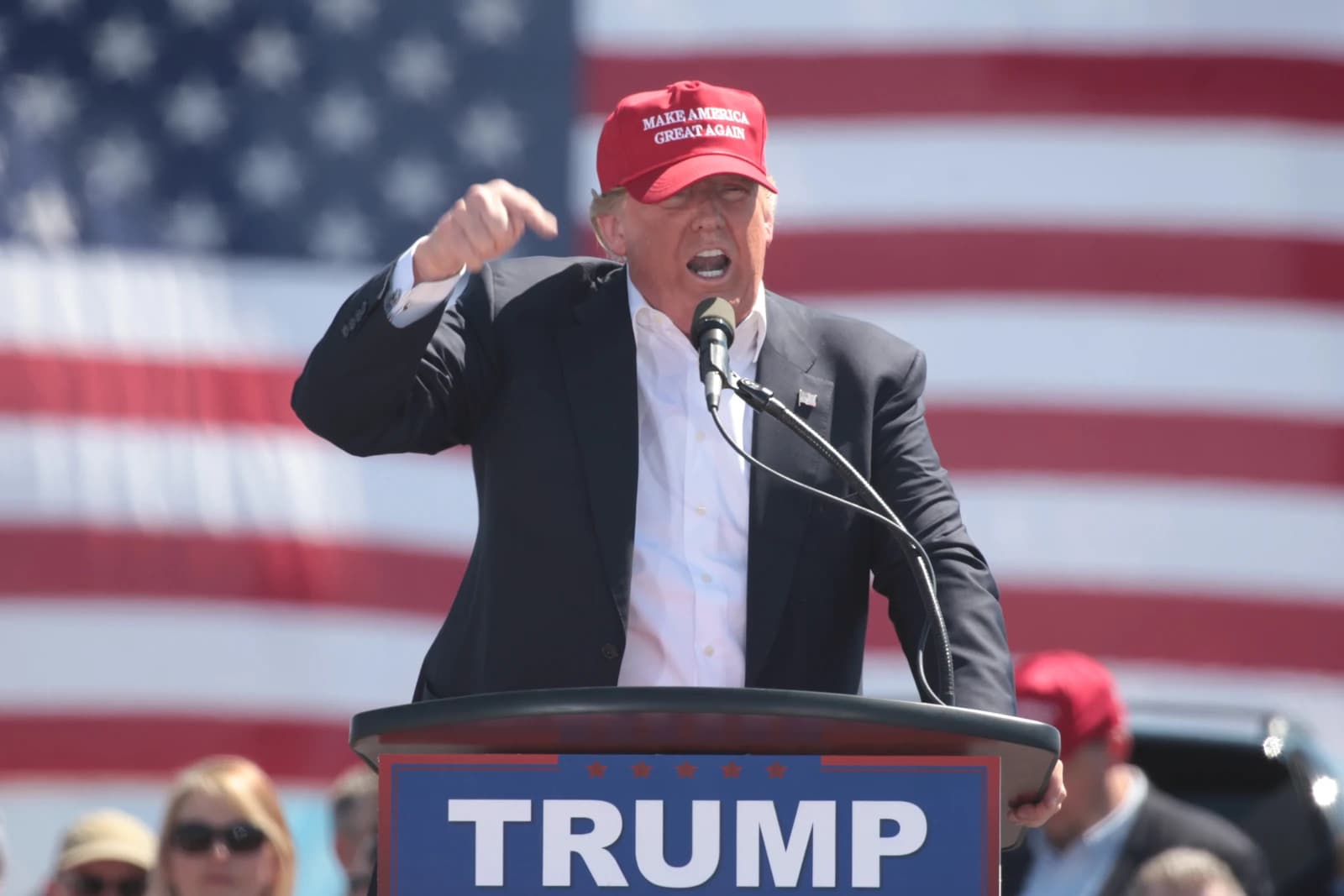
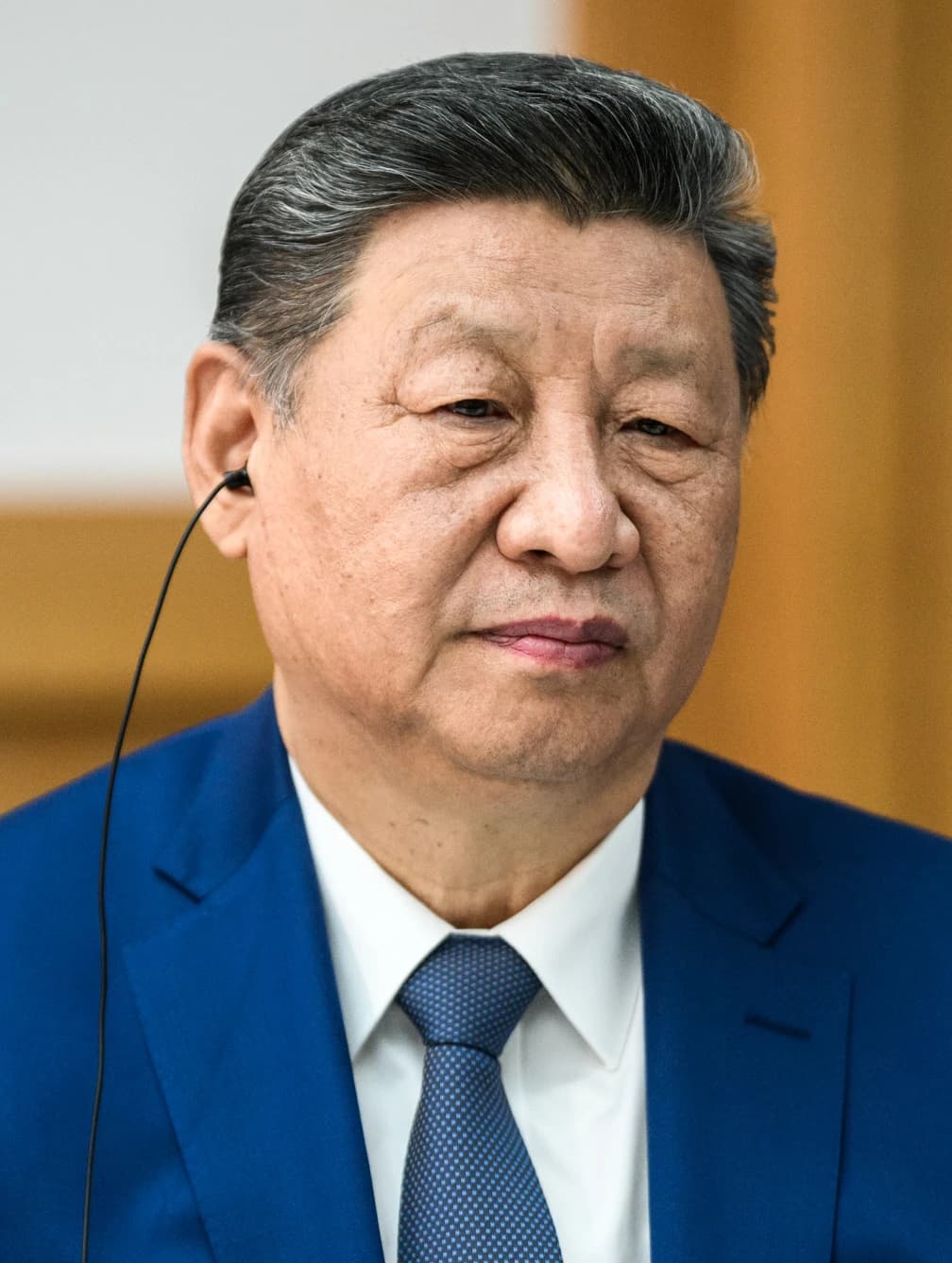
President Donald Trump’s acceptance of Xi Jinping’s invitation to visit China next November extends the most important economic story in global markets right now: the effort by the world’s two largest economies to turn a fragile trade détente into something durable enough for business to plan around.
Trump, Xi China Meeting Lifts Trade Thaw Bets
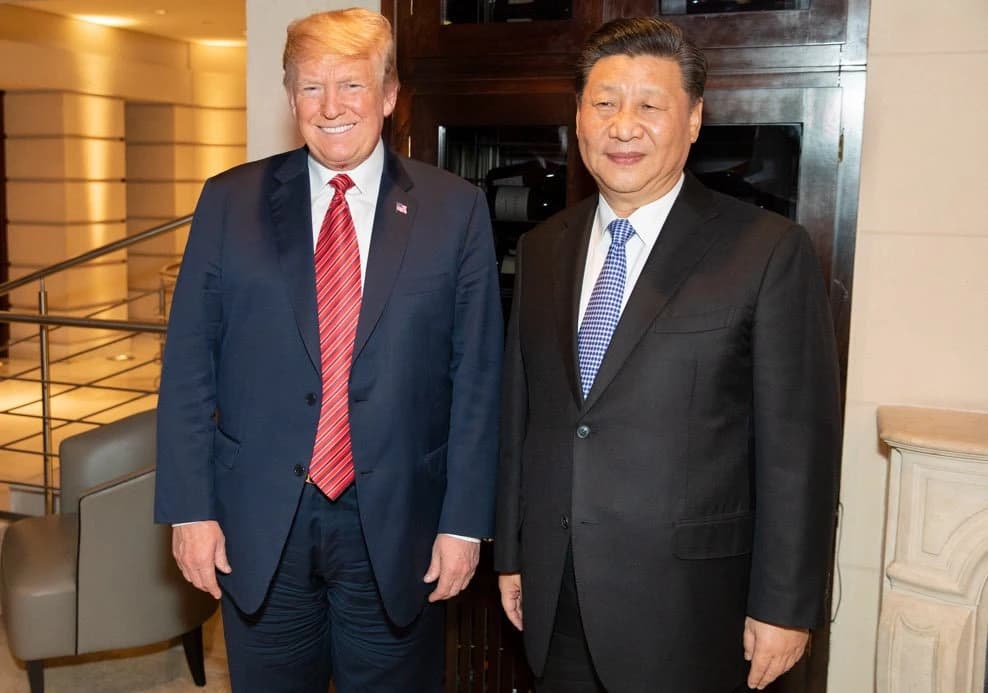
For investors, that matters because U.S.-China relations are no longer just a geopolitical headline. They are a direct driver of tariffs, export controls, supply chains, semiconductors and capital flows. Trump said on Truth Social that he and Xi will meet again in China in November and at the G20 in Miami in December, signaling a calendar of high-level engagement that could keep a recent easing in tensions alive through year-end. That is especially important for sectors with the most at stake: chipmakers, hardware suppliers, industrial exporters and China-linked ETFs.
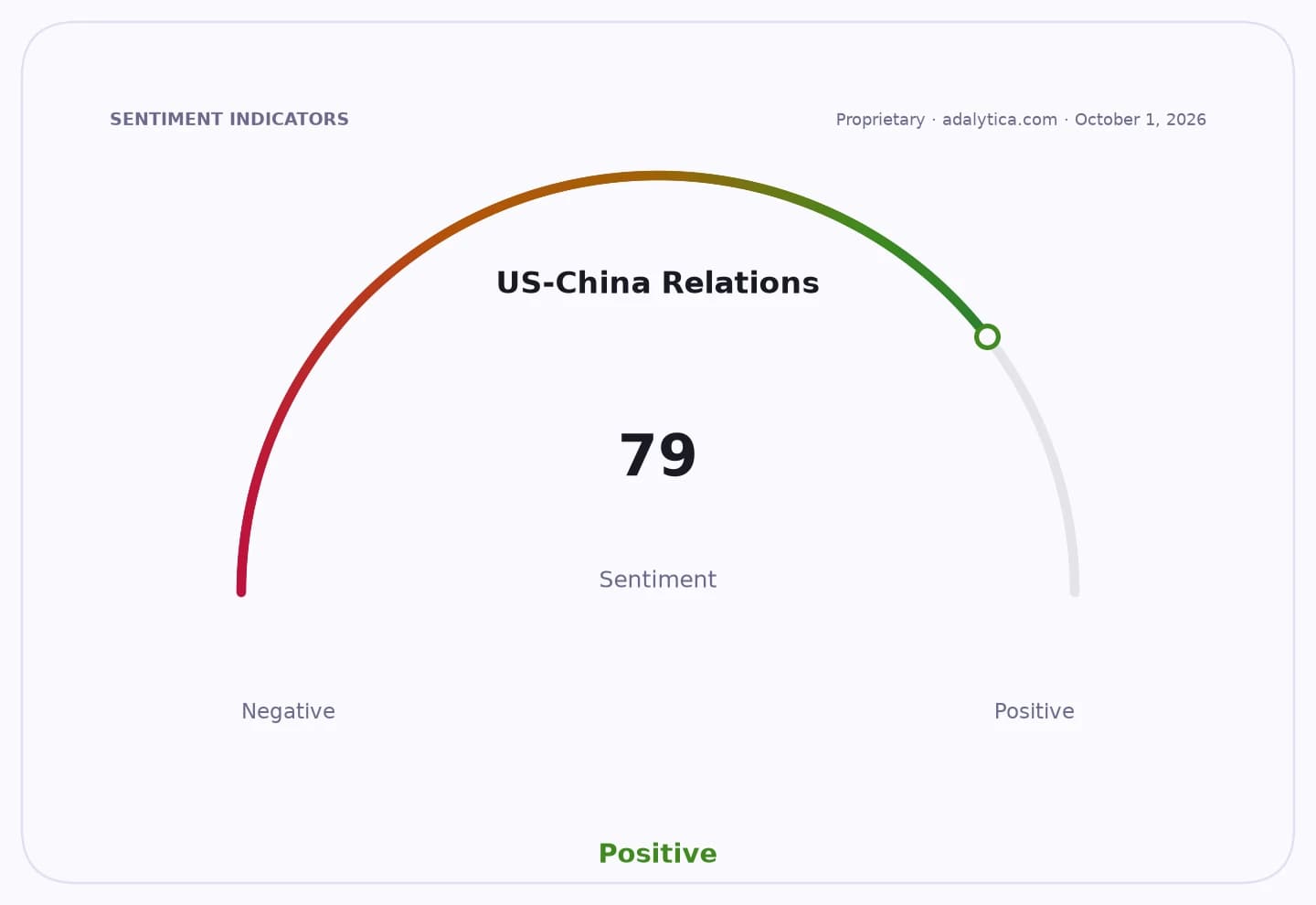
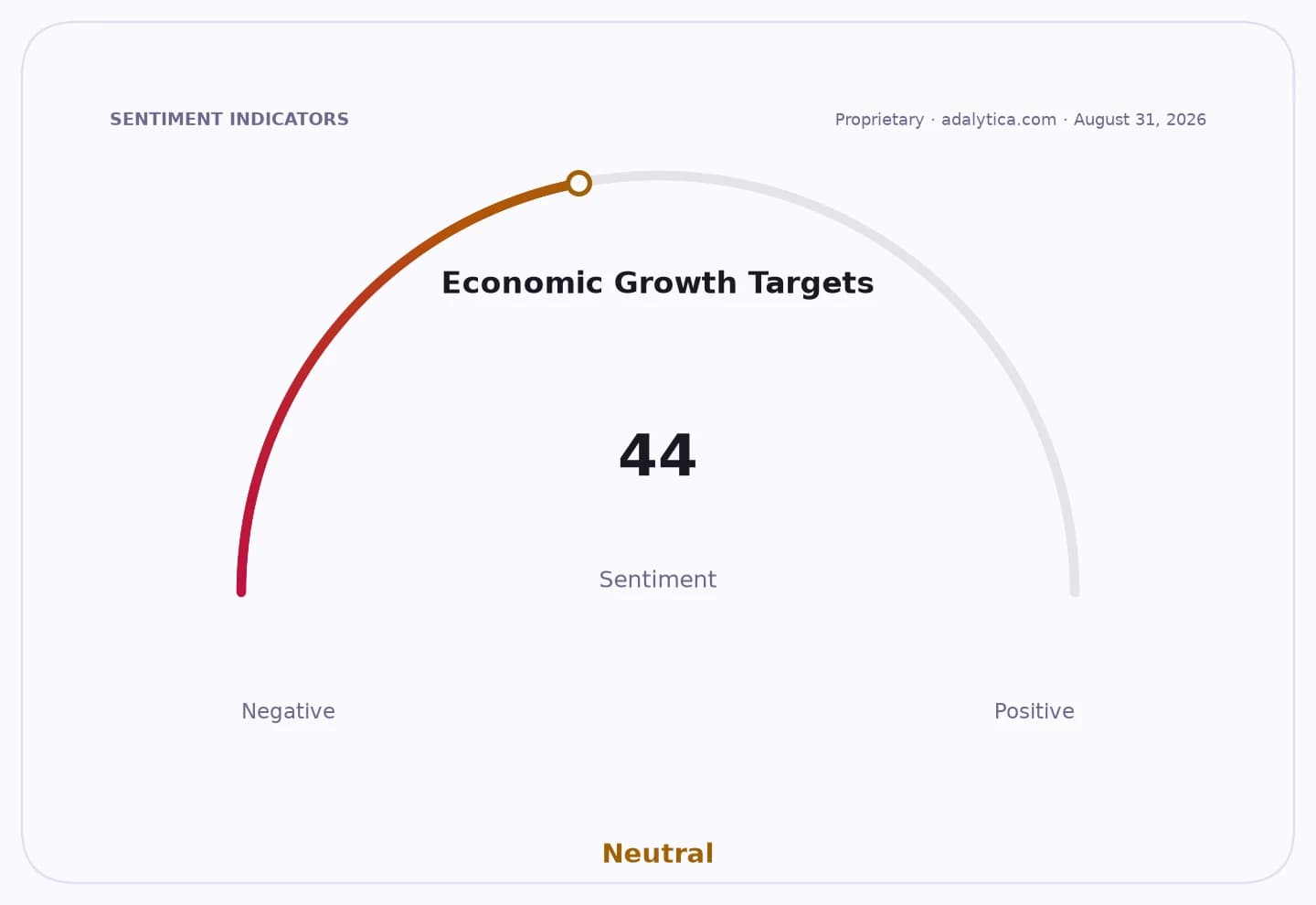
Sentiment IndicatorsⓘProprietary · adalytica.com · October 1, 2026
This is a snapshot — live sentiment, awareness and momentum for 130+ markets update continuously in the dashboard.Open AlphaPulse
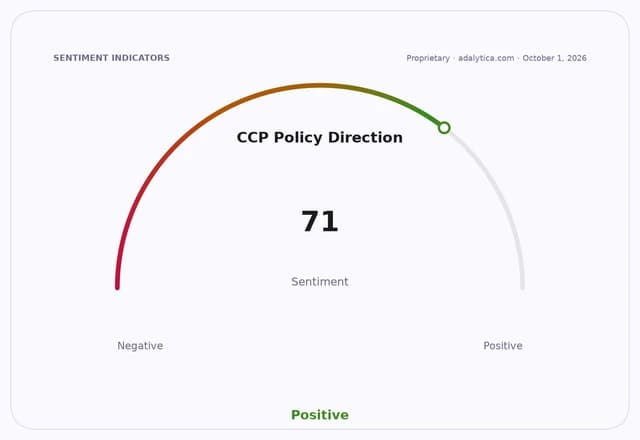
The market is already treating the thaw as investable, but not with conviction. The iShares MSCI China ETF, FXI, closed at 34.06 on Oct. 1, still below its 50-day moving average of 35.16 and its 200-day average of 36.09, showing that sentiment has improved faster than price. The Xtrackers Harvest CSI 300 China A-Shares ETF, MCHI, finished at 52.29, also under both its 50-day and 200-day averages. That tells me the market is pricing diplomacy as a temporary relief rally, not a structural reset.
That may be the mistake. When Washington and Beijing are both talking about stability, even if only tactically, the first beneficiaries are the toll roads of the global economy: companies that move goods, sell chips, provide cloud and AI infrastructure, or depend on cross-border demand staying open. Nvidia and Apple have both warned in recent filings that tariffs, export restrictions and geopolitical developments can hit demand and supply chains. Micron has also disclosed that trade disputes and Chinese restrictions can disrupt revenue. A sustained pause in escalation would not erase those risks, but it would lower the discount rate investors apply to China exposure and ease pressure on the supply chains that run through the U.S., Taiwan, South Korea and mainland China.
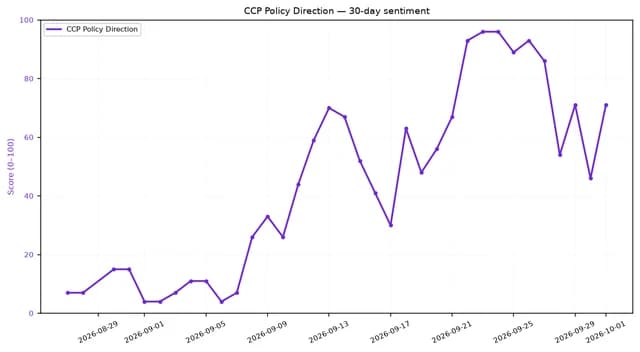
The move also matters because the macro backdrop is unusually sensitive. The 10-year Treasury yield sits around 5.3%, while high-yield credit spreads remain near 3.1 percentage points, so markets are already living with tighter financial conditions. In that environment, a détente between the U.S. and China does more than reduce diplomatic noise: it can support risk appetite, improve visibility on corporate capex and reduce the odds that another tariff or export-control shock tightens conditions further.
The hardest question for investors is whether this is theater or policy. I think the better framing is option value. A meeting in China in November and another at the G20 in December give both leaders repeated chances to lock in the recent eight-point consensus and prevent a backslide. That creates a favorable setup for selective China exposure, especially where valuation still lags the narrative. YINN, the leveraged China bull ETF, remains far below prior peaks and still trades under its 50-day and 200-day averages, underscoring how little perfection is priced in.
The market underestimates how powerful even modest stability can be for beaten-down China assets and for U.S. multinationals exposed to the relationship. If the truce holds, the next leg higher likely comes not from a single headline, but from a series of small confirmations: tariff restraint, export-license clarity, and more predictable access to China’s consumer and industrial demand. For investors, the actionable takeaway is simple: stay positioned for a gradual U.S.-China de-escalation, and focus on the companies and ETFs that gain most when policy risk stops getting worse.
| Entity | Gains | Losses |
|---|---|---|
| China-linked ETFs (FXI, MCHI, YINN) | ▲Lower policy risk premium | ▼Trade-war fear premium |
| U.S. chipmakers and suppliers | ▲Better export visibility | ▼Restrictive licensing regimes |
| Multinationals with China exposure | ▲More stable demand outlook | ▼Tariff and supply-chain shocks |
| Hardline tariff and decoupling bets | ▲— | ▼De-escalation narrative |