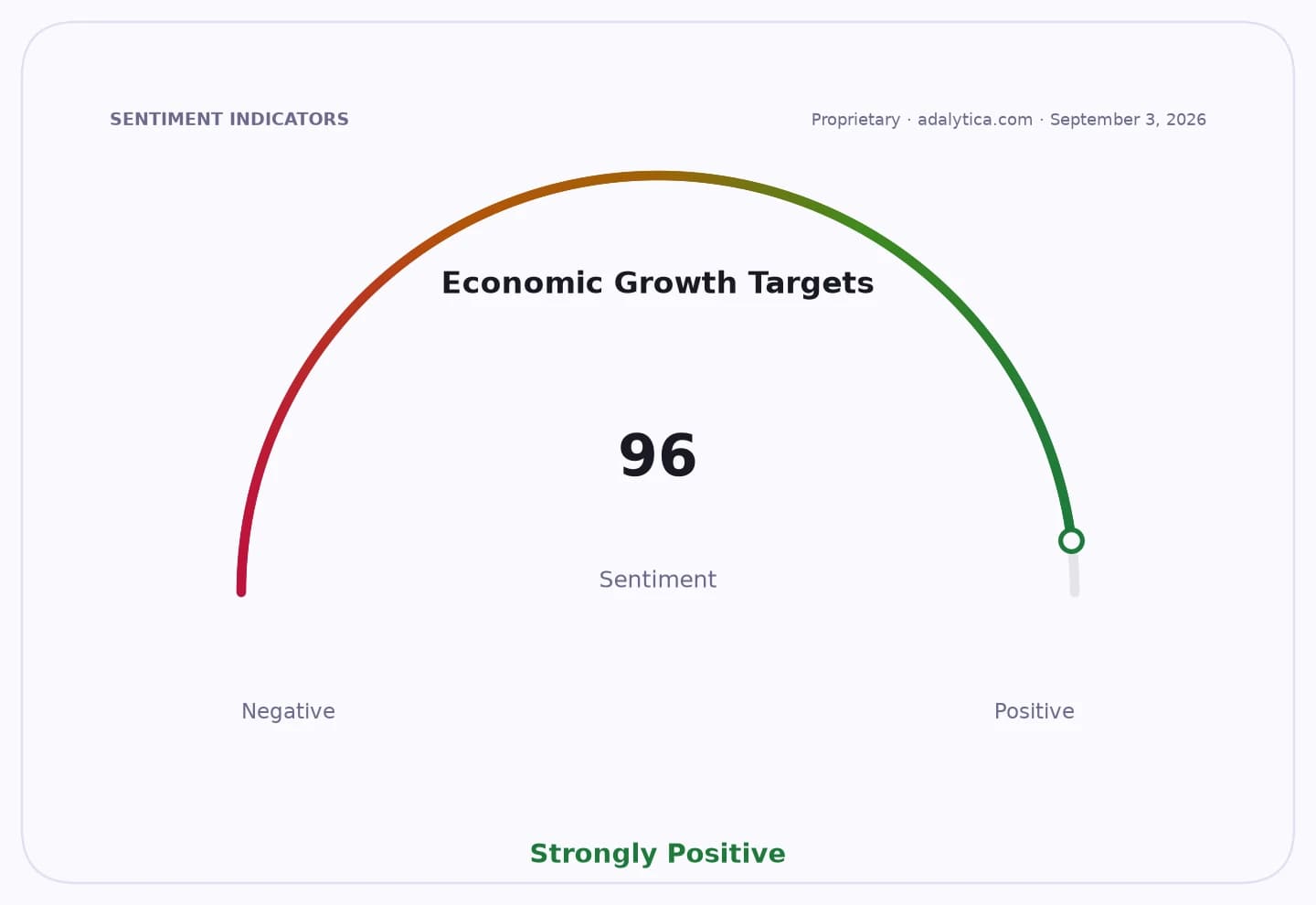
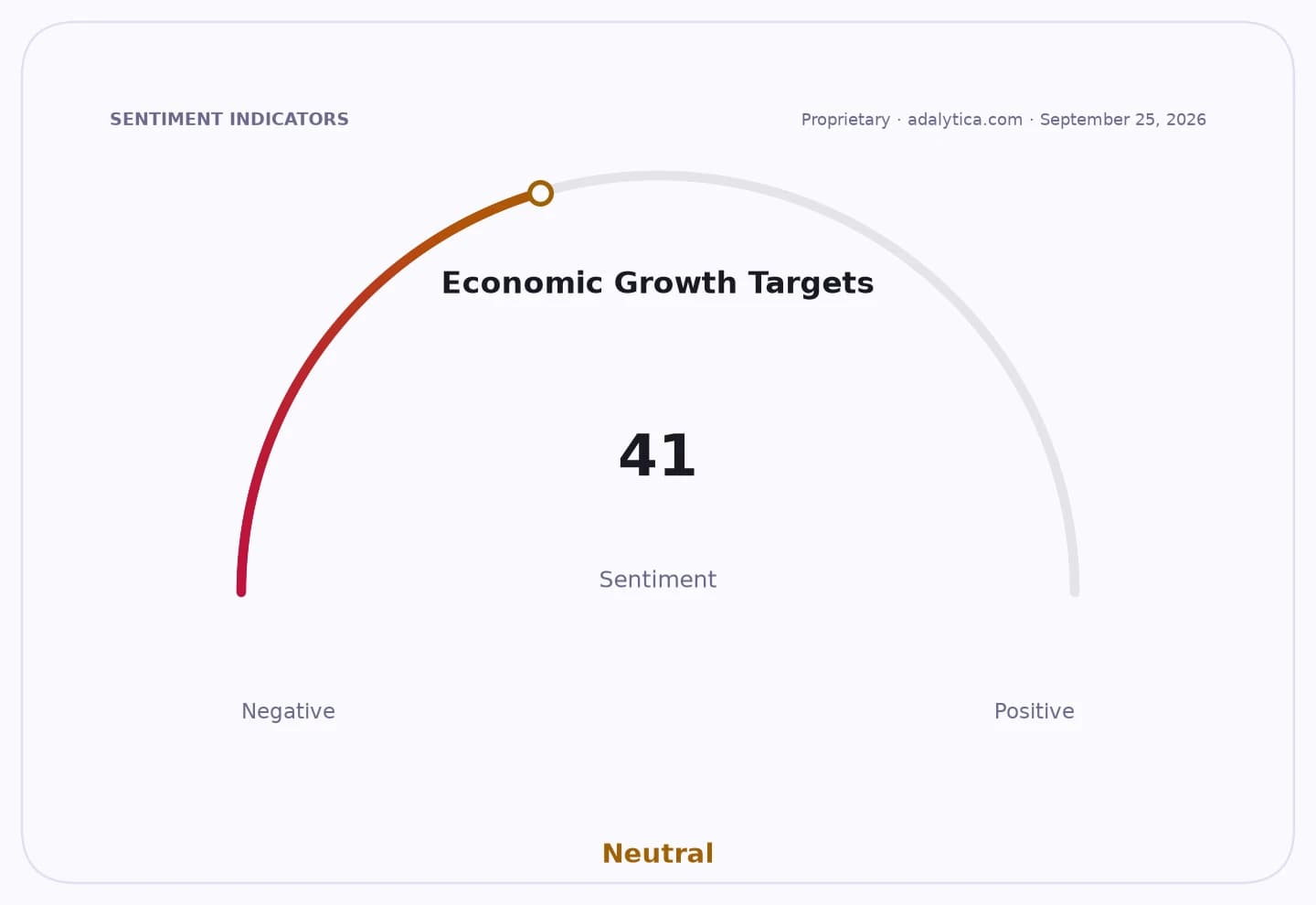
China’s factory sector remained in contraction in August, but the small move up in the manufacturing purchasing managers’ index to 49.8 suggests the world’s second-largest economy may be finding a floor after months of stop-start growth.
China August PMI Holds Below 50 at 49.8
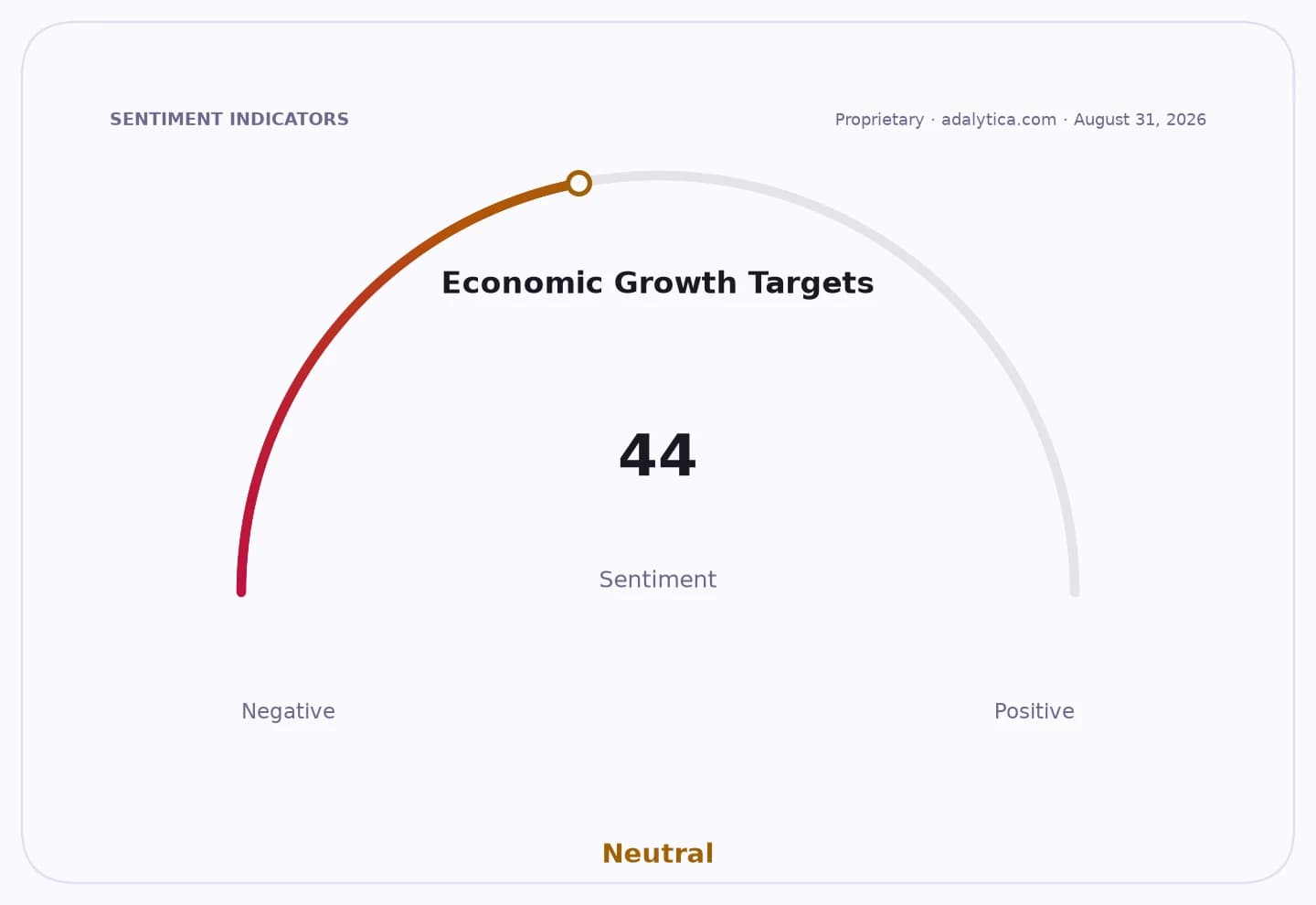
That matters because China is still a core engine for global demand, from industrial metals and energy to semiconductors, luxury goods and capital equipment. A reading below 50 means activity is shrinking, so August’s number says more about stabilization than recovery. Still, the rise from 49.2 in July points to a modest improvement in momentum, which is exactly what investors want to see after a long stretch of weakness in property, exports and business confidence.
The more worrying part of the report was outside factories. The non-manufacturing PMI stayed below 50 at 49, showing services and construction were still struggling to regain traction. That split tells the real story: China’s industrial base is showing tentative resilience, but domestic demand remains too soft to generate a broad-based rebound.
For investors, that is a mixed signal. China-focused funds such as the iShares China Large-Cap ETF, or FXI, and the iShares MSCI China ETF, MCHI, have already been volatile, and the latest readings do not give a clear reason to chase the rally. FXI was trading around $35.51 on Aug. 28, still below its 200-day moving average, while MCHI was near $55.23, also under its 200-day trend. Those technical levels suggest the market has not yet priced in a convincing turnaround. Meanwhile, the leveraged Direxion Daily FTSE China Bull 3X Shares, YINN, remains highly sensitive to every data point, which is why short-term traders may see opportunity and long-term investors should treat it as a trading vehicle, not a core holding.
The bigger economic question is whether Beijing can turn a modest factory stabilization into sustained demand. If manufacturing stays near breakeven while services remain stuck below 50, growth will likely lean on policy support rather than a self-sustaining private-sector recovery. That keeps pressure on authorities to do more on fiscal stimulus, credit, housing and consumer confidence.
For long-term investors, China is still a market to watch, not a market to assume has healed. The factory data are better than outright deterioration, but they are not yet the kind of numbers that usually mark a durable turning point. Patience, diversification and a focus on businesses with real pricing power remain the smarter play. If you own China exposure, this is a reminder to size it carefully and hold it with a multi-year view.
| Entity | Gains | Losses |
|---|---|---|
| Chinese manufacturers | ▲Slight stabilization | ▼Still-contracted output |
| Beijing policymakers | ▲More room to claim progress | ▼Pressure for bigger stimulus |
| FXI and MCHI holders | ▲Hopes of a bottoming trend | ▼No confirmed recovery yet |
| YINN traders | ▲Big moves on data surprises | ▼Severe volatility and decay risk |