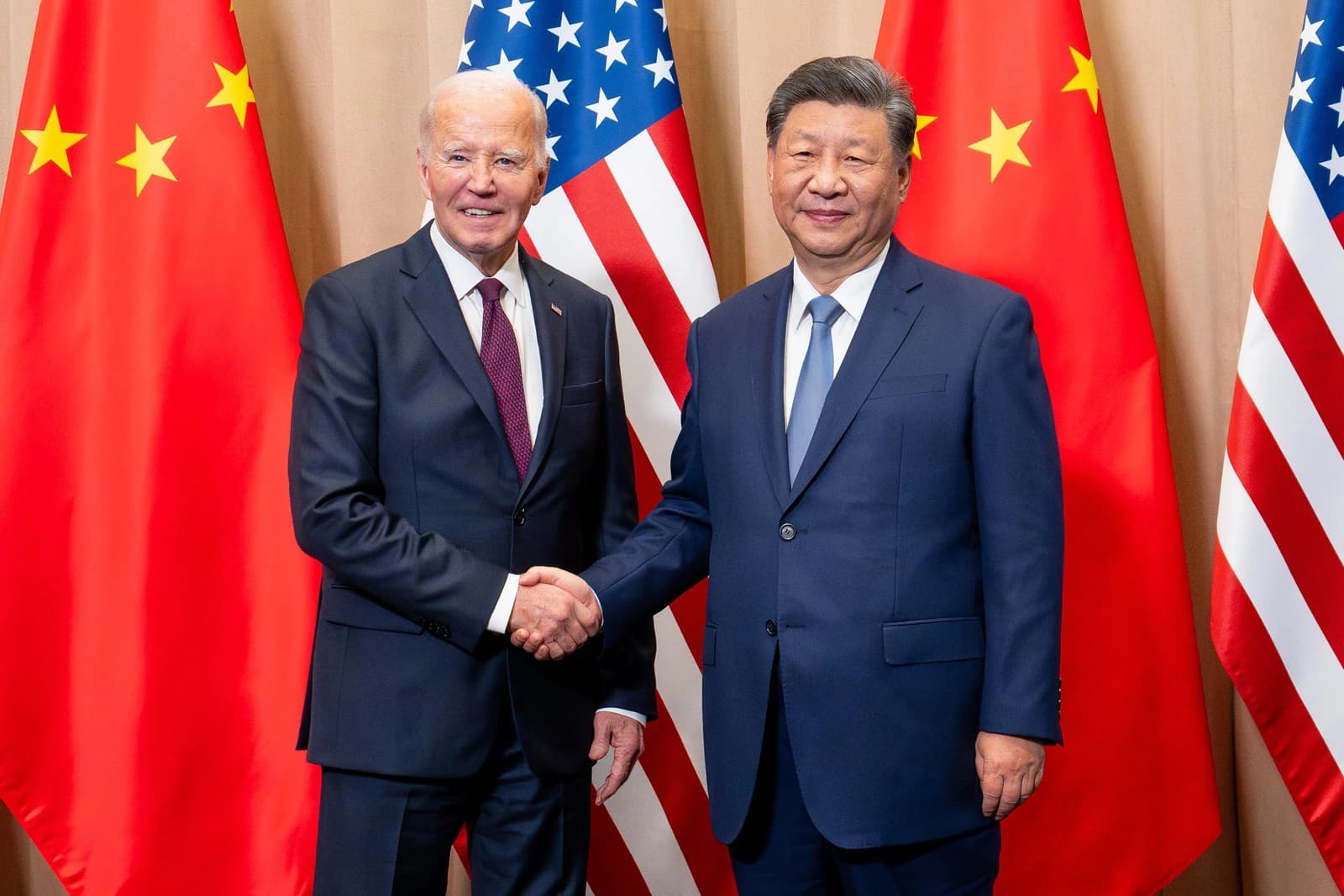
Trump’s offhand reference to China as a World War II “ally” has rattled Japanese officials because it risks handing Beijing a diplomatic opening just as Tokyo is trying to keep U.S.-Japan alignment tight and China pressure contained.
Japan Officials React to Trump China Ally Remark

The confusion in Tokyo matters because history is now part of the policy battlefield. Japan has spent months confronting Chinese criticism over what Beijing calls “new militarism,” while trying to preserve a stable security line with Washington. Any suggestion from the White House that flatters China’s wartime narrative could complicate Japan’s messaging, weaken the appearance of allied coordination and give Beijing more room to frame itself as the victim rather than the aggressor in the regional dispute.
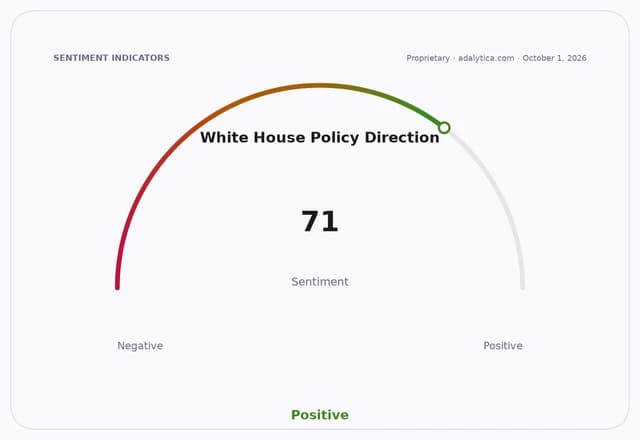
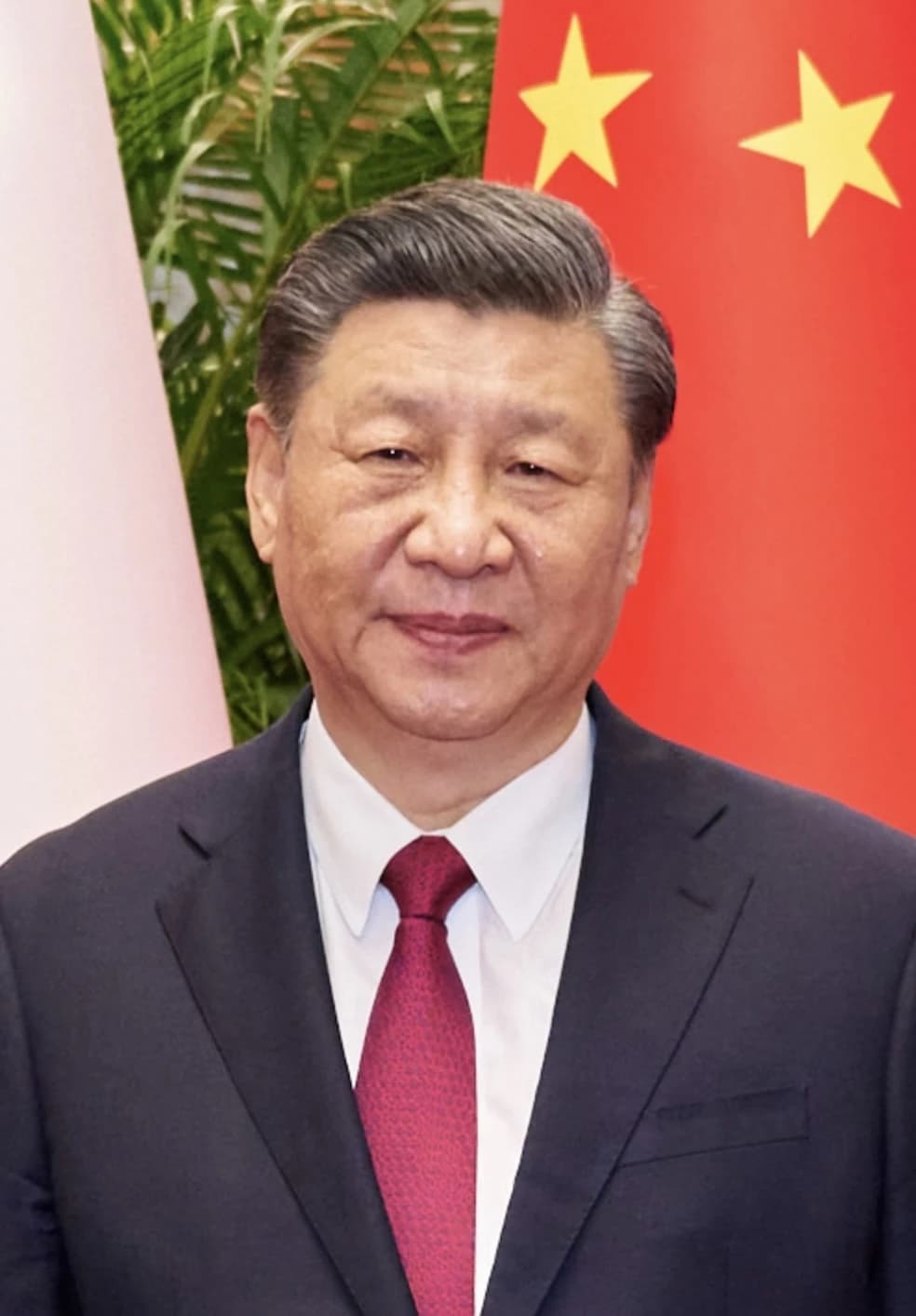
The immediate problem is not that U.S. policy has fundamentally shifted, but that tone and timing can move markets and diplomacy. Trump made the remarks before meeting Xi Jinping, and Japanese officials fear Beijing may selectively quote them to bolster its own narrative in disputes over Taiwan, trade, military spending and regional security. That is why a comment that might otherwise be dismissed as rhetorical sloppiness is being treated in Tokyo as a potential strategic gift to China.
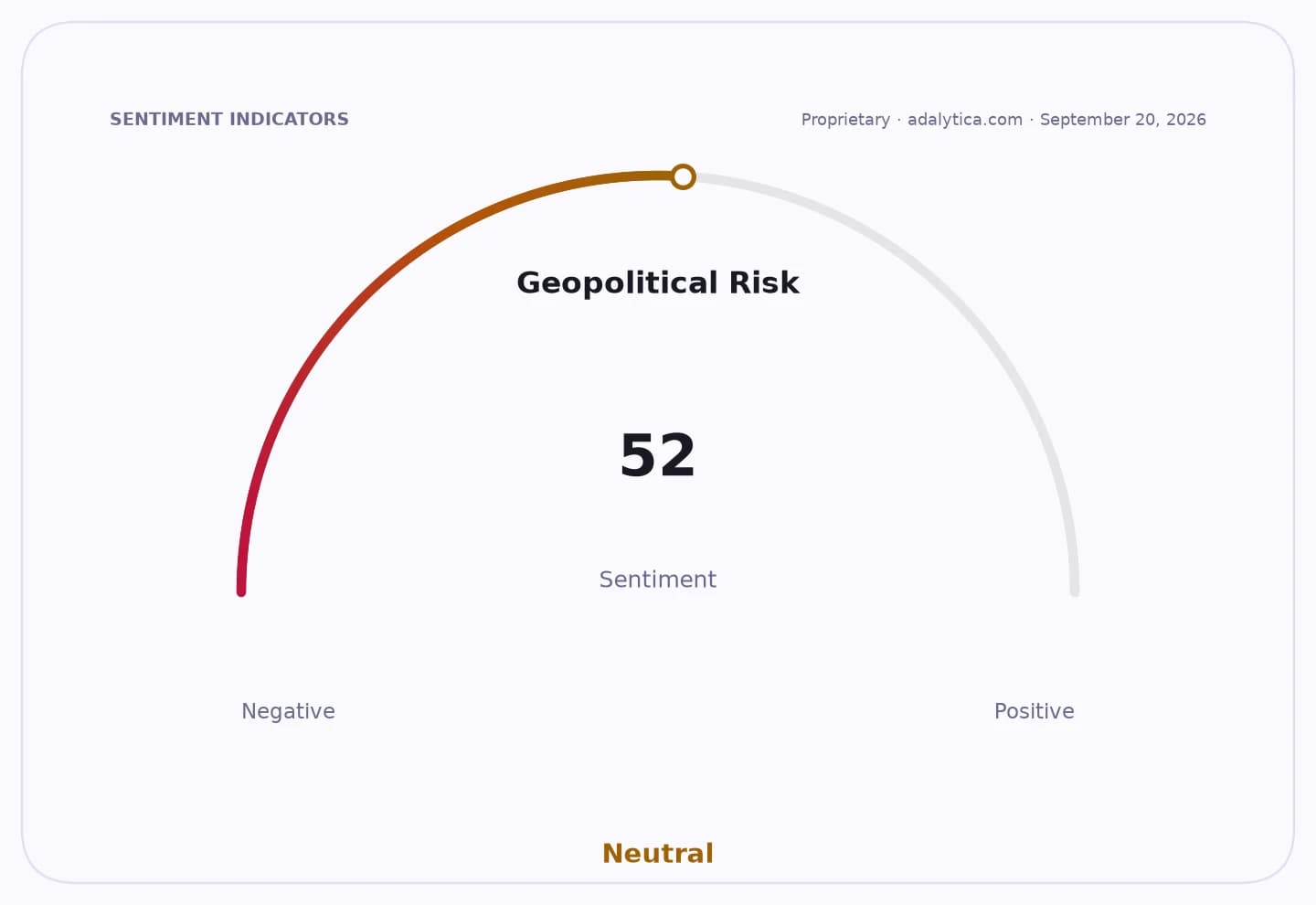
For investors, the risk sits in the gap between rhetoric and policy. Japan is a core U.S. ally and a major beneficiary of regional security premiums, but relations among Washington, Tokyo and Beijing can affect defense spending expectations, supply-chain planning and sentiment toward Japan-listed exporters. The Japan-focused ETF EWJ was trading at $97.46 on Sept. 30, above its 50-day moving average of $95.72 and far above its 200-day average of $89.93, while RSI readings around 53 suggested a market that is steady rather than stretched. That leaves room for geopolitical headlines to drive short-term positioning even if the longer-term trend remains intact.
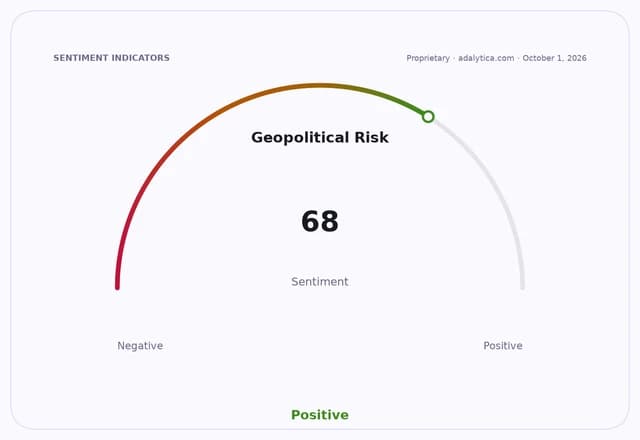
The broader market backdrop is mixed. The S&P 500 ETF SPY closed at $762.63, with the 50-day moving average at $761.19 and the 200-day at $716.11, showing U.S. equities still near record territory and relatively insulated from geopolitical noise. China stocks, however, remain more vulnerable. The FXI China ETF was at $34.02, below both its 50-day moving average of $35.17 and its 200-day average of $36.11, a sign that sentiment toward Chinese equities is still fragile. That matters because any diplomatic phrase that Beijing can use to reinforce its nationalist line may support state messaging, but it does little to fix investor caution around growth, tariffs and policy unpredictability.
Tokyo’s concern also reflects a deeper asymmetry: Japan needs Washington to stay consistent on China while keeping its own relationship with Beijing from deteriorating further. Prime Minister Sanae Takaichi responded cautiously, stressing that U.S.-Japan ties are “very strong” and built on trust, but the subdued language underscored how sensitive the issue is. Japanese officials know that if Washington appears to validate aspects of Beijing’s historical narrative, it could complicate Japan’s own diplomatic defense and embolden China’s criticism at a time when regional tensions are already high.
The near-term focus will be whether Trump repeats or clarifies the remark after the Xi meeting and whether Japanese officials privately press Washington to avoid mixed signals. For markets, the key question is whether the episode stays a diplomatic irritant or becomes another reminder that U.S.-China engagement can be volatile enough to affect Asia risk premia, currency flows and investor appetite for Japan and China exposure.
| Entity | Gains | Losses |
|---|---|---|
| China | ▲Diplomatic narrative leverage | ▼None immediately |
| Japan | ▲None | ▼Strategic messaging room |
| U.S.-Japan alliance | ▲None | ▼Perceived coordination clarity |
| EWJ holders | ▲Stable Japan exposure | ▼Headline volatility |
| FXI holders | ▲Possible short-lived support from diplomacy | ▼Persistent policy risk |