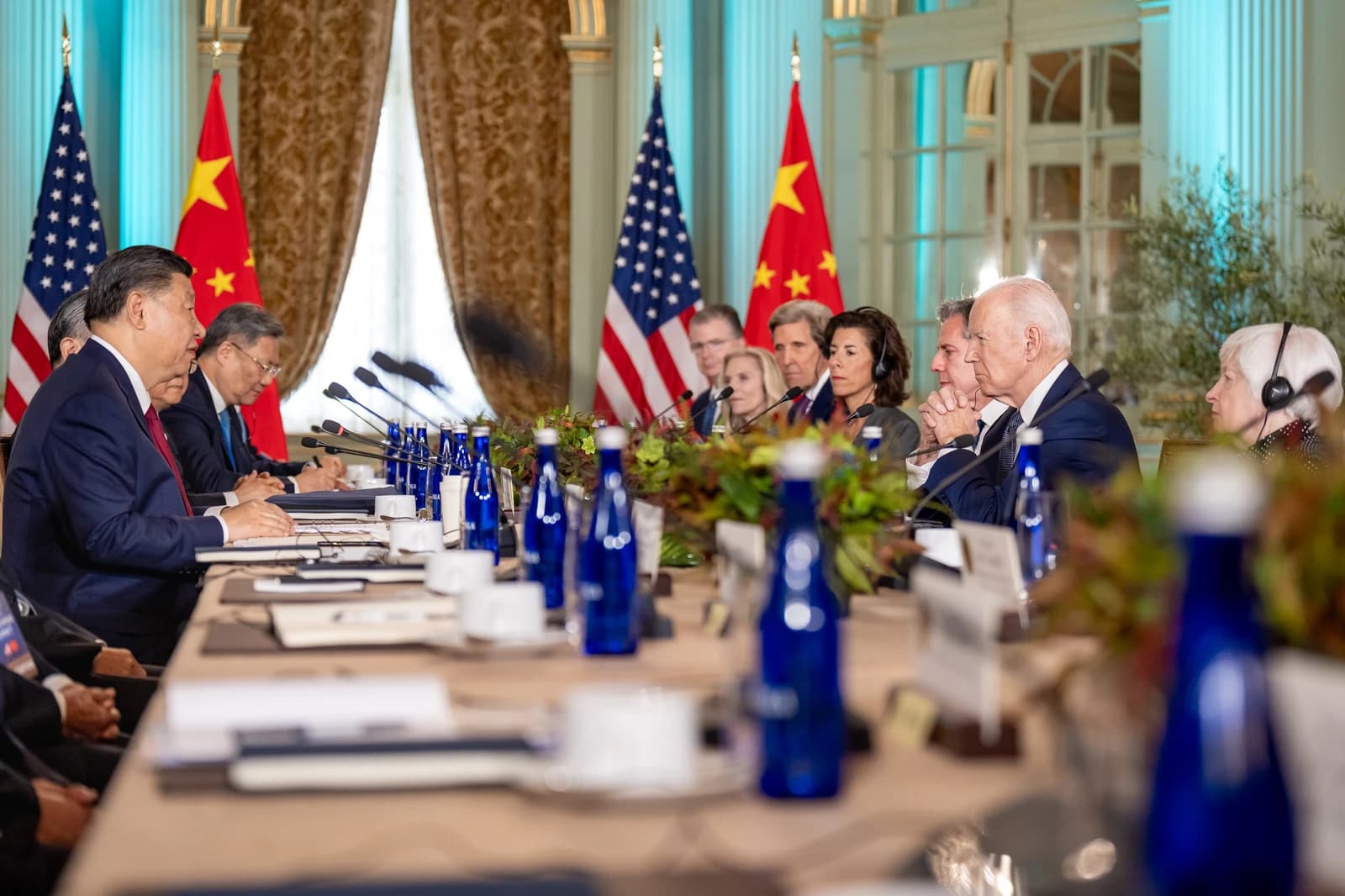
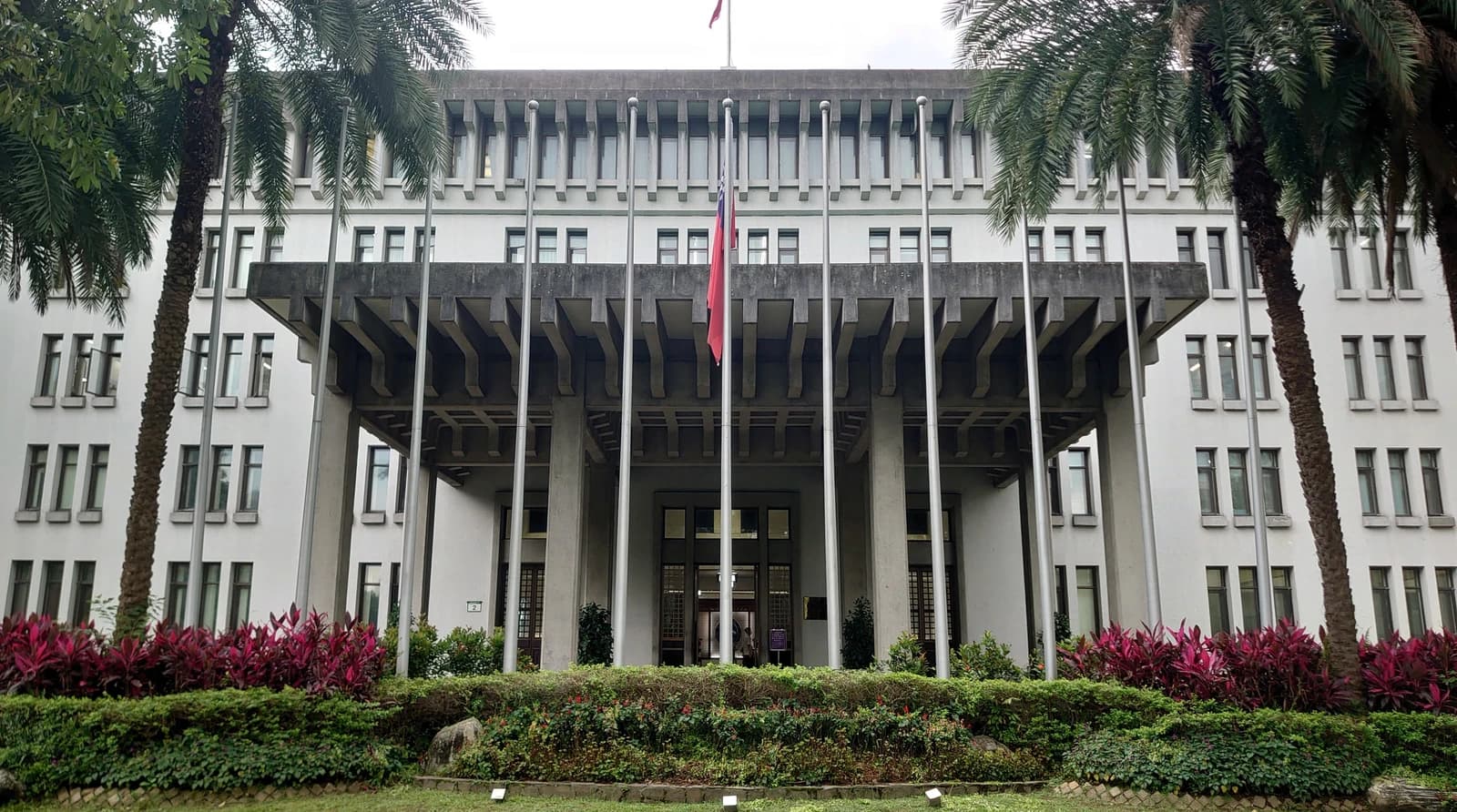
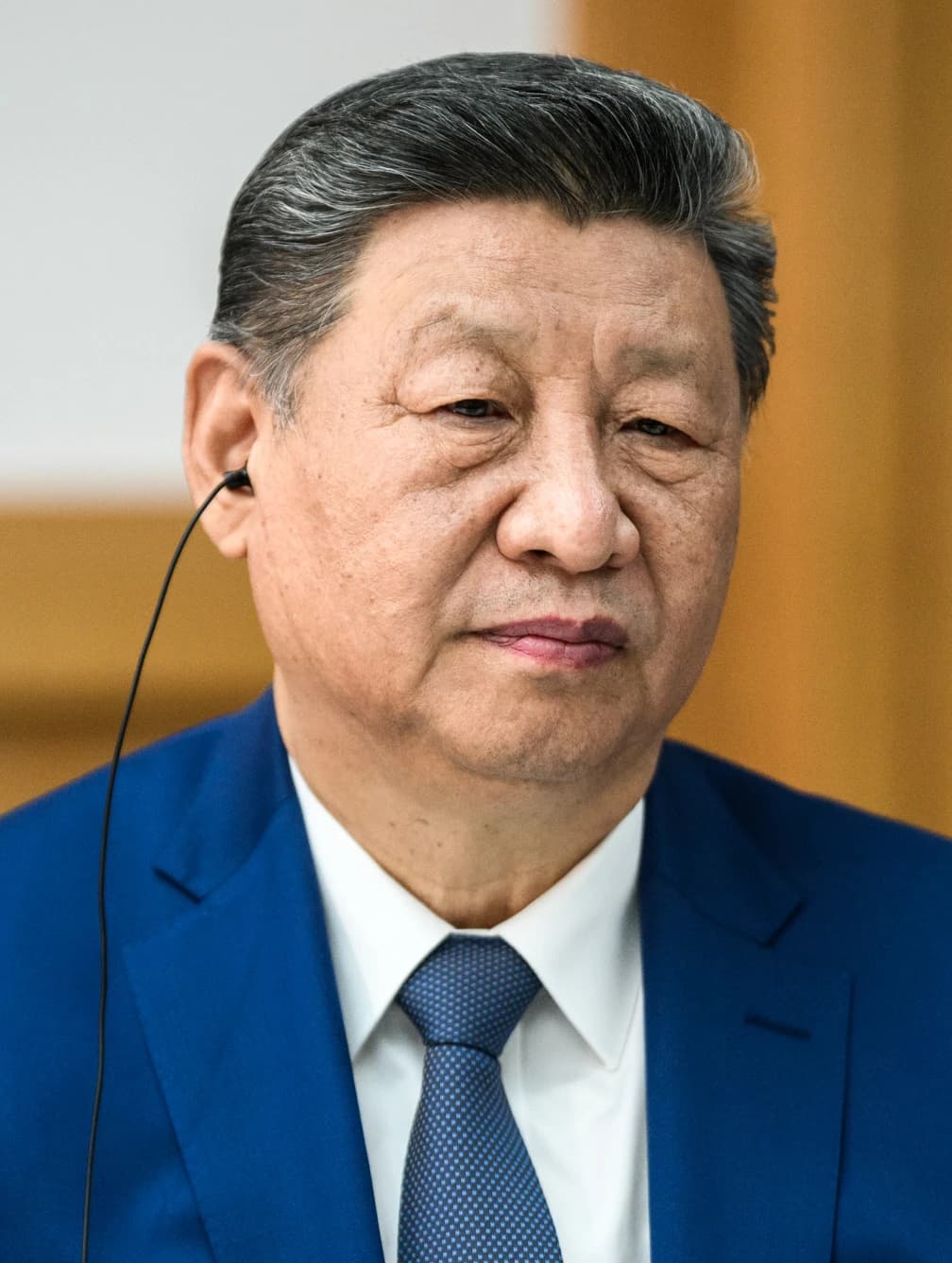
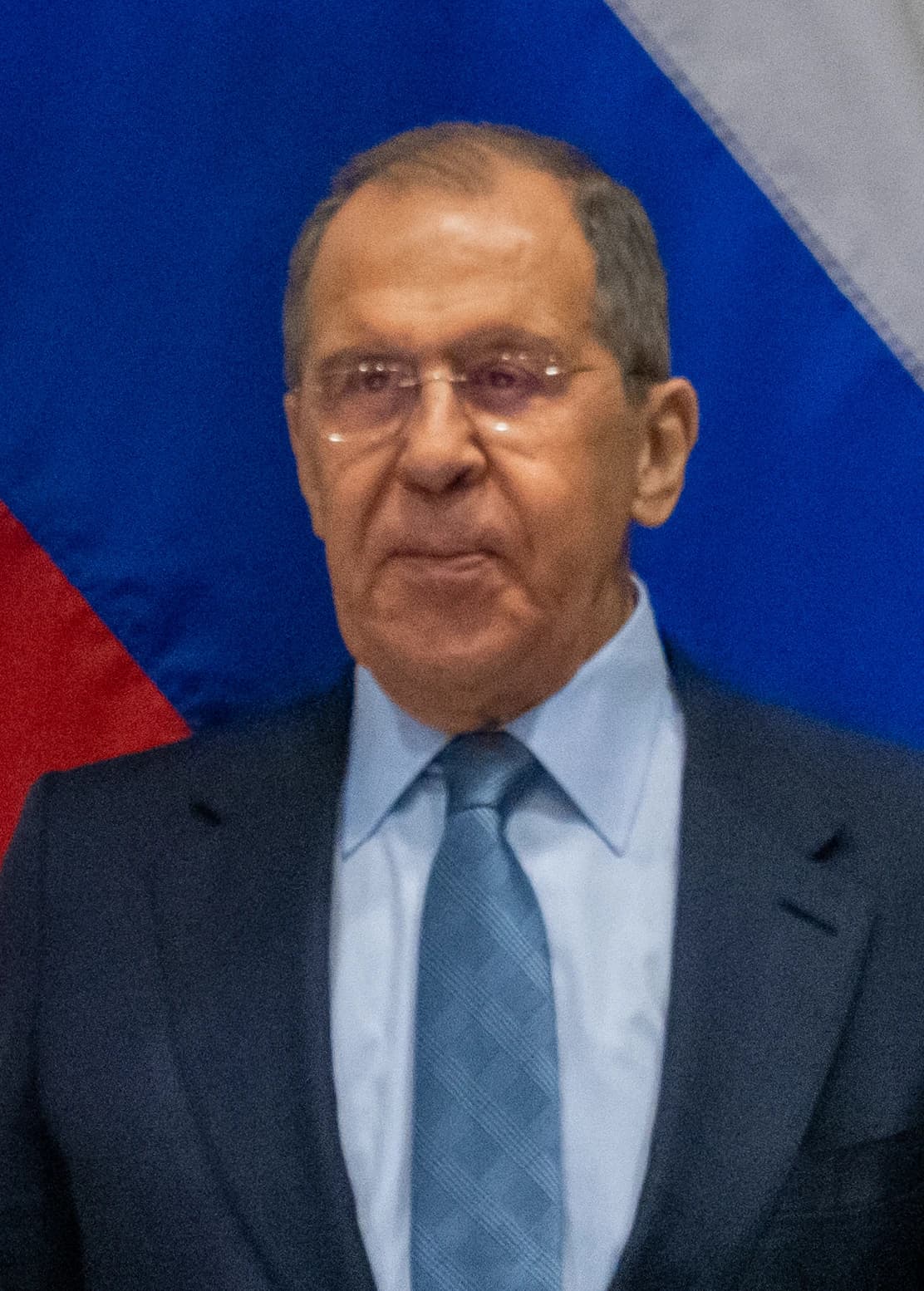
China is sharpening its message on Taiwan ahead of Xi Jinping’s planned meeting with Donald Trump, signaling that the island remains the main political and military flashpoint in the U.S.-China relationship and the biggest constraint on any broader thaw.
China Taiwan tensions ahead of Xi Trump meeting
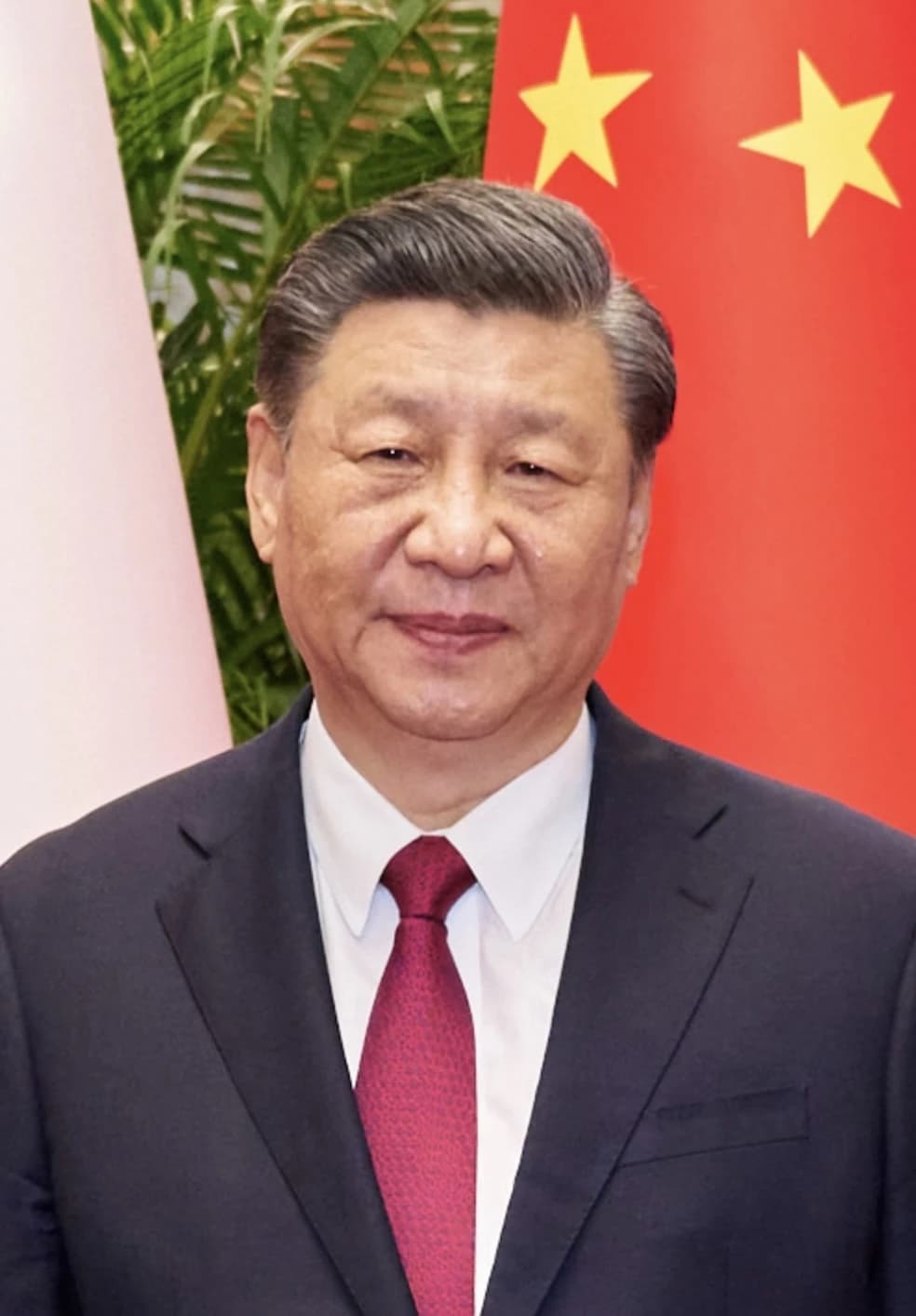
A Chinese defense ministry spokesman said preserving peace and stability in the Taiwan Strait is the “principal common denominator” between Beijing and Washington, while also stressing that China is ready to deepen communication and manage differences with the U.S. The language matters because it places Taiwan at the center of the summit agenda just as Washington weighs a potential $14 billion arms package for Taipei, which would be the largest in the island’s history if approved.
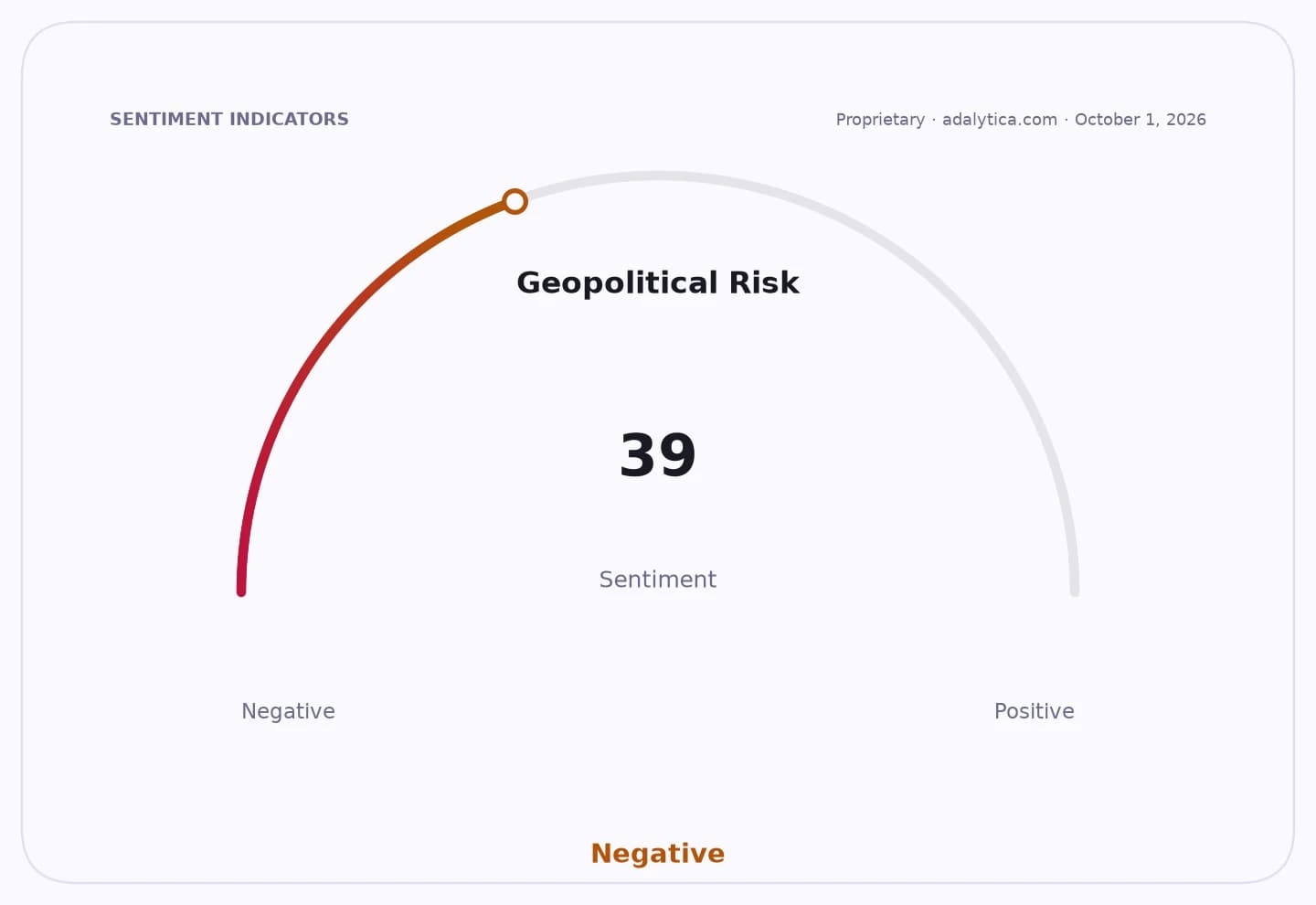
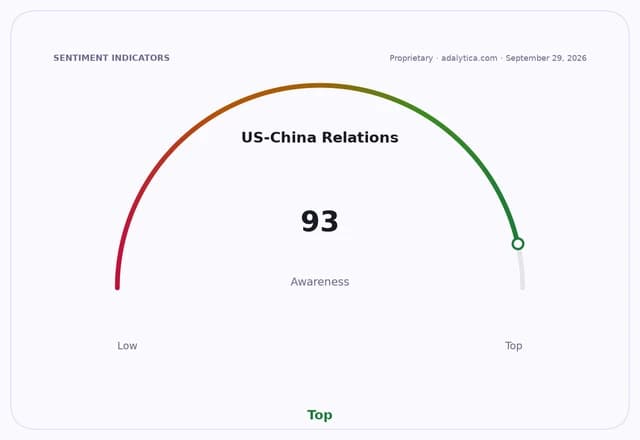
Sentiment IndicatorsⓘProprietary · adalytica.com · September 29, 2026
This is a snapshot — live sentiment, awareness and momentum for 130+ markets update continuously in the dashboard.Open AlphaPulse
The timing is economically and strategically important. Taiwan sits at the heart of global semiconductor supply chains, and any deterioration in cross-strait relations raises the risk premium on Asian equities, defense spending and tech hardware valuations. For investors, the issue is not only whether the meeting produces a diplomatic reset, but whether both sides can keep tensions from spilling into trade controls, sanctions or military signaling that would disrupt supply chains and business planning.
The warning also fits a familiar pattern in U.S.-China talks: Taiwan often becomes the bargaining chip that determines whether wider engagement can proceed. Trump has previously described arms sales to Taiwan as a negotiating lever with Beijing, while Chinese officials continue to insist the island is an inalienable part of China and have not ruled out force to achieve reunification. That makes the issue unusually sensitive for markets, because even modest policy shifts can affect defense contractors, chipmakers and companies exposed to China or Taiwan production.
Geopolitical Risk — 30-day sentimentadalytica.com
Explore this data interactively — full history, time series and cross-market comparisons.Open AlphaPulse
Shares linked to the region reflected that strategic tension rather than a clean political resolution. TSMC, Taiwan’s most important listed company and the world’s leading contract chipmaker, has climbed sharply this year and was last trading at $452.88, above both its 50-day moving average of $420.35 and 200-day average of $382.11, with its relative strength index at 58.6, suggesting momentum remains intact but not overheated. The iShares China Large-Cap ETF, by contrast, was weaker at $34.17 and below its 50-day average of $35.21, showing how fast geopolitical uncertainty can hit China-exposed assets even when broader risk appetite remains elevated.
The clearest market takeaway is that the summit is less about immediate breakthrough than about risk management. A constructive tone could briefly ease pressure on China-linked stocks and Taiwan supply-chain names, while any hardening of positions around arms sales or sovereignty would likely revive volatility across semiconductors, regional defense plays and Chinese equities. Investors will be watching not just the joint statement, but whether the two sides leave enough room to avoid another escalation in the Taiwan Strait.
| Entity | Gains | Losses |
|---|---|---|
| Beijing | ▲leverage in summit talks | ▼if U.S. boosts Taiwan arms |
| Washington | ▲bargaining room with China | ▼if tensions disrupt trade |
| TSMC / Taiwan tech | ▲status quo stability | ▼cross-strait escalation |
| China equities / FXI | ▲diplomatic thaw | ▼renewed geopolitical risk |