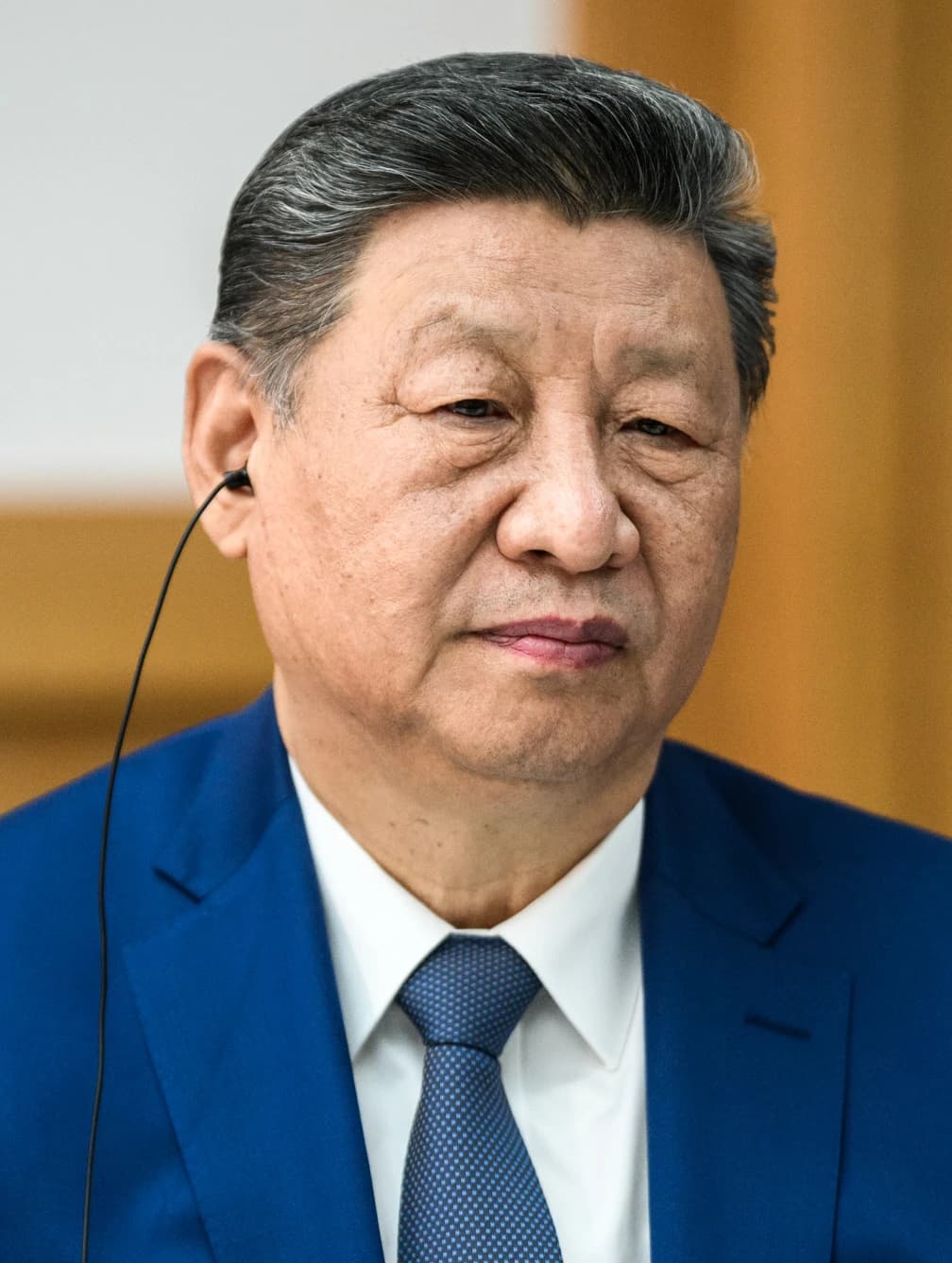
Taiwan’s government has publicly pushed back against Chinese President Xi Jinping’s claim that the United States and China fought Japan together in World War Two, a reminder that the fight over history is also a fight over legitimacy, diplomatic space and who gets to define the future of the Taiwan Strait.
Taiwan Pushes Back on Xi World War II Claim
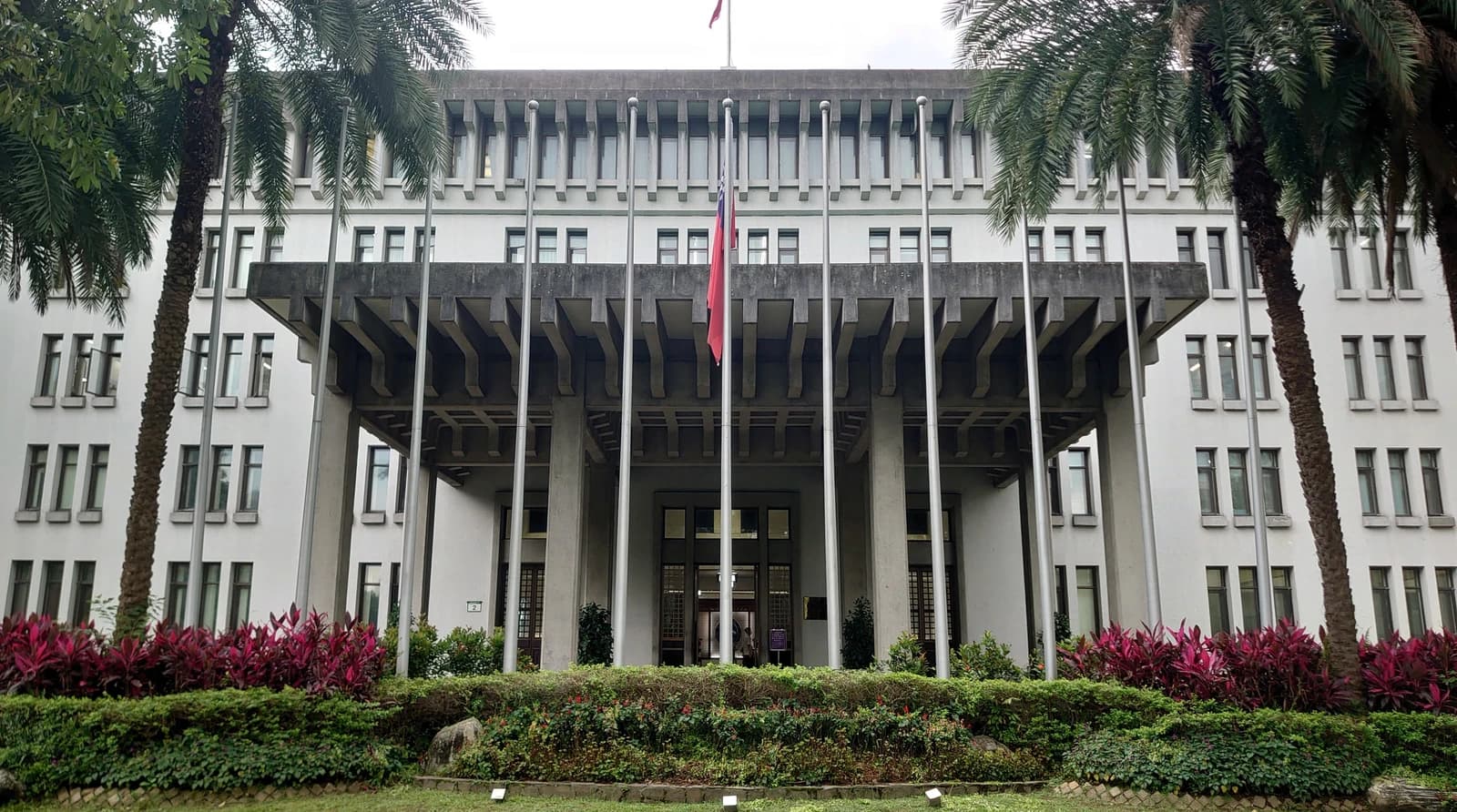
The Mainland Affairs Council in Taipei said the Republic of China — the official name of Taiwan’s government — was the ally that fought alongside the U.S. in the war, not the Chinese Communist Party, which it said was focused on its own survival at the time. The statement matters because it goes to the core of Beijing’s argument that Taiwan is part of a larger Chinese historical continuum, and to Taipei’s effort to preserve a separate political identity and international standing.
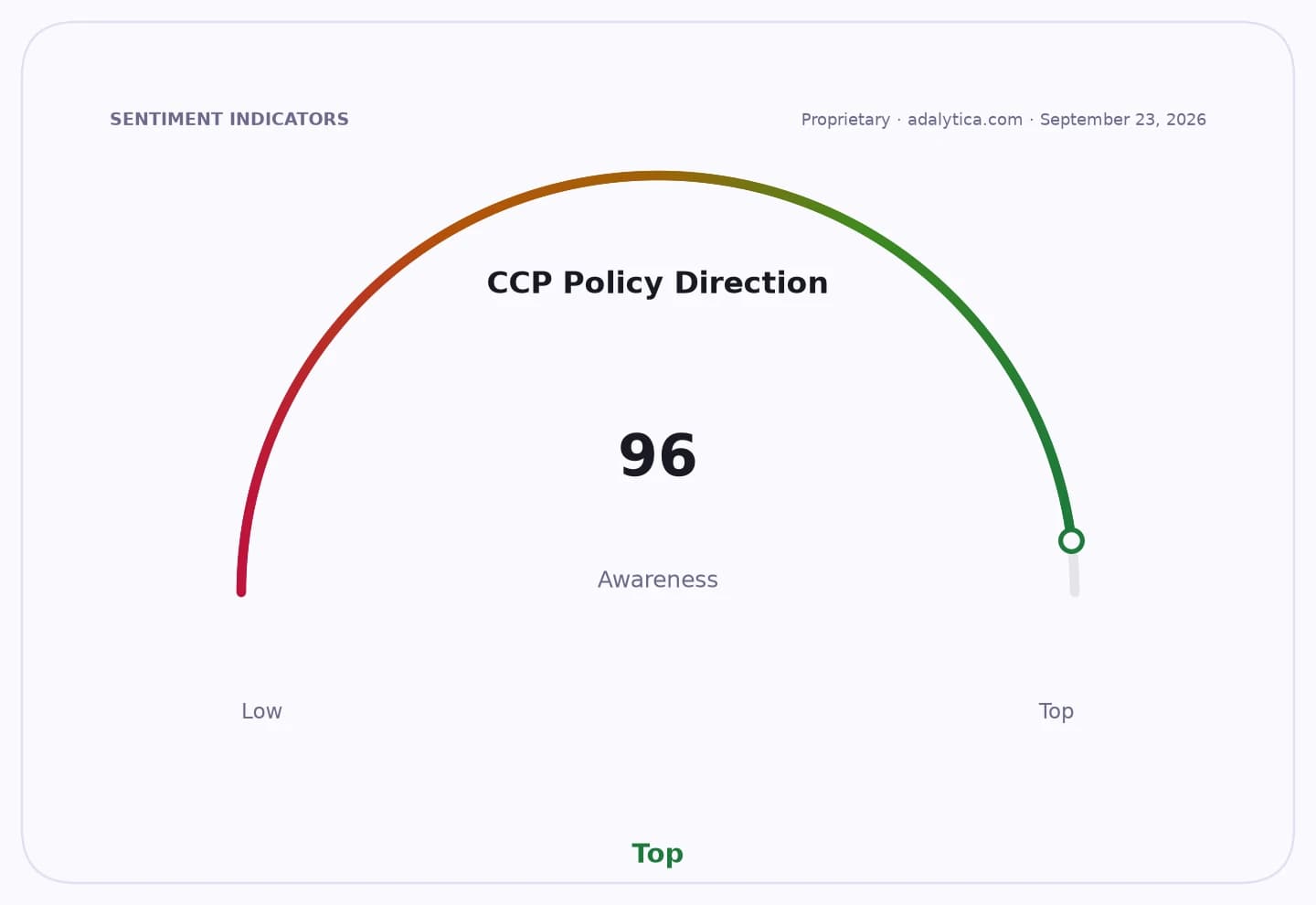
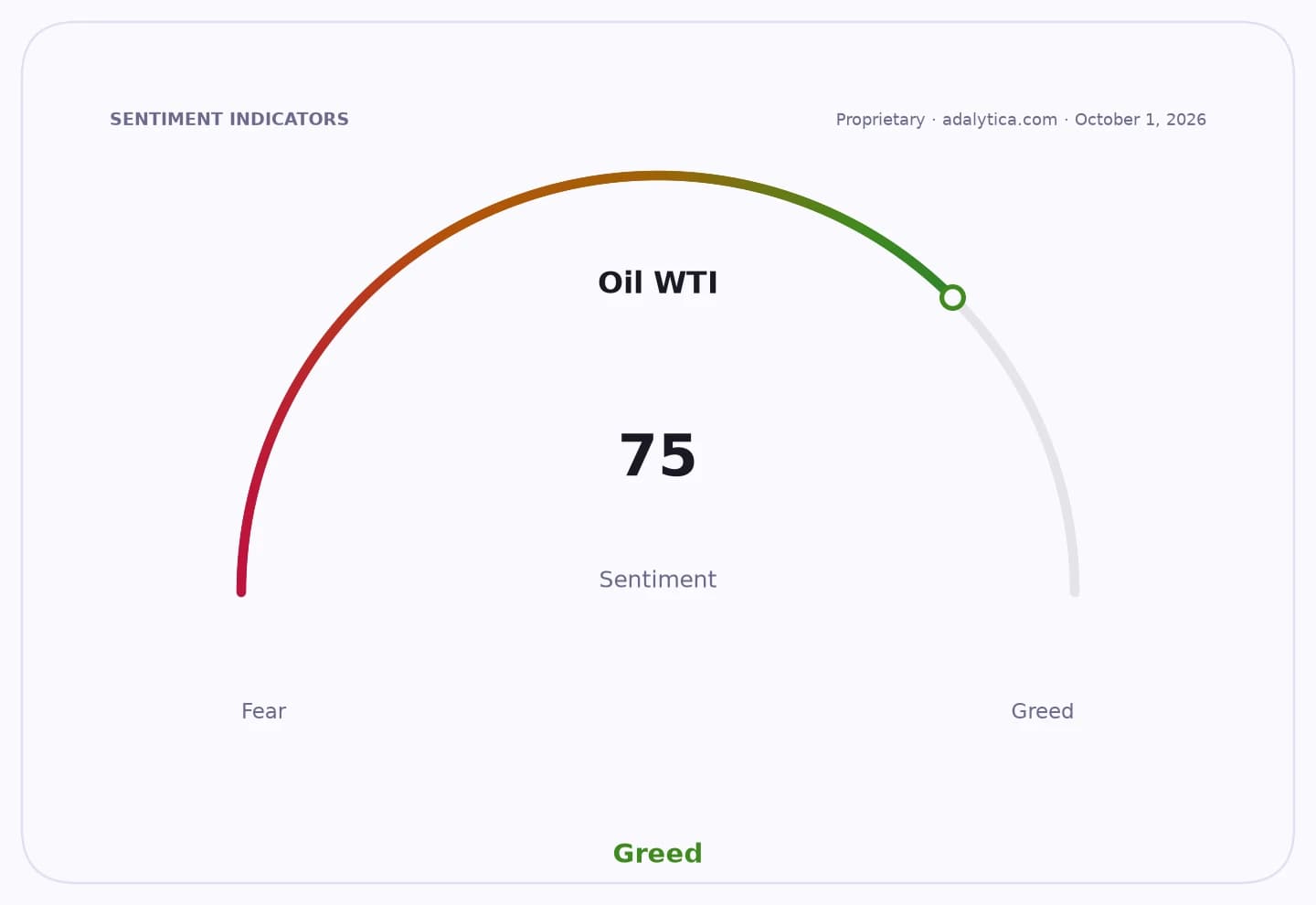
Sentiment IndicatorsⓘProprietary · adalytica.com · October 1, 2026
This is a snapshot — live sentiment, awareness and momentum for 130+ markets update continuously in the dashboard.Open AlphaPulse
For investors, the immediate economic effect is limited, but the geopolitical stakes are not. Any escalation in cross-strait rhetoric raises the risk premium around Taiwan, the world’s most important producer of advanced semiconductors and a critical node in global electronics supply chains. Even absent military moves, sharper historical and sovereignty disputes can affect defense spending, foreign policy coordination and the tenor of U.S.-China relations, all of which feed into markets through volatility in technology stocks, shipping routes and regional risk assets.
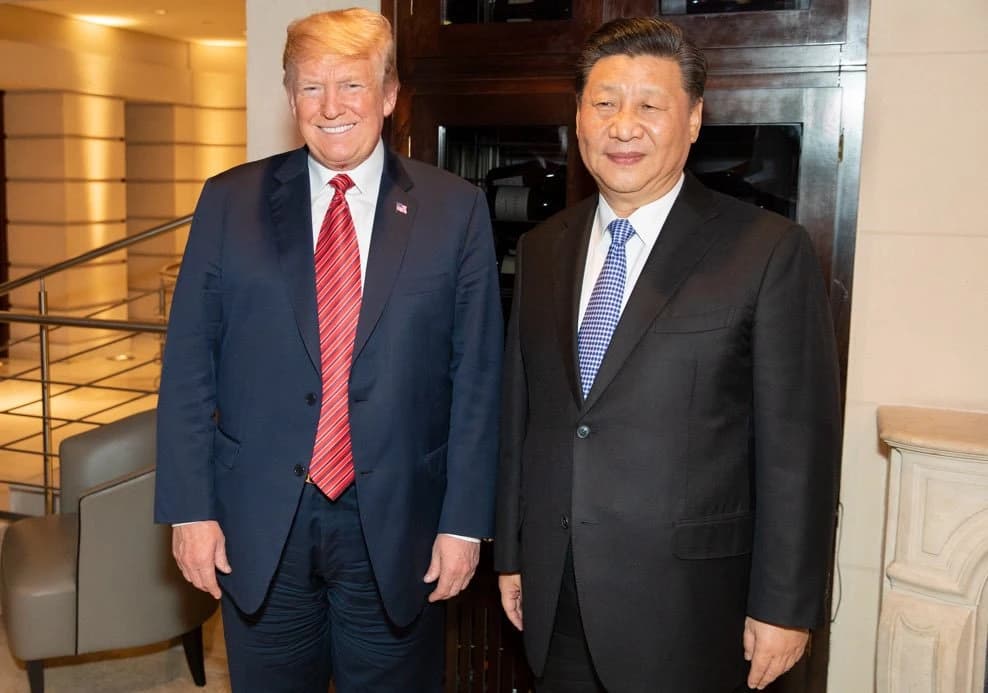
The Taiwanese statement also underscored an important diplomatic calculation: it did not mention U.S. President Donald Trump, who has made similar remarks about the wartime alliance. That omission suggests Taipei is trying to confront Beijing’s narrative without unnecessarily antagonizing Washington, Taiwan’s most important security backer. The balance is delicate. Taiwan needs U.S. support for deterrence, but it also has to avoid becoming a partisan issue in American politics.
Beijing, meanwhile, continues to use wartime memory to bolster its claim over Taiwan and to frame the Communist Party as the inheritor of China’s anti-fascist victory. Taiwan’s rebuttal is intended to reject that framing and to remind foreign governments that the Republic of China was the wartime ally of the U.S. That historical dispute is not academic: it shapes how both sides justify military postures, diplomatic pressure and efforts to win international recognition.
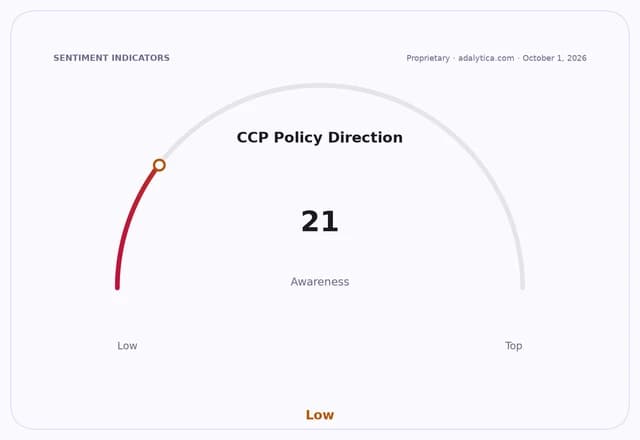
The broader market relevance is that political signaling around Taiwan has become a recurring driver of geopolitical risk sentiment. Adalytica’s Global Stability Sentiment gauge shows neutral overall readings but elevated fear in awareness metrics, while its China policy-direction indicator has weakened sharply over the past week, reflecting the sensitivity of the market to policy and rhetoric shifts. If the exchange hardens into a wider diplomatic confrontation, the pressure would fall first on semiconductor supply chains, then on regional equities and currencies.
For now, the episode is another example of how historical narratives are being deployed as strategic tools in the U.S.-China rivalry. The key question for investors is not whether the argument is settled — it is not — but whether it becomes another source of friction at a time when markets are already priced for persistent geopolitical uncertainty.
| Entity | Gains | Losses |
|---|---|---|
| Taiwan government | ▲Separate identity, U.S. support | ▼Beijing pressure |
| China’s leadership | ▲Historical narrative leverage | ▼Credibility with Taipei |
| U.S. policymakers | ▲Diplomatic leverage | ▼Added cross-strait risk |
| Semiconductor investors | ▲Defensive hedging opportunities | ▼Supply-chain certainty |