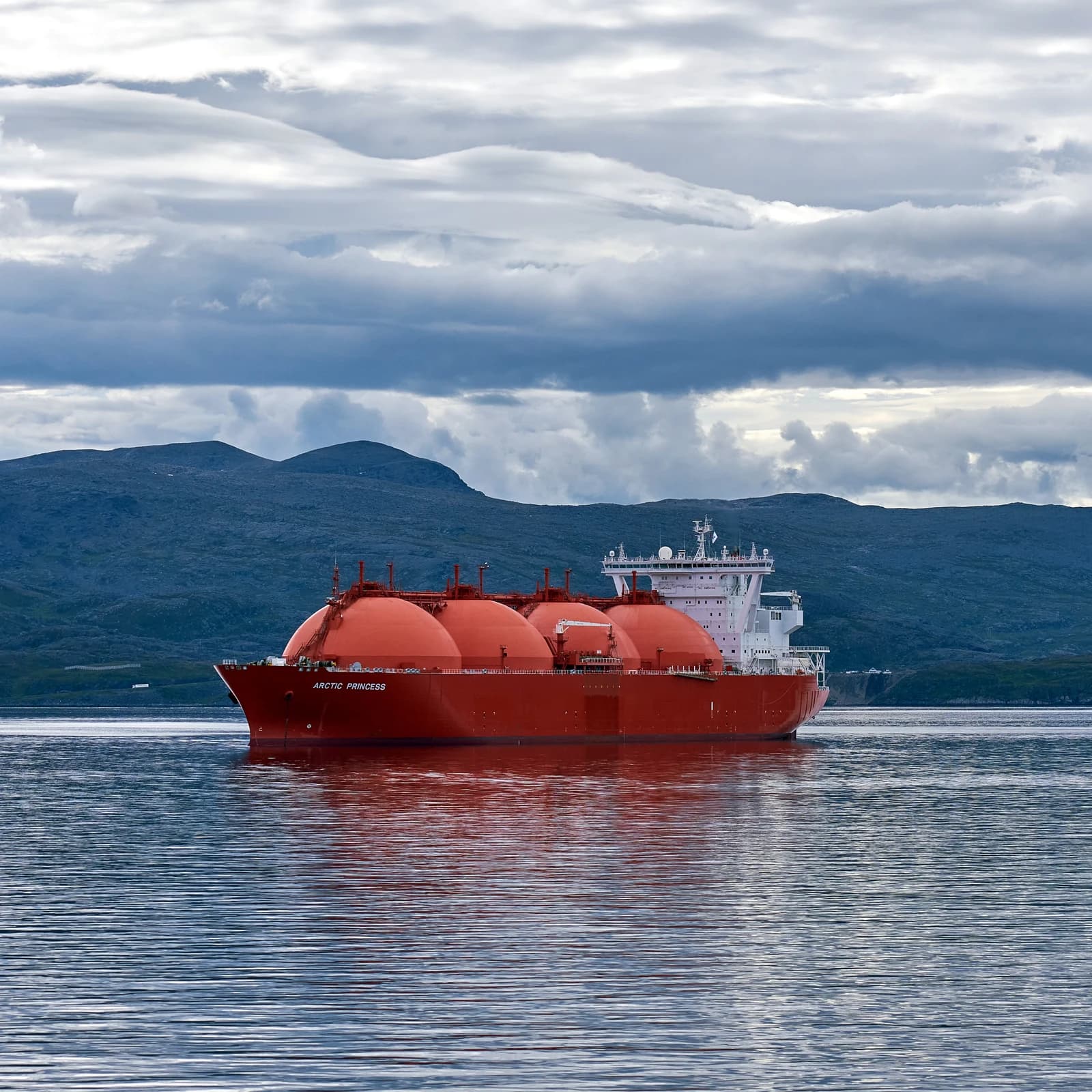
EPIC Bhd’s memorandum of understanding with Timor Gap matters because it points to a fresh investment lane in Timor-Leste’s offshore oil and gas buildout, a market that could eventually create work for contractors, equipment suppliers and service firms far beyond the island nation itself.
EPIC Bhd MOU with Timor Gap on Timor-Leste oil
For investors, the significance is less about a single signing than about the possibility of a new, multi-year project pipeline. Oil and gas infrastructure is a capital-intensive business: once a country decides to move from resource potential to development, it can require ports, storage, logistics, engineering support and long-dated service contracts. That is where companies such as EPIC can win recurring revenue, and where upstream operators and their partners can unlock stranded resources.
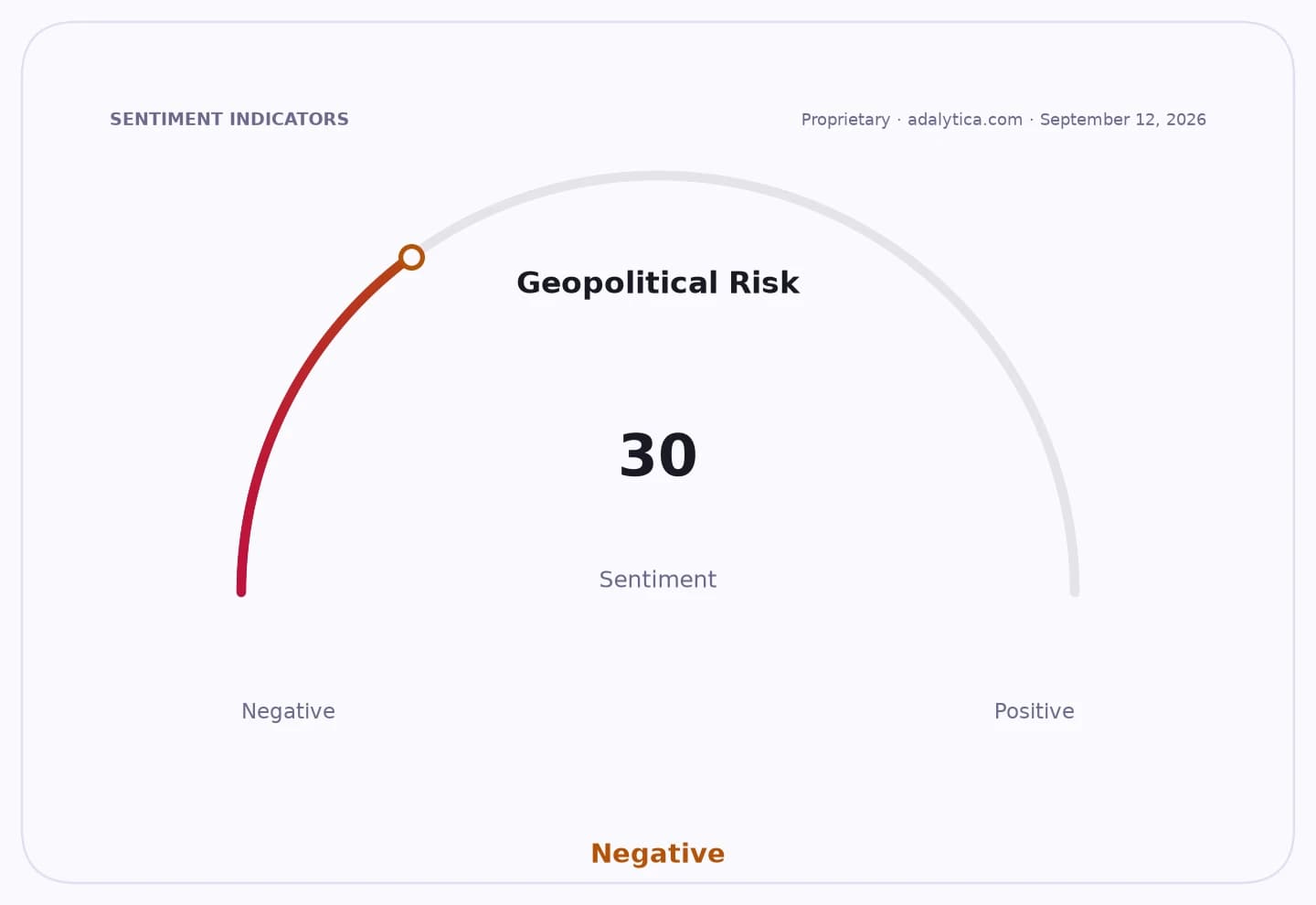
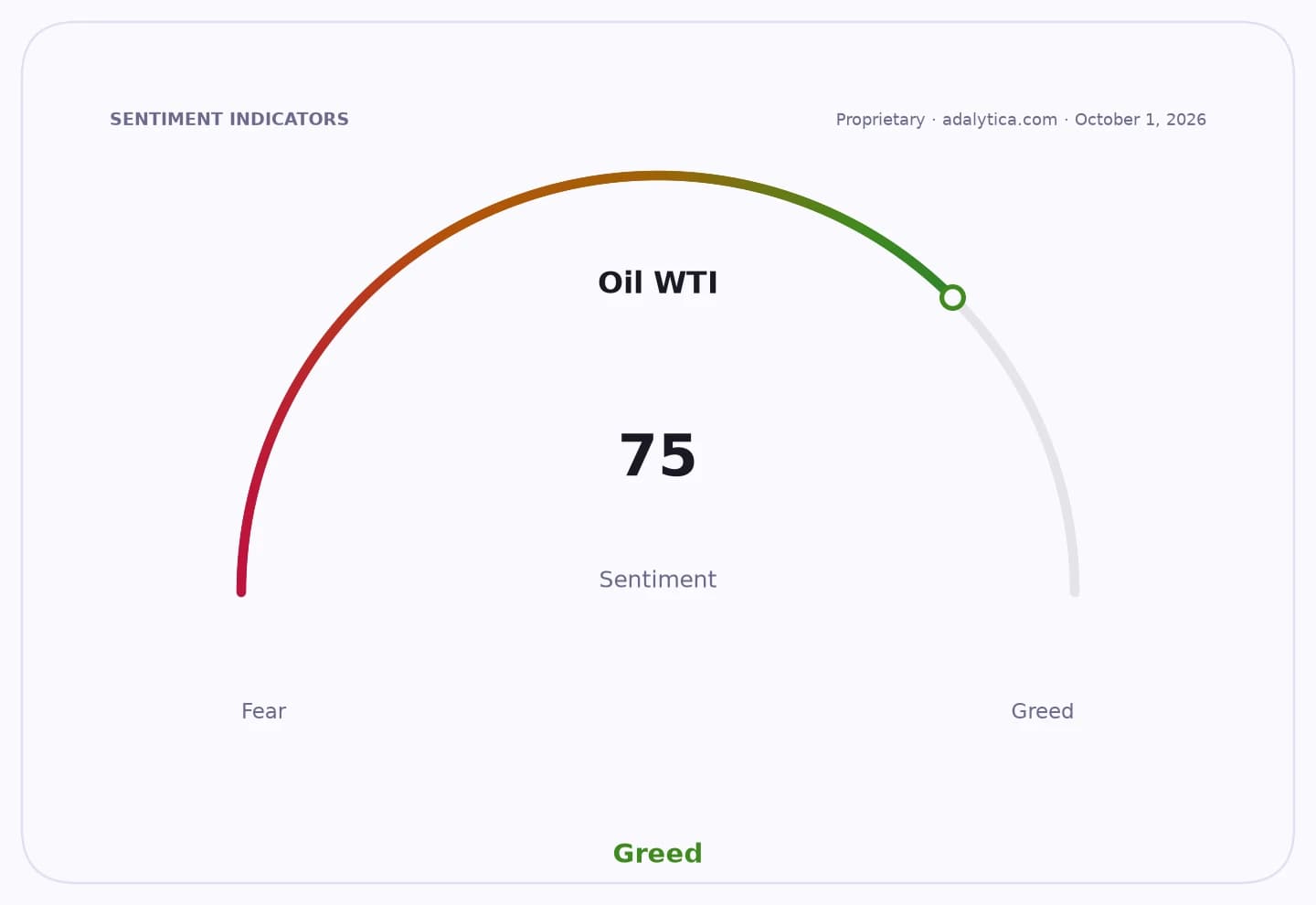
Sentiment IndicatorsⓘProprietary · adalytica.com · October 1, 2026
This is a snapshot — live sentiment, awareness and momentum for 130+ markets update continuously in the dashboard.Open AlphaPulse
The timing also fits a broader energy backdrop that still favors hydrocarbons alongside renewables. Oil markets remain firm enough to keep exploration and infrastructure spending relevant, even as governments push cleaner power. Adalytica’s WTI Oil Trade Signals snapshot shows sentiment in “Greed” territory, while the price trend has remained elevated over the past month, suggesting investors continue to expect oil-linked activity to stay attractive. In that environment, infrastructure names tied to energy development can benefit from renewed capital spending, especially in frontier basins where governments are looking to accelerate monetization.
Timor-Leste has long been seen as an underdeveloped energy province with upside that depends on execution, financing and cross-border cooperation. That makes the Timor Gap partnership important not just for EPIC, but for the country’s broader effort to turn resource potential into tangible infrastructure and, eventually, exportable cash flow. For a small market, one credible partner can matter a lot.
The opportunity still comes with familiar risks. Frontier energy projects are vulnerable to permitting delays, political shifts, funding gaps and commodity-price swings. Investors should also remember that memorandums of understanding are not the same as binding project awards. The next step is whether the partnership translates into concrete contracts, timelines and capital commitments.
Even so, the strategic logic is clear. If Timor-Leste wants to build out its oil and gas system, it needs experienced partners. If EPIC can convert this opening into actual infrastructure work, the MOU could become the kind of early-stage catalyst that rewards patient shareholders over several years rather than weeks. Worth watching for follow-through.
| Entity | Gains | Losses |
|---|---|---|
| EPIC Bhd | ▲New project pipeline | ▼Near-term uncertainty |
| Timor Gap | ▲Technical partner | ▼Faster execution pressure |
| Timor-Leste economy | ▲Infrastructure investment | ▼Dependence on hydrocarbons |
| Rival contractors | ▲Less exclusive access | ▼Missed first-mover edge |