East Asia’s security and economic order is shifting fast, and the biggest investor takeaway is that Japan and South Korea have more to gain by coordinating than by drifting apart.
Japan, South Korea Cooperation and Defense Stocks

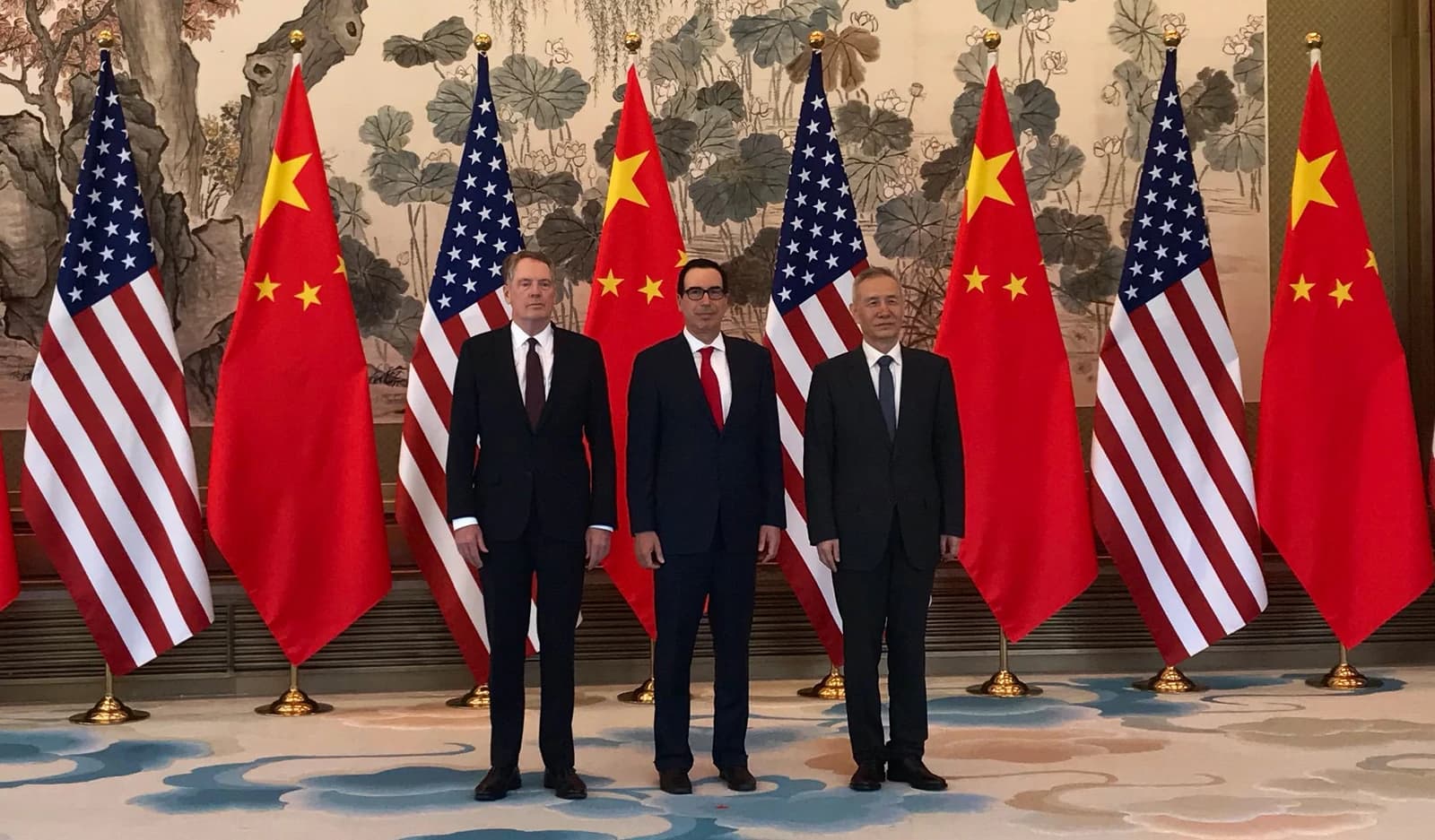
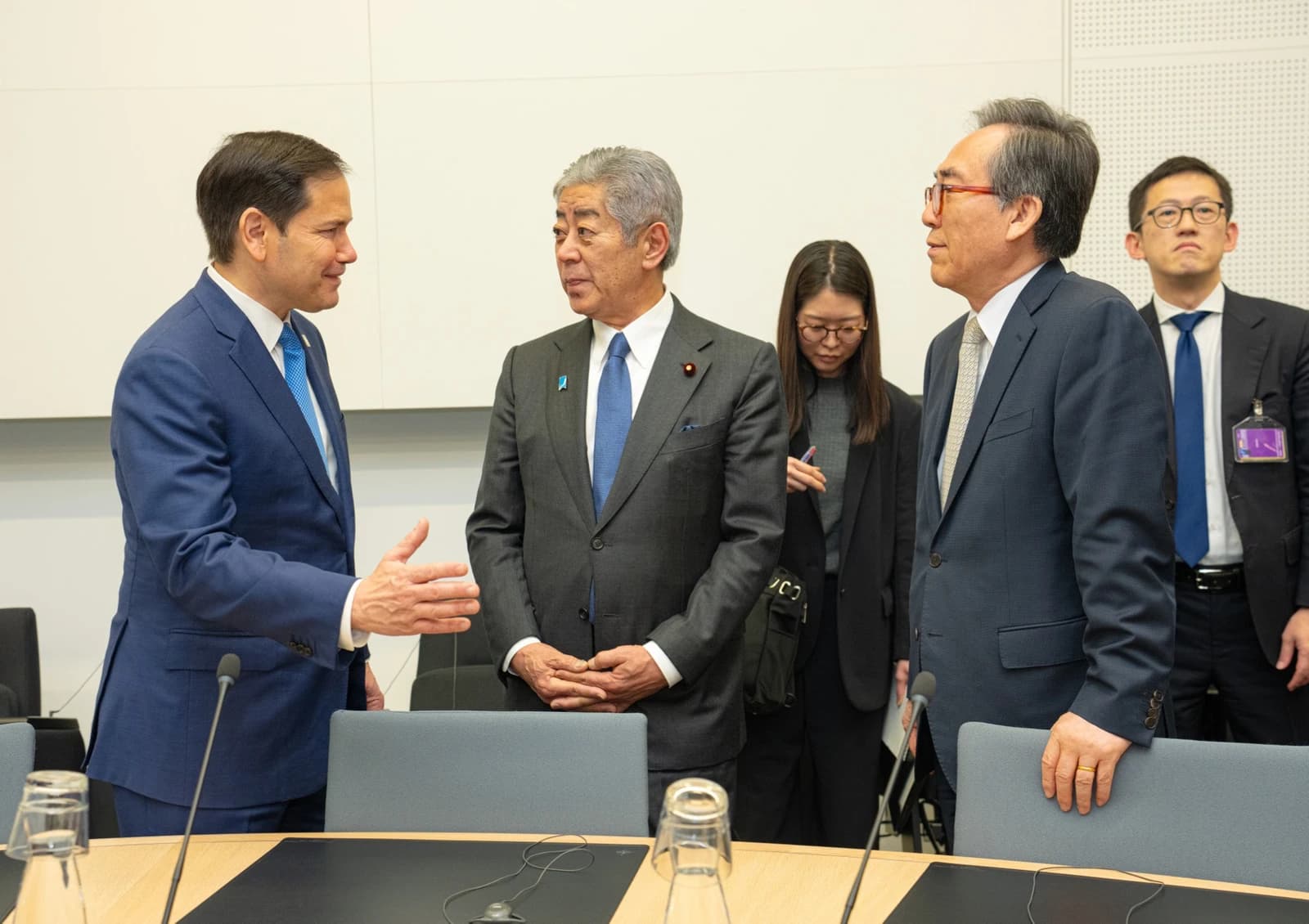
That is the core message from former South Korean ambassador to Japan Yun Duk-min, who argues the two U.S. allies share common interests just as China expands its military reach and deepens ties with Russia and North Korea, while Washington’s engagement in the region looks less certain under the Trump administration. For markets, that means the alliance structure in Asia is no longer a diplomatic backdrop — it is becoming an investment variable that can move capital, currencies, defense budgets and supply chains.
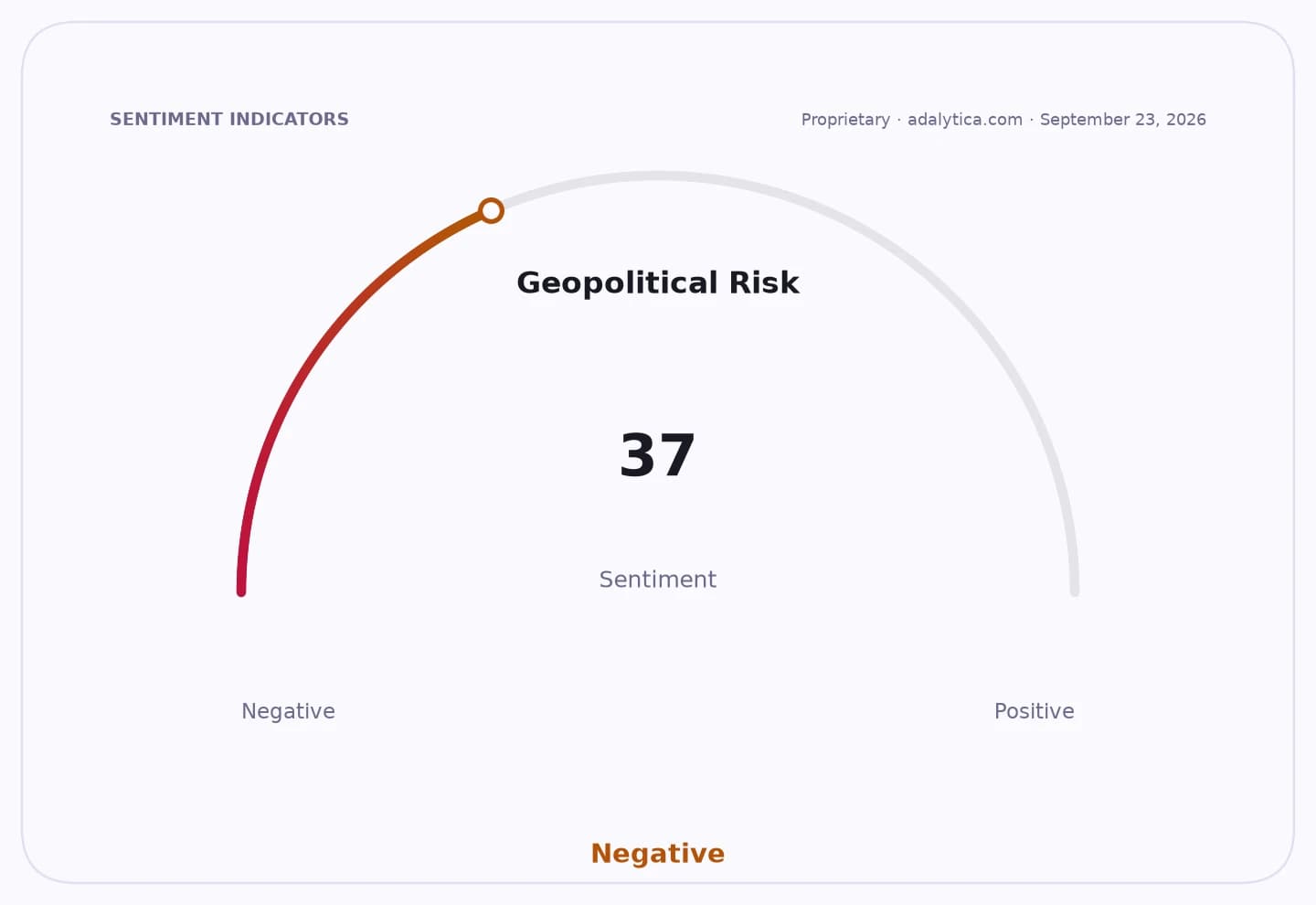
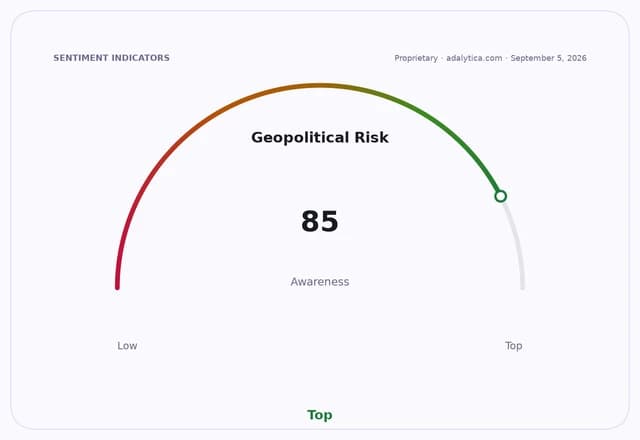
Sentiment IndicatorsⓘProprietary · adalytica.com · September 5, 2026
This is a snapshot — live sentiment, awareness and momentum for 130+ markets update continuously in the dashboard.Open AlphaPulse
The timing matters. Japan and South Korea have spent the past two years repairing a relationship badly damaged by historical disputes, with shuttle diplomacy resuming after Seoul’s 2023 decision on the forced-labor issue. That thaw has created room for closer coordination on semiconductors, energy security, defense procurement and export controls, all of which become more valuable when geopolitical risk rises and policy support from the U.S. looks less predictable.
Investors should read that as a tailwind for selected Korean and Japanese equities tied to defense, chip equipment, industrial automation and advanced manufacturing. The clearest second-order winners are the firms that sit inside the security and reindustrialization trade: weapons makers, radar and electronics suppliers, shipbuilders, battery and grid infrastructure names, and companies exposed to allied reshoring and redundancy-building in strategic industries. If Japan and South Korea move closer, the premium on regional resilience rises with it.

The market is already signaling that investors are paying attention. The iShares MSCI South Korea ETF, EWY, has climbed to $188.87 from $144.21 in late July, while the iShares MSCI Japan ETF, EWJ, is back near $98.28. The yen proxy FXY has also firmed modestly. But the more important point is not the recent price action itself; it is that East Asia policy risk is increasingly feeding into asset prices at the same time U.S. rates, trade policy and security commitments are all in flux.
That is where the asymmetric opportunity lies. The market still tends to treat Japan-South Korea cooperation as a diplomatic side story. It is not. It is part of a broader realignment in which allied economies are being pushed to harden supply chains, raise defense spending and reduce dependence on China-centered production networks. Those are multiyear capital allocation decisions, and they favor the companies built to sell picks-and-shovels to a more militarized and more fragmented Asia.
Adalytica’s Global Stability Sentiment gauge sits at 44, or neutral, after a sharp one-day and one-week decline, while its FX Volatility Trading Signals remain in “Extreme Fear.” That combination tells me the market is still underpricing how quickly geopolitical stress can reprice currencies, cross-border investment and defense demand.
My thesis is simple: when the strategic map gets more dangerous, Tokyo and Seoul are not just better off closer together — investors are, too, if they own the infrastructure of that realignment before consensus catches up. The best way to position is through the beneficiaries of allied coordination, not the countries or sectors most exposed to fragmentation.
| Entity | Gains | Losses |
|---|---|---|
| Japan-South Korea alliance | ▲Security coordination | ▼Historical friction |
| Defense contractors | ▲Higher procurement | ▼Peace premium |
| Semiconductor supply chains | ▲Diversification demand | ▼China concentration |
| China/Russia/North Korea axis | ▲Tactical leverage | ▼U.S.-allied cohesion |