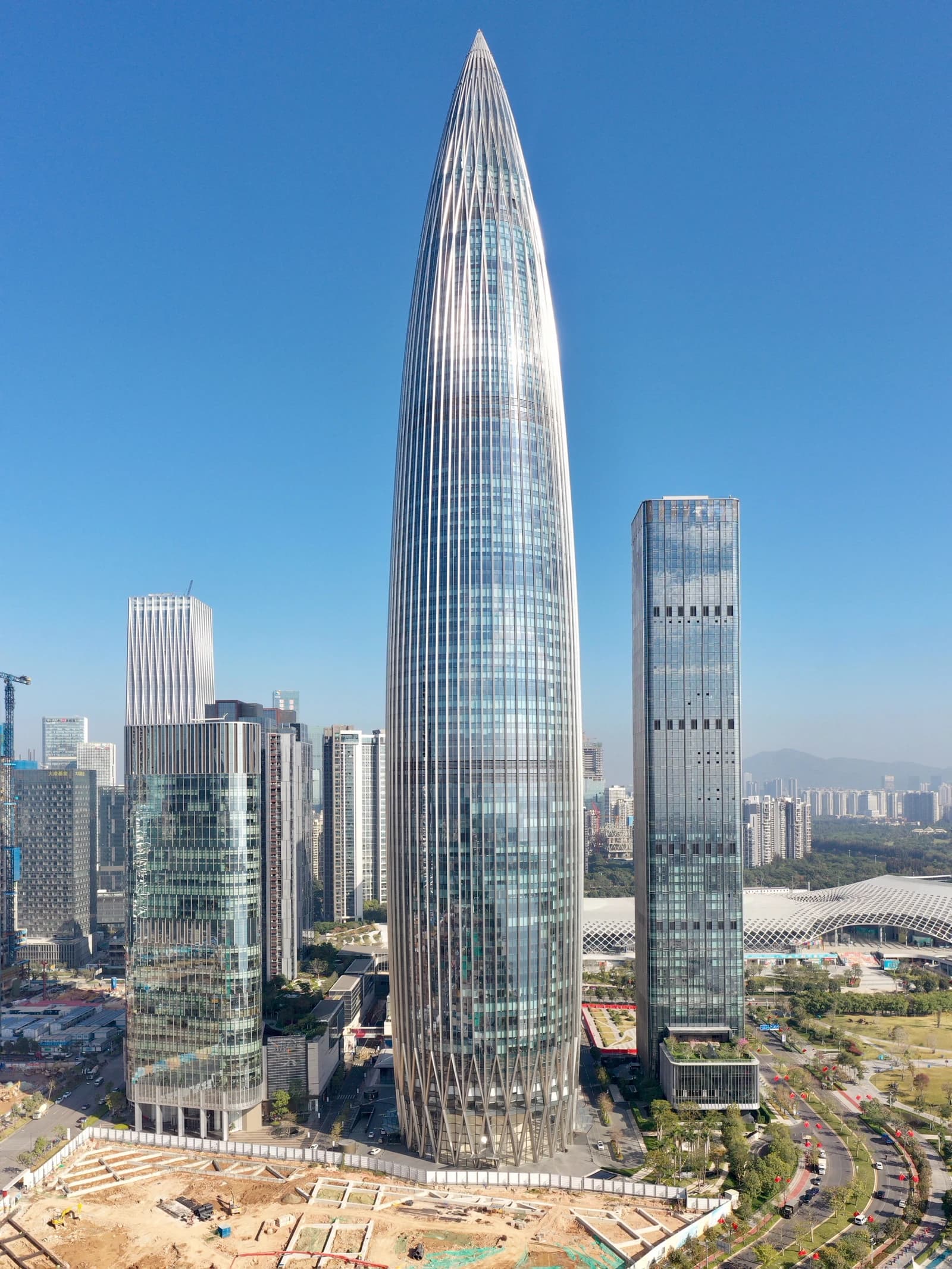
The US and China are racing to turn artificial intelligence cooperation into a deliverable for Presidents Xi Jinping and Donald Trump when they meet in Shenzhen next month, a sign the world’s two biggest economies are treating AI governance as both a diplomatic opening and a strategic risk.
US and China Discuss AI Framework Before Shenzhen Meeting
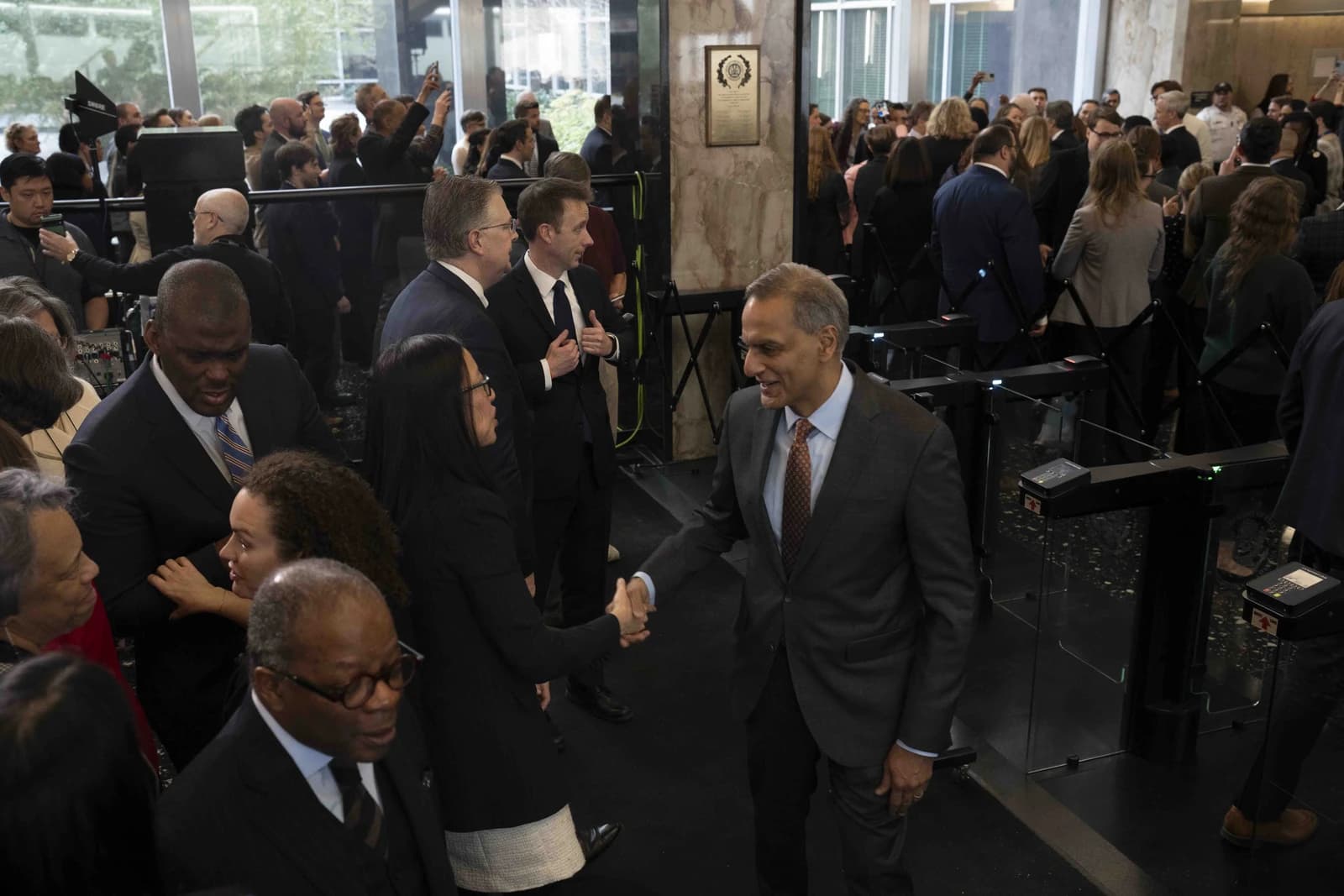
Technical teams on both sides are in regular talks to flesh out a framework announced last month for handling AI-related incidents and institutionalizing bilateral dialogue, according to multiple sources cited by the South China Morning Post. Three sources said AI has taken a more prominent role in the negotiations as the two governments look to formalize cooperation before what would be the leaders’ third face-to-face meeting this year.
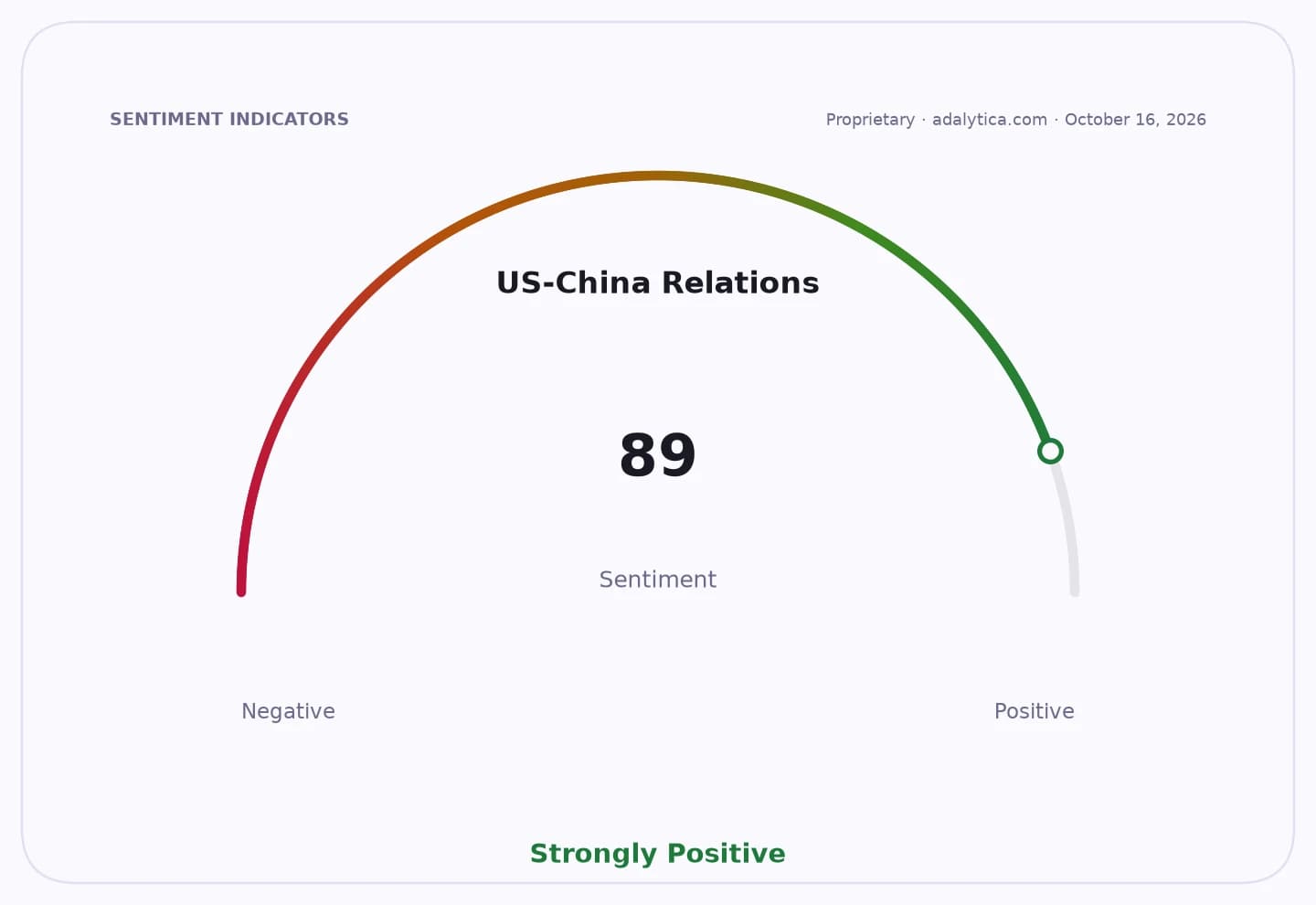
Sentiment IndicatorsⓘProprietary · adalytica.com · October 16, 2026
This is a snapshot — live sentiment, awareness and momentum for 130+ markets update continuously in the dashboard.Open AlphaPulse
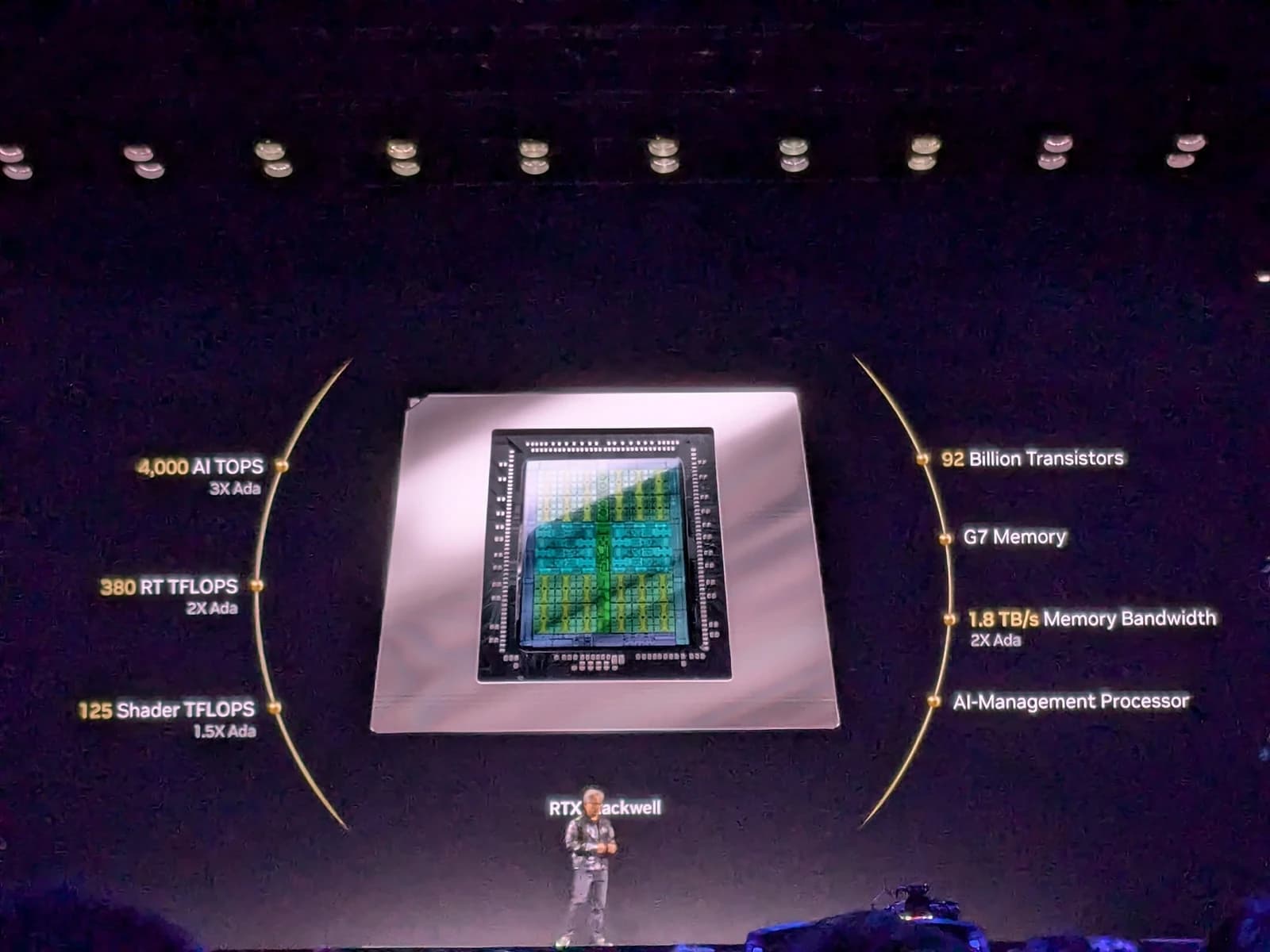
For investors, the timing matters because any thaw in AI dialogue could help ease one of the biggest policy overhangs on the sector: tighter export controls, sanctions spillovers and the risk of fragmented rules across the US and China. That matters most for chipmakers and supply-chain players with heavy exposure to cross-border AI demand, including Nvidia and Taiwan Semiconductor Manufacturing Co, which remain central to the global AI buildout.
The issue also cuts to the economics of the AI boom. Governments are increasingly worried about AI-related incidents, misuse and national-security implications, while companies are pressing for clearer rules that would reduce uncertainty around model deployment, compute access and international sales. U.S. filings from Nvidia and Microsoft have both warned that export controls, tariffs and shifting policy can raise costs and disrupt operations.
US-China Relations — 30-day sentimentadalytica.com
Explore this data interactively — full history, time series and cross-market comparisons.Open AlphaPulse
Market positioning underscores how closely traders are watching the policy backdrop. Nvidia shares have slipped to $217.23 from a recent peak above $235, while TSMC closed at $422.25 after touching $476.29 earlier this summer, suggesting investors are still balancing AI demand against geopolitical friction. Baidu, meanwhile, has fallen to $82.56 from above $150 in May as China-facing tech names remain tied to both domestic AI spending and policy uncertainty.
Adalytica’s US–China relations gauge shows sentiment at 89, or “Extreme Greed,” even as awareness remains low, reflecting a market that is alert to diplomatic headlines but still wary of how quickly they translate into durable policy relief. The next catalyst is the Xi-Trump meeting in Shenzhen, where even a limited AI framework could set the tone for broader technology talks, while any breakdown would likely revive pressure on semis and China-exposed tech shares.
| Entity | Gains | Losses |
|---|---|---|
| US and China diplomats | ▲AI dealmaking leverage | ▼Policy deadlock |
| Nvidia and TSMC | ▲Reduced policy uncertainty | ▼Export-control risk |
| China tech shares | ▲Better sentiment on AI access | ▼Geopolitical friction |
| Investors in semis | ▲Clarity on demand outlook | ▼Volatility if talks fail |