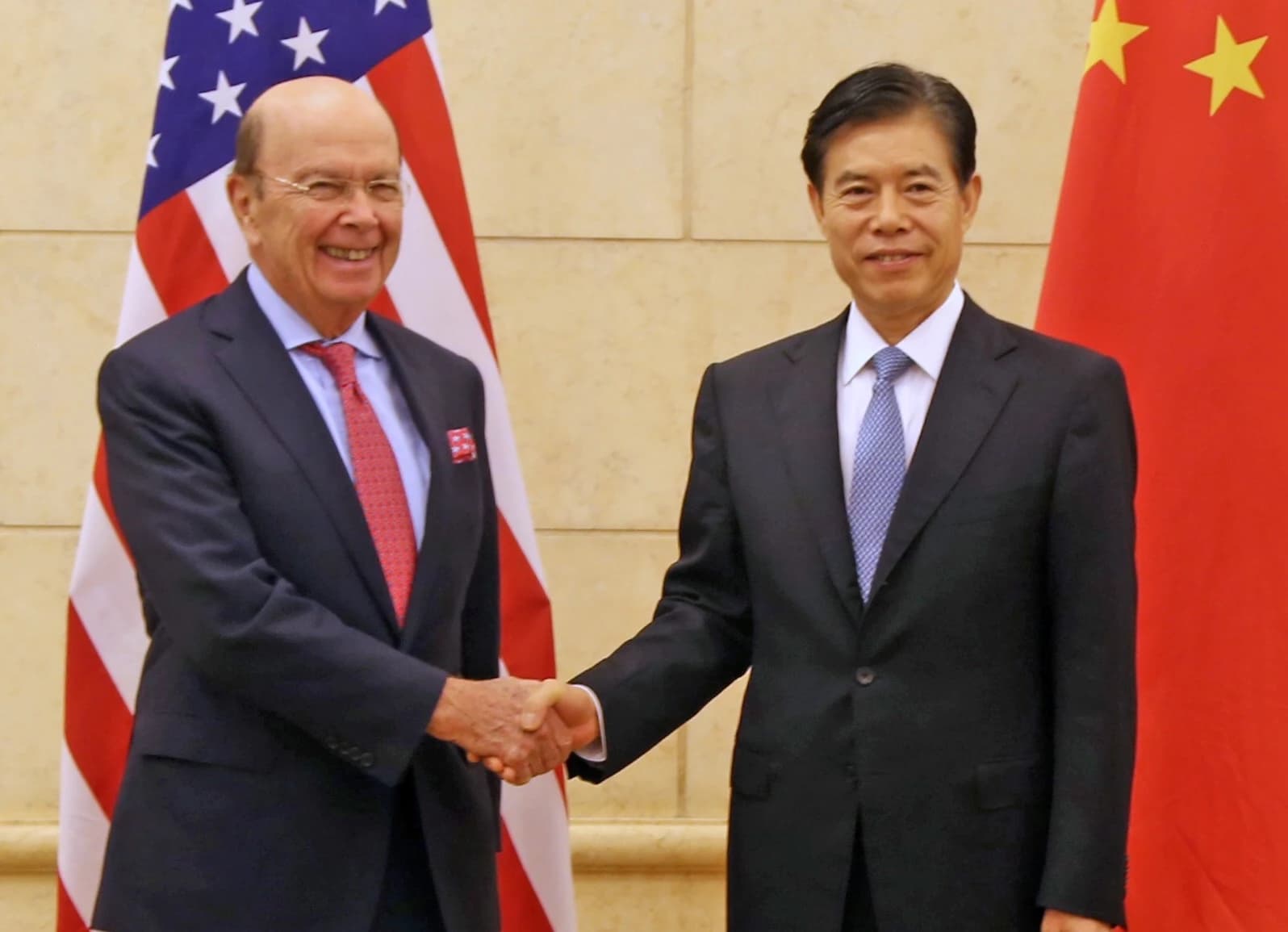
China’s sharp rejection of the G7 summit statement underscores a growing risk for global markets: the world’s second-largest economy is turning what had been a trade dispute into a broader geopolitical and industrial confrontation.
China G7 Tensions Lift Tariff Risk for Markets
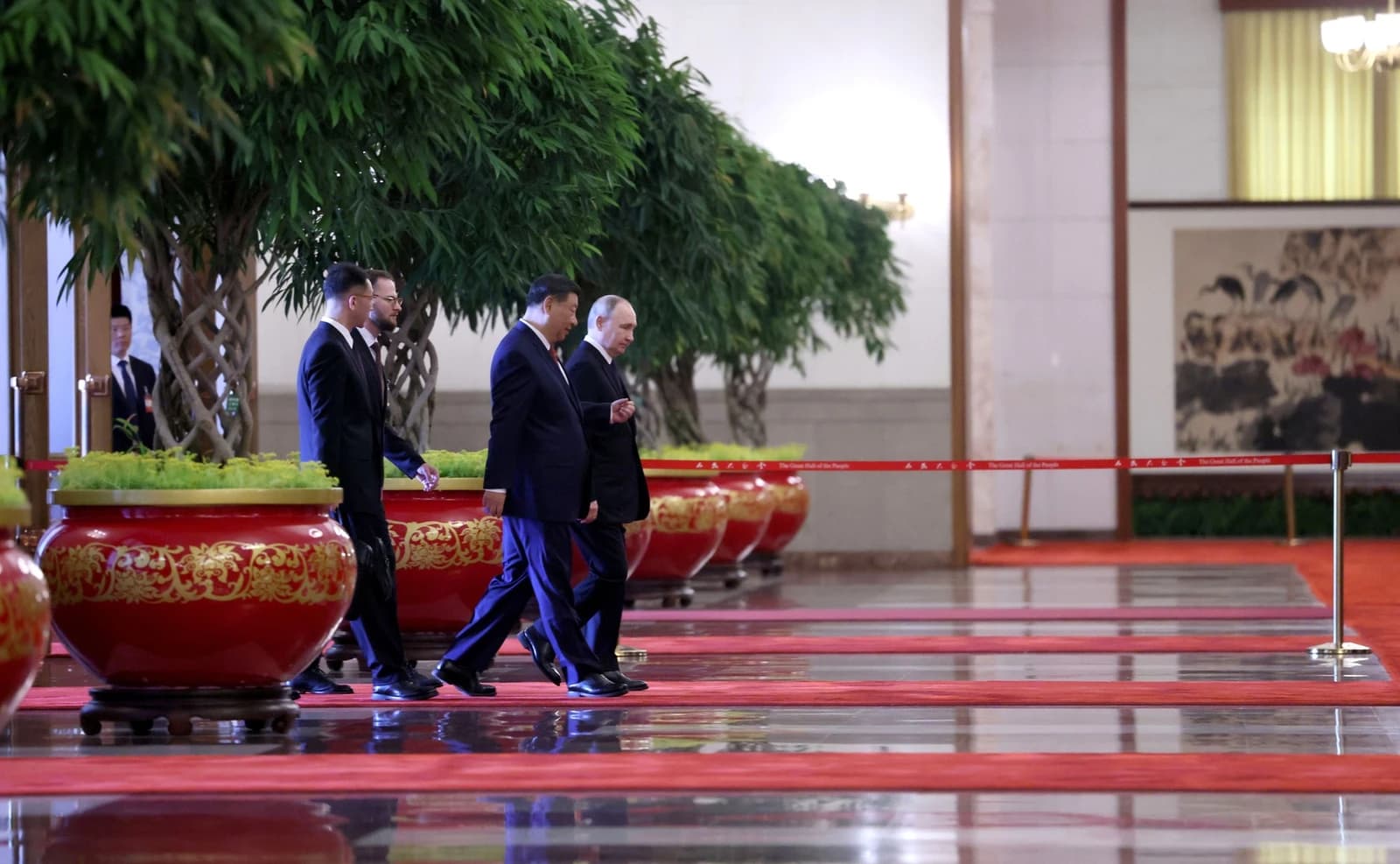
Beijing said the G7 had “manipulated” China-related issues, accusing the group of “arrogance, prejudice and lies” after leaders in Italy criticized policies they said were distorting markets and creating harmful overcapacity in an expanding list of industries. That language matters because it signals the West is moving beyond abstract rhetoric and toward a more coordinated challenge to China’s export machine — one that could eventually mean tariffs, investment restrictions and tighter technology controls.
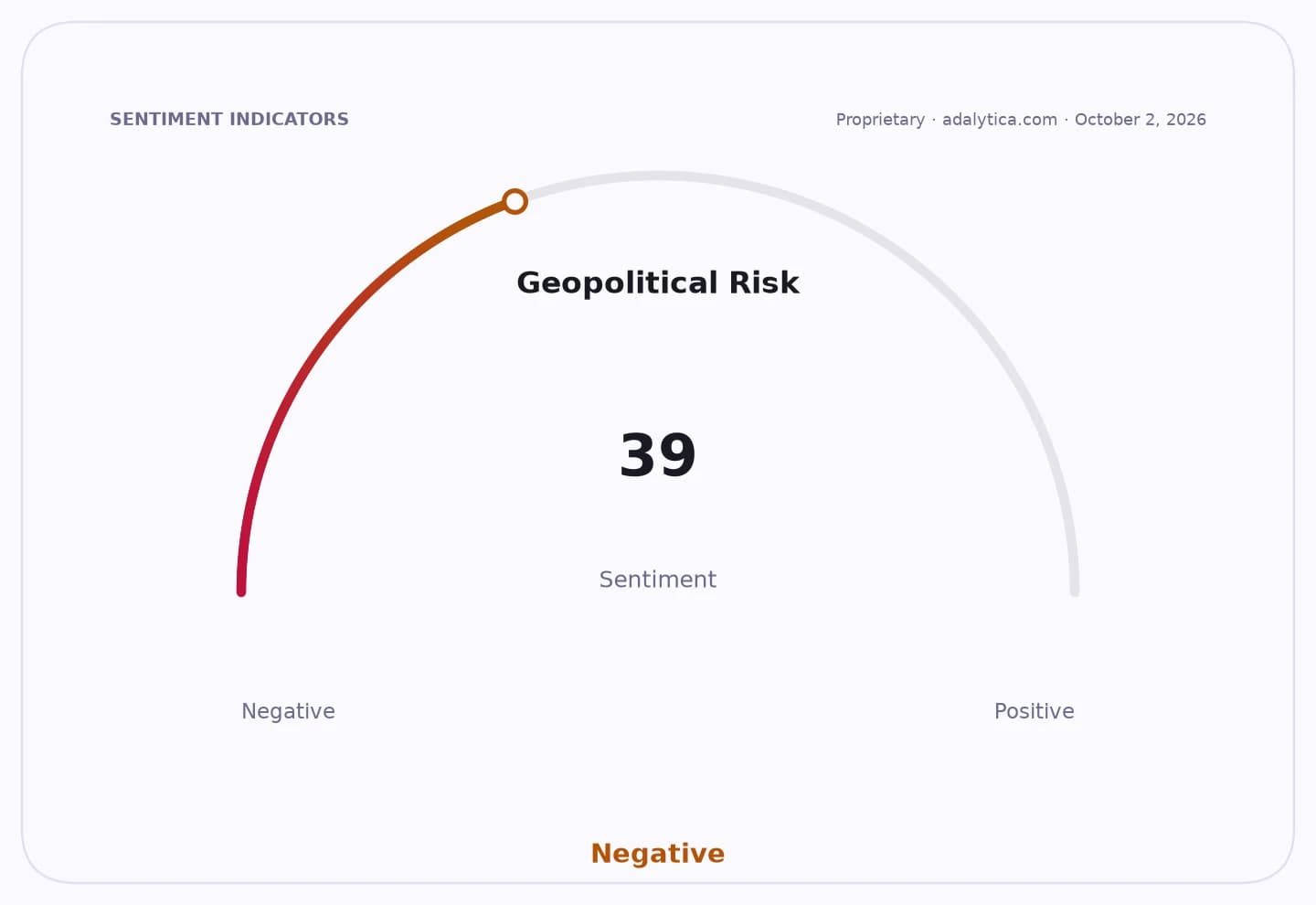
Sentiment IndicatorsⓘProprietary · adalytica.com · October 15, 2026
This is a snapshot — live sentiment, awareness and momentum for 130+ markets update continuously in the dashboard.Open AlphaPulse
For investors, the immediate read-through is not just diplomatic noise. It is a warning that supply chains, commodity pricing and industrial margins may face another round of policy shocks. The G7’s concern about “non-market” practices points directly at sectors where China has built scale with state backing, from electric vehicles and batteries to solar equipment and steel. If Western economies decide that overcapacity is a strategic threat, the response could reshape trade flows and create new winners among domestic producers, defense suppliers and select industrials in the US, Europe and Japan.
The confrontation is also broadening beyond the G7. NATO chief Jens Stoltenberg on Monday urged allies to impose costs on China if it keeps supporting Russia’s war effort, tying Beijing more closely to Europe’s security agenda and raising the odds of a more unified Western stance. That creates a tougher backdrop for Chinese assets and for companies with heavy exposure to the mainland, especially where export demand has been a key growth engine.
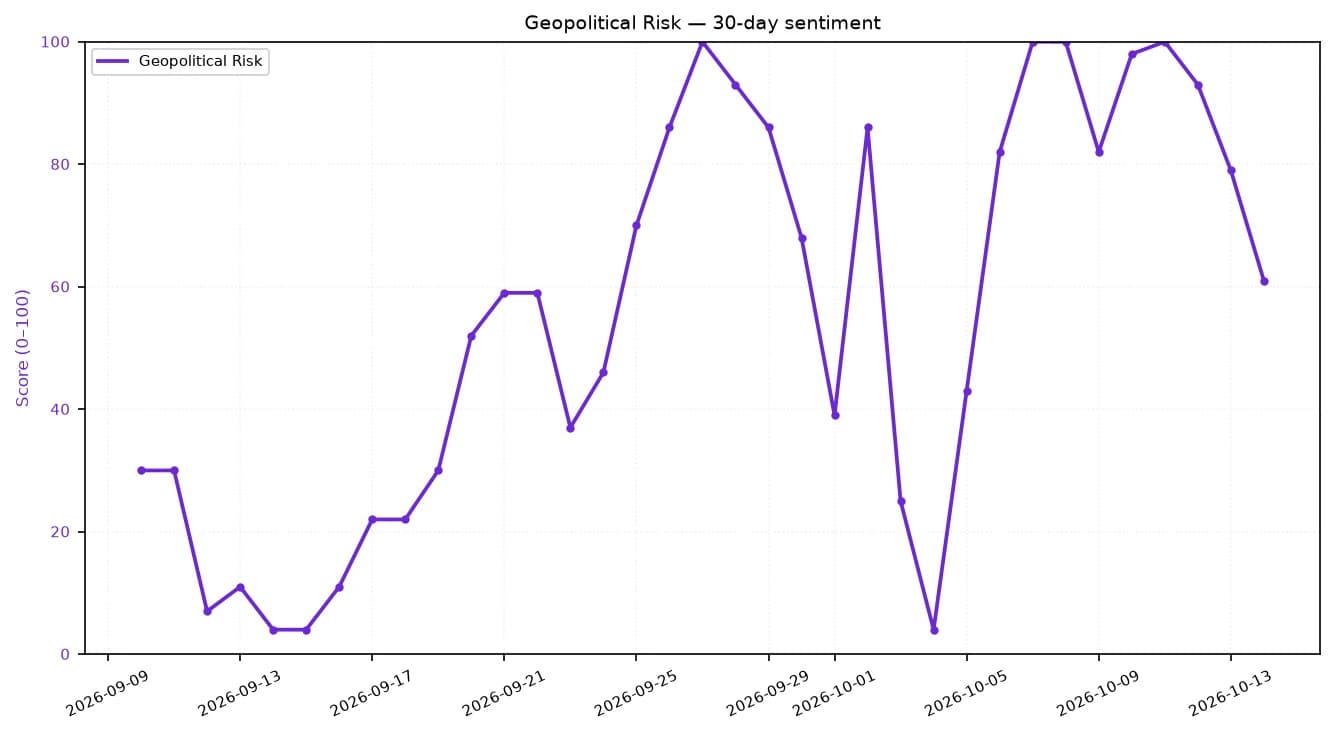
Geopolitical Risk — 30-day sentimentadalytica.com
Explore this data interactively — full history, time series and cross-market comparisons.Open AlphaPulse
The market has not fully priced how persistent this tension could become. The iShares China Large-Cap ETF, FXI, has been under pressure and is trading below both its 50-day and 200-day moving averages, a sign that sentiment remains fragile even after periodic rebounds. The leveraged YINN fund, which magnifies gains and losses in Chinese shares, has also been weak, reflecting how little conviction traders have in a clean de-escalation. Adalytica’s China CCP policy-direction gauge still shows “Greed,” but its “awareness” score sits in “Extreme Fear,” a mix that suggests policy risk is high even when near-term positioning looks complacent.
That is why this matters now. The next leg of the story is not whether China and the G7 exchange another round of statements — they will. The real issue is whether this becomes a structural decoupling in strategic sectors. If it does, capital will continue rotating toward countries and companies that can replace Chinese supply, secure critical materials and build capacity in everything from advanced manufacturing to defense and energy infrastructure.
Our view is that investors should treat every new China-G7 flare-up as a signal to own the toll roads of deglobalization: defense primes, critical-mineral suppliers, semiconductor equipment names, industrial automation, and non-China manufacturing beneficiaries. The market is still pricing this as politics. It is really an industrial policy regime change.
| Entity | Gains | Losses |
|---|---|---|
| US, Europe, Japan | ▲policy leverage | ▼export dependence |
| Chinese exporters | ▲short-term scale | ▼tariff and margin risk |
| Defense and security stocks | ▲higher spending | ▼peace dividend hopes |
| Non-China industrials | ▲supply-chain shift | ▼China-linked demand exposure |