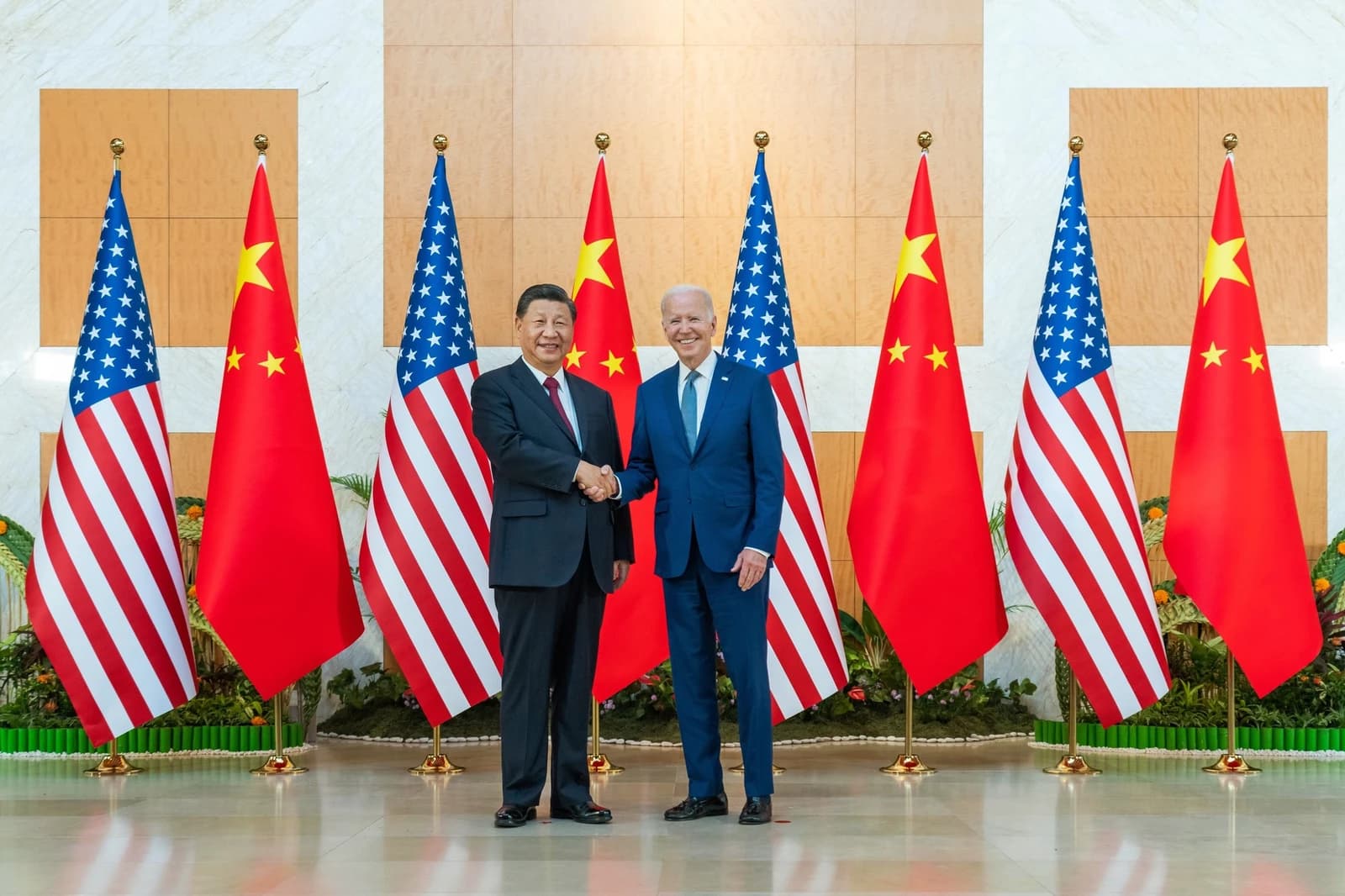
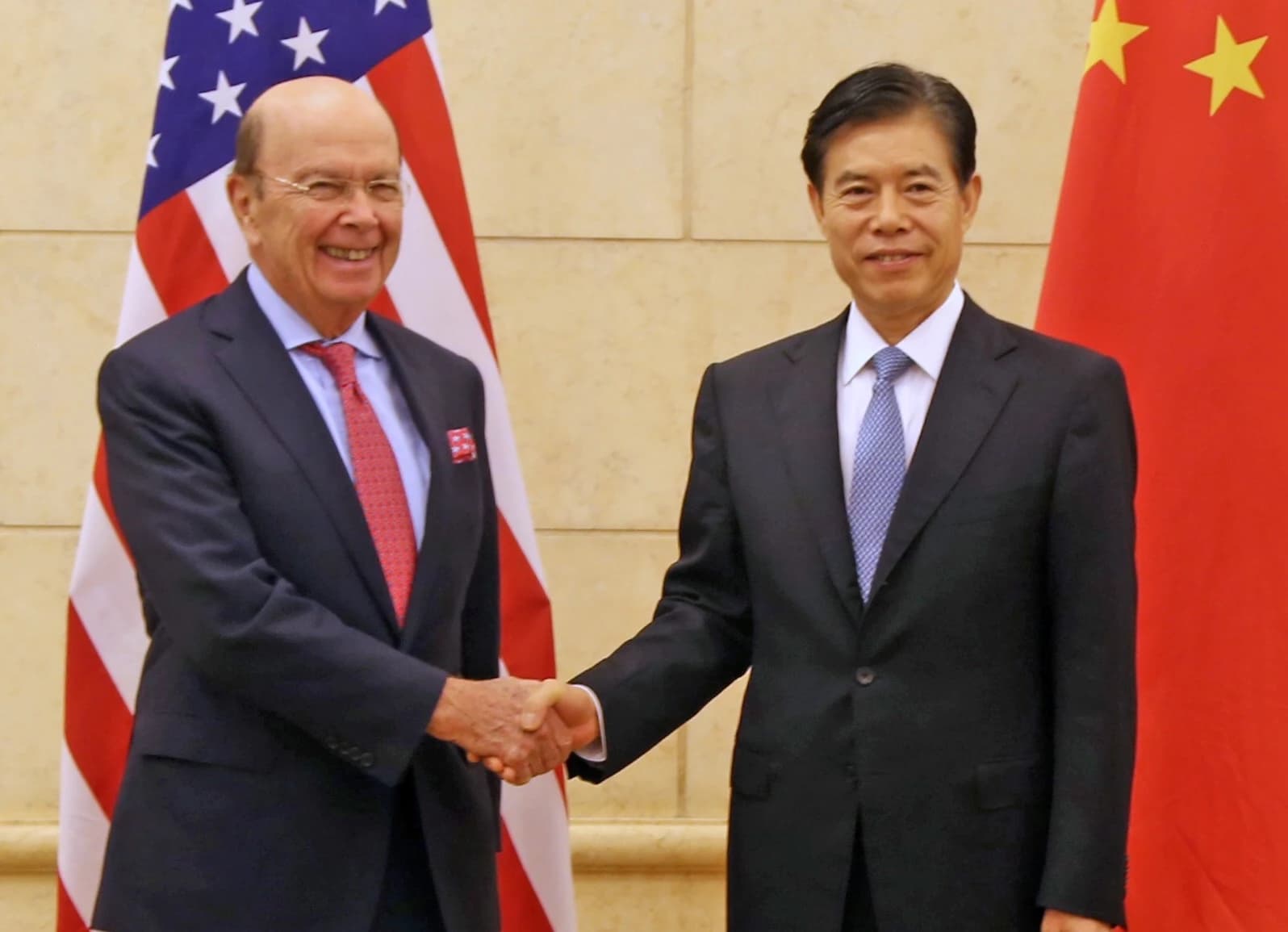
The United States and China have agreed to keep their trade truce alive until Jan. 10, a practical win for investors because it buys time for the world’s two biggest economies to keep talking instead of ratcheting up tariffs again.
U.S.-China Trade Truce Extended to Jan. 10
That matters far beyond diplomacy. A longer runway lowers the immediate risk of fresh duties on goods flows, supply chains and corporate margins, especially for multinationals with exposure to China and for manufacturers that rely on imported components. It also reduces the chance of a sudden shock to global growth just as investors are trying to judge whether the trade war remains a one-off headline risk or something that can still spill into earnings.
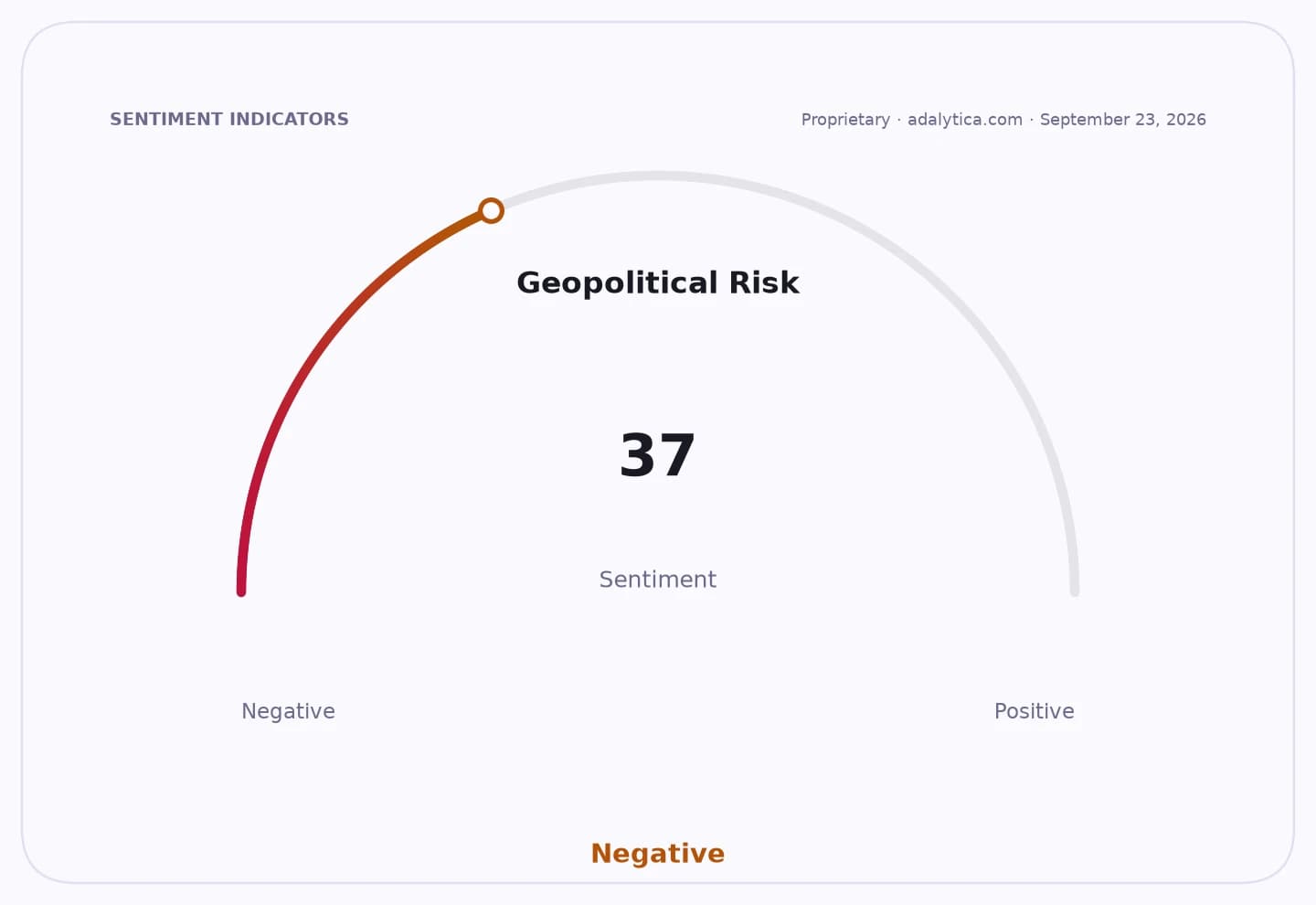
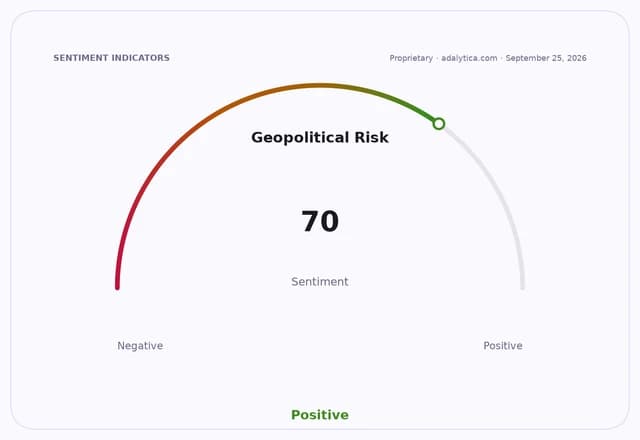
Sentiment IndicatorsⓘProprietary · adalytica.com · September 25, 2026
This is a snapshot — live sentiment, awareness and momentum for 130+ markets update continuously in the dashboard.Open AlphaPulse
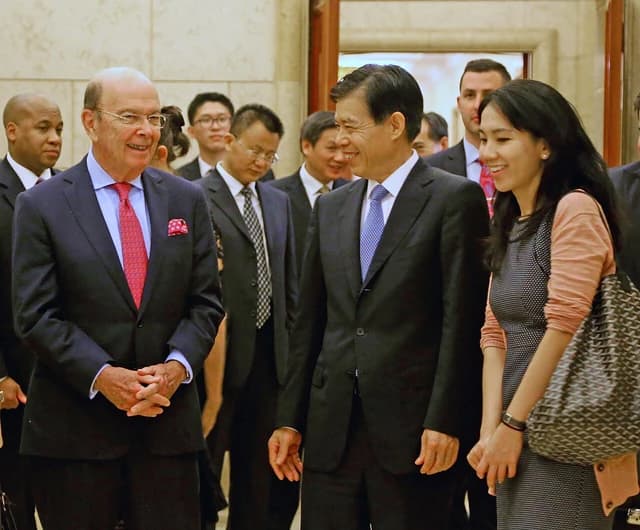
The fact that Washington and Beijing had been at odds over how long to extend the truce underscores how fragile the calm still is. The U.S. had pushed for a six-month extension, while China wanted a longer commitment, a difference that speaks to the deeper strategic mistrust on both sides. For markets, that means the deal is helpful, but not decisive: the truce delays pain, it does not resolve the underlying contest over tariffs, technology and industrial policy.
That unresolved backdrop is why the move should matter to equities, currencies and commodities. A trade ceasefire usually supports risk appetite, and it can help Chinese shares and related ETFs recover from the discount investors assign to policy uncertainty. It can also take some pressure off the dollar and global haven assets when fears of escalation fade. Adalytica’s U.S.-China Relations Sentiment gauge sits at 100, or “Extreme Greed,” reflecting how intensely this relationship can move expectations when even a temporary breakthrough appears possible.
For long-term investors, the key takeaway is not to chase the headlines but to recognize what they change: the probability of a near-term tariff shock. That is useful for companies that sell into China, source from China or compete with Chinese exports, because it gives management teams another few months to plan capital spending, inventories and pricing. It also keeps alive the possibility that a broader agreement, however imperfect, could eventually support a more durable re-rating in sectors tied to trade, manufacturing and global demand.
The U.S. dollar and China-linked assets are already showing how sensitive positioning can be. UUP, a broad measure of the greenback, has stayed firm, while the FXI China ETF and leveraged YINN fund remain under pressure, suggesting investors are still demanding a discount for policy risk even after the truce extension. For patient investors, that is often where opportunity starts: when bad news is priced in, but negotiations still have room to improve.
The next few months will likely decide whether this is just another pause in a long trade war or the beginning of something sturdier. Either way, the extension is a reminder that markets do not need perfection to move higher — they just need less uncertainty. Worth watching, especially for investors with long time horizons and diversified portfolios.
| Entity | Gains | Losses |
|---|---|---|
| U.S. and Chinese exporters | ▲Tariff reprieve | ▼Near-term trade escalation |
| Global manufacturers | ▲More planning time | ▼Supply-chain disruption risk |
| Chinese equities / FXI | ▲Policy relief bid | ▼Trade-uncertainty discount |
| U.S. dollar / UUP | ▲Safe-haven support | ▼Sharp risk-on relief if talks improve |