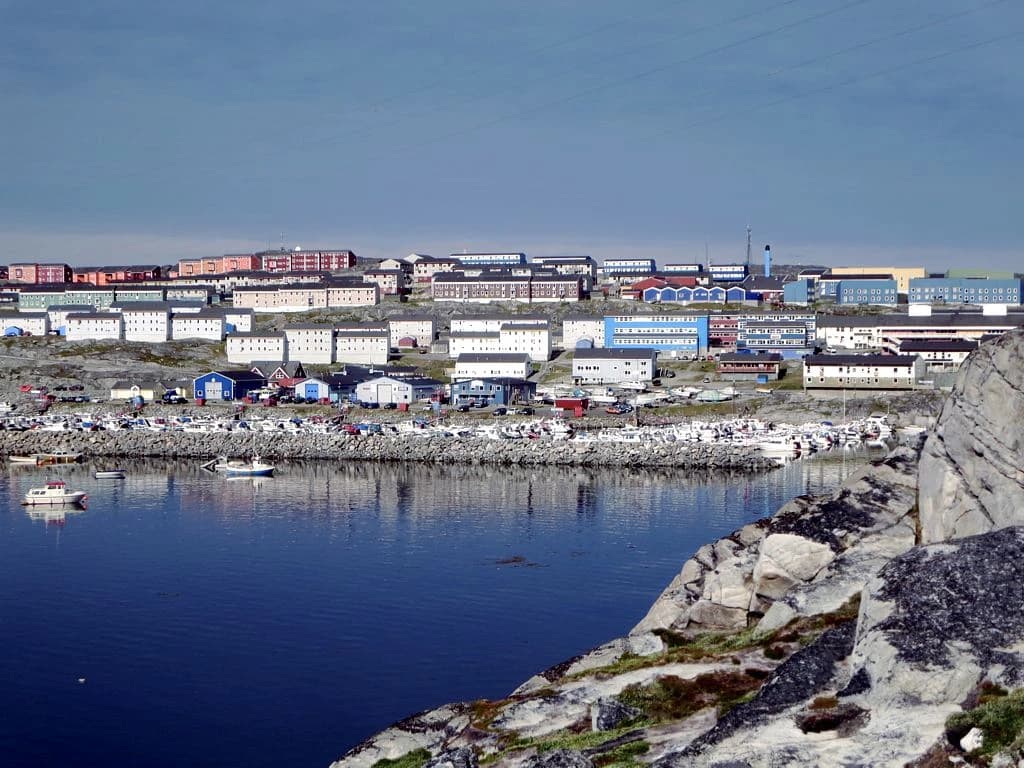
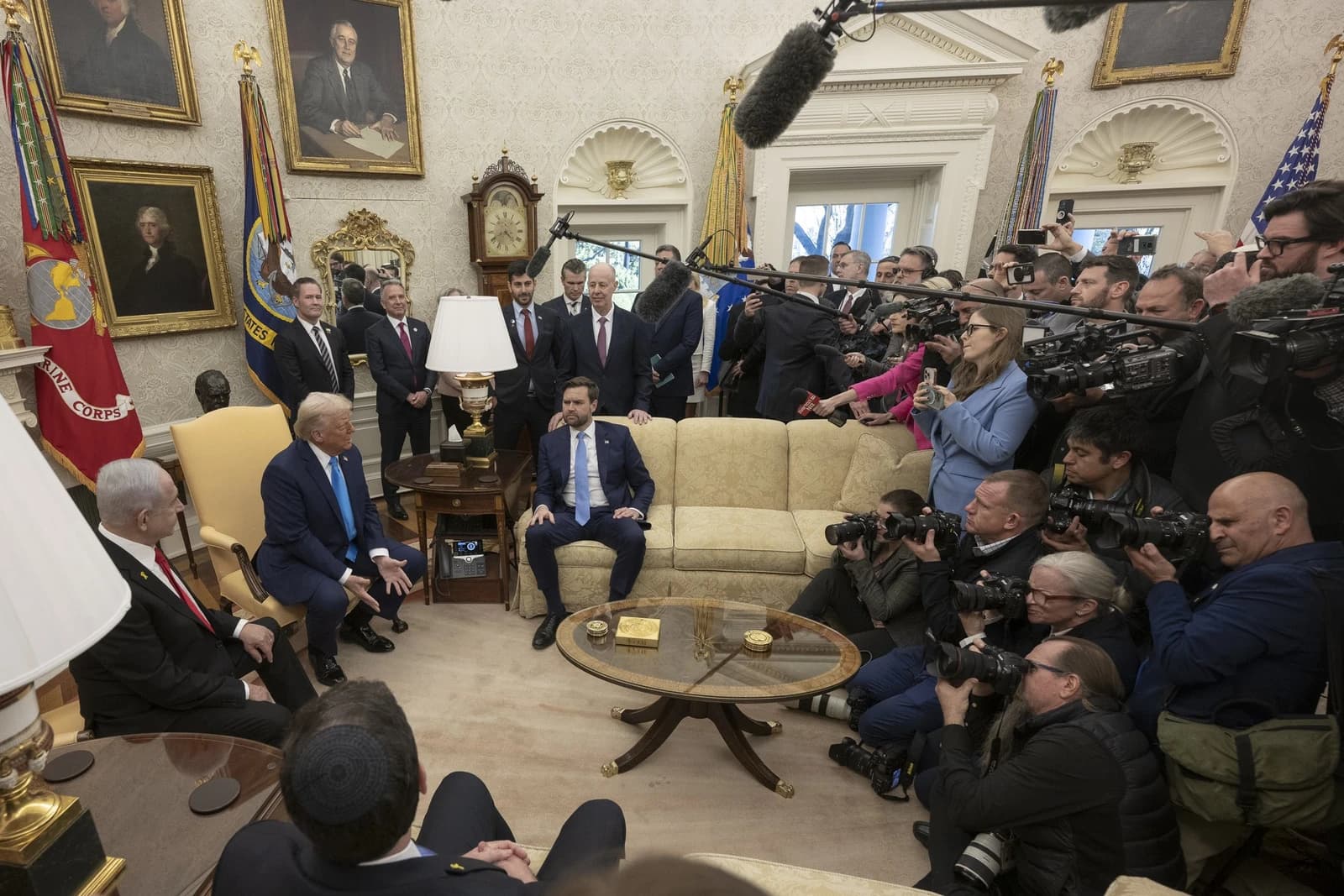
Trump’s call for large-scale oil, gas and mineral exploration in Greenland is less a near-term drilling plan than a geopolitical signal — one that clashes with Greenland’s climate-led freeze on new licenses and underscores how the Arctic is becoming a harder-edged arena for energy, security and resource competition.
Greenland oil and minerals pitch draws Arctic focus
The economic stakes are obvious. If Greenland’s offshore and onshore geology were ever opened on a meaningful scale, it could alter expectations for future Arctic supply, but that remains a remote scenario. Greenland has halted new oil and gas exploration licenses since 2021 over environmental concerns, and any development would still have to run through Danish and Greenlandic authority. Trump offered no estimates or technical details, which leaves the announcement as political messaging rather than a investable project pipeline.
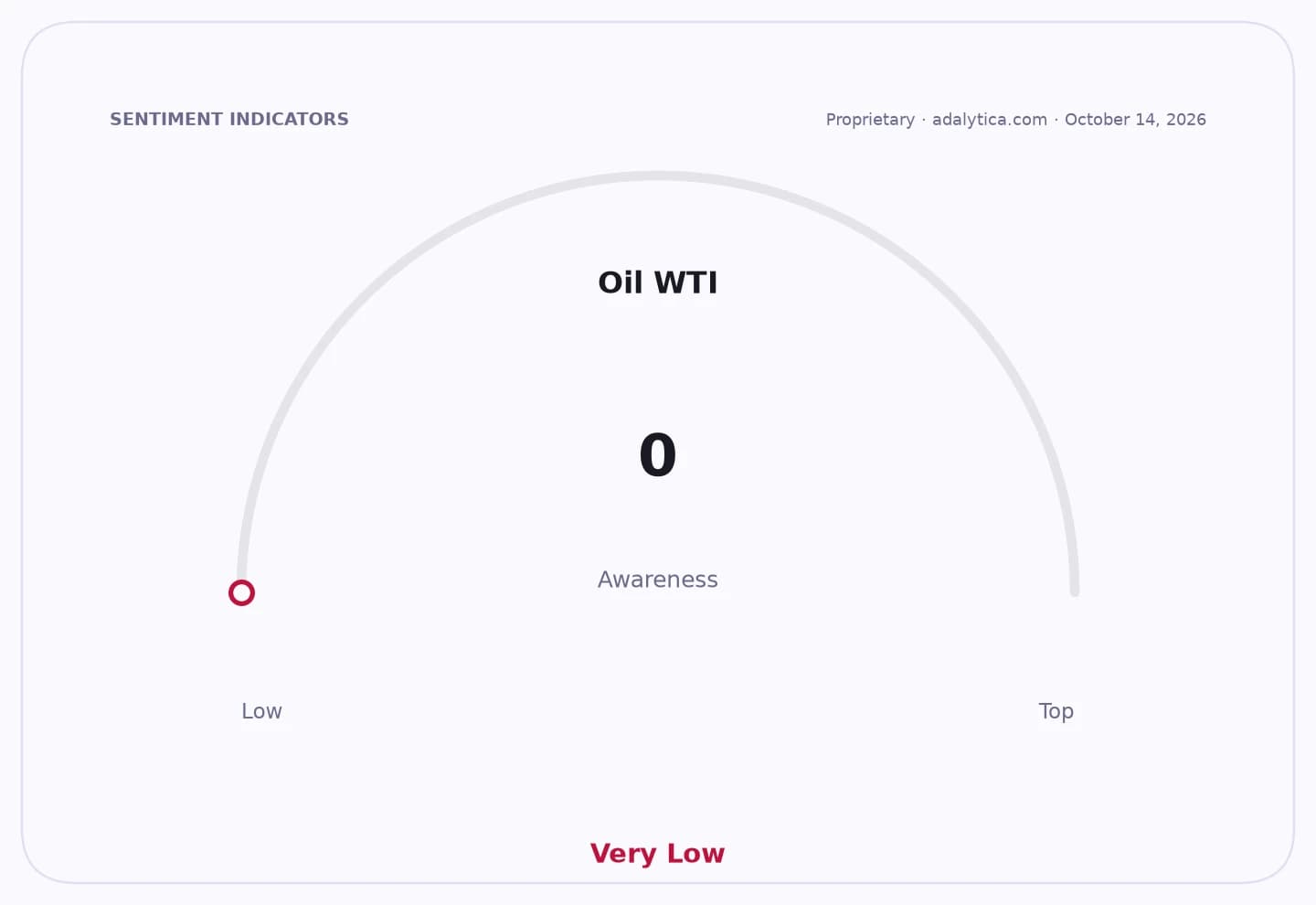
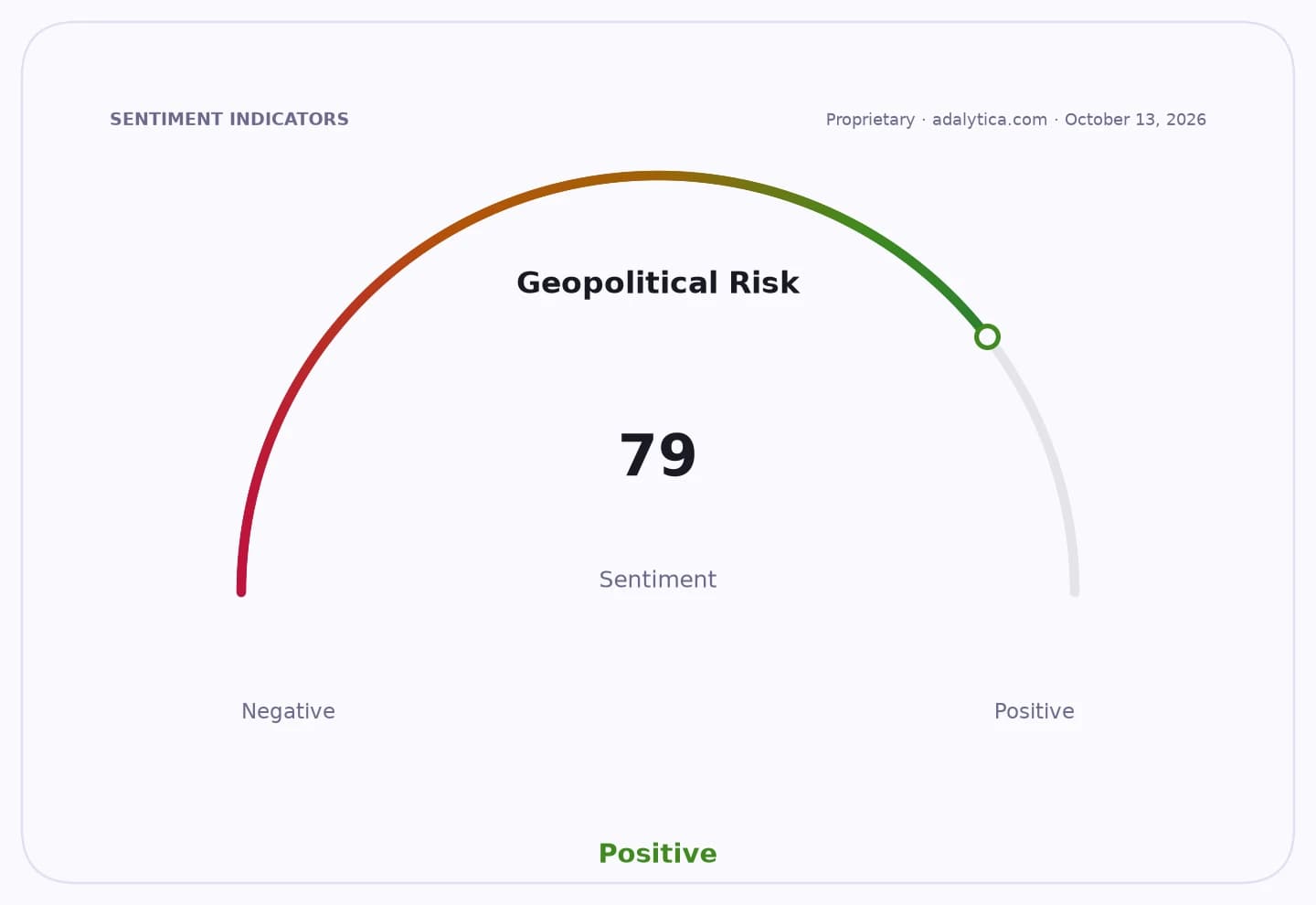
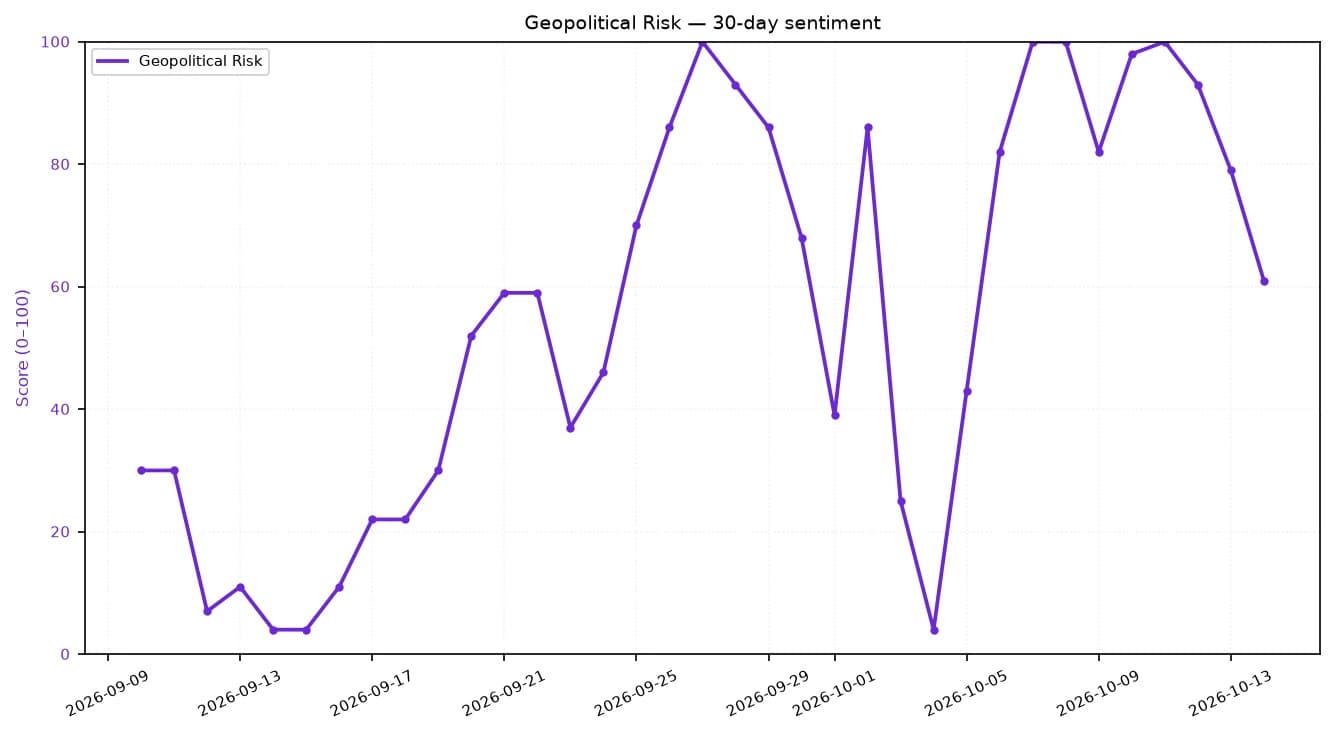
Sentiment IndicatorsⓘProprietary · adalytica.com · October 15, 2026
This is a snapshot — live sentiment, awareness and momentum for 130+ markets update continuously in the dashboard.Open AlphaPulse
The timing matters because it comes after a September accord between Washington, Denmark and Greenland to expand the U.S. military footprint, including bases and missile defence. That makes the resource pitch part of a broader strategic push in the High North, where Washington and its allies are trying to counter Russian activity and secure sea lanes, surveillance and deterrence. Trump’s description of Greenland as American territory also reopens a sovereignty dispute that Copenhagen and Nuuk have repeatedly rejected.
For markets, the immediate effect is more rhetorical than operational. Oil traders have already been living with elevated geopolitical risk, and WTI-linked sentiment on Adalytica’s gauge shows “Extreme Greed,” while the broader USO fund remains well above its 200-day moving average. But Greenland itself is not a material supply source today, so the first-order impact is on expectations around Arctic exploration rights, permitting risk and the valuation of frontier energy acreage, not on current global balances.
The bull case for the administration’s approach is that the Arctic may eventually offer strategic minerals and hydrocarbons at a time when Western governments want to diversify supply chains and reduce dependence on rival producers. The bear case is that the project collides with local law, climate politics and high development costs, making the announcement more likely to sharpen diplomatic friction than unlock barrels or tonnes. With no formal plan, financing structure or concession framework disclosed, investors should treat the move as an indicator of policy direction rather than a catalyst for immediate capital spending.
What to watch next is whether Washington translates the rhetoric into formal negotiations, and whether Greenland and Denmark harden their position on resource access. Until then, the story is about leverage, sovereignty and Arctic positioning — not production.
| Entity | Gains | Losses |
|---|---|---|
| U.S. strategic planners | ▲Broader Arctic leverage | ▼Diplomatic trust with Denmark/Greenland |
| Greenlandic authorities | ▲Ability to assert sovereignty | ▼Pressure to revisit climate limits |
| Arctic energy explorers | ▲Potential future acreage | ▼Near-term permitting uncertainty |
| Oil bulls | ▲Geopolitical premium | ▼No immediate supply gains |