Trump’s call for oil, gas and mineral “exploration” in Greenland matters less as an immediate drilling plan than as a reminder that geopolitics is again reaching into the global energy trade, just as crude prices and energy stocks are already priced for a tight market.
Greenland Exploration Could Lift Energy Services Stocks
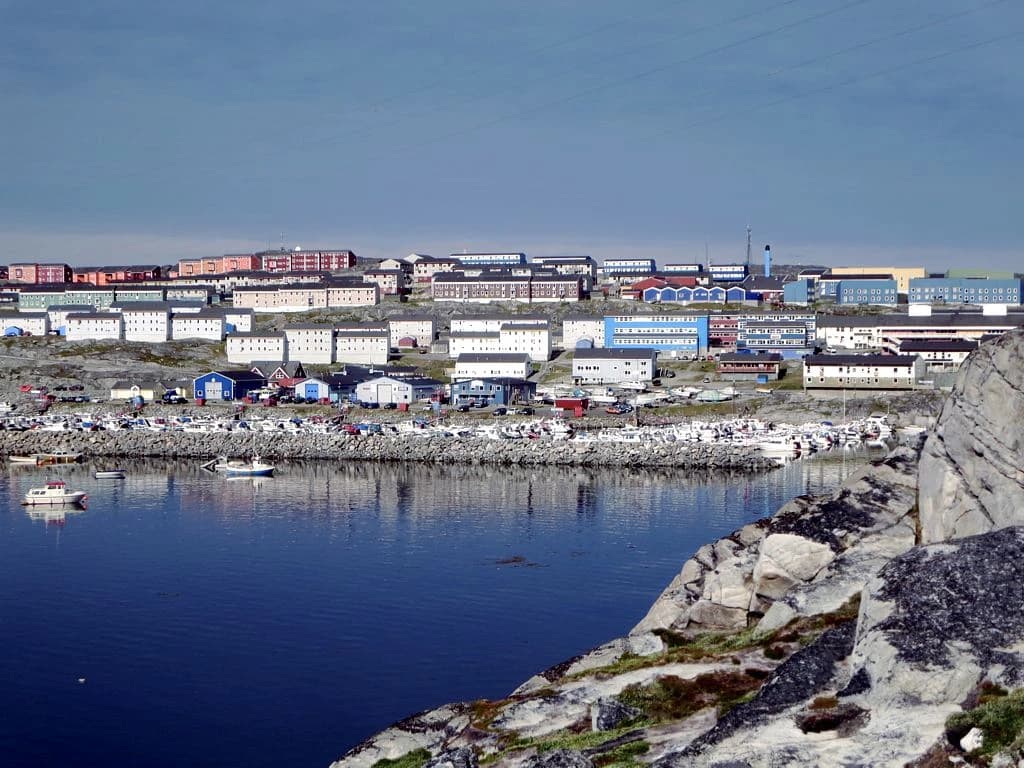
The economics are straightforward. If Washington is serious about opening a new Arctic frontier, even slowly, it could extend the supply pipeline over time and deepen the strategic competition around some of the last untapped resource basins on the planet. But the bigger near-term market effect is not barrels — it is option value. Investors are being forced to price a longer runway for exploration spending, offshore engineering, seismic work and Arctic logistics, all of which feed the energy services complex before a single commercial well produces.
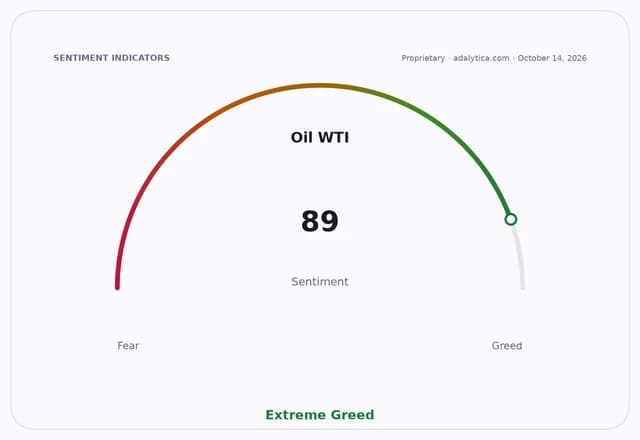
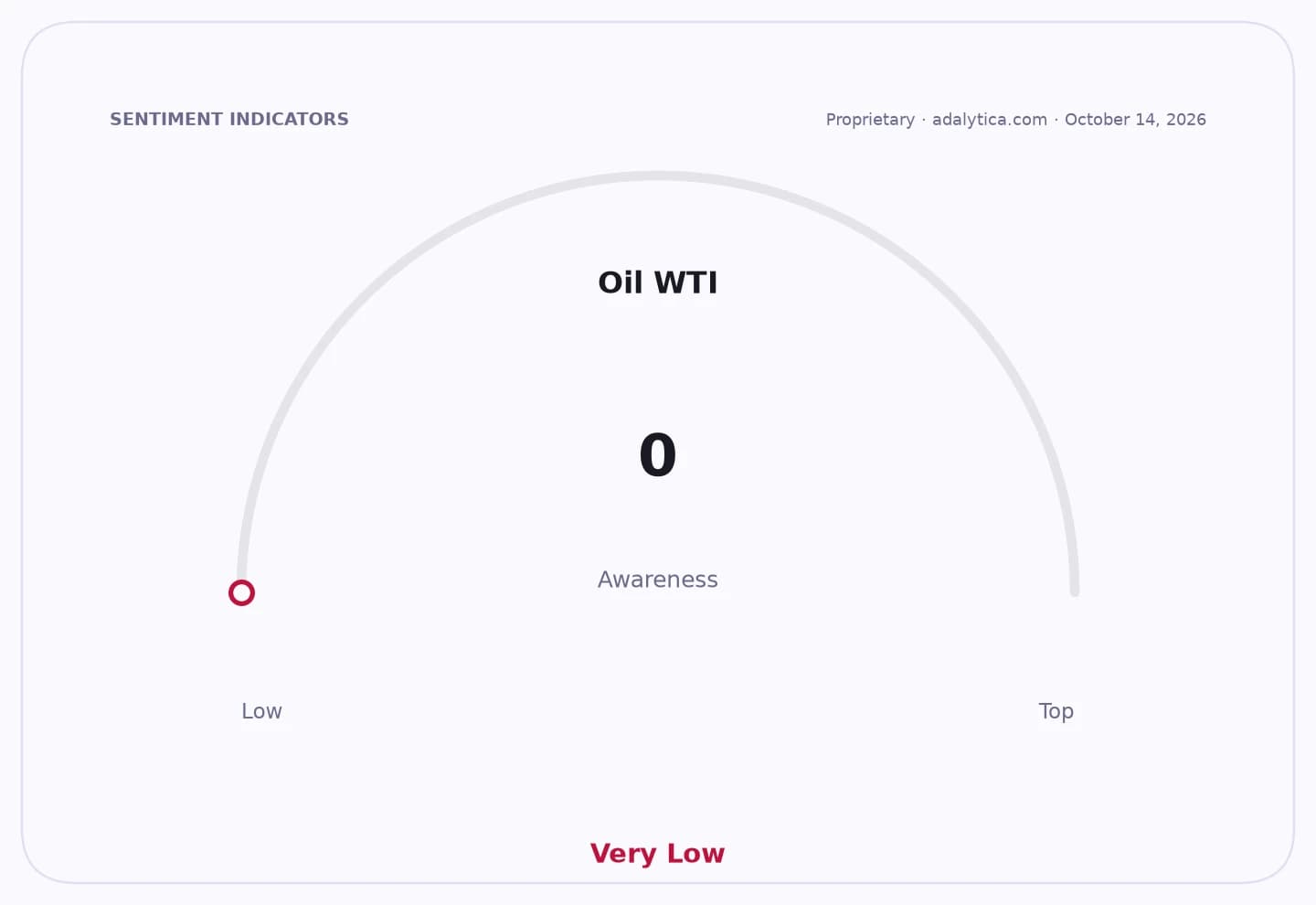
That is why the market reaction sits mostly in the equities that make money from activity rather than just output. XLE has climbed to 67.63, up sharply from 55.84 in mid-April, while its 50-day moving average has risen to 62.91 and the 200-day to 56.76, a sign the sector is in a sustained uptrend. USO, meanwhile, is holding near 153.36, still elevated even after a volatile year, with WTI around $95.79 a barrel in the latest forecast. In other words, the market is already telling you that supply remains expensive, and any credible new resource push only reinforces that message.
The real winners, if this turns from rhetoric into policy, are the picks-and-shovels names: Schlumberger, Halliburton, Baker Hughes and the broader offshore supply chain. These companies do not need Greenland to become a producing province next quarter to benefit. They benefit if governments signal that frontier exploration is back in favor, because that lifts spending on surveys, rigs, subsea systems and reservoir services. Chevron, ConocoPhillips and Exxon Mobil also gain optionality through their exploration budgets and global acreage positions, though the upside there is slower-moving and more capital-intensive.
The catch is that Greenland’s government has already pushed back, saying no large-scale drilling is imminent and no permits have been granted. That matters because it keeps this from being a near-term supply shock. Environmental restrictions, permitting hurdles and infrastructure costs could delay any meaningful development for years, if not decades. So the investment thesis is not about immediate Greenland barrels. It is about the policy signal that the world’s energy transition is not eliminating the value of hydrocarbons — it is raising the strategic premium on securing them.
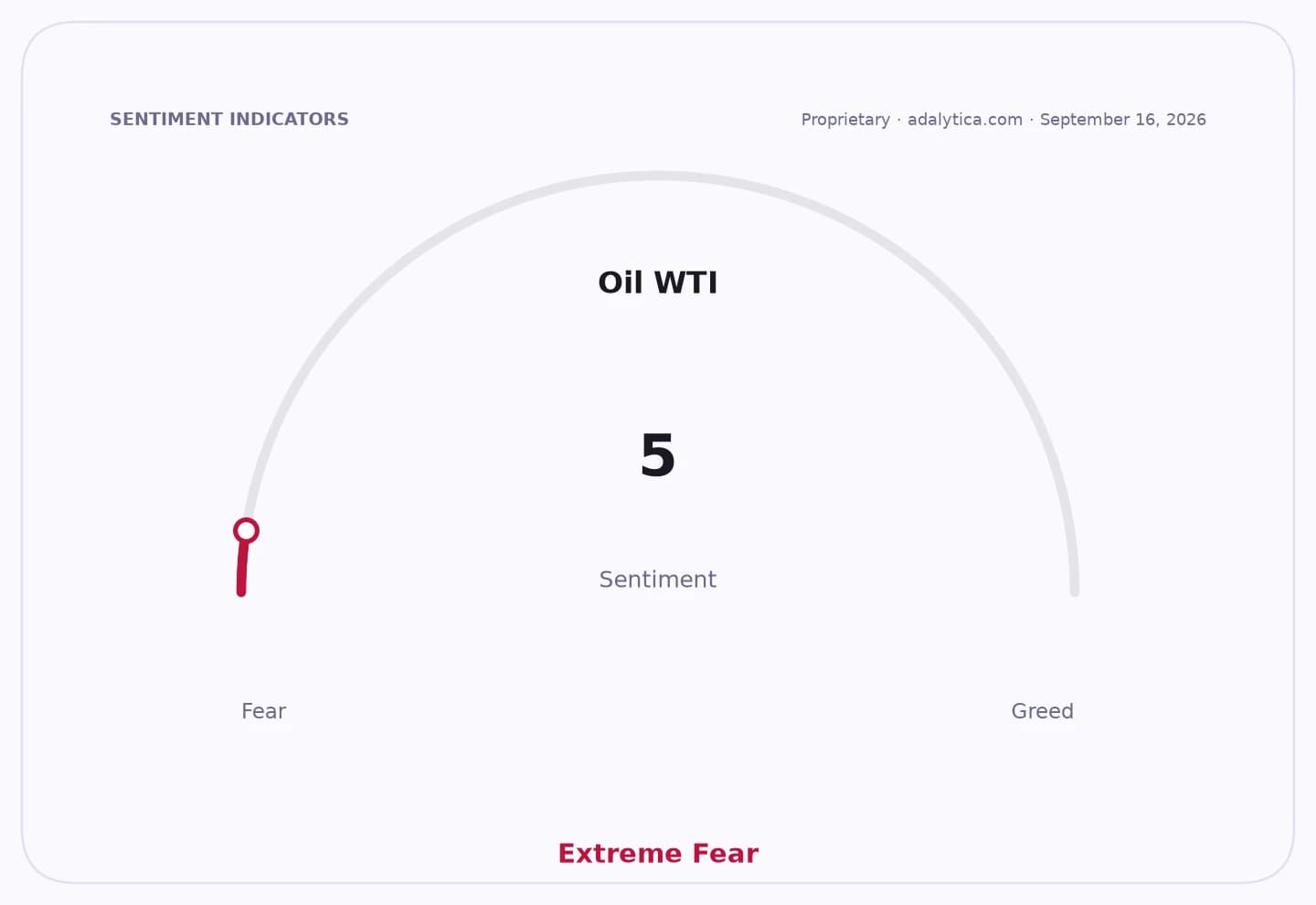
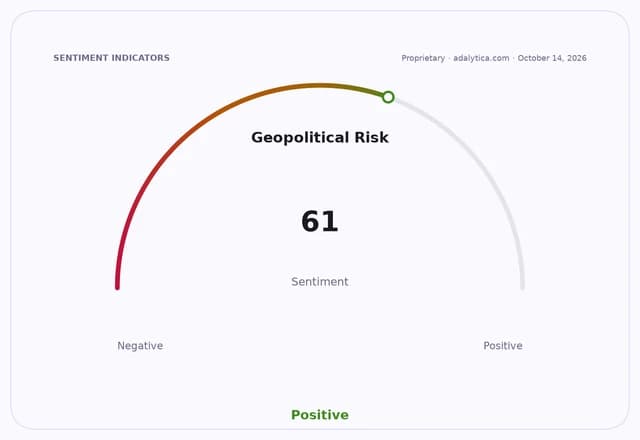
That dynamic also helps explain why gold has stayed in focus. GLD is still well above where it traded early in the year even after sliding to 375.17, and the broader geopolitical-risk backdrop remains elevated even if Adalytica’s Global Stability Sentiment has eased to neutral. When political risk rises and energy supply stays constrained, capital tends to rotate toward assets and companies that benefit from scarcity, not abundance.
Our thesis is simple: the market underestimates how much geopolitical resource nationalism can re-rate energy infrastructure and exploration names. Greenland is unlikely to become a meaningful oil province soon, but it may become a profitable narrative for drillers, service firms and the commodity complex itself. Investors should use any dip in energy and offshore-exposed names to build positions in the toll roads of the next resource cycle, not the producers alone.
| Entity | Gains | Losses |
|---|---|---|
| Energy services firms | ▲More exploration spending | ▼Permitting delays |
| Oil producers | ▲Long-term acreage optionality | ▼Higher political risk |
| Greenland government | ▲Global attention, leverage | ▼Environmental backlash |
| Consumers/importers | ▲None | ▼Higher supply-risk premium |