Hong Kong’s sole yuan clearing bank is preparing to issue certificate of deposit notes in mainland China, a move that would pull more offshore yuan funding into the domestic market and add another channel to Beijing’s campaign to broaden the currency’s use.
Hong Kong Yuan Clearing Bank Plans Mainland CDN Issue
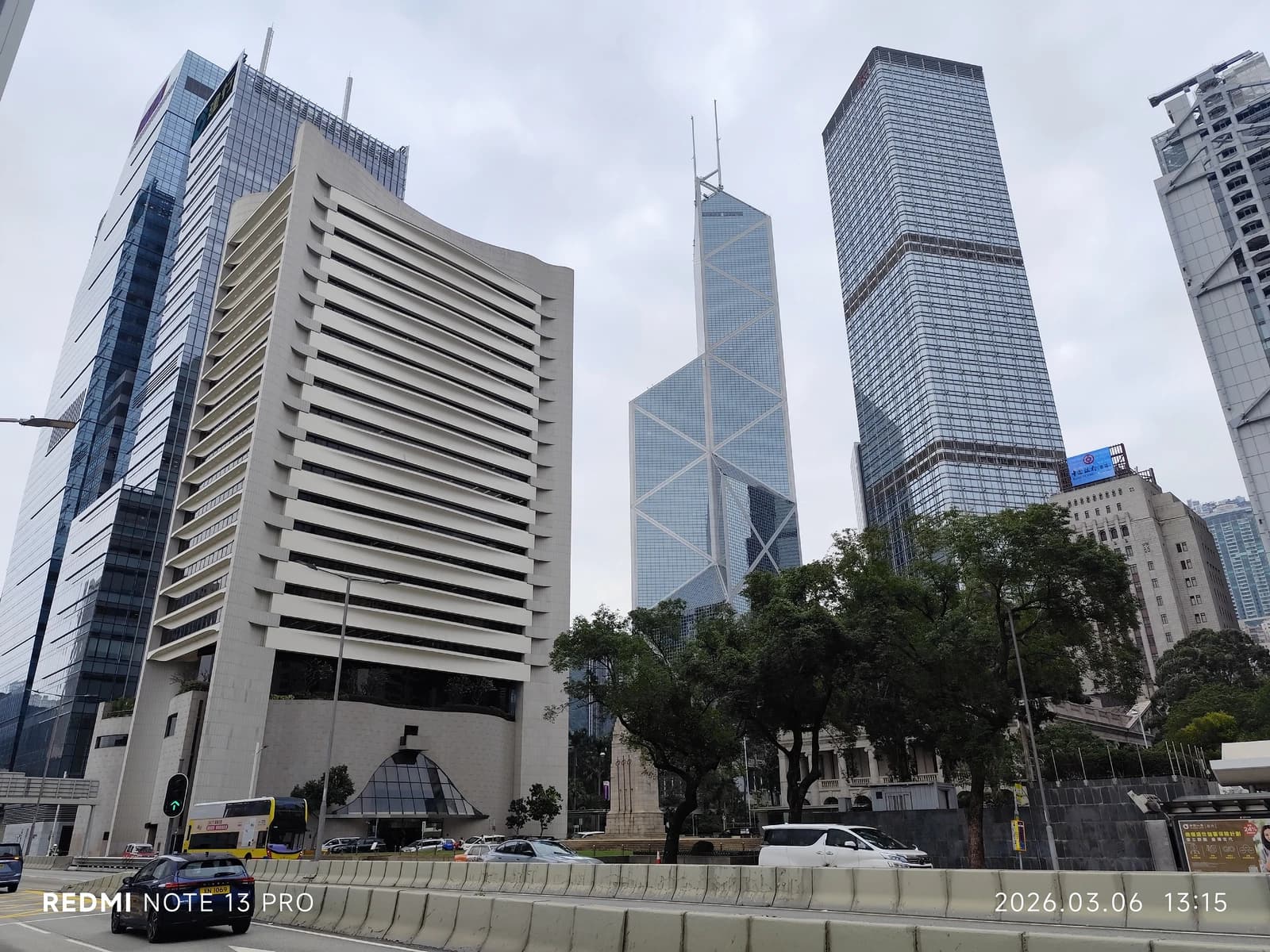
The plan matters because it goes beyond a routine funding exercise. If completed, the issuance would help Hong Kong’s RMB infrastructure operator tap deeper mainland liquidity while giving Chinese investors a new yuan-denominated product linked to the city’s role as the offshore center for the currency. For policymakers, it supports a longer-running effort to make the yuan more functional for trade, savings and capital markets without fully liberalizing the currency account.
Sentiment IndicatorsⓘProprietary · adalytica.com · October 16, 2026
This is a snapshot — live sentiment, awareness and momentum for 130+ markets update continuously in the dashboard.Open AlphaPulse

The backdrop is a yuan that has been strengthening even as China manages a fragile recovery. The currency recently rose to 6.7249 per dollar, helped by solid exports and a 11.52 trillion yuan increase in yuan-denominated loans from January through September. That combination has improved confidence in domestic financial conditions and reduced immediate pressure for depreciation, giving authorities more room to promote yuan usage abroad and across the Greater China market.
A domestic CDN issue from the Hong Kong clearing bank would also carry symbolic weight. Hong Kong has long served as the main offshore hub for the Chinese currency, but the market has been constrained by limited high-quality yuan assets and uneven demand outside trade settlement. Bringing a recognized issuer into mainland issuance could tighten the link between onshore and offshore pools of liquidity, while expanding the menu for banks, institutions and potentially retail buyers seeking yuan exposure.
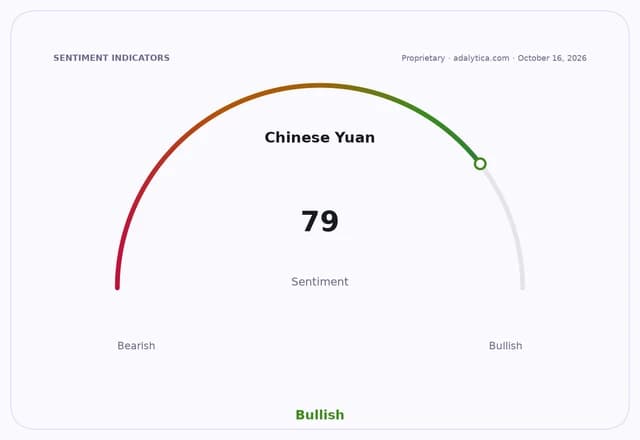
For investors, the implications are two-sided. Bullish interpretations center on deeper yuan internationalization, a modest broadening of investable yuan assets and potential support for bank funding diversity. The move also fits with a quieter dollar backdrop: Adalytica’s trade signals show sentiment on the US dollar at 66, while sentiment on the yuan stands at 79, suggesting the market is leaning toward further yuan resilience.
The bear case is that the market size will remain niche unless Beijing allows wider distribution and stronger secondary-market liquidity. Domestic investors may view Hong Kong-issued paper as a branded product rather than a transformative new asset class, and authorities will remain wary of any issuance that encourages speculative flows or complicates control over currency stability.
Still, the direction is clear. Beijing is trying to make the yuan more usable without abandoning its preference for gradualism, and Hong Kong remains the test bed. A successful CDN program would reinforce the city’s role in China’s financial opening while giving investors one more sign that yuan internationalization is advancing through market plumbing rather than headline-grabbing liberalization.
| Entity | Gains | Losses |
|---|---|---|
| Hong Kong yuan clearing bank | ▲Funding access; strategic relevance | ▼Higher execution risk |
| Beijing policymakers | ▲Wider yuan usage; market opening | ▼Less control if demand surges |
| Mainland investors | ▲New yuan product; yield options | ▼Limited liquidity initially |
| Offshore dollar holders | ▲— | ▼Relative appeal of yuan assets |