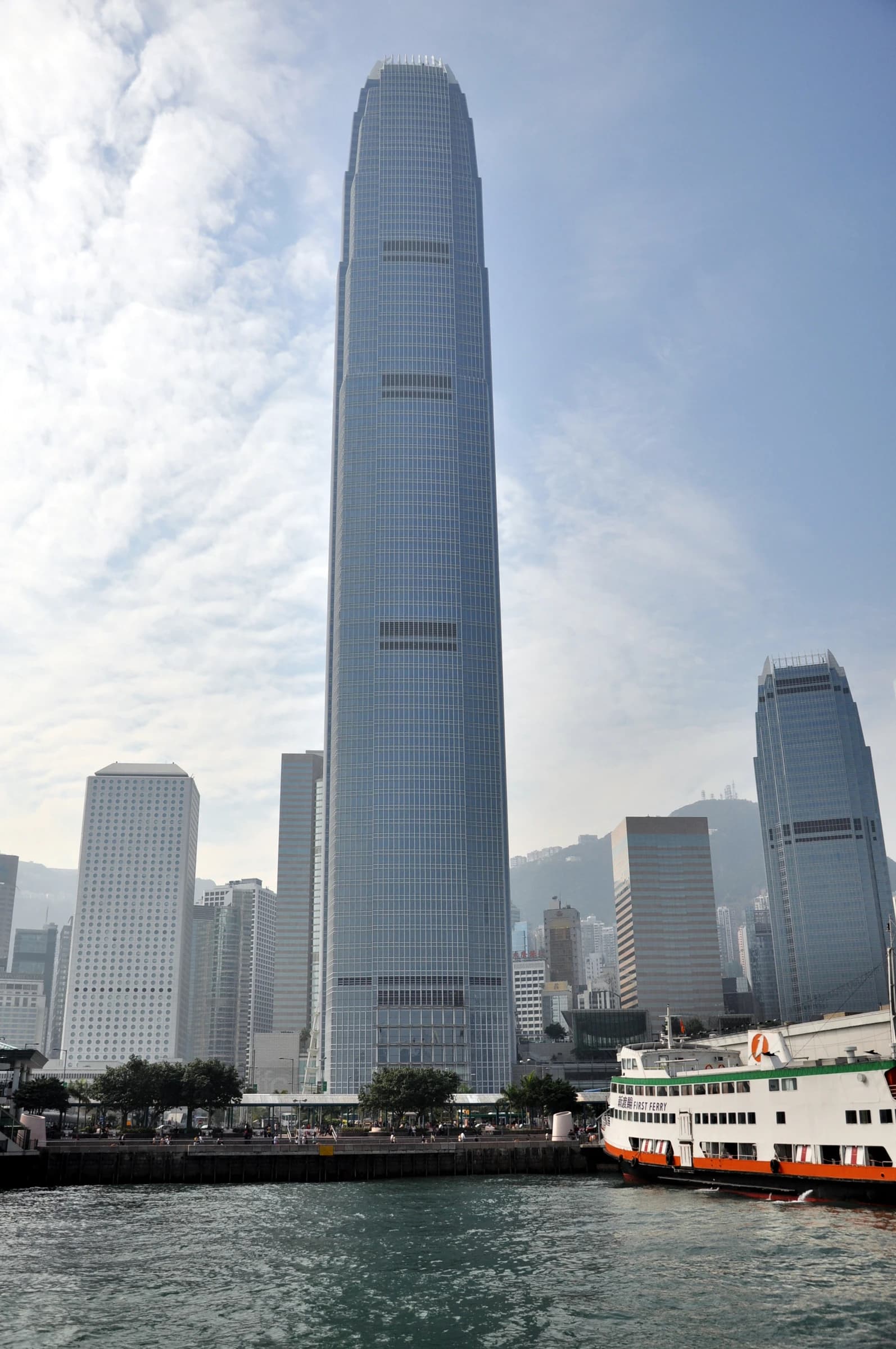
Hong Kong stocks started the day under pressure, with the Hang Seng opening 108.27 points lower as investors across Asia turned cautious ahead of the Federal Reserve’s September meeting minutes.
Hang Seng Opens Lower Ahead of Fed Minutes

That matters because Hong Kong rarely trades in isolation. When regional risk appetite weakens and traders are waiting for clues on U.S. interest-rate policy, money usually gets a little more defensive across Asian equities. For a market like Hong Kong, which is highly sensitive to global liquidity and to the outlook for China-related assets, even a modest selloff at the open can reflect a broader hesitation rather than a local problem.
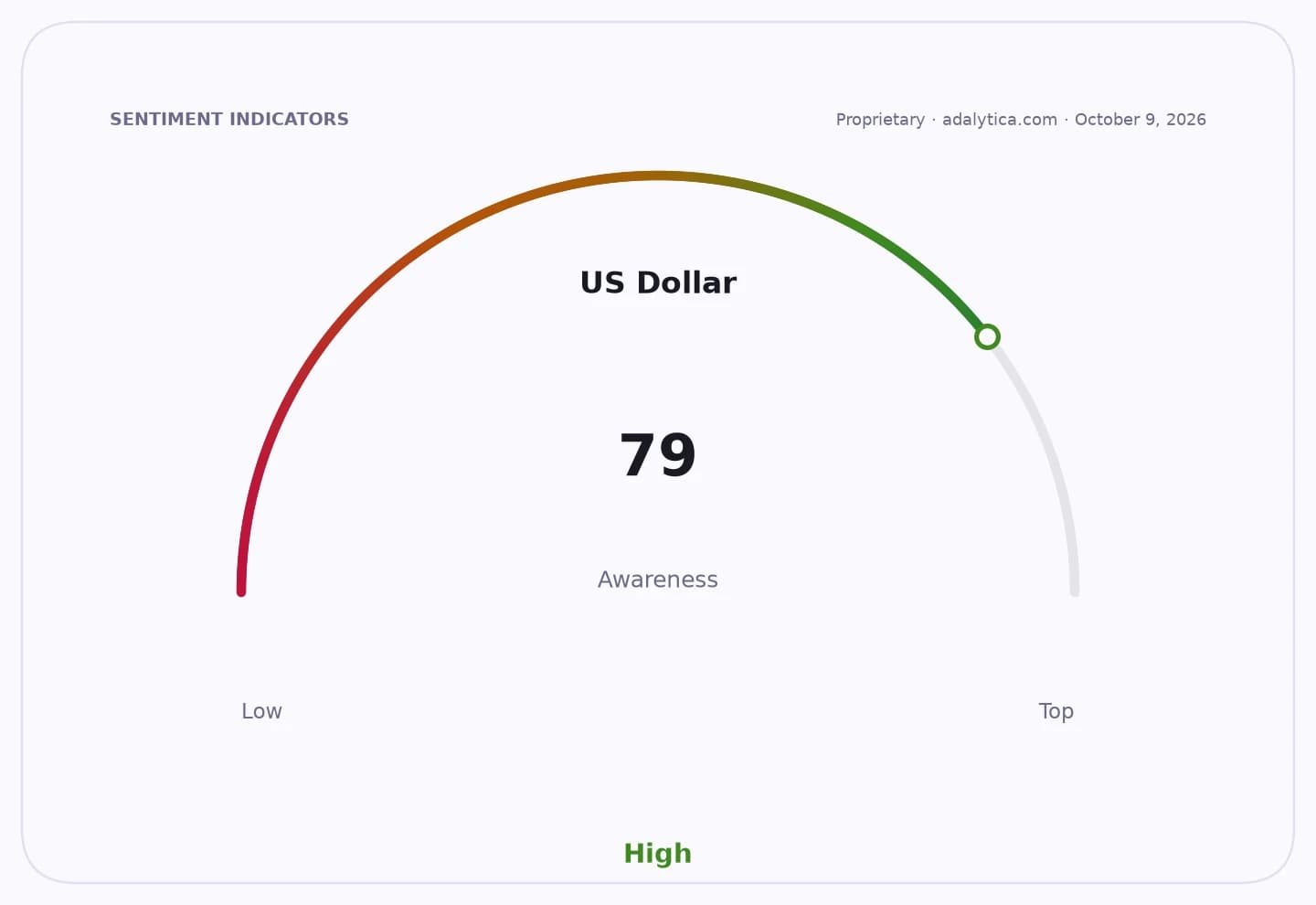
Sentiment IndicatorsⓘProprietary · adalytica.com · October 8, 2026
This is a snapshot — live sentiment, awareness and momentum for 130+ markets update continuously in the dashboard.Open AlphaPulse
The Hang Seng opened at 24,172.29, down 0.45%, after Asian shares were mostly in the red. The immediate focus is the Fed minutes, which could clarify whether policymakers are leaning toward tighter-for-longer rates or are preparing to ease more visibly. That distinction matters for investors because U.S. rates help set the tone for the dollar, bond yields and valuation multiples worldwide.
Hong Kong and China equities have benefited in bursts whenever investors expect easier financial conditions. But they can just as quickly lose momentum if markets fear the Fed will stay restrictive. In that sense, the move in the Hang Seng is less about one morning’s trading and more about how dependent the region remains on the U.S. policy cycle.
For long-term investors, the message is straightforward: short-term swings in Hong Kong often come from macro forces outside the market itself. The better question is whether earnings, policy support and China growth can eventually overpower those headwinds. Until the Fed gives clearer guidance, traders may keep trimming risk, but patient investors can use weakness to watch for better entry points in diversified Asia exposure.
| Entity | Gains | Losses |
|---|---|---|
| U.S. rate hawks | ▲Policy patience | ▼Asia risk assets |
| Fed clarity seekers | ▲Less uncertainty | ▼Short-term traders |
| Hong Kong buyers | ▲Lower entry prices | ▼Existing equity holders |
| Asian exporters | ▲Weaker local currencies | ▼Importers and consumers |