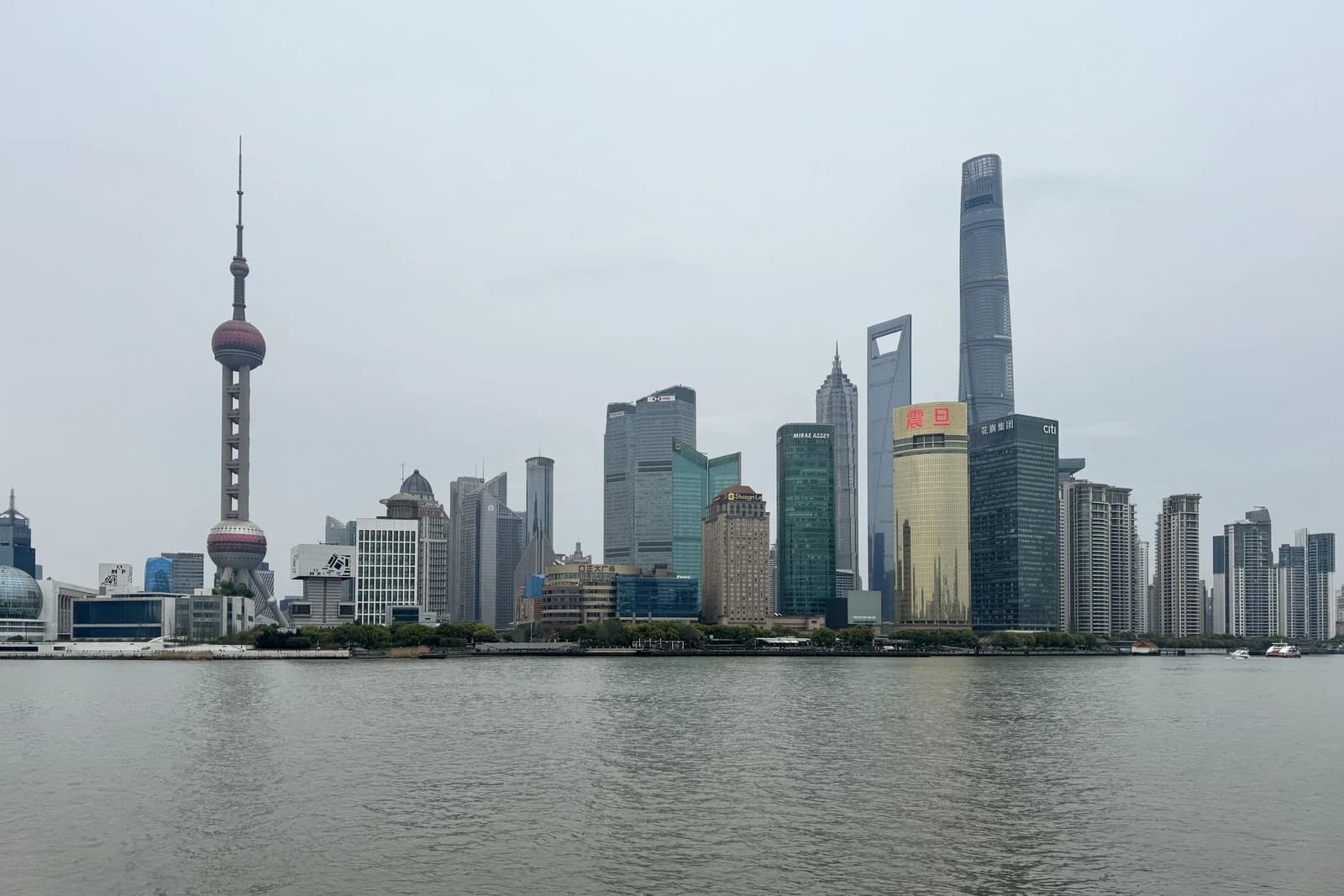
Mainland China’s stock exchanges are intensifying efforts to keep IPO candidates at home as Hong Kong continues to attract the country’s biggest fundraising deals, a push that could reshape where capital is raised and which markets capture the fees, prestige and liquidity tied to new listings.
China exchanges court IPO candidates from Hong Kong
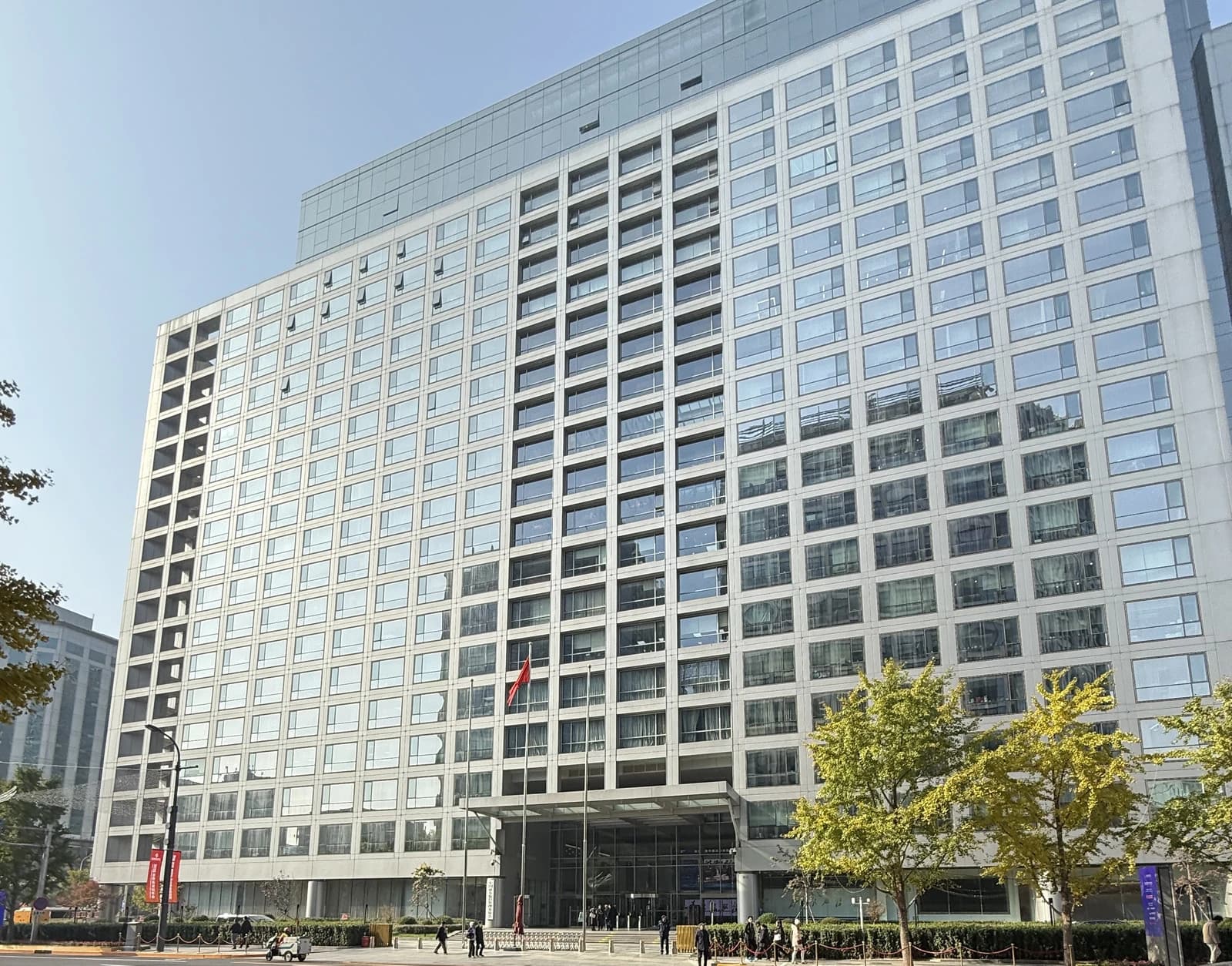
People familiar with the matter said domestic bourses have recently met mainland companies considering Hong Kong offerings, with a focus on first-time issuers and firms in sectors favored by Beijing’s industrial policy. The exchanges are stressing a familiar pitch: higher valuations onshore, a more predictable timetable and easier access to policy support than in Hong Kong.
Sentiment IndicatorsⓘProprietary · adalytica.com · September 23, 2026
This is a snapshot — live sentiment, awareness and momentum for 130+ markets update continuously in the dashboard.Open AlphaPulse
The campaign matters because listing venue has become a strategic battleground in China’s capital markets. For Beijing, steering more IPOs to Shanghai and Shenzhen would support domestic exchanges, deepen local investor participation and keep more financial activity under mainland oversight. For Hong Kong, which has benefited from a surge in mainland fundraising, the risk is a slower pipeline if more issuers are persuaded to stay home.
The lobbying appears to reflect competition not just for listings but for market rankings, according to an intermediary involved in Hong Kong IPOs. That suggests the exchanges are under pressure to defend their relevance as issuers increasingly compare venue, valuation and regulatory speed before choosing where to sell shares.
The timing also comes as investor sentiment toward China remains mixed. Adalytica’s China growth-target gauge showed neutral sentiment at 52, while awareness sat in extreme fear, underscoring how fragile the backdrop remains for new equity issuance even as policy makers try to support domestic capital formation.
For investors, the shift could matter for the mix of deal flow and the relative appeal of China-trading vehicles. A stronger mainland IPO pipeline would favor local exchanges and onshore brokers, while Hong Kong banks, underwriters and cross-border investors could see less activity if more companies are steered away from the city. China-focused ETFs have also been subdued; the iShares MSCI China ETF, FXI, was last around $34.36, below its 50-day average of $35.19, while the MSCI China ETF, MCHI, traded near $53.17 versus a 50-day average of $54.48.
Alibaba’s recent HK$80 billion share placement in Hong Kong shows the market is still capable of absorbing large offerings, but the broader tug-of-war over where Chinese companies list is likely to persist as Beijing balances capital-market development with tighter control over strategic sectors. The next test will be whether mainland exchanges can convert the lobbying push into actual listings, or whether Hong Kong’s deeper international investor base keeps winning the biggest mandates.
| Entity | Gains | Losses |
|---|---|---|
| Shanghai and Shenzhen exchanges | ▲More domestic IPOs | ▼Hong Kong competition |
| Hong Kong exchanges | ▲Strong deal flow, if retained | ▼Mainland issuers to onshore venues |
| Mainland issuers | ▲Higher valuations, policy support | ▼Less access to global capital |
| Hong Kong banks and advisers | ▲Big mandates, if listings stay | ▼Underwriting and fee pool |