Taiwan is emerging as the linchpin of the U.S. effort to stay ahead of China in artificial intelligence, with its foundries making more than 90% of the world’s most advanced semiconductors and its firms assembling about 90% of the servers that power the AI economy.
Taiwan’s Role in U.S. AI Chip Supply Chain
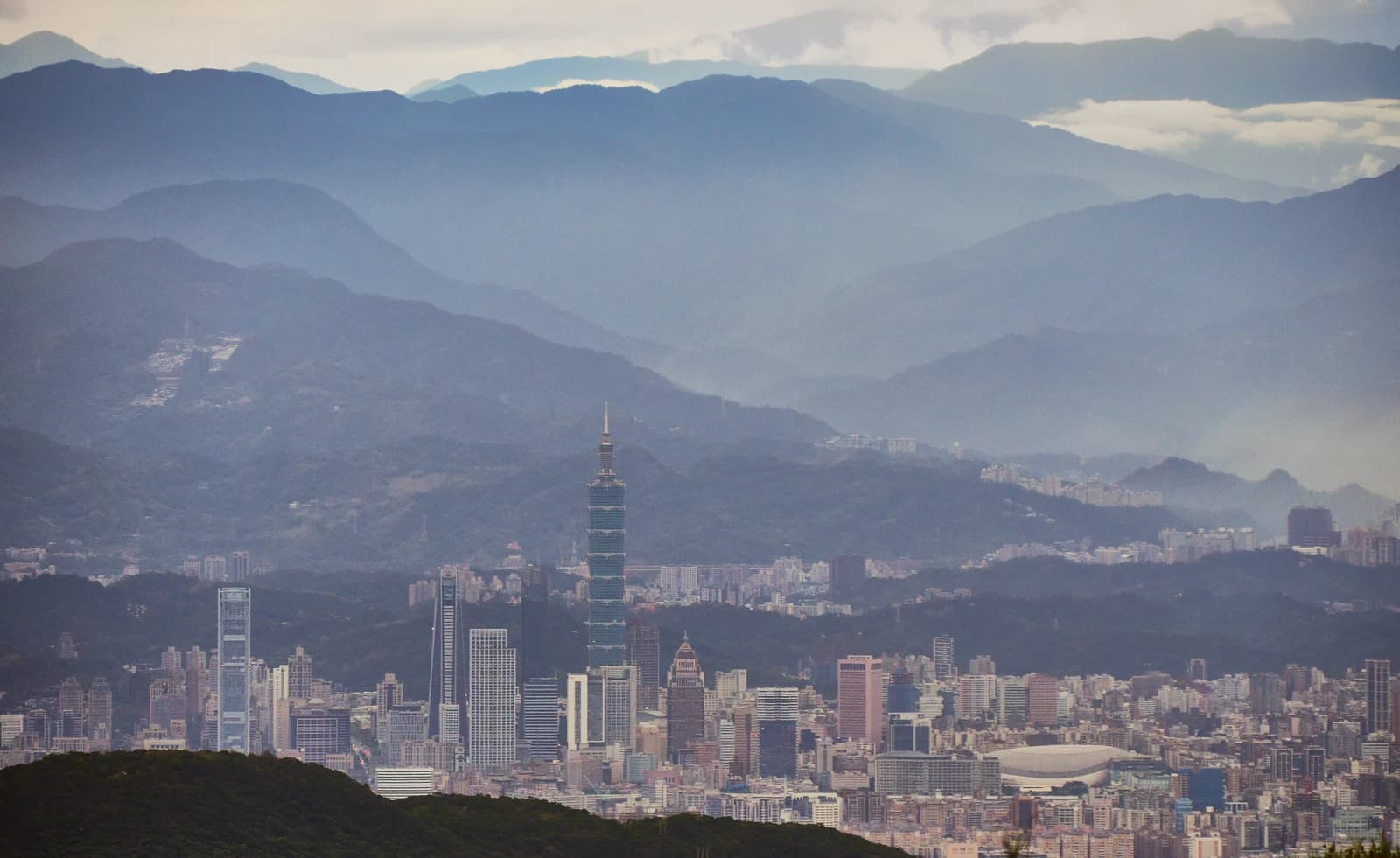
That makes the island far more than a commercial partner. For investors, the U.S.-Taiwan technology corridor now sits at the center of AI infrastructure, semiconductors and supply-chain security, linking Nvidia, Apple, Qualcomm and the broader cloud buildout to Taiwan’s manufacturing base.
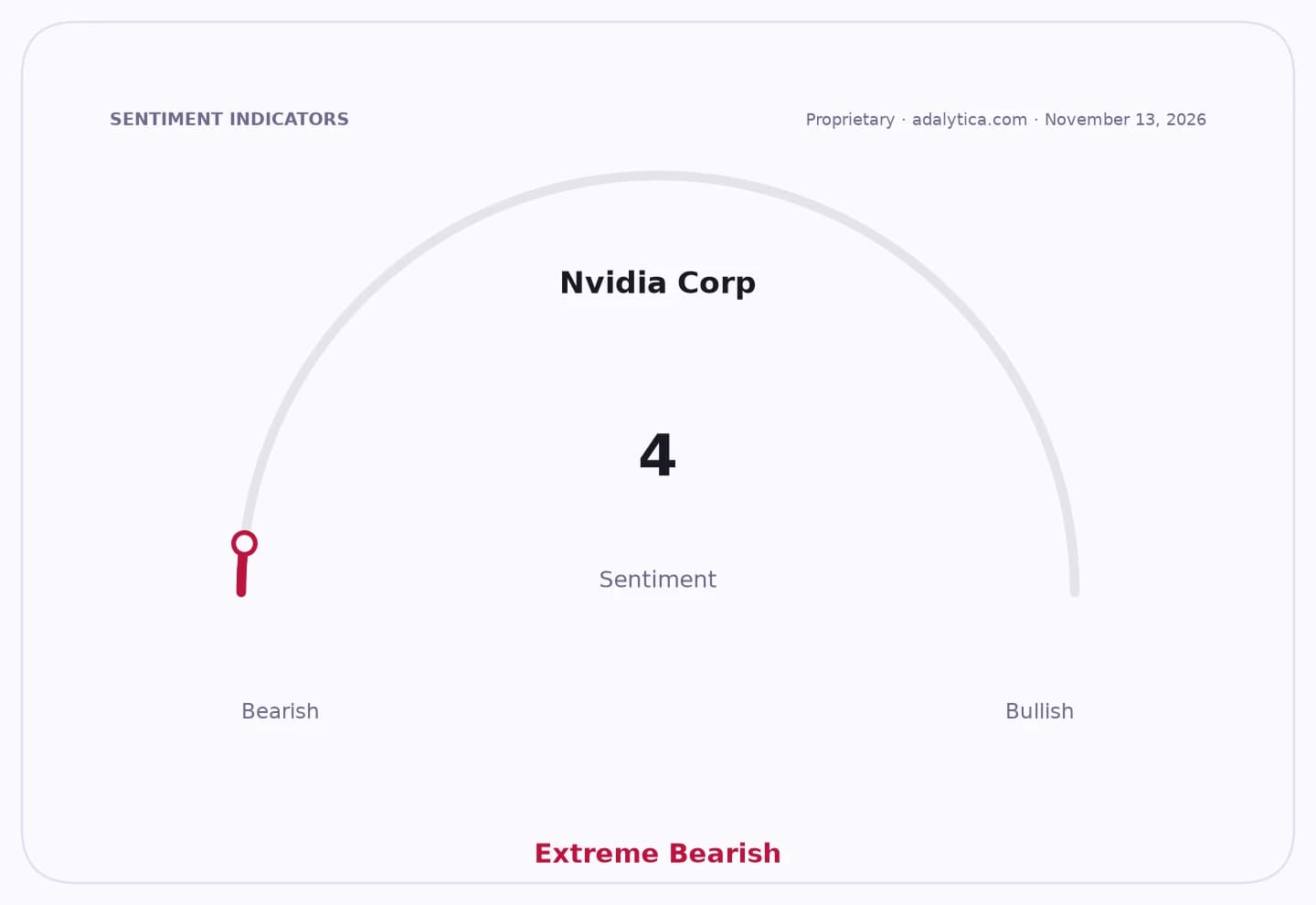
Sentiment Indicators
TSMC
The economic stakes are rising because AI competition is no longer just about software models. It now spans power, chips, packaging, server assembly and deployment, giving Taiwan a structural role in how quickly the U.S. can scale AI capacity and how resilient that supply chain remains if tensions with China intensify.
TSMC, the world’s dominant contract chipmaker, has pledged $265 billion of investment in Arizona fabs, while more than 20 other Taiwanese companies have committed billions more to U.S. semiconductor projects. That investment supports Washington’s push to rebuild domestic chip capacity, but it also underscores how dependent the U.S. remains on Taiwan’s know-how, supplier network and advanced packaging expertise.
US-China Relations
For the market, that creates both support and concentration risk. U.S. chip designers may gain a more secure production base, but they are still exposed to any disruption in Taiwan’s manufacturing ecosystem, which remains difficult to replicate even as Washington accelerates industrial policy and allies deepen coordination.
The story is increasingly geopolitical as well as industrial. Adalytica’s US-China Relations Sentiment gauge is at 4, labeled “Extreme Fear,” reflecting how sharply investors and policymakers are pricing escalation risk around trade, technology controls and Taiwan security.
The strategic logic is that neither the U.S. nor Taiwan can win the AI race alone. The U.S. leads in design, research and model development; Taiwan dominates fabrication and assembly; Japan supplies precision tools and materials; and the Netherlands provides the lithography equipment needed for the most advanced chips.
That interdependence is why Taipei is pushing a broader democratic supply-chain initiative and why the bilateral Economic Prosperity Partnership Dialogue has broadened beyond trade into AI security, infrastructure, critical minerals, drones and advanced talent. For investors, the next catalysts are further U.S. reshoring commitments, Taiwan’s response to supply-chain resilience demands and any new export-control moves affecting China.
| Entity | Gains | Losses |
|---|---|---|
| TSMC and Taiwanese suppliers | ▲Arizona expansion, deeper U.S. ties | ▼Higher geopolitical exposure |
| Nvidia, Apple, Qualcomm | ▲More secure chip supply | ▼Continued Taiwan concentration risk |
| U.S. government | ▲Stronger domestic AI industrial base | ▼Slower path to full self-sufficiency |
| China | ▲— | ▼Less access to advanced AI supply chains |