Taiwan is emerging as one of the clearest long-term winners from the artificial intelligence buildout, and that matters because AI will not be funded by chips alone — it will be financed by the capital markets that can move money fastest.
Taiwan Gains AI Exposure as TSMC Leads Market
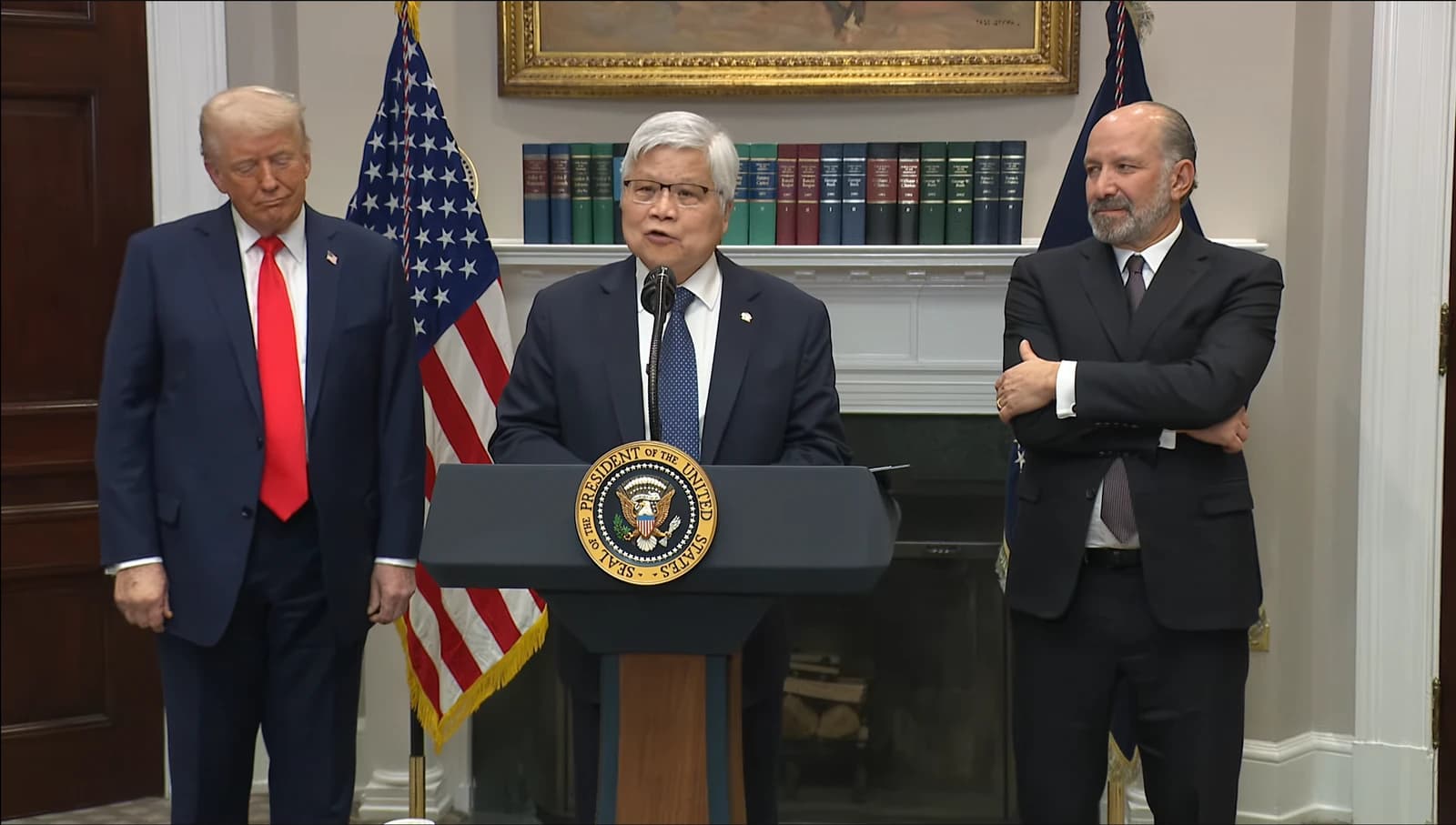
That was the message from Nasdaq Executive Vice Chairman Edward Knight in Taipei on Tuesday, where he said Taiwan had the region’s highest AI exposure at 71% and had climbed to the world’s fourth-largest equity market by capitalization, overtaking the UK and India. For investors, the takeaway is simple: the AI economy is no longer just a Silicon Valley story. It is becoming a Taiwan story too, with the island’s chipmakers, suppliers and market infrastructure sitting at the center of the next decade’s growth.
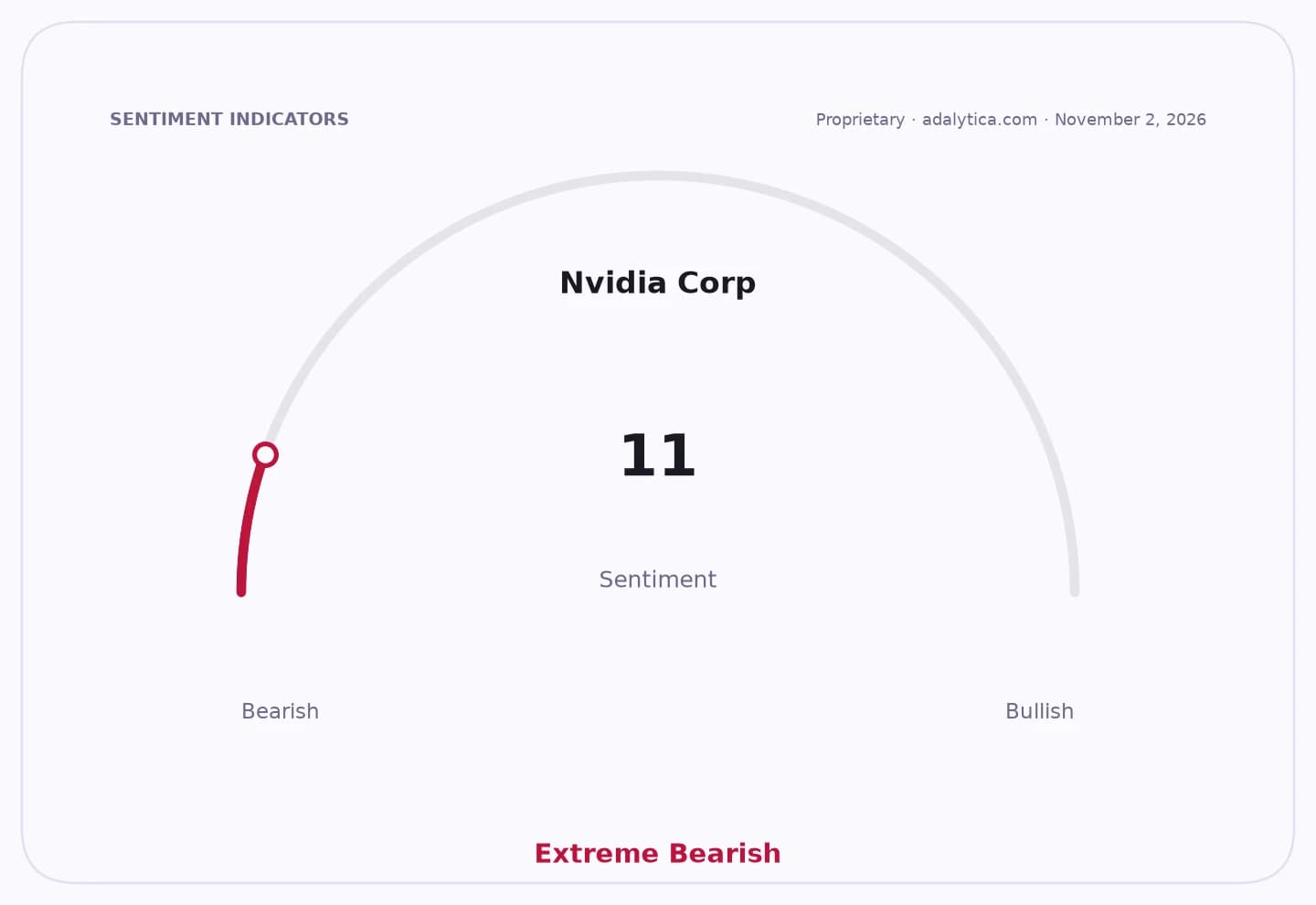
Sentiment Indicators
The economic significance is hard to miss. Taiwan’s role in AI is anchored by the global supply chain, especially Taiwan Semiconductor Manufacturing Co., whose advanced chips remain essential to Nvidia’s AI accelerators and the broader data-center buildout. When a market like Taiwan attracts more capital, it lowers funding costs for the companies building fabs, hiring workers and expanding capacity. That reinforces a virtuous cycle: more investment supports more production, and more production supports more investment.
That dynamic is already visible in the numbers. TSMC’s shares have climbed dramatically over the past year even after recent volatility, and the stock still trades above its 200-day moving average, a sign the long-term uptrend remains intact even as momentum has cooled. Nvidia, meanwhile, remains the emblem of the AI trade, but its shares have also pulled back sharply from earlier highs, reflecting how quickly sentiment can swing even when the structural demand story is still intact. Put differently, the AI boom is real, but investors are learning that the path will be uneven.
Artificial Intelligence vs TSMadalytica.com
Explore this data interactively — full history, time series and cross-market comparisons.
Knight’s comments also highlight why Taiwan matters beyond semiconductors. Efficient capital markets are becoming a competitive advantage in their own right. In a world where AI infrastructure demands huge upfront spending on chips, power, data centers and software, the countries and exchanges that can allocate capital efficiently are likely to capture a disproportionate share of the gains. Taiwan already has the manufacturing base; what Nasdaq is arguing is that it also has the financial plumbing to keep compounding that advantage.
There is a broader market story here too. Nasdaq said it is moving toward 23-hour trading, five days a week, with a Dec. 6 launch still on track, and the U.S. Securities and Exchange Commission has approved a proposal to trade tokenized securities. Those changes point to a market structure that is increasingly designed for global investors in Asia, the US and Europe to trade around the clock. For companies tied to AI — and for the investors trying to own that growth — better access and faster settlement can matter almost as much as the underlying technology.
The long-term risk is that AI enthusiasm can outrun fundamentals, especially when geopolitical tensions around Taiwan remain a constant overhang. But over a three- to 10-year horizon, the investment case is compelling: Taiwan offers direct exposure to one of the world’s most important secular growth trends, and its capital market depth is becoming part of the story rather than just a backdrop.
For investors, that makes Taiwan worth watching, whether through TSMC, broader semiconductor exposure or diversified Asia funds that benefit from the island’s AI leadership. The AI race is still being won in chips, but the winners will also be the markets that can finance the buildout. Taiwan is increasingly one of them.
| Entity | Gains | Losses |
|---|---|---|
| Taiwan / TSMC | ▲AI capital inflows | ▼Isolated incumbents elsewhere |
| Nasdaq | ▲Global trading relevance | ▼Fragmented legacy markets |
| Nvidia and AI suppliers | ▲Strong long-term demand | ▼Traders expecting a straight line up |
| UK and India markets | ▲— | ▼Relative capitalization rankings |