Singapore has flatly denied that it investigated alleged links between a Chinese executive and Nvidia chief Jensen Huang, pushing back against a Wall Street Journal report that added another layer of geopolitical risk to the AI chip leader’s already sensitive global supply chain.
Singapore denies WSJ report on Nvidia links
Nvidia Corp
That matters because Nvidia sits at the center of the AI buildout, and any suggestion that its technology, executives or business partners are being pulled into espionage claims can harden scrutiny from Washington, Taipei and Beijing at the very moment hyperscale customers are pouring money into data centers. The market does not need a direct sales hit for the story to matter: in AI, perception can shape export controls, procurement decisions and the flow of capital into the ecosystem.
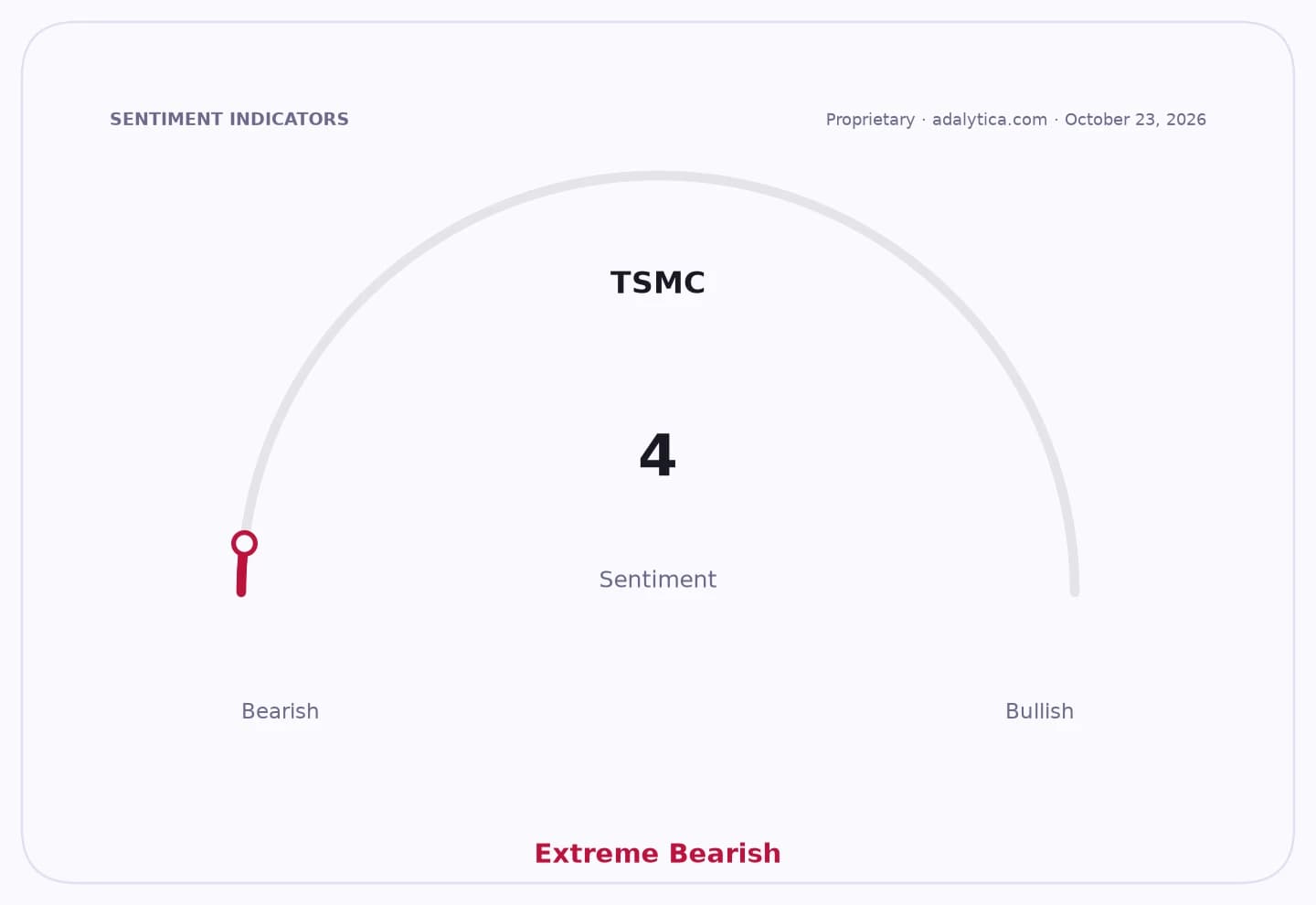
Sentiment Indicators
Singapore’s Ministry of Home Affairs said neither the government nor its officials had expressed concerns about the ties reported by the WSJ, and said there were no such investigations involving Alice Huang, who was described as being connected to Singapore-based data center firm Megaspeed International. The ministry’s denial is important because Singapore is one of Asia’s most important neutral hubs for cloud infrastructure, chip distribution and corporate routing, which makes any hint of state scrutiny especially market-sensitive.
For Nvidia investors, the bigger issue is not this specific allegation but the broader cloud of policy and security risk hanging over the company’s China exposure. Nvidia’s shares have already been volatile, with the stock recently slipping to about $202, well below its 50-day moving average near $221, while RSI readings around 27 point to deeply oversold conditions in the near term. That weakness reflects more than price action: it reflects a market that is increasingly charging a geopolitical premium for AI leaders.
The broader setup still favors the AI infrastructure trade, but the winners are shifting. The market underestimates how much capital will move toward the toll roads of the boom — chipmakers, packaging specialists, foundry capacity, networking gear and data center builders — even as headlines like this one remind investors that the route to monetizing AI will be shaped by export rules and intelligence fears as much as by compute demand.
That makes the opportunity more selective, not less compelling. I believe investors should treat pullbacks in core AI infrastructure names as a chance to own the picks-and-shovels beneficiaries of a multi-year capex cycle, while staying alert to companies whose China dependence could become the next target of policy pressure. The next catalyst will not be a rumor from Singapore, but whether regulators and customers keep expanding AI spending faster than geopolitics can slow it down.
| Entity | Gains | Losses |
|---|---|---|
| Singapore | ▲Reputation for denial | ▼None from probe claims |
| Nvidia | ▲Limited damage if denied | ▼Geopolitical overhang |
| AI infrastructure investors | ▲Better entry on pullbacks | ▼Short-term volatility |
| China-linked data center firms | ▲Scrutiny relief if unproven | ▼Suspicion and tighter checks |