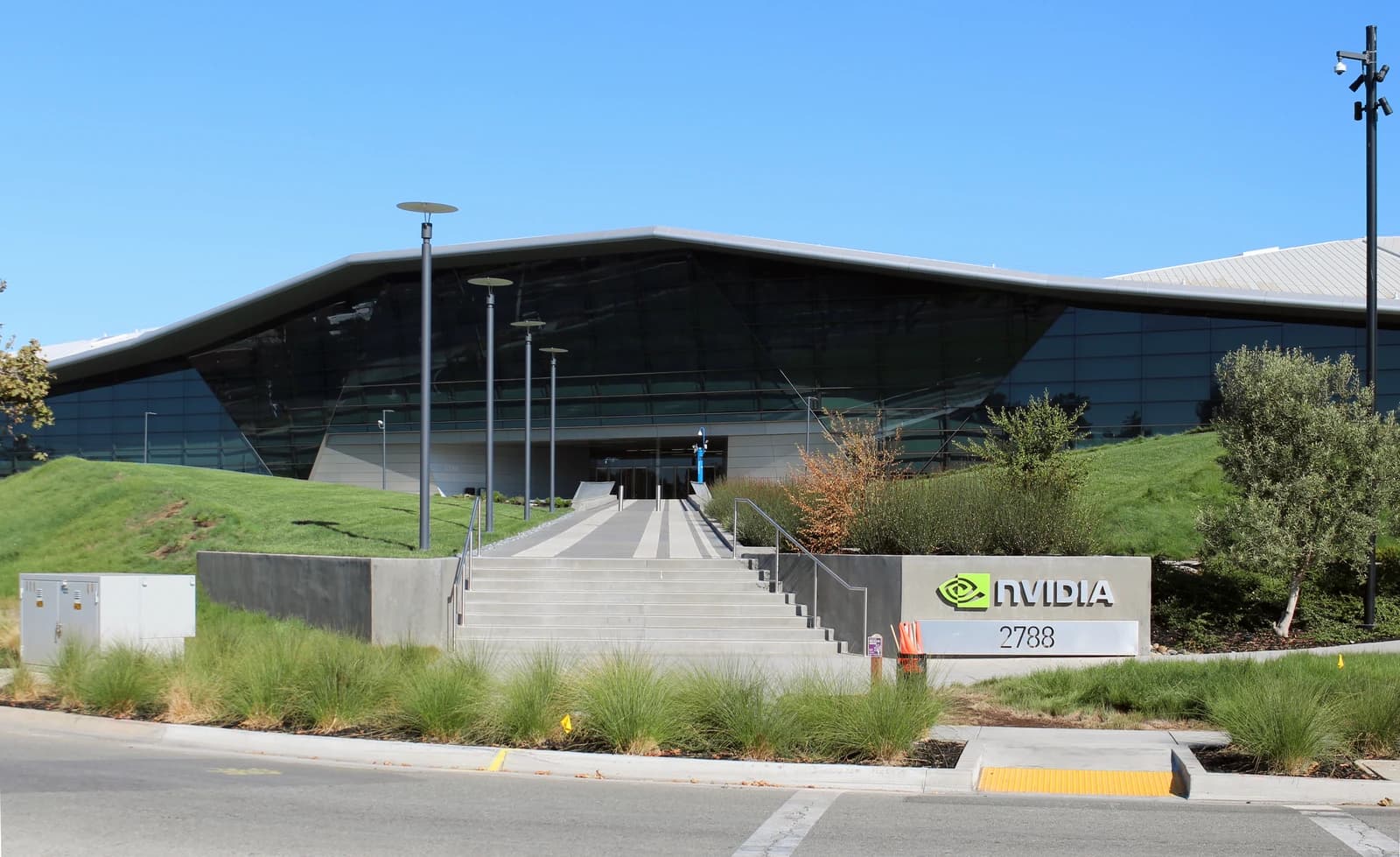
Nvidia chief executive Jensen Huang is sharpening the case for “sovereign AI” at a moment when governments, sovereign wealth funds and enterprises are increasingly wary of handing sensitive data and compute power to foreign technology platforms.
Nvidia Promotes Sovereign AI for Government Buyers

That matters because AI is no longer just a software layer; it is becoming core national infrastructure. Who controls the data, the models and the chips will influence industrial policy, cybersecurity, trade and, ultimately, who captures the economic value from the next wave of automation.
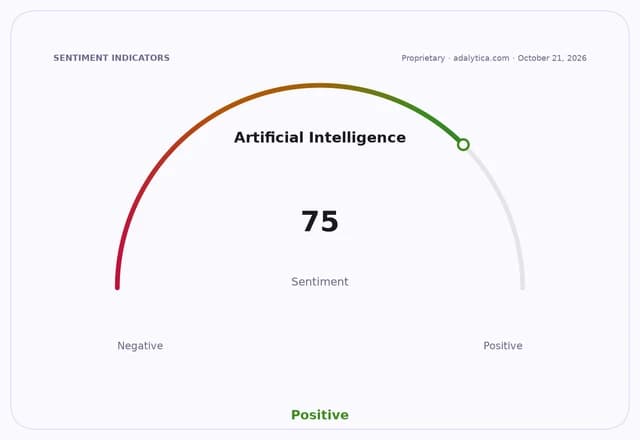
Huang told a Bloomberg Radio podcast that the real meaning of sovereignty is “control over your experience,” arguing that in AI that translates into control over data, corporate knowledge, cultural values and the ability to shape one’s own future. His framing is designed to broaden the appeal of Nvidia’s hardware and cloud ecosystem beyond commercial buyers to governments seeking to build domestic AI capacity without fully surrendering strategic control.
The pitch arrives as geopolitical scrutiny around AI supply chains intensifies. The Korea Investment Corporation, which manages 339 trillion won, has reportedly used a Chinese-made AI model for internal functions including document summarization, translation and data search, underscoring the security risks that come with relying on foreign systems for sensitive work. That kind of example strengthens the argument for sovereign AI programs in Europe, Asia and the Gulf, where policymakers want local data residency, domestic oversight and reduced exposure to export controls or espionage concerns.
For Nvidia, sovereign AI is both an opportunity and a constraint. The company has disclosed that tighter export controls on GPUs could limit its ability to sell into certain markets, while also acknowledging that restrictions are driving “sovereignty initiatives” among international buyers. In practical terms, that means more demand for localized AI infrastructure, but also more political friction around where chips can be shipped, where models can run and who is allowed to operate them.
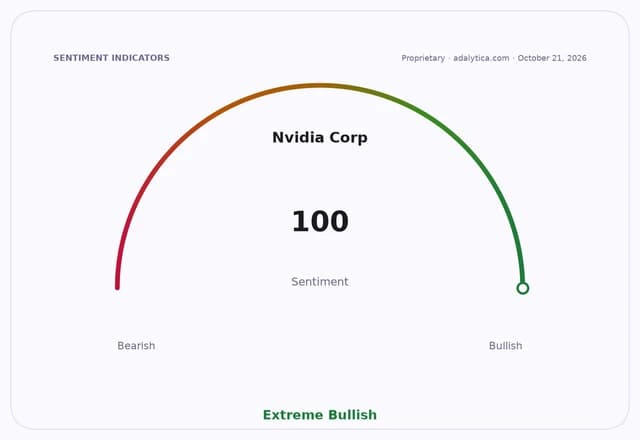
Investors should view the theme through two lenses. On the bull side, sovereign AI opens another addressable market for Nvidia, Microsoft and their cloud partners by creating demand for national AI stacks, private clouds and regional data centers. Microsoft’s stock has remained near record territory, while Nvidia’s shares have recovered from earlier technical weakness, with the chipmaker’s RSI back in a more neutral range after periods of overbought and oversold trading. On the bear side, sovereignty can mean fragmentation: more compliance costs, slower deployment, more local competition and the risk that governments push for domestic champions that dilute pricing power.
Huang also used the interview to argue against the idea that the industry should slow AI development broadly, saying the focus should be on building safety and monitoring tools faster rather than freezing progress. He said Nvidia could refuse to sell to dangerous actors only after discussion, while insisting the sector needs a “zero tolerance” approach to AI-enabled cyberattacks. That reflects a central tension in the market: companies want faster AI adoption, but governments increasingly want tighter controls on how those systems are trained, deployed and monitored.
The economic narrative is straightforward. Sovereign AI is becoming the language of national security, but it is also a commercial sales channel for the companies that supply the chips, servers and cloud architecture. The investors to watch are those tied to AI infrastructure, because the next phase of demand may come less from consumer chatbots than from governments and large institutions trying to keep critical data and computing inside their own borders.
| Entity | Gains | Losses |
|---|---|---|
| Nvidia | ▲More sovereign AI demand | ▼More export-control risk |
| Governments | ▲Greater data control | ▼Higher deployment costs |
| Microsoft | ▲Regional AI cloud growth | ▼More regulatory friction |
| Foreign AI vendors | ▲Expanded scrutiny | ▼Access to sensitive workloads |