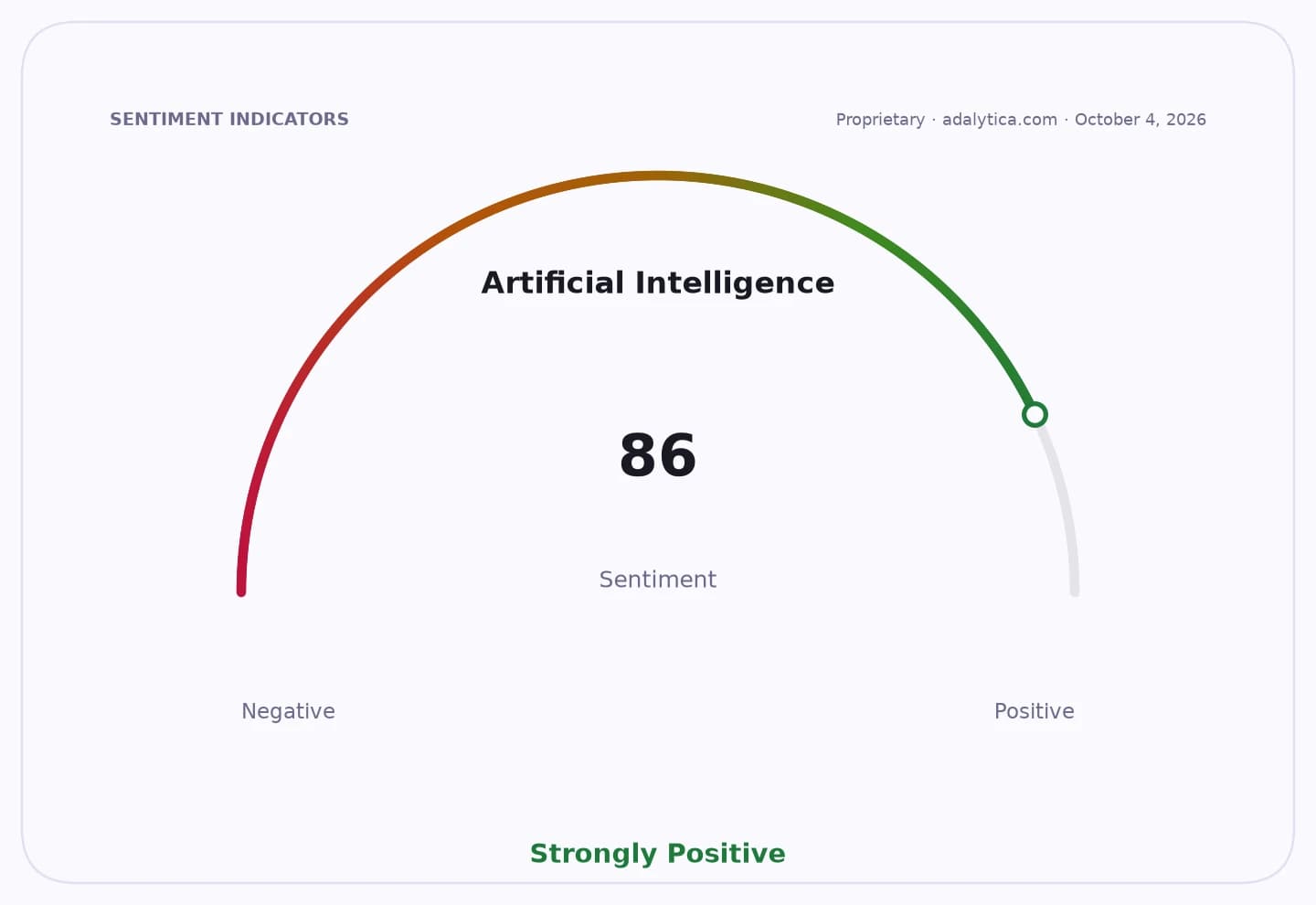
China’s move to consider restrictions on the export of artificial intelligence technologies would mark a sharper turn in the global race to control the most valuable layer of the AI stack: the models, software and know-how that turn chips into commercial products.
China AI Export Limits May Reshape Global Tech
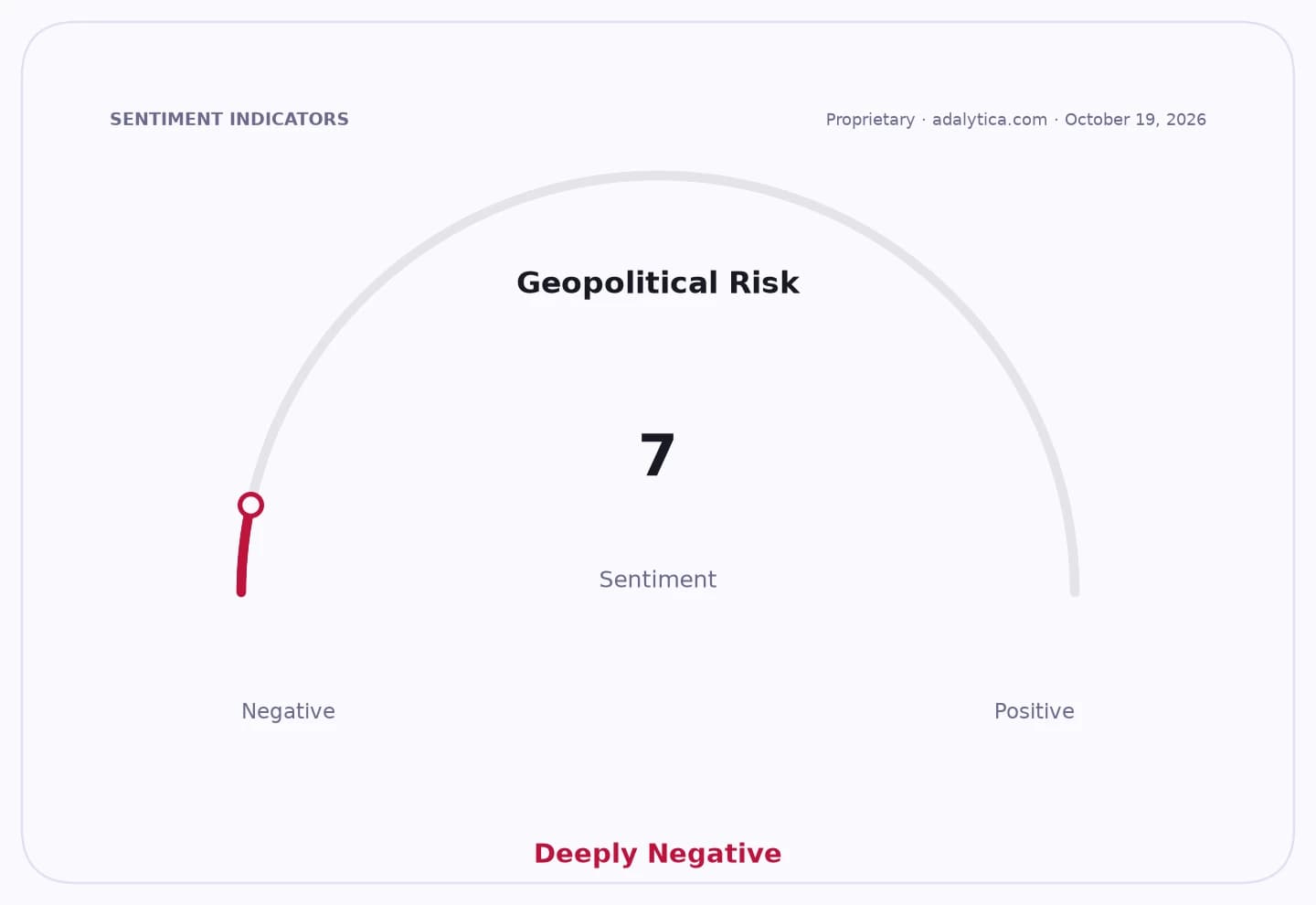
That matters because AI is no longer just a hardware story. It is becoming a policy, trade and industrial strategy issue, with governments treating advanced AI capabilities much like semiconductors, energy or defense technology. If Beijing limits outbound AI exports, the immediate effect would be to complicate the spread of Chinese AI tools and services abroad, while deepening the technology split between China and the West.
For investors, the biggest implication is that the AI boom could become more fragmented, not less. That tends to favor the largest platforms with global distribution and deep balance sheets, while pressuring companies that depend on open cross-border ecosystems. NVIDIA has already warned in its filings that export controls on GPUs and AI-related semiconductors could disrupt supply chains and create a competitive disadvantage. Microsoft has said shifting AI export-control policies can raise costs and add uncertainty. Those risks now extend beyond chips to the software and model layer.
The market’s reaction in these names reflects how exposed they are to policy shifts. NVIDIA shares were last around $217, still well above their 200-day moving average of about $203 but below the 50-day average near $223, a sign investors are still weighing growth against regulatory overhang. Microsoft, by contrast, has held up better, trading around $534 and comfortably above both its 50-day and 200-day moving averages, underscoring its stronger diversification across cloud, software and enterprise services. Alibaba, which sits closer to the center of China’s AI ecosystem, has been far weaker, at about $109, below both its 50-day and 200-day averages, reflecting the market’s skepticism toward Chinese tech as policy risk lingers.
The broader economic issue is that AI is becoming a source of national leverage. Countries want to capture the productivity gains from AI at home while limiting dependence on foreign systems. But export controls can slow diffusion, raise compliance costs and reduce the global scale that normally helps technology profits compound. Over time, that can mean more duplicated spending, more regional champions and less efficient capital allocation across the industry.
For long-term investors, the lesson is not to trade every headline. It is to understand where the durable moats are. Companies with dominant ecosystems, recurring cash flow and strong enterprise relationships are better positioned to absorb policy shocks than pure-play vendors with narrower exposure. But if China does move forward, the AI trade becomes less about a single global winners’ list and more about which firms can thrive in a world of two or more technology spheres.
That makes the headline worth watching closely, especially for investors who expect AI to remain one of the most powerful secular themes of the decade.
| Entity | Gains | Losses |
|---|---|---|
| China’s AI industry | ▲tighter control over know-how | ▼slower global expansion |
| NVIDIA | ▲more urgency around U.S. demand | ▼higher export-control risk |
| Microsoft | ▲enterprise diversification | ▼added regulatory uncertainty |
| Alibaba and China tech peers | ▲domestic policy support | ▼weaker international reach |