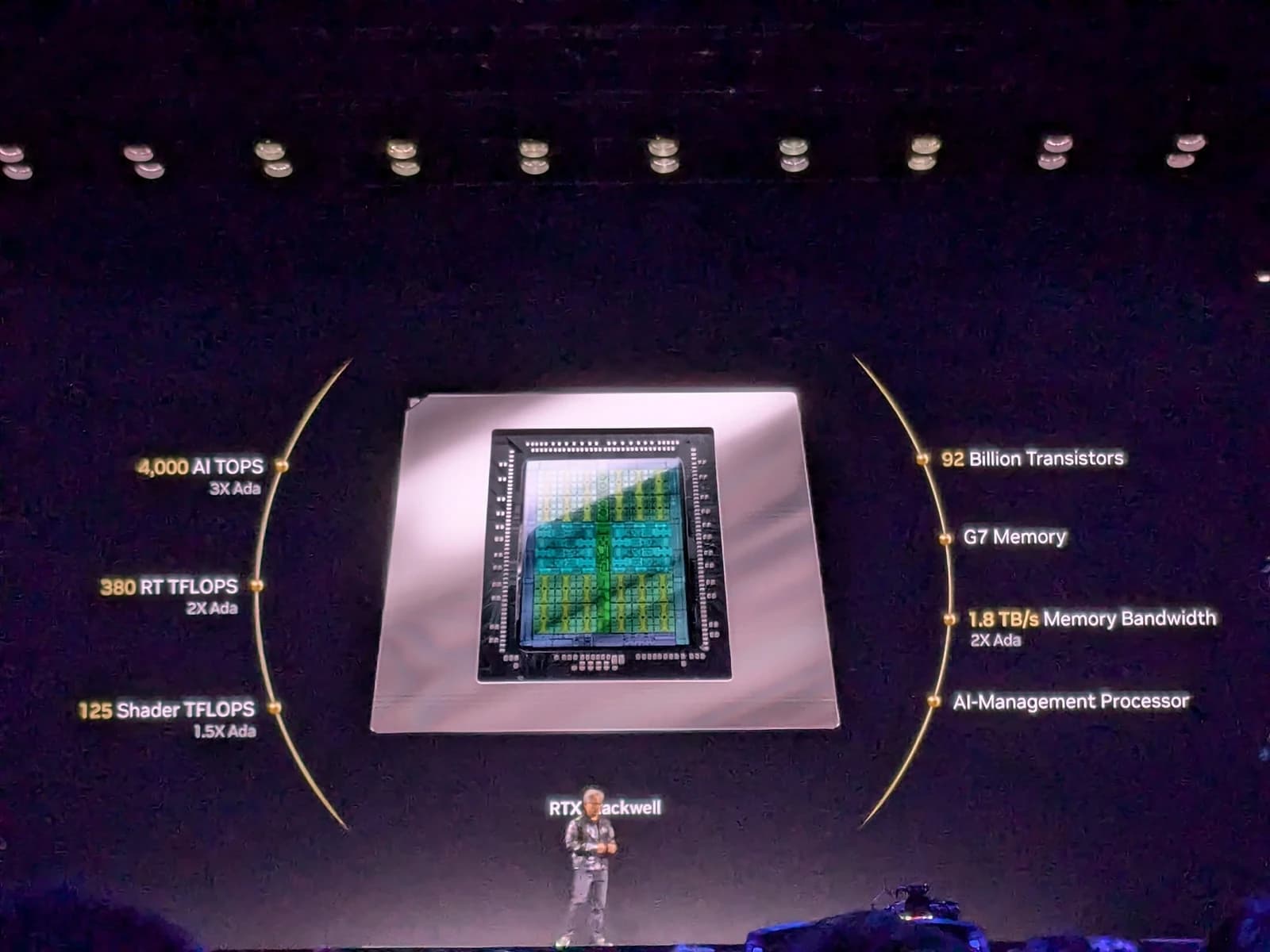
Taiwan is reportedly preparing to raise billions of dollars to build industrial parks in Texas for Nvidia’s AI supply chain, while also moving to make unauthorized shipments of advanced AI chips to China a criminal offense.
Taiwan Plans Texas AI Supply Chain Parks

The twin moves underscore how Washington and Taipei are hardening the semiconductor perimeter around the world’s most valuable AI hardware supply chain. For investors, the message is that geopolitical risk is no longer a side issue for Nvidia, Taiwan Semiconductor Manufacturing Co. and their suppliers — it is becoming part of the operating model.
Sentiment IndicatorsⓘProprietary · adalytica.com · October 18, 2026
This is a snapshot — live sentiment, awareness and momentum for 130+ markets update continuously in the dashboard.Open AlphaPulse

The Texas plan, reported by Taiwanese media, would help smaller suppliers that feed Nvidia’s AI servers and broader hardware ecosystem set up in the US, reducing reliance on Taiwan-based production at a time when demand for AI infrastructure is still outrunning capacity. That matters because the AI boom has created a concentrated chain of chokepoints: Nvidia designs the chips, TSMC makes them, and a network of specialist suppliers assembles the surrounding components needed to ship systems at scale.
Taiwan’s tighter export stance also aligns it more closely with US efforts to restrict advanced semiconductors from reaching China. Making unauthorized AI hardware exports a criminal offense would raise the penalty for diversion and smuggling, a sign that Taiwan sees enforcement as part of its strategic value to Washington.
The implications cut both ways for the market. Nvidia and other AI hardware names could benefit if more of their supply chain is localized in the US, easing bottlenecks and reducing political exposure, even if that shift takes time and capital. TSMC stands to gain from a deeper US manufacturing footprint, but it also faces the cost of duplicating part of an ecosystem that was built to cluster in Taiwan.
The move comes as AI chip stocks have come under renewed pressure amid questions about competition and the durability of the current spending cycle. Nvidia shares closed at $214.13 on Oct. 16, below their 50-day moving average of $222.96, while TSMC ended at $412.61, also under its 50-day line of $433.75, reflecting some caution even as demand remains strong.
The broader backdrop remains tense. Adalytica’s US-China Relations Sentiment gauge shows greed at 79 but awareness at just 7, a combination that suggests markets are alert to the geopolitical stakes even if day-to-day attention remains low. For AI investors, the next test is whether this supply-chain reordering translates into faster capacity expansion without triggering more export-control friction with China.
| Entity | Gains | Losses |
|---|---|---|
| Nvidia | ▲More US supply-chain capacity | ▼Higher geopolitical complexity |
| TSMC | ▲Deeper US manufacturing role | ▼Duplication costs |
| Taiwan government | ▲Stronger US alignment | ▼More enforcement burden |
| China buyers/importers | ▲None | ▼Tighter access to advanced AI chips |