China has opened a formal inquiry into whether U.S. semiconductor subsidies are hurting domestic makers of mature-node chips, escalating a dispute that could widen beyond advanced AI processors and into the broader electronics supply chain.
China opens probe into U.S. chip subsidies

The move matters because mature-node chips are the workhorses of modern manufacturing, used in appliances, communications equipment and industrial systems. They are less glamorous than leading-edge AI accelerators, but they are far more widely deployed, and any retaliation that disrupts their trade flow would ripple through prices, sourcing and margins across consumer electronics, auto and industrial supply chains.
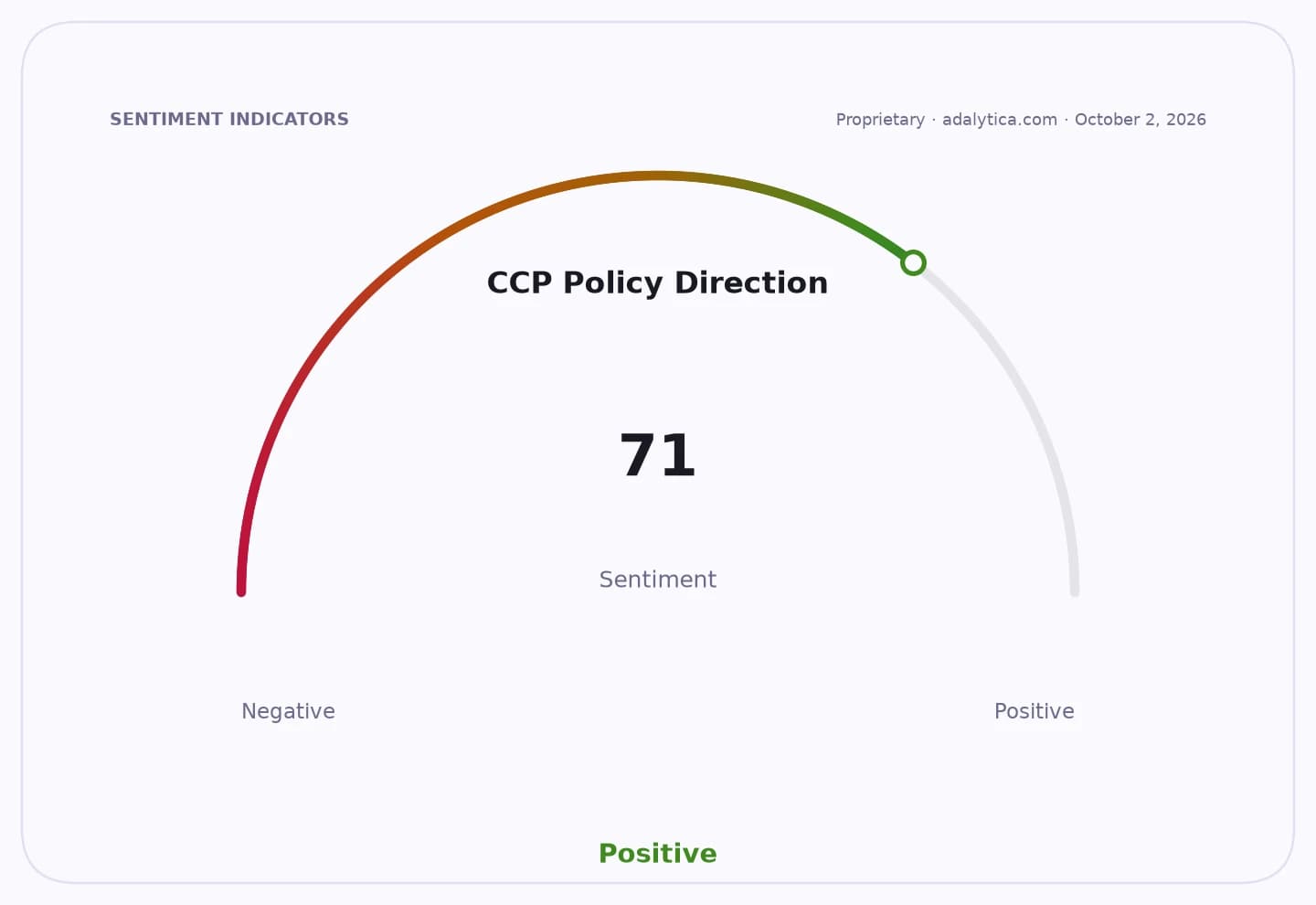
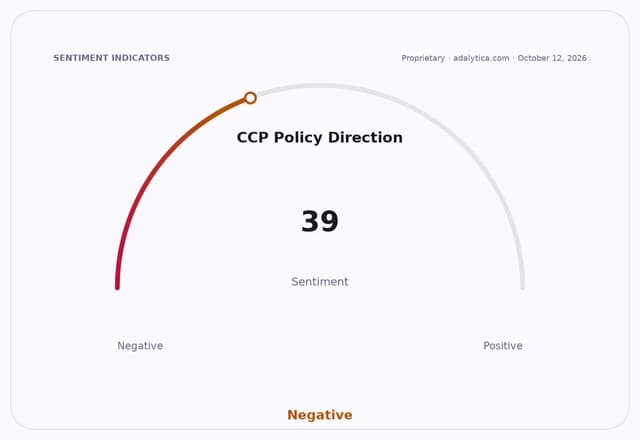
Sentiment IndicatorsⓘProprietary · adalytica.com · October 12, 2026
This is a snapshot — live sentiment, awareness and momentum for 130+ markets update continuously in the dashboard.Open AlphaPulse

Beijing’s commerce ministry said U.S. subsidies have given American chipmakers an “unfair competitive advantage” and allowed them to export mature-node products to China at low prices, undermining China’s domestic industry. The China Semiconductor Industry Association quickly backed the probe, calling Washington’s $52.7 billion CHIPS and Science Act a violation of market rules. That language mirrors U.S. complaints about Chinese state support, underscoring how both sides are now using the same industrial-policy playbook to justify increasingly protectionist measures.
The inquiry also extends a cycle of retaliation that has already reshaped the sector. Washington has tightened export controls on advanced AI chips, raised tariffs on Chinese chip imports and opened its own probe into China’s mature-node industry. Beijing has responded with restrictions on rare-earth exports and an antitrust investigation into Nvidia. The latest step suggests neither side is prepared to de-escalate, even though the fallout is becoming more expensive for global manufacturers that sit in the middle.
US-China Relations — 30-day sentimentadalytica.com
Explore this data interactively — full history, time series and cross-market comparisons.Open AlphaPulse
For investors, the immediate concern is not just headlines but the potential for broader supply-chain fragmentation. Intel, which supplies mature-node processors into China, could be caught up in any retaliatory measures, while U.S. peers with exposure to legacy-chip demand may face pricing pressure or slower access to the world’s largest electronics market. At the same time, Chinese champions could benefit if the probe leads to procurement shifts or policy support at home, though Beijing’s own industry still trails the U.S. in technology and scale.
The market has already priced in a structural geopolitical risk premium for semiconductors, and the latest move reinforces that theme. Shares in U.S.-listed chip funds and leading suppliers are likely to remain sensitive to the pace of further export curbs, tariff action and any company-specific penalties. The broader message for investors is that semiconductors are no longer just a cyclical hardware trade; they are a policy battleground where subsidy rules, export controls and national security concerns can move earnings, valuations and capital spending plans.
The key question now is whether the probe stays symbolic or becomes the basis for targeted action against U.S. firms. If it does, the dispute could widen the gap between companies with diversified manufacturing footprints and those most exposed to China demand. If not, it will still deepen the sense that the chip industry is being reorganized along geopolitical lines, with trade policy increasingly dictating where capacity is built, who can sell, and at what price.
| Entity | Gains | Losses |
|---|---|---|
| Chinese mature-node chipmakers | ▲Potential policy support | ▼U.S. competition pressure |
| U.S. chipmakers with China sales | ▲Short-term export access | ▼Retaliation risk |
| Intel | ▲None immediate | ▼Possible probe exposure |
| Chinese industrial buyers | ▲Possible cheaper local supply | ▼Higher supply-chain uncertainty |