China’s semiconductor companies are entering a stronger earnings phase, with booming AI-related orders, rising exports and a recovering global chip cycle pointing to a broad-based rebound that matters for the world’s second-largest economy far more than a single-quarter uptick in holiday travel.
China chipmakers see orders, exports rise
The clearest signal is in chips. Industry data cited by Chinese media suggest the combined 2026 revenue of 146 A-share listed semiconductor companies could reach 1.24 trillion yuan, more than 70% above a comparable base, while order books at key suppliers are swelling. ACM Research’s outstanding orders jumped 88.2% from a year earlier to 17.073 billion yuan as of Sept. 29, and chip designer VeriSilicon said AI-related orders accounted for more than 90% of new business signed between April 30 and July 16.
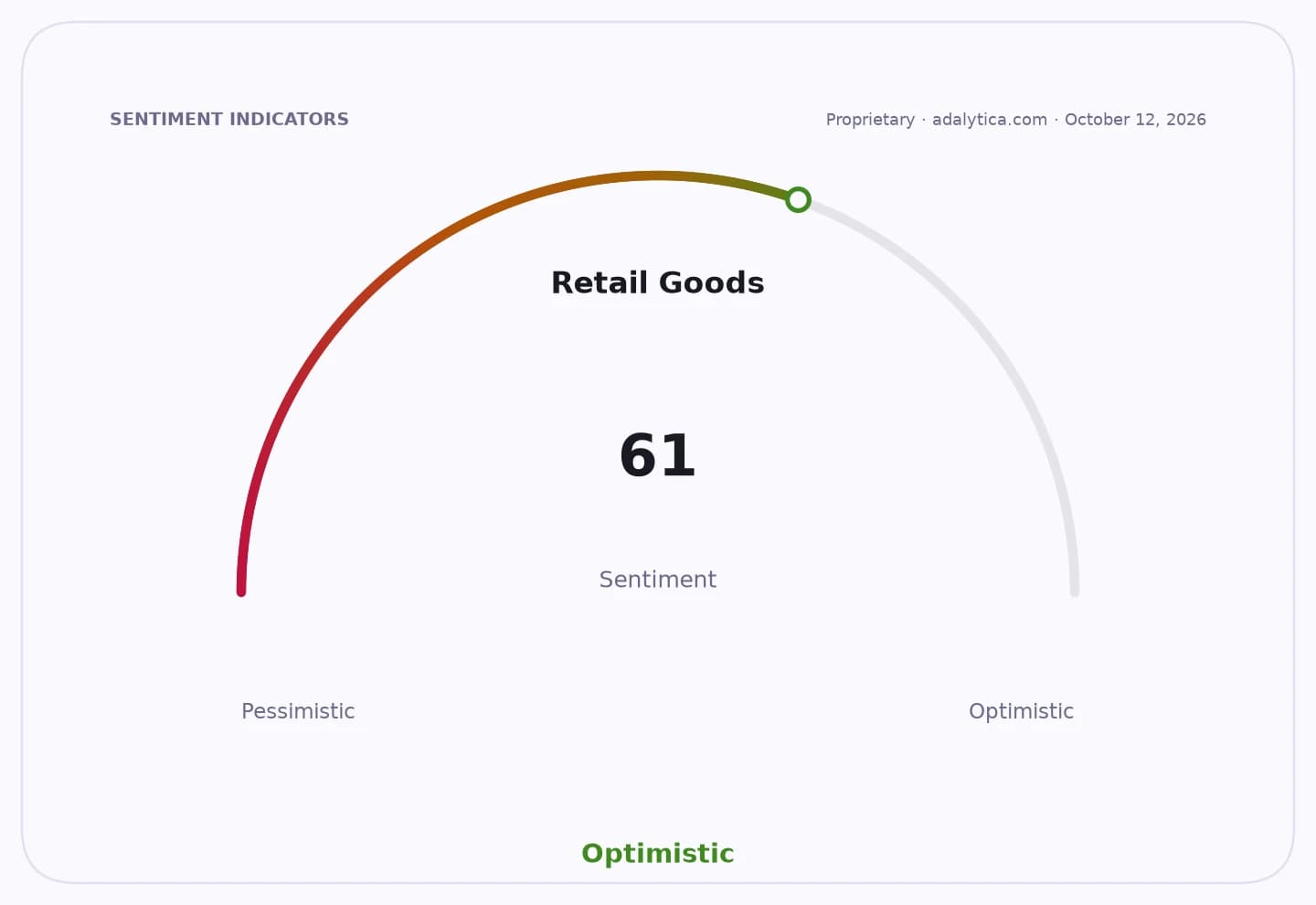
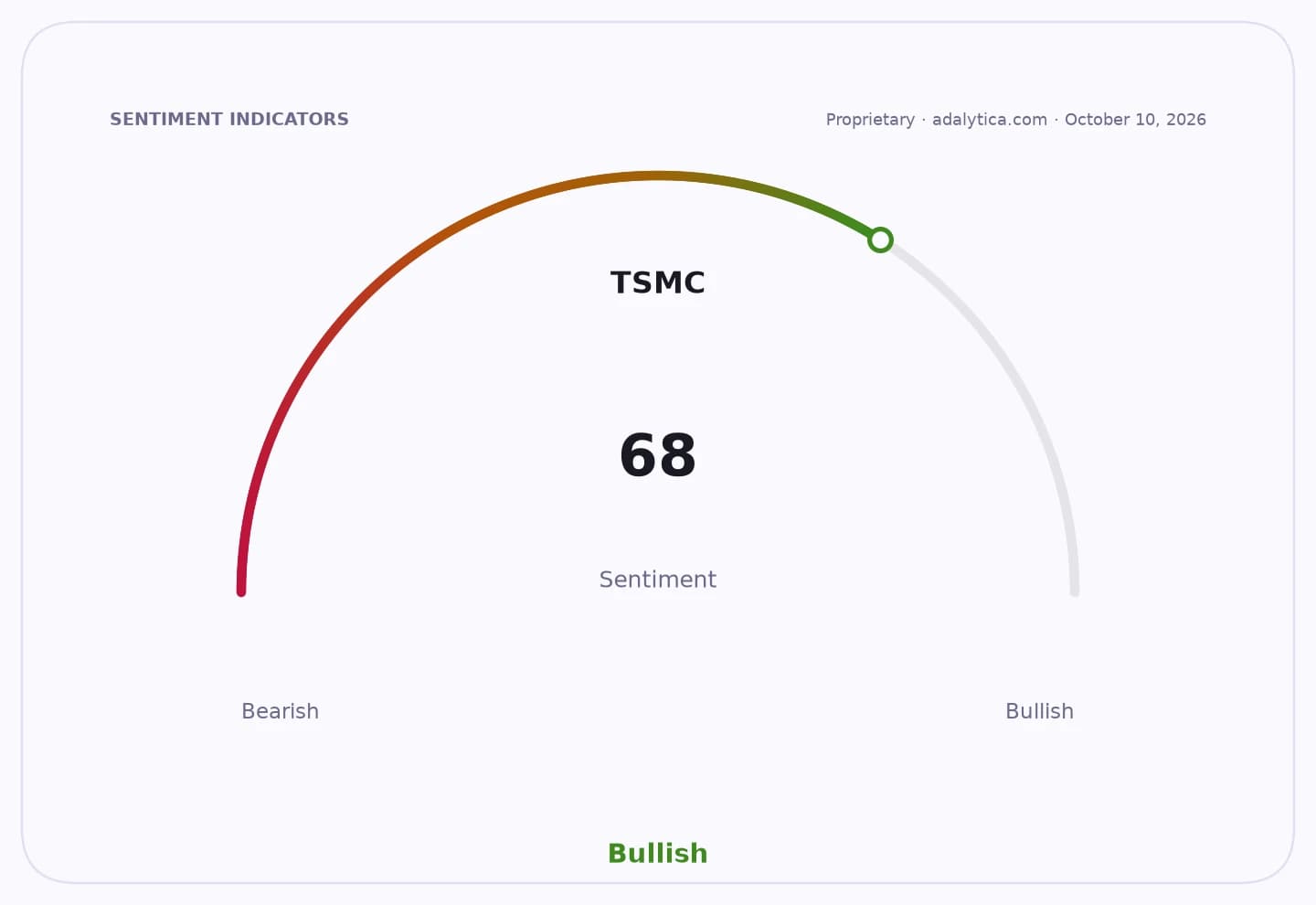
Sentiment IndicatorsⓘProprietary · adalytica.com · October 12, 2026
This is a snapshot — live sentiment, awareness and momentum for 130+ markets update continuously in the dashboard.Open AlphaPulse
That matters economically because semiconductors have become a high-multiplier sector for China’s push to reduce dependence on imported technology while building domestic capacity around AI, servers, robotics and smart vehicles. The industry is benefiting from several reinforcing forces at once: local substitution, stronger global demand and higher memory-chip prices. WSTS now sees worldwide semiconductor sales at $1.51 trillion this year, with memory sales projected to surge about 250%, a price cycle that can lift revenue and margins for chipmakers and for suppliers sitting on earlier inventory.
For investors, the story is not just that China’s chipmakers are growing faster; it is that the growth looks increasingly self-reinforcing. More domestic wafer fabs are buying Chinese equipment in bulk rather than testing it in small batches, helping localization in mature-process manufacturing rise from about 35% in 2024 to 55% in 2025, according to Shanghai Securities News. That creates a feedback loop in which customer validation improves product quality and, in turn, encourages further orders. ChangXin Memory Technologies’ claim that its fifth-generation DRAM has entered mass production and improved dies per wafer by at least 50% underscores the sector’s effort to move up the stack and capture more value.
The holiday spending data point in the seed headline tells a more cautious story on the domestic consumer side. Tourism spending during the National Day break rose 4.3%, a sign of resilience but not a broad consumption boom. In a market where China is still trying to stabilize household demand, modest holiday gains matter less than the industrial surge in chips, which feeds capital spending, exports and technology upgrading. China’s integrated-circuit exports hit $256.75 billion in the first eight months of 2026, up 103.9% year-on-year, with average export unit value rising 95.8%, indicating both volume growth and stronger pricing power.
The upside case for semiconductor investors is that AI investment and localization keep driving orders higher while the global cycle stays firm. The risk is that part of the earnings uplift comes from memory pricing and inventory effects, which can fade quickly if supply normalizes or demand softens. For tourism and consumer-facing stocks, the 4.3% rise suggests stable but not explosive spending, leaving the sector dependent on policy support and a fuller recovery in confidence.
| Entity | Gains | Losses |
|---|---|---|
| Chinese chipmakers | ▲AI orders, pricing power | ▼Cycle reversal risk |
| Domestic equipment suppliers | ▲Localization demand | ▼Slow adoption setbacks |
| Consumer/tourism firms | ▲Holiday spending lift | ▼Weak broader消费 recovery |
| Import-dependent chip vendors | ▲— | ▼Domestic substitution pressure |