A Qualcomm deal with Huawei is landing at the same time Washington is tightening its grip on China’s technology supply chain, underscoring how valuable — and how fragile — the remaining business channels between U.S. chipmakers and Chinese handset giants have become.
Qualcomm China Exposure Rises on Huawei Deal

That matters because Qualcomm’s China exposure is still a central swing factor for the stock and for the wider smartphone semiconductor trade. The company has already told investors in SEC filings that it does not expect further product revenue from Huawei after the U.S. Commerce Department revoked a key export license in May 2024, making any renewed commercial opening with the Chinese handset maker a meaningful development for revenue visibility, even if the legal and political backdrop remains hostile.
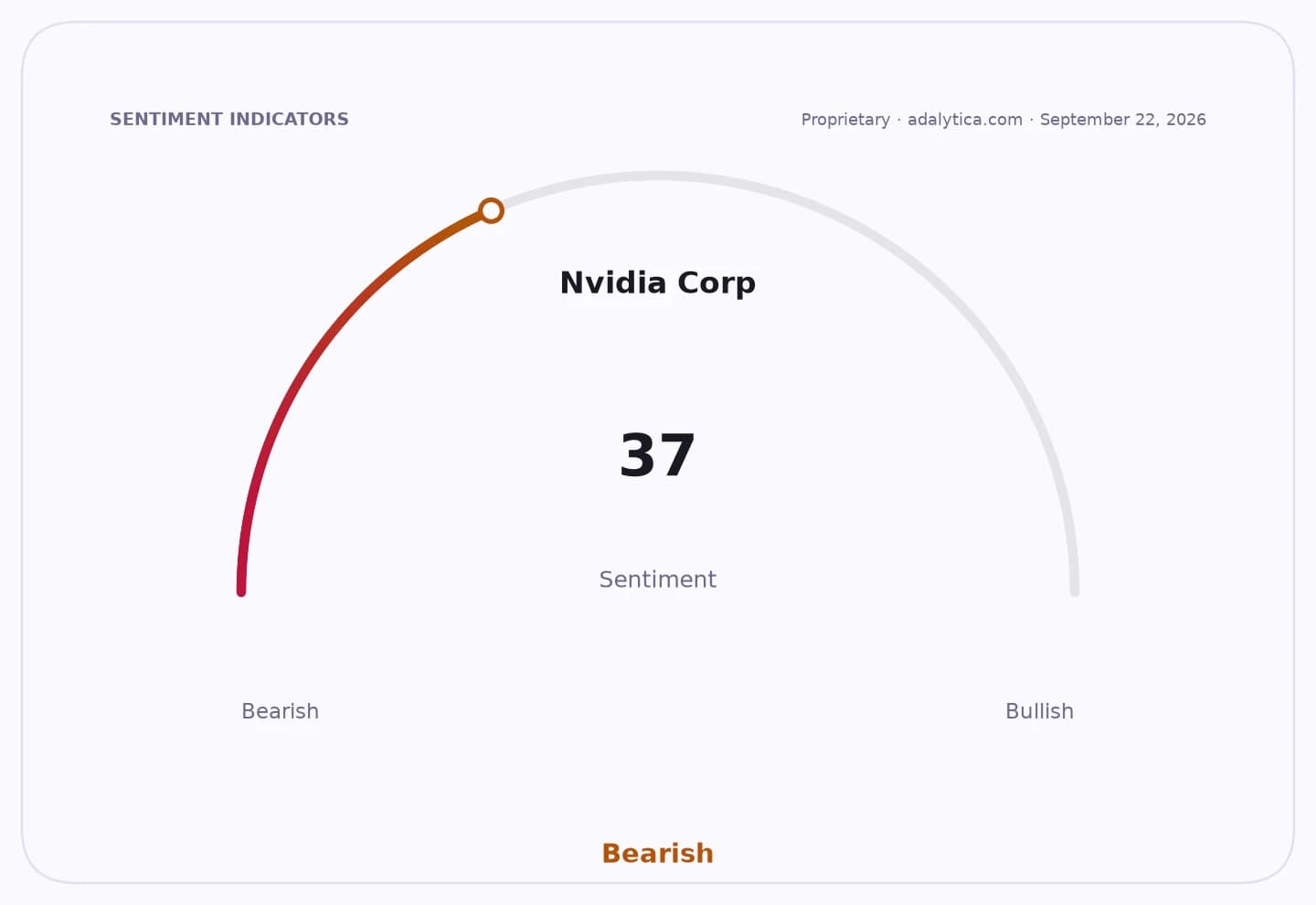
Sentiment IndicatorsⓘProprietary · adalytica.com · October 12, 2026
This is a snapshot — live sentiment, awareness and momentum for 130+ markets update continuously in the dashboard.Open AlphaPulse

The timing is what makes this more than a one-off corporate headline. Beijing is hardening rules around technology protection and cross-strait travel, while Washington is moving in the opposite direction with tighter tech restrictions. That combination raises the cost of doing business in China for U.S. chip suppliers, but it also increases the strategic value of firms that can still navigate the market. Qualcomm sits at the center of that tension: it is exposed to U.S.-China trade friction, yet it remains one of the few Western semiconductor companies with scale in mobile connectivity, handset chips and licensing.
Investors should read this as a barometer for the next phase of the semiconductor war. If U.S. restrictions keep narrowing the market while Chinese customers keep looking for alternatives, the winners will not be the broad market names — they will be the infrastructure and platform suppliers with the strongest intellectual property, diversified end markets and enough geopolitical flexibility to keep selling. Qualcomm’s business mix, with its licensing arm and its push into automotive and IoT, gives it more resilience than a pure handset supplier, but China remains a crucial volume market and a key source of optionality.
The market backdrop already shows how sensitive investors are to any shift in that balance. Qualcomm shares have been volatile even as the stock has held above both its 50-day and 200-day moving averages, while the recent move in the broader semiconductor complex suggests traders are still pricing in a powerful AI and infrastructure cycle alongside export-control risk. Nvidia, meanwhile, remains exposed to the same policy crosscurrents through China restrictions, even as demand elsewhere stays strong. In other words, the market is not just trading chips — it is trading access.
Adalytica’s US-China relations snapshot still reads as extreme fear on awareness, which fits the regime-change feel of the policy landscape even though the headline sentiment is neutral. China policy direction sentiment is also subdued, reinforcing the idea that investors are underestimating how much regulatory friction can reshape revenue pools, sourcing decisions and partner relationships across the hardware stack.
Our thesis is simple: the real opportunity is not in trying to predict every tariff, license revocation or bilateral statement. It is in owning the companies that become indispensable when those barriers rise. Qualcomm is one of them. If the Huawei relationship is indeed reopening in any meaningful way, that improves the earnings math at the margin; if it does not, the broader takeaway is still bullish for the handful of chip firms with the scale, IP and ecosystem leverage to survive a more fragmented world.
For investors, the actionable takeaway is to favor the toll roads of the semiconductor wars — the names that monetize connectivity, standards, and essential design wins — while staying selective on pure China-exposed hardware plays. Qualcomm remains one of the best ways to express that thesis.
| Entity | Gains | Losses |
|---|---|---|
| Qualcomm | ▲China revenue optionality | ▼Policy uncertainty |
| Huawei | ▲Chip access | ▼U.S. pressure |
| U.S. chip rivals | ▲Smaller China risk if overexposed | ▼Lost China upside |
| Semiconductor investors | ▲Selective winners in fragmentation | ▼Broad China exposure |