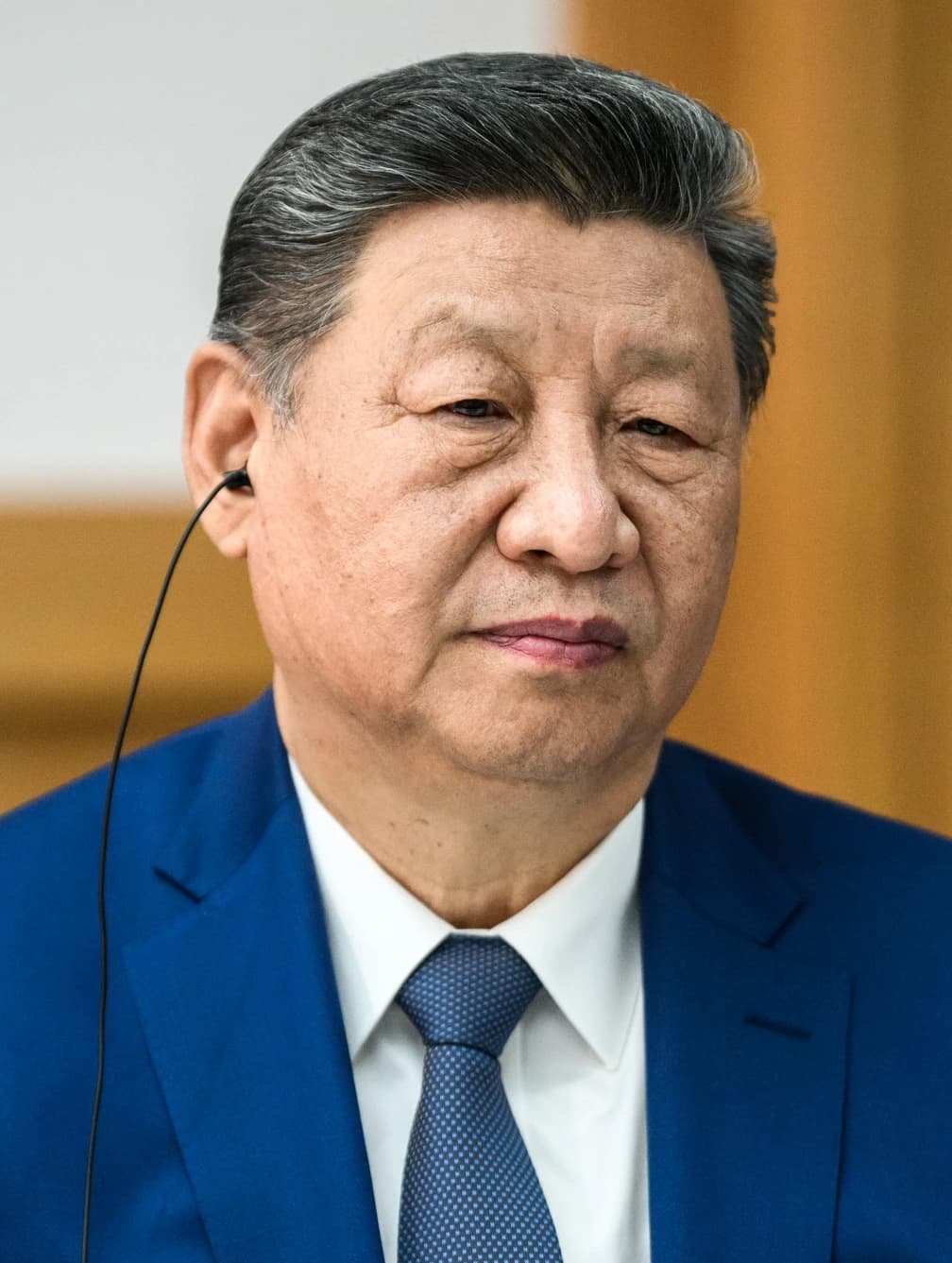
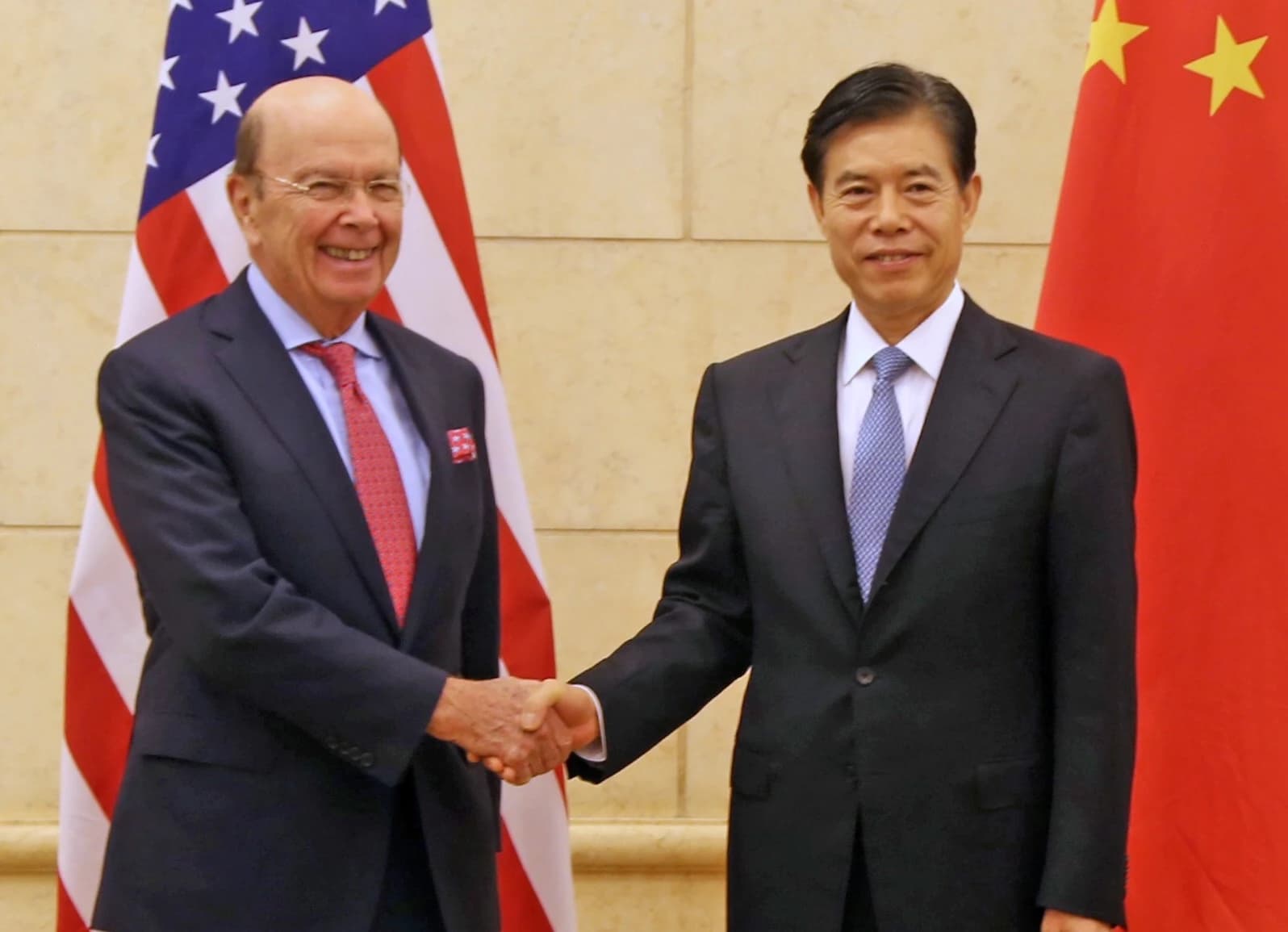
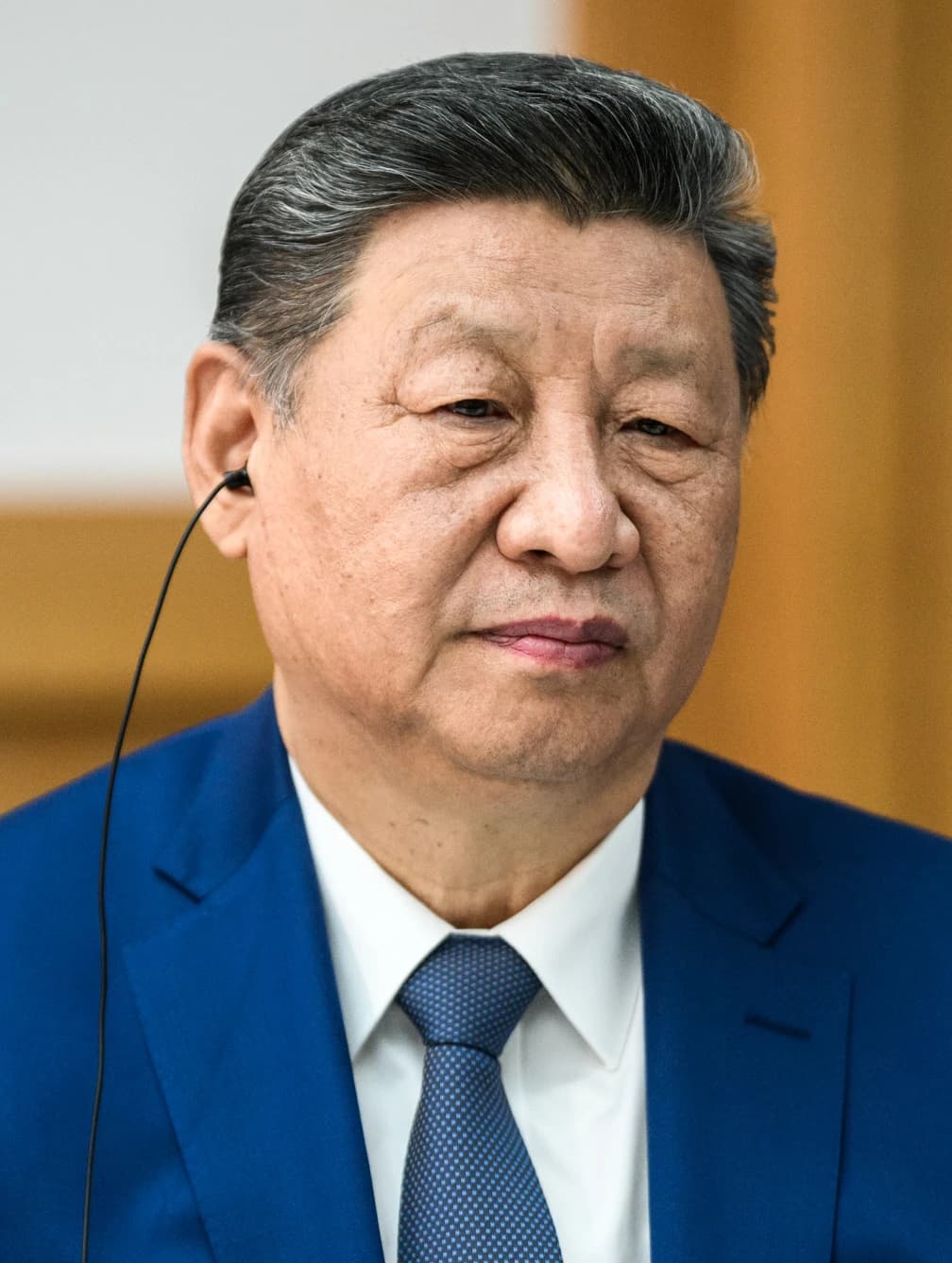
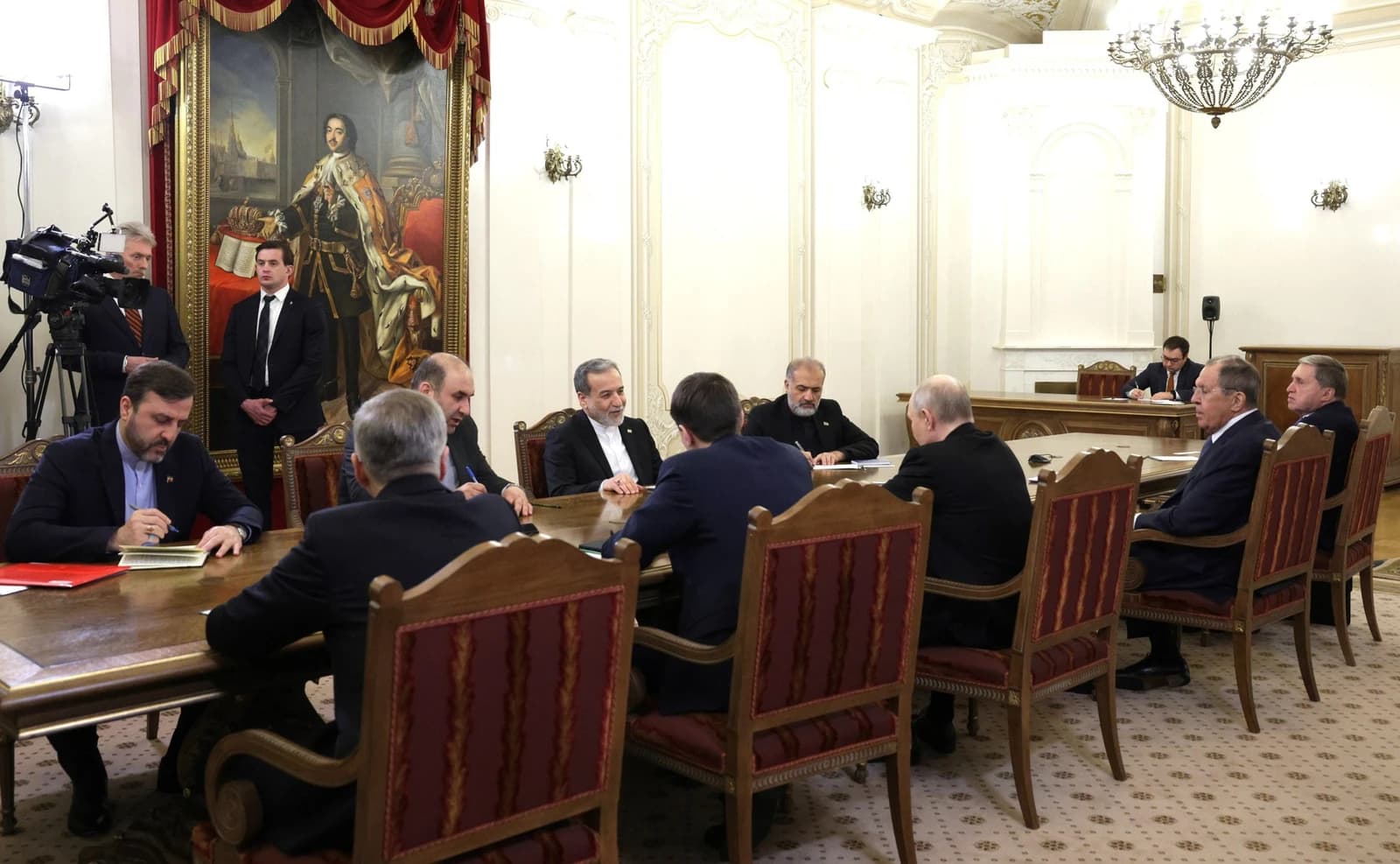
The White House summit between Donald Trump and Xi Jinping matters because the next phase of the US-China relationship will be decided not just by diplomats, but by the flow of chips, cars and AI capital that drives corporate profits and market multiples.
Trump Xi Summit Focuses on Nvidia Tesla and AI
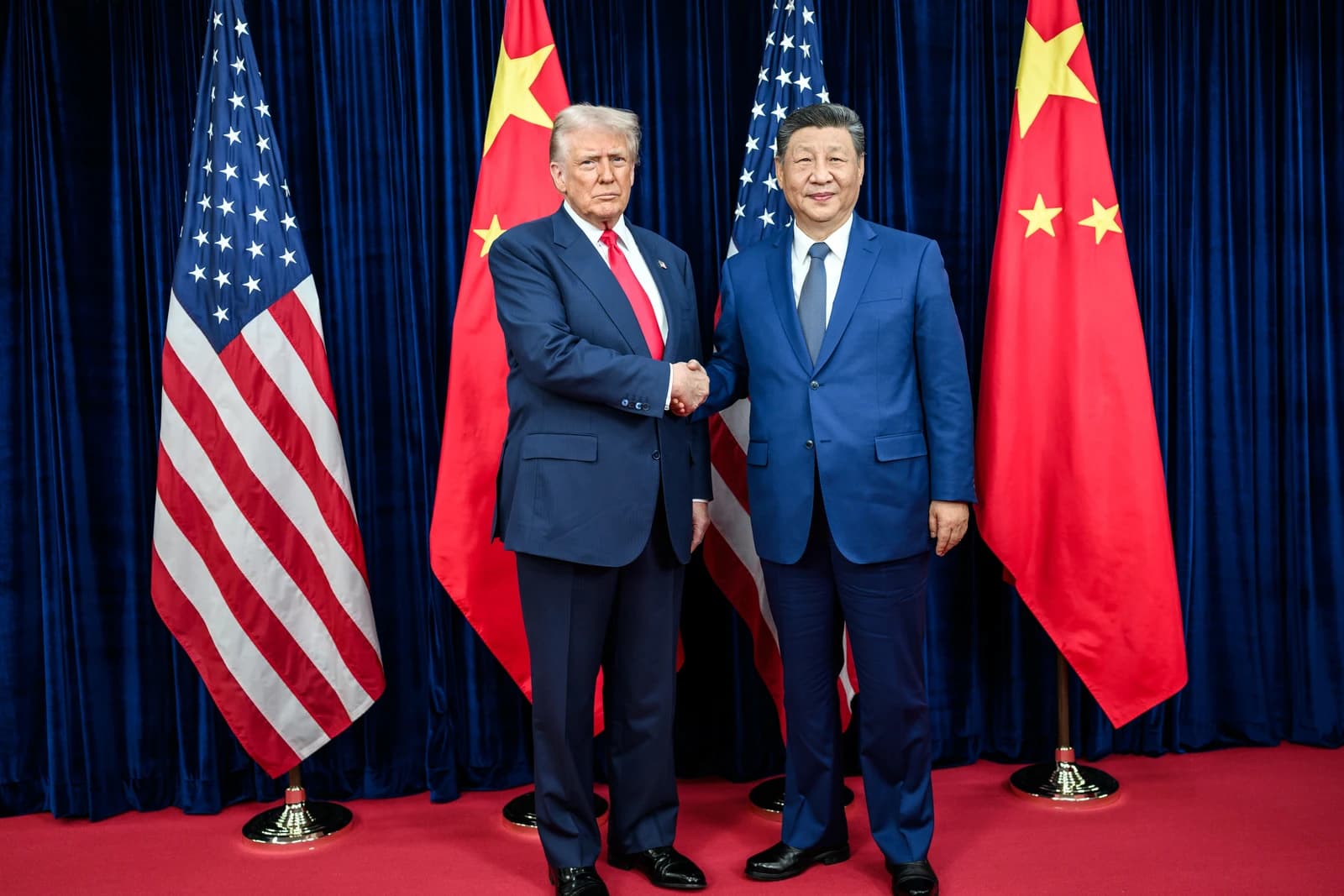
That is why the guest list told investors as much as the speeches. Nvidia’s Jensen Huang and Tesla’s Elon Musk were seated with the two leaders as Washington and Beijing signaled that artificial intelligence, trade and technology controls are now central to the world’s most important bilateral relationship. The market’s real question is whether this becomes a thaw that loosens export restrictions and restores demand for US tech, or just another carefully staged truce that leaves the strategic rivalry intact.
Sentiment IndicatorsⓘProprietary · adalytica.com · September 30, 2026
This is a snapshot — live sentiment, awareness and momentum for 130+ markets update continuously in the dashboard.Open AlphaPulse
Xi’s rhetoric leaned hard into cooperation, invoking Nixon-era diplomacy and saying the US and China should explore a new way for major powers to get along. Trump responded by emphasizing “respect” and the commercial ties that have long bound the two economies. But beneath the ceremony, the economic stakes are stark: a prolonged rivalry keeps pressure on supply chains, tariffs, Taiwan risk and export controls, all of which hit margins across semiconductors, autos and industrial technology.
For investors, the key point is that Washington and Beijing are still negotiating the rules of the AI era. Nvidia sits at the center of that fight because its China exposure is constrained by US export controls, yet its long-term growth still depends on global demand for accelerated computing. Tesla has its own China sensitivity through manufacturing, sales and supply chain exposure, while Apple remains vulnerable to tariff spillovers and manufacturing diversification costs. Even a limited thaw could improve sentiment, but the bigger prize is a durable easing of the policy overhang that has kept valuation risk high in mega-cap tech.
Adalytica’s US-China Relations Sentiment snapshot is already flashing extreme optimism, with awareness at 89 and sentiment at 82, suggesting the market has quickly priced in hopes of better relations. That makes the setup asymmetric: if talks produce only symbolic progress, expectations may cool fast; if they open the door to practical concessions on technology and trade, the upside could be meaningful for the stocks most exposed to China friction.
The broader backdrop also supports the thesis that geopolitics is still a capital-allocation story. Taiwan has accused China of harassment near a critical trade and aid route, a reminder that any détente remains fragile. The truce between the two countries may lower near-term tariff risk, but it does not remove the structural contest over semiconductors, AI infrastructure and regional security.
My view: this is not a headline to trade as a simple diplomatic photo-op. It is a signal that the market should keep paying up for companies that can benefit from any easing in US-China tech tension, while remaining wary of businesses whose growth still depends on a stable political relationship that does not exist. The highest-conviction positioning remains in the picks-and-shovels of AI infrastructure, but any serious opening in the relationship would also be a tailwind for Nvidia and, to a lesser extent, Tesla and Apple as the policy discount narrows.
| Entity | Gains | Losses |
|---|---|---|
| Nvidia | ▲Easier China access hopes | ▼Export-control overhang |
| Tesla | ▲Softer China tensions | ▼Supply-chain uncertainty |
| Apple | ▲Lower tariff risk | ▼Manufacturing cost pressure |
| China hawks | ▲Little from symbolism | ▼Pressure for détente |