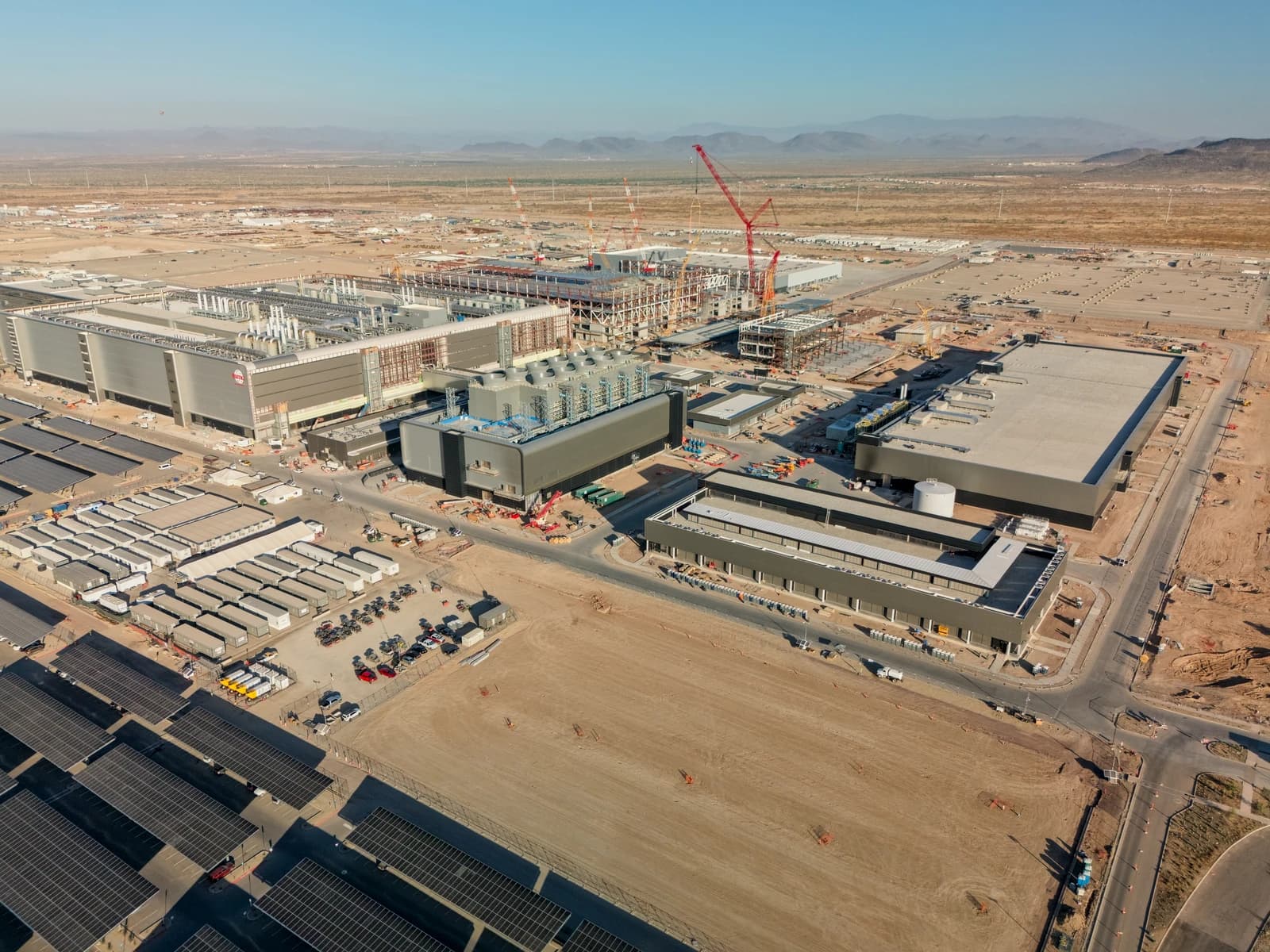
TSMC said third-quarter revenue rose 50% from a year earlier to a record NT$1.49 trillion, underscoring how aggressively demand for artificial-intelligence chips is still flowing through the semiconductor supply chain.
TSMC Q3 revenue rises 50% to record NT$1.49 trillion
The result, based on monthly sales reports for July through September, edged past the LSEG SmartEstimate consensus of NT$1.46 trillion and sets up another closely watched earnings release on Oct. 15. For investors, the key point is not just the beat: it is that the world’s dominant contract chipmaker continues to convert AI capital spending into unusually rapid top-line growth at a time when broader tech stocks have been volatile.
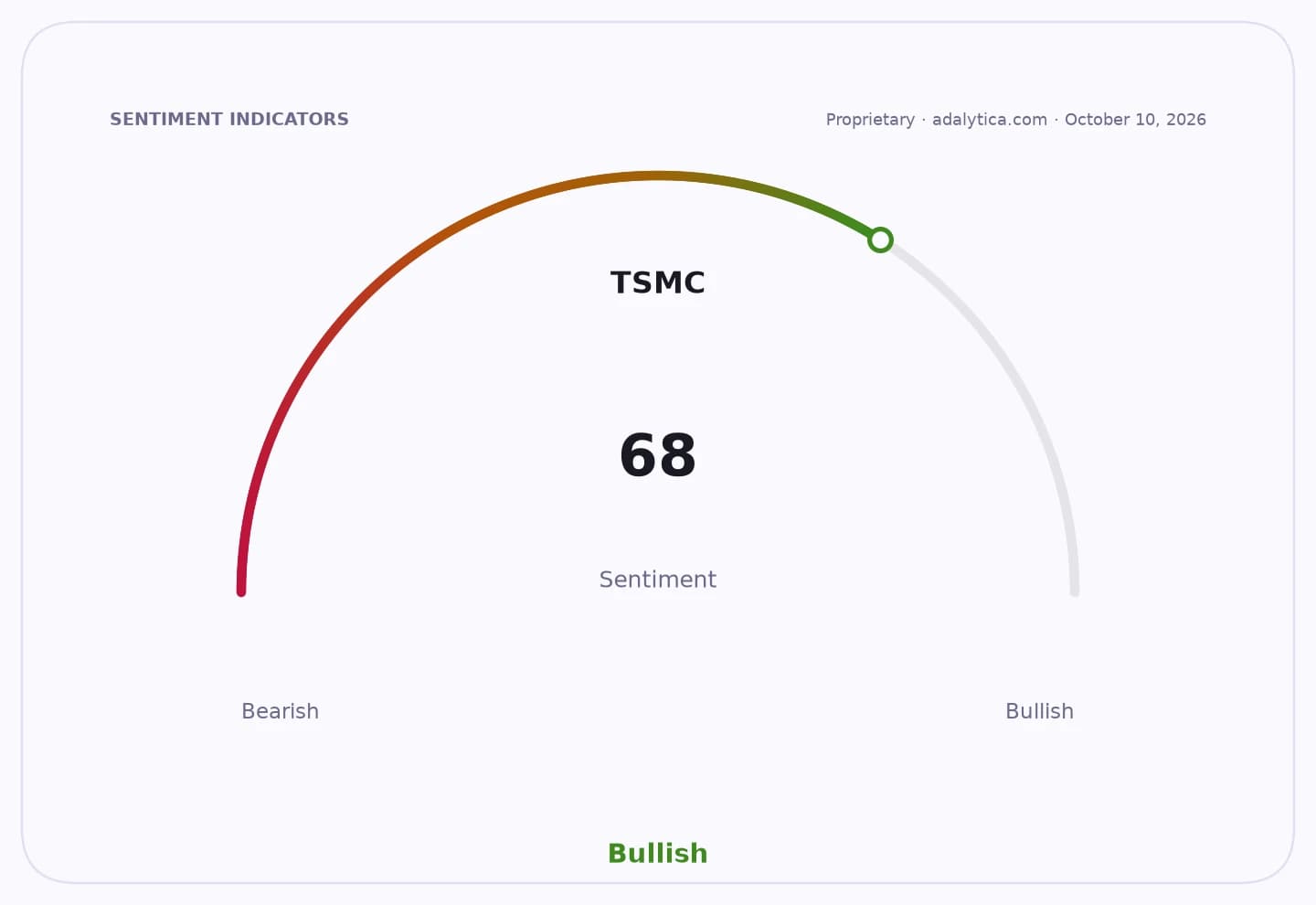
Sentiment IndicatorsⓘProprietary · adalytica.com · October 10, 2026
This is a snapshot — live sentiment, awareness and momentum for 130+ markets update continuously in the dashboard.Open AlphaPulse
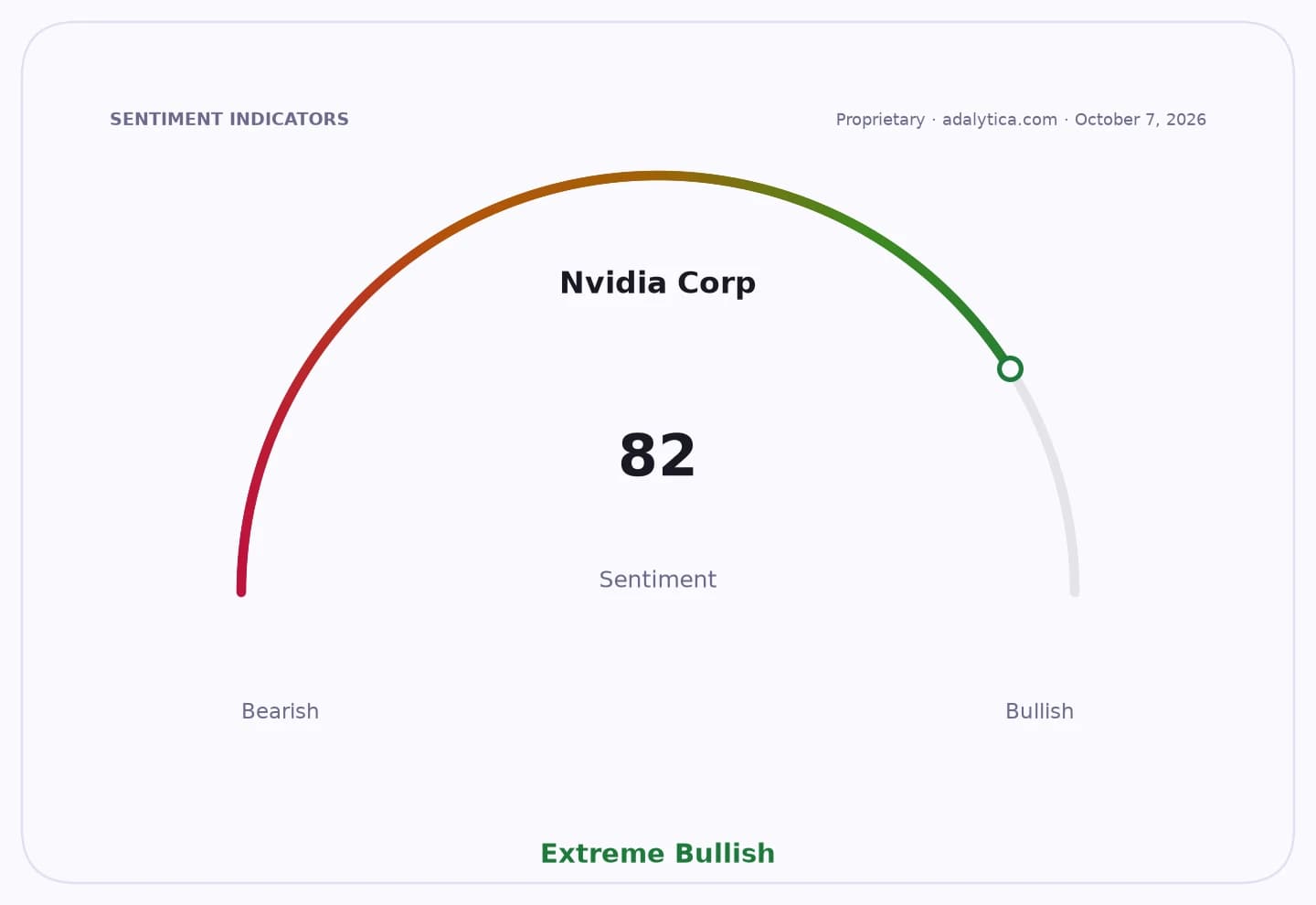
TSMC sits at the center of the AI hardware boom because it manufactures advanced chips for customers including Nvidia and Apple, and its sales are often treated as a proxy for the health of the high-end semiconductor cycle. September revenue alone climbed 54.6% from a year earlier to NT$511.86 billion, after August rose 10.1% from July, suggesting demand remained firm through the quarter rather than being driven by a one-month spike.
That matters economically because TSMC’s output is tied to the buildout of data centers, smartphones and other high-performance computing equipment that rely on the company’s most advanced process nodes. When TSMC grows this quickly, it usually reflects heavier capital expenditure by cloud providers and chip designers, which can support suppliers across the semiconductor ecosystem and signal that AI infrastructure spending is still expanding.
Markets had already priced in a strong AI theme, but the shares had been choppy. TSMC’s U.S.-listed stock has traded below its recent highs even as it remains well above its long-term trend, while recent readings on standard technical indicators such as the 50-day moving average and RSI pointed to a market that has been strong but not unchallenged. The stock’s ability to hold near elevated levels suggests investors continue to view TSMC as one of the few direct beneficiaries of AI demand with durable pricing power and scale.
The bullish case is straightforward: Nvidia’s datacenter growth, strong AI server orders and TSMC’s leadership in advanced packaging and leading-edge production support continued revenue momentum into year-end. The bear case is that much of the optimism is already reflected in valuations, and any moderation in AI spending, inventory digestion or geopolitical disruption around Taiwan could quickly dampen sentiment.
The Oct. 15 full earnings report will determine whether the sales surge is translating into the same margin and profit strength, and whether management sees the current demand wave extending into 2027. For now, the numbers reinforce one clear narrative: AI remains the main engine of growth for the global semiconductor industry, and TSMC is still the clearest way to access it.
| Entity | Gains | Losses |
|---|---|---|
| TSMC | ▲Record revenue growth | ▼Higher execution risk |
| Nvidia | ▲Strong foundry demand | ▼Tighter supply constraints |
| AI chip buyers | ▲Faster chip output | ▼Less pricing leverage |
| Short sellers | ▲Volatility to trade | ▼Breakout in AI optimism |