SpaceX’s reported plan to raise $40 billion to buy Nvidia chips is a blunt reminder that the AI buildout is no longer just about software hype — it is becoming a capital-intensive arms race for compute, supply and financing.
SpaceX Plan to Raise $40B for Nvidia Chips
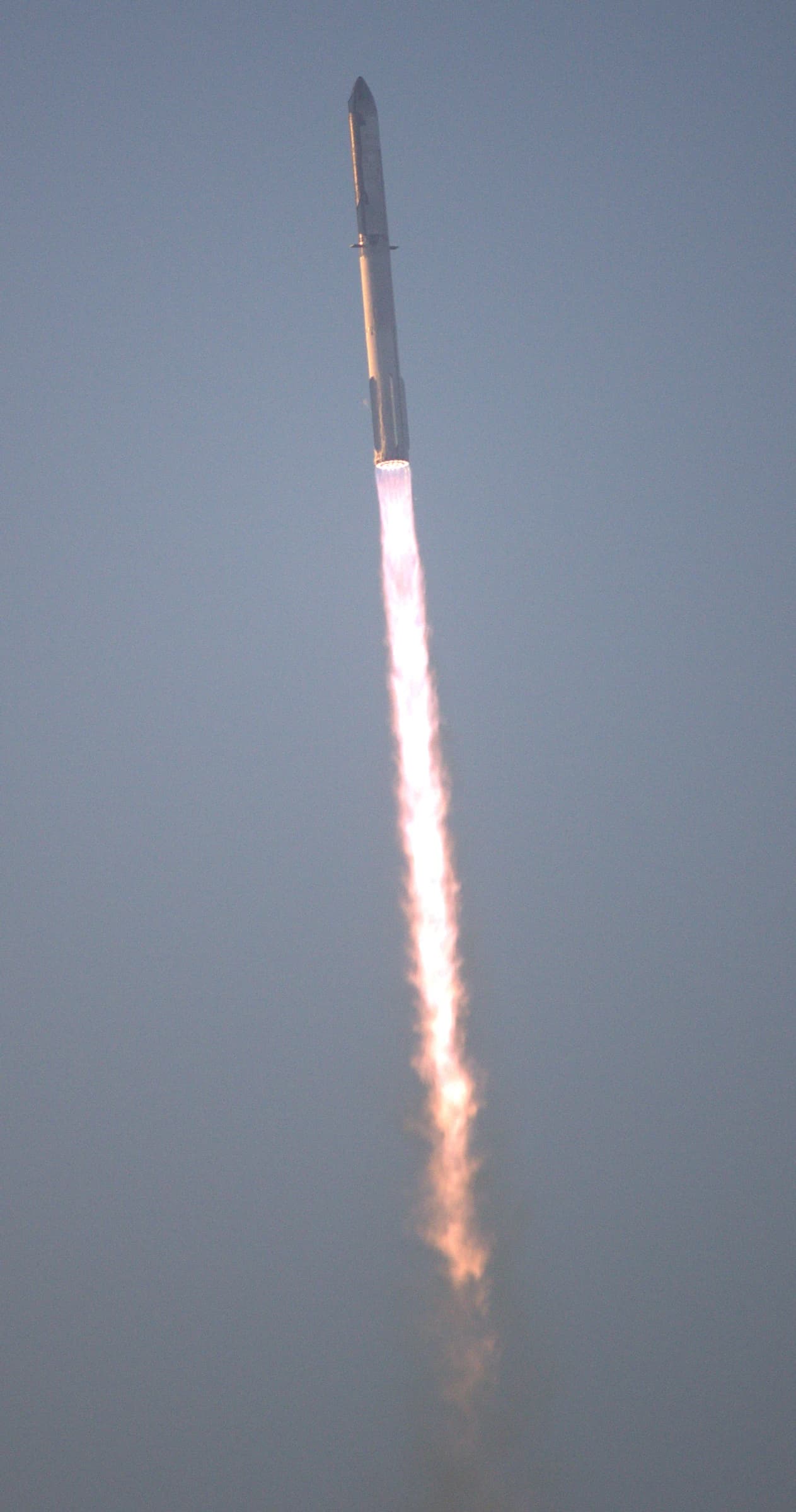
The Financial Times said the Elon Musk-led rocket company is seeking about $10 billion in bank loans and $30 billion in investment-grade debt, with Apollo Global Management expected to lead the financing and Pimco among lenders in talks. If completed, the transaction would be one of the clearest signals yet that the hunger for advanced accelerators is pushing even nontraditional buyers into the debt markets to secure capacity years in advance.
Sentiment IndicatorsⓘProprietary · adalytica.com · October 7, 2026
This is a snapshot — live sentiment, awareness and momentum for 130+ markets update continuously in the dashboard.Open AlphaPulse
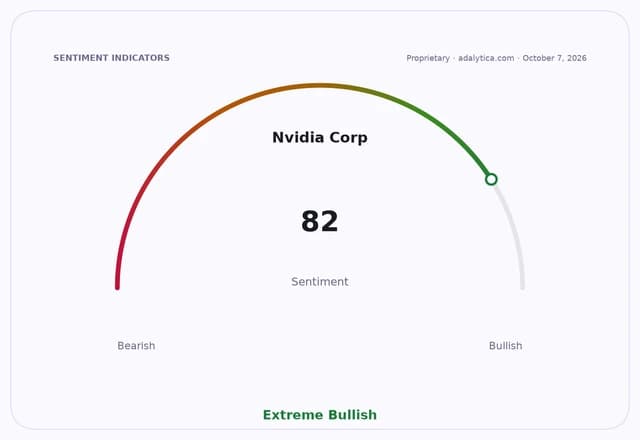
That matters because it widens the circle of AI capital formation far beyond the usual hyperscalers. A $40 billion order pipeline tied to Nvidia chips underscores how scarce high-end compute still is, even as big tech, cloud providers and now space infrastructure players race to lock in supply. Nvidia has already told investors its supply and capacity commitments swelled to $279 billion as of late July, a striking number that suggests the bottleneck is shifting from demand discovery to financing and delivery.
For investors, the implication is bigger than one company’s balance sheet. Apollo and Pimco are effectively being pulled into the AI infrastructure trade, and that creates a new pool of capital for the ecosystem. The winners are not just chip designers like Nvidia, but also foundries, advanced packaging suppliers, networking vendors and the data-center infrastructure stack that has to power and cool the compute. Taiwan Semiconductor, as the essential manufacturing gatekeeper, remains one of the clearest second-order beneficiaries.
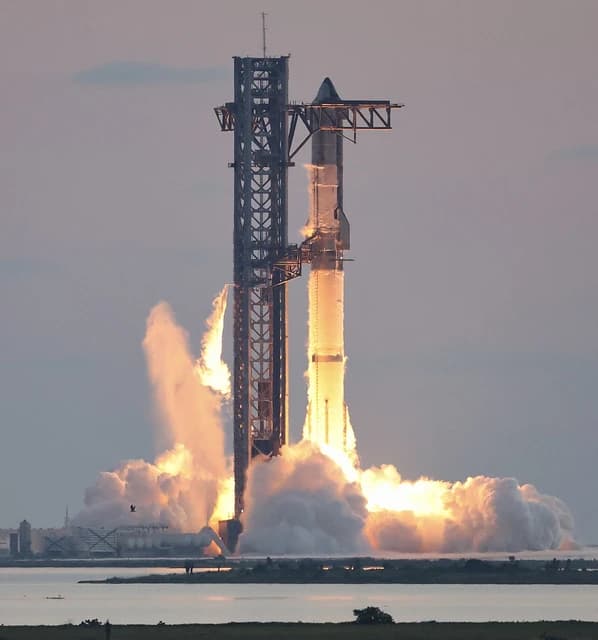
The market is already telling you where the pressure is building. Nvidia shares have been riding far above their 50-day and 200-day moving averages, while conventional momentum gauges such as RSI remain elevated, reflecting persistent appetite for the stock even after a strong run. AMD has also rallied sharply, showing that investors are still willing to pay up for any credible AI hardware leverage. The bigger message is that the trade is not fading — it is broadening into the financing layer.
There is also a macro angle the market should not ignore. With benchmark rates still elevated, a $30 billion investment-grade debt component is a statement that AI infrastructure spending is now large enough to be underwritten like a utility-scale asset class. That is exactly how a megatrend matures: first as a product cycle, then as a capex supercycle, and finally as a financing market.
My thesis is simple: the market underestimates how much the AI boom will migrate from equity multiples into credit markets, project finance and supply-chain toll roads. SpaceX is not just buying chips; it is helping validate a new phase of AI capex that could keep Nvidia, TSMC and the infrastructure stack in leadership for years. If you want exposure to the next leg, own the picks-and-shovels, not just the headlines.
| Entity | Gains | Losses |
|---|---|---|
| Nvidia | ▲Massive chip demand | ▼Supply tightness risk |
| Apollo Global Management | ▲Financing fees, deal control | ▼Credit execution risk |
| Pimco / lenders | ▲Yield on investment-grade debt | ▼Exposure to jumbo deal risk |
| TSMC and AI supply chain | ▲More foundry and packaging orders | ▼Capacity strain, delivery pressure |