Nvidia’s latest share-price stumble has pushed Chief Executive Jensen Huang’s estimated net worth back below the $200 billion mark, a reminder that even the market’s biggest AI winner is still tethered to broader tech volatility.
Nvidia Falls Below Recent Highs After Pullback
For investors, that matters because Nvidia has become the poster child for the AI boom, and Huang’s fortune is effectively a live gauge of how much enthusiasm the market is willing to pay for that theme. When tech stocks weaken on worries about AI spending, bond yields and stretched valuations, the impact shows up fast not just in index performance but in the paper fortunes of the industry’s most visible executives.
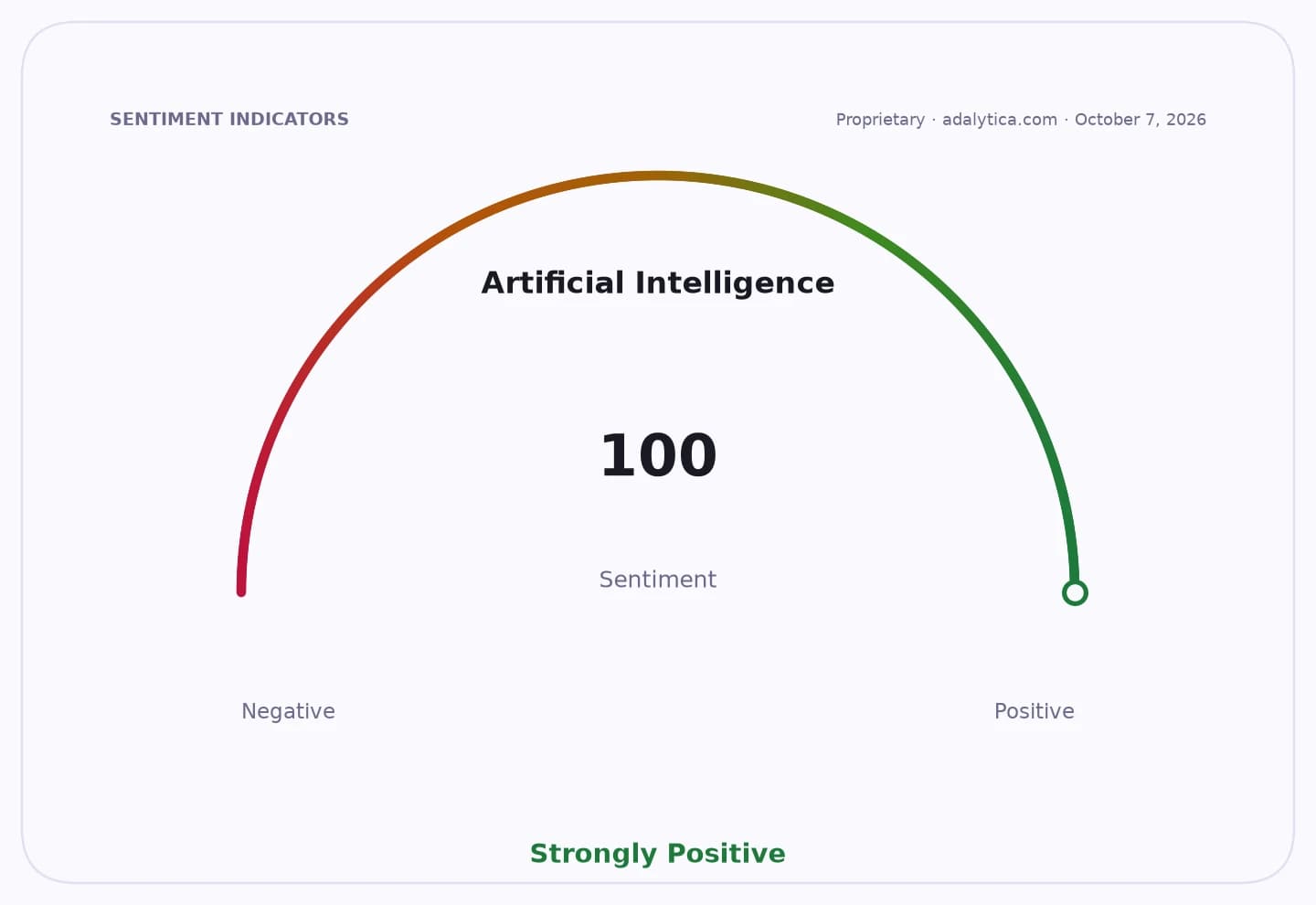
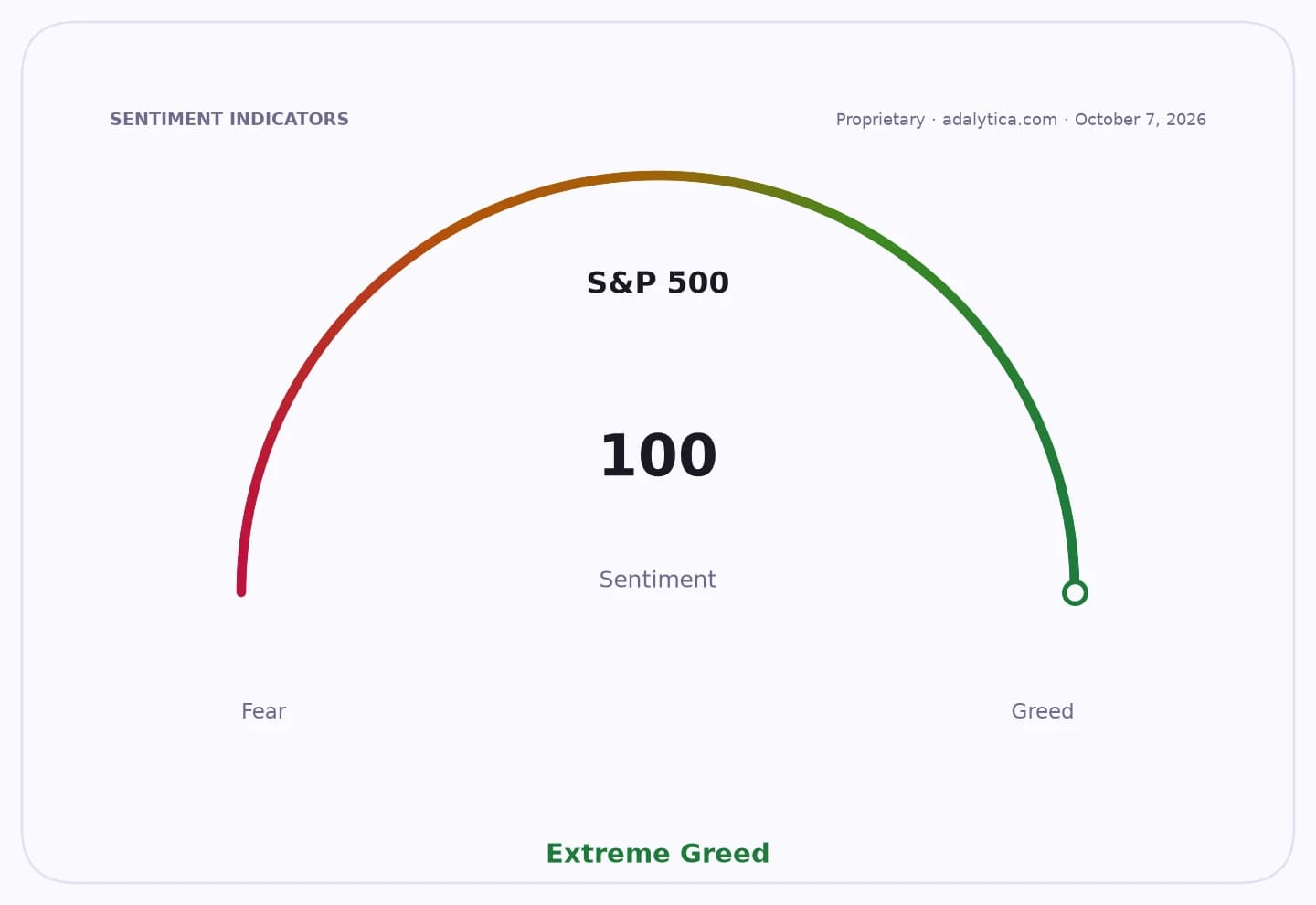
Sentiment IndicatorsⓘProprietary · adalytica.com · October 10, 2026
This is a snapshot — live sentiment, awareness and momentum for 130+ markets update continuously in the dashboard.Open AlphaPulse
Nvidia shares closed at $229.28 on Oct. 9 after touching $237.47 the day before, leaving the stock below its recent highs but still well above its 50-day and 200-day moving averages. The pullback comes after a powerful run that briefly carried the chipmaker’s stock to $237.47 and drove sentiment around the name to “Extreme Greed,” according to Adalytica.com’s NVIDIA Earnings Sentiment gauge. Even so, the broader tone has turned more cautious as investors reassess how quickly AI infrastructure spending can keep rising.
That caution is not isolated to Nvidia. Microsoft, another core AI beneficiary, has also been caught in the washout, with its shares ending Oct. 9 at $535.07 after a recent push above $529. Nvidia supplier Taiwan Semiconductor Manufacturing has likewise remained volatile, trading at $453.31 after a run that reflected the same enthusiasm for AI hardware demand. The pattern suggests this is not a company-specific rerating so much as a marketwide pause in the trade that has dominated much of the year.
Economically, the story matters because AI capital spending is still one of the most important engines in global tech. Nvidia’s chips sit at the center of that investment cycle, and any cooling in sentiment can ripple through suppliers, cloud providers and semiconductor foundries. Higher bond yields only add pressure by making future growth look less valuable in present terms, which is why richly valued tech names often absorb the first hit when rates rise.
For long-term investors, the bigger question is not whether Nvidia can survive a pullback — it can — but whether this is the kind of volatility that opens the door to better entry points in a structural growth story. Nvidia still has one of the strongest competitive positions in the market, with demand tied to AI data centers, networking and accelerating compute needs. That does not make the stock cheap, but it does mean short-term swings in Huang’s net worth are more a function of sentiment than a change in the company’s strategic importance.
The key takeaway is simple: the AI trade is still alive, but it is no longer moving in a straight line. Investors should expect more swings as earnings, interest rates and spending guidance reset expectations. For patient shareholders focused on the next three to five years, Nvidia remains a name worth watching — not because it is immune to market pullbacks, but because its long-term position in AI keeps it at the center of one of the most powerful compounding stories in the market.
| Entity | Gains | Losses |
|---|---|---|
| Long-term Nvidia shareholders | ▲Better entry points | ▼Paper gains wobble |
| Short-term momentum traders | ▲Volatility to trade | ▼Trend gets choppier |
| AI infrastructure buyers | ▲Potentially cooler valuations | ▼Higher-cost capital spending |
| Tech index bears | ▲Pressure on stretched names | ▼Broader market optimism |