Physical AI only creates lasting value when it is tied to real-world work, especially processing, and that is why Nvidia and Microsoft remain the most important names in the current AI buildout.
Nvidia and Microsoft AI demand stays strong
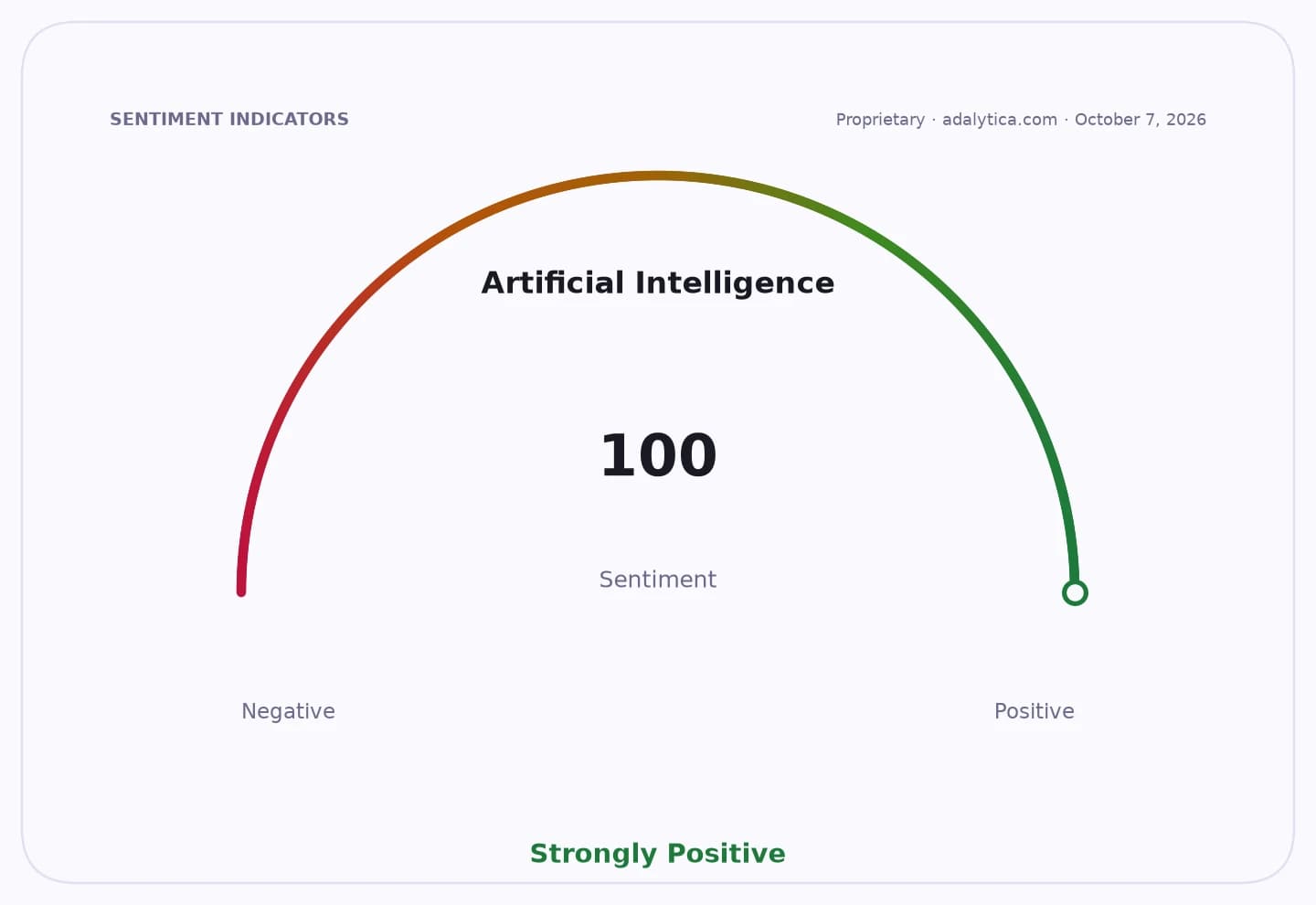
For investors, the message is simple: the market is still rewarding the companies that turn artificial intelligence from a concept into a productivity engine. Nvidia’s chip demand and Microsoft’s AI cloud business are not just about the next model release or the next chatbot feature. They are about embedding AI into factories, data centers, enterprise workflows and industrial processing, where the payoff can be measured in higher throughput, lower labor costs and stronger margins.
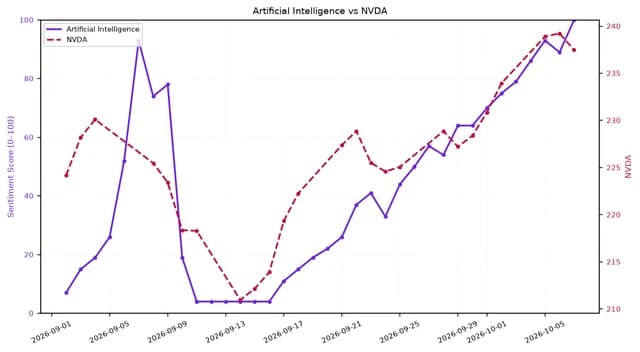
That is what makes the latest price action worth watching. Nvidia shares ended at $237.47 on Oct. 7, just below the prior session’s record close and near the top of their Bollinger Band range, with a 50-day moving average of $220.44 and an RSI reading of 77, a sign the stock remains technically stretched even after a huge run. Microsoft closed at $529.76, also near its upper band, with a 50-day moving average of $495.84 and an RSI of 73.8. Both stocks have been priced as if AI spending will keep compounding, and so far the market has been right.
The bigger story is that AI is moving beyond software demos and into industrial use cases. Physical AI — systems that can perceive, decide and act in the physical world — matters most when it improves processing, whether that means manufacturing, logistics, data-center operations or enterprise decision-making. That is where the economic value becomes durable. A model that writes an email is useful. A model that improves the efficiency of a supply chain or a production line can reshape an entire cost structure.
Microsoft’s role is especially important because it sits at the center of the AI enterprise stack. Its Azure cloud and AI tools are designed to convert AI demand into recurring spending, while its own disclosures emphasize supercomputing power, AI cloud services and custom silicon. That makes Microsoft a long-duration beneficiary of corporate adoption, not just a one-time winner from model hype. Adalytica’s Microsoft earnings sentiment remains in fear territory at 29, but that is more a reflection of investor hesitation after a volatile year than a change in the company’s strategic position.
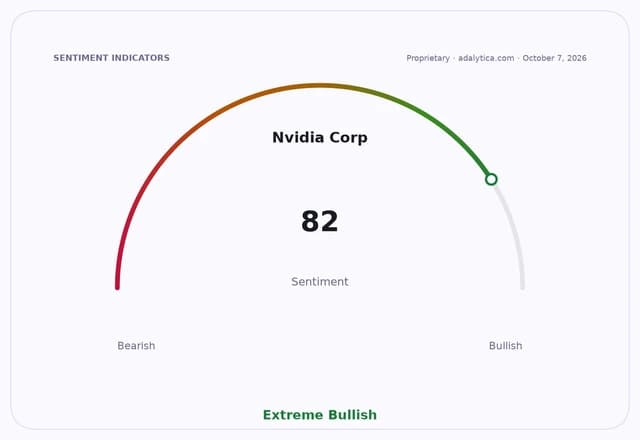
Nvidia, meanwhile, remains the purest expression of AI infrastructure demand. Its shares have swung sharply, but the company is still the key supplier of the chips that power the training and deployment of advanced models. Adalytica’s NVIDIA earnings sentiment jumped to 82, or greed, even as awareness remains low, suggesting investors are enthusiastic but still not fully focused on the scale of the opportunity. The stock’s 50-day average at $220.44 and 200-day average at $201.35 show how far it has climbed above its longer-term trend.
The investing takeaway is not that every AI stock is a buy at any price. It is that the companies enabling physical AI in the real economy are building the infrastructure layer of a multi-year cycle. That usually matters more than the headlines around individual product launches. Over the next several years, the winners are likely to be the firms that help businesses process more data, automate more decisions and turn intelligence into measurable output.
That is why long-term investors should keep both Nvidia and Microsoft on the shortlist, while respecting valuation and volatility. In a market driven by AI spending, the best businesses are the ones making intelligence useful in the physical world. That is where the compounding lives.
| Entity | Gains | Losses |
|---|---|---|
| Nvidia | ▲AI chip demand | ▼Short sellers |
| Microsoft | ▲Cloud AI spending | ▼Laggards in enterprise software |
| Industrial users of AI | ▲Higher processing efficiency | ▼Manual workflows |
| Late AI entrants | ▲Fast-following adoption | ▼Pricing power |