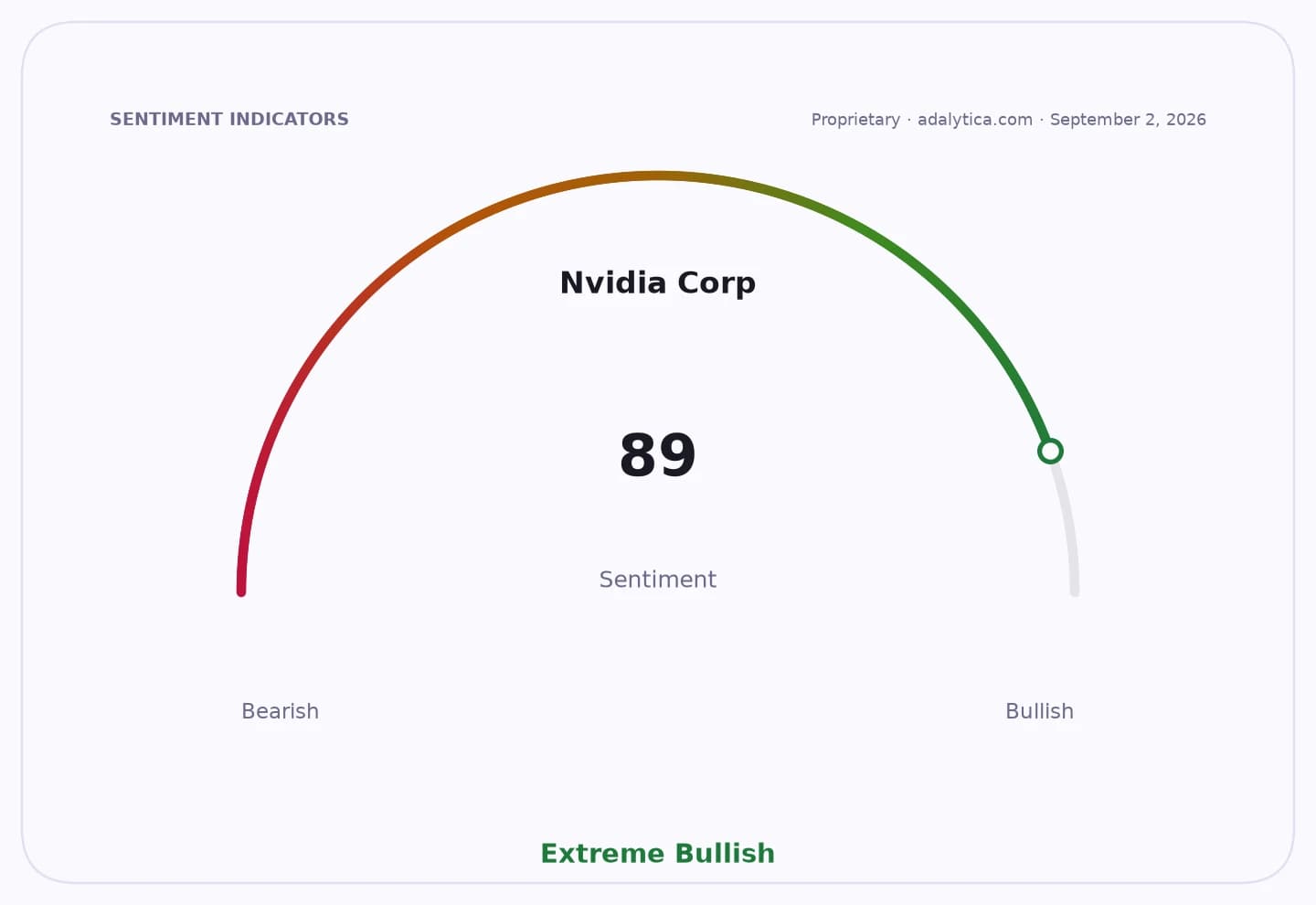
Nvidia’s record $150 billion share repurchase plan is the clearest sign yet that the AI trade is no longer just about explosive revenue growth — it is now a cash-generation machine with enough firepower to reward shareholders while the data-center buildout keeps accelerating.
Nvidia share buyback boosts AI cash return case
That matters because the market is still pricing Nvidia like a cyclical chip name when the real story is infrastructure dominance. A buyback of that size is not defensive window dressing; it is management telling investors that demand from AI customers remains strong enough to support huge capital returns even after years of hyperscaler and enterprise spending. For holders, that is a powerful signal that Nvidia expects its earnings base to keep expanding, not revert.
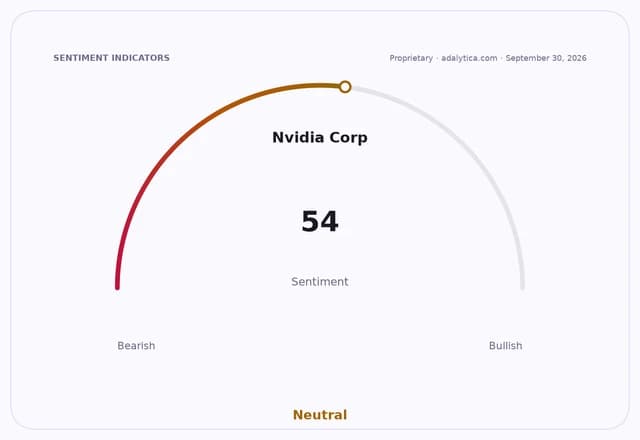
The timing also matters. Nvidia shares have been volatile around the $227 area, with the stock trading near the upper end of its recent range and the 50-day moving average still well below the current price. The RSI is above neutral, but not at extremes that would suggest the move is fully exhausted. In other words, the stock is extended, but not obviously broken. Traders betting on a quick collapse into the next session are fighting both momentum and the company’s own capital return firepower.
The buyback also reinforces the broader investment case around AI infrastructure. Nvidia is not just selling chips; it is becoming the toll road for the entire compute economy. Every new model train, inference cluster and sovereign AI project needs its hardware, software stack and networking gear. That creates a second-order effect the market often misses: as AI capex grows, so does Nvidia’s ability to convert that spending into free cash flow that can be deployed to offset dilution and support per-share upside.

Nvidia’s new security platform for containing rogue AI agents adds another layer to the thesis. As AI systems become more autonomous, enterprises will need guardrails, monitoring and governance tools before they scale deployments. That opens a new adjacency for Nvidia and strengthens the case that the company’s moat is widening beyond silicon into the operational layer of AI.
For investors, the message is simple: the best long-term trade is not chasing a one-day expiration gamble on Nvidia, but owning the ecosystem beneficiaries of a capital cycle that is still in its early innings. Nvidia remains the core name, but the asymmetric opportunity extends to suppliers of advanced packaging, high-bandwidth memory, networking, power and data-center infrastructure. If AI spending keeps compounding, the biggest winners will be the companies selling the picks and shovels — and the companies still underestimating how long this buildout can last.
| Entity | Gains | Losses |
|---|---|---|
| Nvidia shareholders | ▲Per-share support from buybacks | ▼Bears betting on a fast fade |
| AI infrastructure suppliers | ▲Higher capex demand | ▼Legacy chip peers |
| Hyperscalers and enterprise buyers | ▲More AI capacity and tools | ▼Cash held back for other uses |
| Short-term put buyers | ▲Potential volatility opportunity | ▼Time decay if stock holds up |